
Who this is for: Best for shoppers who want to understand supplement quality checks and buy with more confidence.
Check PriceWhat is Third Party Tested Supplements Explained? A Complete 2026 Guide
If you’ve been trying to understand third party tested supplements explained, you’re probably worried about whether a bottle actually contains what the label says. That concern is valid: supplement quality can vary a lot, and not every brand verifies purity, potency, or contamination risk the same way. This guide breaks down what third-party testing means, why it matters, how to evaluate it, and what to look for before you buy.
Related Reviews
In simple terms, third-party tested supplements are products that have been evaluated by an independent organization rather than only by the brand that sells them. That outside check is meant to confirm things like ingredient identity, label accuracy, and safety standards. When you understand the certification behind a supplement, you can shop with more confidence and less guesswork.
How It Works
Third-party testing is basically an independent verification process. A supplement company sends product samples to an outside lab or certification program, and that organization checks whether the product meets specific standards.
Depending on the program, the testing may look for:
- Whether the ingredients match the label
- Whether the product contains the stated amount of the ingredient
- Whether contaminants like heavy metals, banned substances, or microbes are present
- Whether the manufacturing process follows quality controls
That’s why certifications such as NSF Certified for Sport, USP, and Informed Sport get so much attention. They’re widely recognized trust signals because they involve outside review instead of relying only on the manufacturer’s own claims. For buyers, that means less uncertainty about what’s actually in the capsule, powder, or tablet.
Key Benefits & Use Cases
Third-party testing matters for several common reasons:
- Label confidence: You’re more likely to get the ingredient and amount listed on the bottle.
- Contamination awareness: Independent screening can help reduce the risk of unwanted substances.
- Sport and competition safety: Athletes often look for NSF Certified for Sport or Informed Sport to reduce the risk of banned-substance exposure.
- Better buying decisions: Certification helps separate serious brands from vague marketing.
- Digestive or formulation preferences: Some shoppers want cleaner formulas with fewer additives and excipients.
Use cases include everyday wellness shoppers, athletes, people with ingredient sensitivities, and buyers who want a cleaner label. If you’re comparing magnesium, protein, multivitamins, or recovery products, third-party testing can be one of the fastest ways to narrow your options.
What to Look For When Buying
1) Recognized certification
Look for established trust marks such as NSF, USP, or Informed Sport rather than vague “lab tested” language. A real certification is usually more meaningful than a marketing phrase.
2) What the test actually covers
Some programs focus on label accuracy, while others emphasize banned-substance screening or contamination checks. Make sure the certification matches your goal.
3) Ingredient transparency
Check whether the label clearly lists active ingredients, dosage, and other components. Cleaner formulas are often easier to evaluate and tolerate.
4) Manufacturing quality
Third-party testing is strongest when paired with good manufacturing practices. A supplement can be tested once, but quality control should be part of the brand’s process.
5) Realistic claims and reviews
Be cautious if a product makes dramatic promises without clear proof. Look for consistent owner feedback, sensible ingredient profiles, and evidence that the company takes quality seriously.
Top Recommended Products
Below is one researched product that fits the broader theme of cleaner, more transparent supplement buying. While not every quality supplement carries a major certification seal, products with simple formulas and additive-free positioning are often appealing to shoppers who care about what’s inside the bottle.
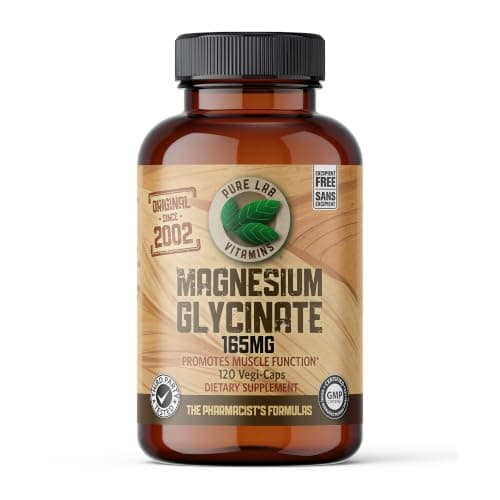
Pure Lab Vitamins Magnesium Glycinate 165mg, 120 Vegi-Caps, Additive Free ✓ Prime $24.95
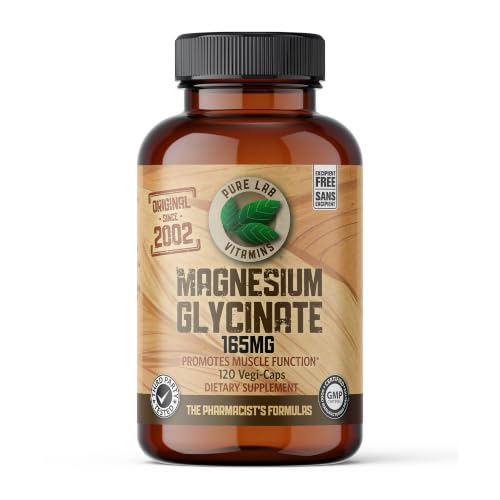


This magnesium glycinate supplement is positioned as a clean, additive-free option with an absorption-focused form of magnesium. Magnesium glycinate is commonly chosen by shoppers who want a gentler-feeling magnesium format and a formula with fewer extras. The brand also highlights digestive tolerance and a long-running original formulation, which may appeal to buyers who prioritize simplicity and consistency.
Why it stands out: For readers comparing supplement quality signals, this product reflects the kind of clean-label thinking that often pairs well with third-party testing awareness. It doesn’t replace the value of a recognized certification, but it does fit the mindset of buyers who want a straightforward formula with fewer unnecessary ingredients.
✓ Excipient-free formula with no additives
✓ Magnesium glycinate form known for absorption characteristics
✓ Designed with digestive comfort in mind
✓ Easy-to-swallow capsules from a clean formulation
✓ Prime shipping convenience
✗ No major third-party certification is highlighted in the provided listing
✗ Not ideal if you want a broader mineral blend
✗ Magnesium needs vary, so the dose may be more or less than some buyers want
Common Mistakes to Avoid
1) Assuming “lab tested” means certified. Many brands use vague language that sounds official without offering a true independent certification.
2) Ignoring the type of test. A supplement tested for label accuracy is not the same as one tested for banned substances or contaminants.
3) Choosing only by hype. A flashy label or influencer endorsement does not replace quality verification.
4) Overlooking ingredient lists. Even a good product can include fillers or unnecessary extras if you don’t read the label carefully.
5) Forgetting your use case. An athlete, a general wellness shopper, and someone with sensitivities may all need different quality checks.
Frequently Asked Questions
What does third party tested supplements explained mean?
It means supplements are evaluated by an independent outside organization rather than only by the brand, helping verify label accuracy, purity, or safety-related standards.
Is third-party tested the same as NSF Certified for Sport?
No. NSF Certified for Sport is a specific certification with stricter sport-focused screening, especially for banned substances. Third-party tested is a broader term.
Is USP better than third-party tested?
USP is one type of third-party certification. It is often viewed as a strong trust signal because it verifies quality standards through an independent program.
Why do athletes look for Informed Sport?
Athletes use Informed Sport because it helps reduce the risk of banned-substance contamination, which matters for competition testing and compliance.
Should I only buy supplements with third-party testing?
Not always, but it is a strong quality signal. If a supplement is important to your health, sport eligibility, or ingredient sensitivity, third-party testing is a smart priority.
Pros
- + Independent verification improves trust
- + Helps confirm label accuracy and purity
- + Useful for athletes and cautious buyers
- + Clean formulas can reduce unnecessary additives
Cons
- – Not every brand discloses a major certification
- – ‘Lab tested’ can be vague marketing
- – Different tests cover different risks
Frequently asked questions
- What does third party tested supplements explained mean?
- It means supplements are evaluated by an independent outside organization rather than only by the brand, helping verify label accuracy, purity, or safety-related standards.
- Is third-party tested the same as NSF Certified for Sport?
- No. NSF Certified for Sport is a specific certification with stricter sport-focused screening, especially for banned substances. Third-party tested is a broader term.
- Is USP better than third-party tested?
- USP is one type of third-party certification. It is often viewed as a strong trust signal because it verifies quality standards through an independent program.
- Why do athletes look for Informed Sport?
- Athletes use Informed Sport because it helps reduce the risk of banned-substance contamination, which matters for competition testing and compliance.
- Should I only buy supplements with third-party testing?
- Not always, but it is a strong quality signal. If a supplement is important to your health, sport eligibility, or ingredient sensitivity, third-party testing is a smart priority.
Get the Full Health & Fitness Buyer's Guide
Join our free newsletter — we'll send our latest Health & Fitness picks, specs and verdicts straight to your inbox.
Free. No spam. Unsubscribe anytime.
Was this review helpful?
Be the first to share your feedback on this review.
Sign in to vote and let us know what you think.
Discussion (0)
No comments yet. Be the first to start the discussion.
Related Reviews
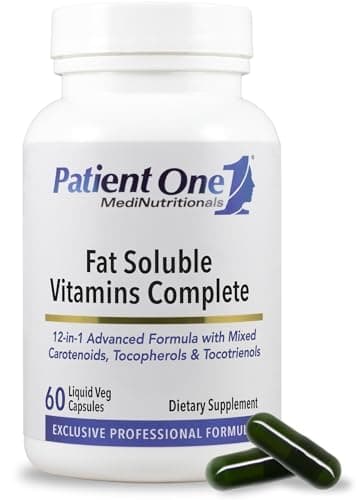
What is Fat Soluble vs Water Soluble Vitamins? A Complete 2026 Guide
Understanding fat soluble vs water soluble vitamins can be confusing if you just want to know what your body absorbs, stores, and needs daily. The short version: fat-soluble vitamins are absorbed with dietary fat and stored longer, while water-soluble vitamins dissolve in water and are generally use
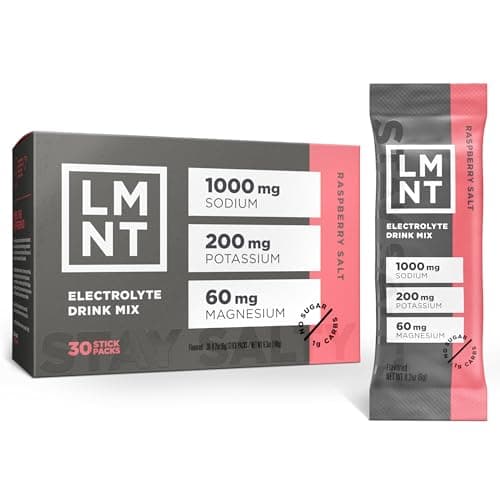
LMNT Zero Sugar Electrolytes - Raspberry Salt | Drink Mix | 30-Count Review (2026): Specs, Pros & Cons, and Who It's For
LMNT’s format is straightforward: a box of single-serve stick packs designed for easy mixing and portability. That makes it convenient for gym bags, travel, desk drawers, and daily hydration routines where convenience matters more than a large tub or scoop system.
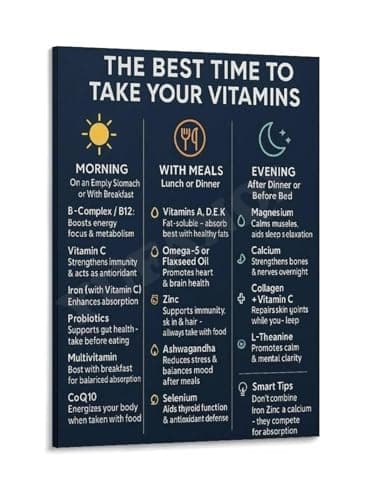
What is the when to take vitamins timing guide? A Complete 2026 Guide
The when to take vitamins timing guide is a simple way to make supplement routines easier to remember and more effective to follow. If you’ve ever wondered whether vitamins should be taken in the morning, with food, or before bed, this guide explains the timing logic in plain English. It also highli