
Who this is for: Best for adults comparing premium synbiotics who want stronger gut-support benefits and easier buying confidence.
Seed vs Ritual Synbiotic probiotic (2026): Which Should You Actually Buy?
If you’re trying to choose between Seed DS-01 Daily Synbiotic - Adult Probiotic + Prebiotic - 30-Days with Jar and Ritual Synbiotic+ 3-in-1 Probiotic Supplement - 30 Capsules - 30 Servings, the real challenge is that both sit at the premium end of the probiotic market. They’re similarly priced, both use advanced delivery systems, and both are built around gut health rather than generic “digestive support” claims. This comparison breaks down the differences that actually matter so you can buy the one that fits your goals.
Related Reviews
At a Glance
| Category | Seed DS-01 Daily Synbiotic | Ritual Synbiotic+ 3-in-1 |
|---|---|---|
| Price | $59.99 ✓ Prime | $59.99 ✓ Prime |
| Serving Count | 30 days | 30 capsules / 30 servings |
| Formula | 24-strain probiotic + prebiotic | Prebiotic + probiotic + postbiotic |
| CFU / AFU | 53.6B AFU | 11B CFUs |
| Delivery System | Capsule-in-capsule | Delayed-release nested capsule |
| Refrigeration | Not specified | No refrigeration needed |
| Best For | People wanting the broadest gut-support formula | People who want traceability and a 3-in-1 approach |
Design
Seed DS-01 Daily Synbiotic
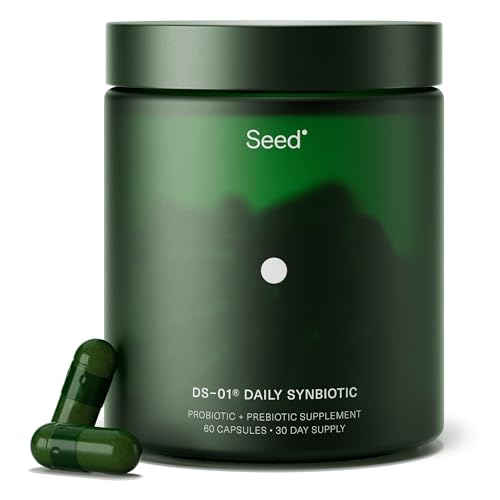


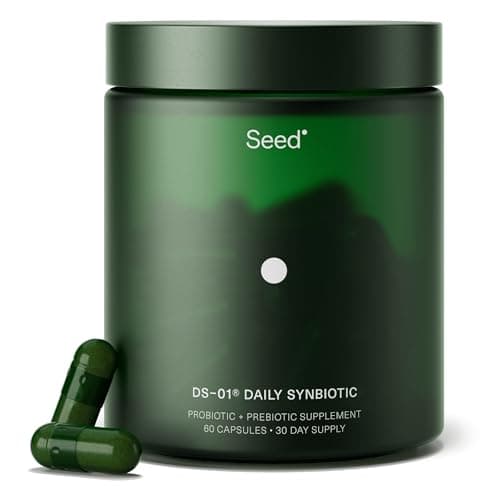
Seed’s design story is all about delivery technology. The brand emphasizes a proprietary capsule-in-capsule system intended to protect probiotics through digestion, which is a meaningful differentiator in a crowded category. It also pairs the probiotic with a prebiotic in a formula designed around broad gut support, which makes the packaging and positioning feel more “science-forward” than lifestyle-oriented.
Winner: Seed — its capsule system and higher-strain formulation make the design feel more engineered for probiotic survival.
Ritual Synbiotic+ 3-in-1
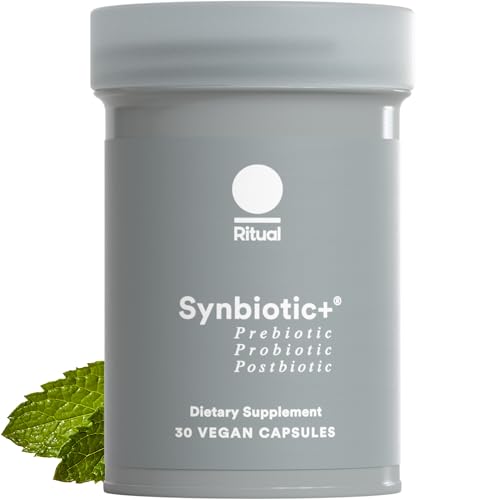


Ritual takes a more transparent, ingredient-origin approach. Its visible supply chain messaging, delayed-release capsule, and mint tab are aimed at making the supplement more approachable while still feeling premium. If you like products that explain where ingredients come from and why they’re included, Ritual is very strong here.
Winner: Ritual — it wins for traceability and a more consumer-friendly presentation.
Performance
Seed DS-01 Daily Synbiotic
On paper, Seed has the more ambitious performance profile. It offers 24 strains and 53.6B AFU, plus claims tied to regularity, bloating, and gas in a large clinical trial context. It also highlights immune support and micronutrient synthesis, which broadens its appeal beyond basic digestion.
The biggest performance advantage is the combination of breadth and delivery tech. For shoppers comparing premium synbiotics, Seed looks like the more aggressive formula.
Winner: Seed — more strains and a higher potency-style positioning give it the edge.
Ritual Synbiotic+ 3-in-1
Ritual’s formula is more focused: prebiotics, probiotics, and postbiotics in one daily capsule. The 11B CFU count is lower than Seed’s headline number, but Ritual leans into clinically studied strains and a postbiotic addition that supports gut barrier function.
That makes it attractive if you want a more streamlined, targeted synbiotic rather than a broader strain-heavy blend.
Winner: Seed — Ritual is thoughtful, but Seed is stronger on overall gut-support breadth.
Value
Seed DS-01 Daily Synbiotic
At $59.99, Seed is not cheap, but it does justify its premium positioning with the larger strain count, higher AFU, and more expansive benefits list. If you’re shopping by formula density and product ambition, the price is easier to defend.
Winner: Seed — better value if you prioritize formula depth per dollar.
Ritual Synbiotic+ 3-in-1
Ritual is priced the same at $59.99, which makes the comparison tighter. It offers excellent transparency, a 3-in-1 concept, and third-party testing, but the lower CFU count means the value case depends more on brand trust and ingredient philosophy than raw potency.
Winner: Ritual — better value if you care more about traceability and a simpler formula than sheer strain breadth.
Battery/Durability
Seed DS-01 Daily Synbiotic
There’s no battery here, of course, but in supplement comparisons this category maps to shelf stability, capsule protection, and quality assurance. Seed’s capsule-in-capsule delivery is its durability story, and the brand says it undergoes extensive third-party testing for safety and quality.
Winner: Seed — its delivery system is built around protecting viability through digestion.
Ritual Synbiotic+ 3-in-1
Ritual counters with moisture-controlled packaging, delayed-release technology, and no-refrigeration convenience. That makes it especially easy to keep in a bathroom cabinet, travel bag, or kitchen drawer without extra fuss.
Winner: Ritual — easier everyday storage and strong packaging protection make it the more convenient option.
Ingredients and Formula Transparency
Seed DS-01 Daily Synbiotic
Seed is highly engineered, but it is less about ingredient origin storytelling and more about formulation science. The brand emphasizes survivability, strain count, and gut benefits, which will appeal to buyers who trust research-driven product design more than supply-chain narratives.
Winner: Seed — stronger if you care most about formula complexity and probiotic engineering.
Ritual Synbiotic+ 3-in-1
Ritual is the clear winner for transparency. Its “Made Traceable” approach identifies where key ingredients come from, and it spells out the role of prebiotics, probiotics, and postbiotics in a way that many shoppers will find reassuring.
Winner: Ritual — the best choice for buyers who want to know exactly what’s in the capsule and where it comes from.
Seed DS-01 Daily Synbiotic Is the Better Choice If…
- You want the broader formula with 24 probiotic strains.
- You prefer a higher-potency synbiotic approach with 53.6B AFU.
- You care most about gut regularity, bloating, and gas support.
- You want a product built around capsule-in-capsule delivery.
- You’re comfortable paying premium pricing for a more ambitious formula.
Ritual Synbiotic+ 3-in-1 Probiotic Supplement Is the Better Choice If…
- You want a simpler 3-in-1 synbiotic with prebiotics, probiotics, and postbiotics.
- You value ingredient traceability and supply-chain transparency.
- You want delayed-release capsules and no refrigeration needed.
- You prefer clinically studied strains over a higher strain count.
- You like a more approachable, lifestyle-friendly supplement experience.
Our Final Verdict
If you’re deciding between Seed and Ritual, the best overall pick is Seed DS-01 Daily Synbiotic - Adult Probiotic + Prebiotic - 30-Days with Jar. It wins this head-to-head because it offers a more expansive formula, a stronger strain count, and a more aggressive gut-support positioning at the same price as Ritual.
That said, Ritual Synbiotic+ 3-in-1 Probiotic Supplement - 30 Capsules - 30 Servings is still an excellent option if your priorities are traceability, a simpler formula, and easy daily use. In short: Seed is the better buy for formula depth, while Ritual is the better buy for transparency and convenience.
Check Ritual Price on Amazon →
Frequently Asked Questions
Is Seed better than Ritual Synbiotic?
For most shoppers, yes. Seed is the better overall pick if you want the broadest gut-support formula and the highest-potency positioning.
Which has more probiotic strains, Seed or Ritual?
Seed has more probiotic strains. It lists 24 strains, while Ritual focuses on a smaller set of clinically studied strains.
Which is better for bloating and digestion?
Seed is the stronger choice for bloating and digestion support based on its formula positioning and clinical-trial-based claims.
Does Ritual Synbiotic need to be refrigerated?
No. Ritual says its Synbiotic+ does not need refrigeration, which makes it convenient for travel and daily storage.
Which is better for ingredient transparency?
Ritual is better for transparency because it highlights its traceable supply chain and ingredient sourcing more explicitly than Seed.
Pros
- + Seed has 24 strains and 53.6B AFU
- + Ritual offers prebiotics, probiotics, and postbiotics
- + Both are premium-priced and third-party tested
- + Ritual is traceable and no-refrigeration needed
- + Seed uses a capsule-in-capsule delivery system
Cons
- – Seed is less transparent about ingredient sourcing
- – Ritual has fewer strains and lower CFU count
- – Both are expensive compared with basic probiotics
- – Neither option is a budget buy
Frequently asked questions
- Is Seed better than Ritual Synbiotic?
- For most shoppers, yes. Seed is the better overall pick if you want the broadest gut-support formula and the highest-potency positioning.
- Which has more probiotic strains, Seed or Ritual?
- Seed has more probiotic strains. It lists 24 strains, while Ritual focuses on a smaller set of clinically studied strains.
- Which is better for bloating and digestion?
- Seed is the stronger choice for bloating and digestion support based on its formula positioning and clinical-trial-based claims.
- Does Ritual Synbiotic need to be refrigerated?
- No. Ritual says its Synbiotic+ does not need refrigeration, which makes it convenient for travel and daily storage.
- Which is better for ingredient transparency?
- Ritual is better for transparency because it highlights its traceable supply chain and ingredient sourcing more explicitly than Seed.
Score breakdown
- value
- 8.0
- usability
- 8.0
- durability
- 8.0
- performance
- 9.0
- buyerFeedback
- 8.0
Get the Full Health & Fitness Buyer's Guide
Join our free newsletter — we'll send our latest Health & Fitness picks, specs and verdicts straight to your inbox.
Free. No spam. Unsubscribe anytime.
Was this review helpful?
Be the first to share your feedback on this review.
Sign in to vote and let us know what you think.
Discussion (0)
No comments yet. Be the first to start the discussion.
Related Reviews

What is Fat Soluble vs Water Soluble Vitamins? A Complete 2026 Guide
Understanding fat soluble vs water soluble vitamins can be confusing if you just want to know what your body absorbs, stores, and needs daily. The short version: fat-soluble vitamins are absorbed with dietary fat and stored longer, while water-soluble vitamins dissolve in water and are generally use
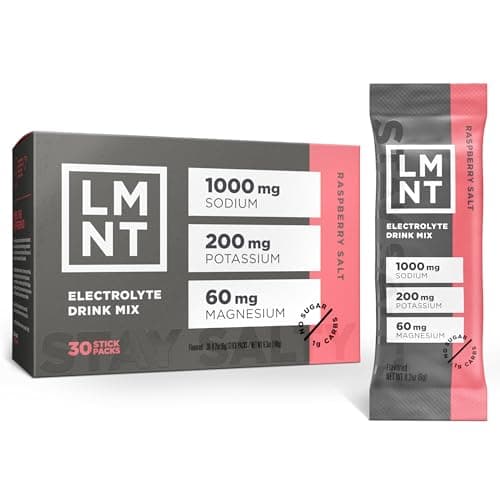
LMNT Zero Sugar Electrolytes - Raspberry Salt | Drink Mix | 30-Count Review (2026): Specs, Pros & Cons, and Who It's For
LMNT’s format is straightforward: a box of single-serve stick packs designed for easy mixing and portability. That makes it convenient for gym bags, travel, desk drawers, and daily hydration routines where convenience matters more than a large tub or scoop system.

What is the when to take vitamins timing guide? A Complete 2026 Guide
The when to take vitamins timing guide is a simple way to make supplement routines easier to remember and more effective to follow. If you’ve ever wondered whether vitamins should be taken in the morning, with food, or before bed, this guide explains the timing logic in plain English. It also highli