

Who this is for: Best for shoppers who want a research-based way to compare multivitamins for quality, value, and daily nutritional support.
Choosing a multivitamin sounds simple until you’re staring at dozens of bottles with different doses, “whole food” claims, and flashy wellness promises. The biggest mistake buyers make is assuming a multivitamin is automatically “better” just because it contains more ingredients or higher doses. This guide explains how to choose a multivitamin based on the factors that actually matter: nutrient form, third-party testing, dosage, and fit for your age, diet, and goals.
Related Reviews
Key Features to Look For
1) Third-party testing and quality certification
If you want a multivitamin you can trust, look for third-party verification such as USP or NSF whenever possible. These certifications help confirm that what’s on the label is in the bottle and that the product meets quality standards. That matters because supplements are not regulated like prescription drugs, so independent testing is one of the best ways to reduce risk.
2) Nutrient forms that are easy to absorb
Not all vitamins are created equal. Some forms, such as methylated B vitamins or certain chelated minerals, may be easier for the body to use than cheaper, less bioavailable forms. You don’t always need the “most advanced” formula, but the ingredient forms should make sense for your needs and not just inflate the label.
3) A balanced dose, not megadoses
More is not always better with multivitamins. A well-designed formula usually covers common shortfalls without pushing nutrients far above daily needs. Megadoses can be unnecessary at best and problematic at worst, especially if you already get some nutrients from food or other supplements.
4) The right formula for your age, sex, and lifestyle
A multivitamin for an active adult may differ from one designed for older adults, women, or men. Some formulas emphasize iron, calcium, or B vitamins, while others focus more on antioxidants or eye health. Choosing a product that matches your life stage and diet helps you avoid paying for nutrients you don’t need.
5) Ingredient transparency
Look for a label that clearly lists the exact vitamins, minerals, and amounts per serving. Transparent labeling makes it easier to compare products and spot underdosed formulas. It also helps you avoid “proprietary blend” style marketing that hides important details.
6) Allergen and additive profile
If you’re sensitive to common allergens or prefer a cleaner formula, check for unnecessary fillers, artificial colors, and allergens. This is especially important if you take a multivitamin daily and want something that fits long-term use. Cleaner formulas may also be easier to tolerate for people with sensitive stomachs.
7) Convenience and adherence
The best multivitamin is the one you’ll actually take consistently. One-a-day tablets or capsules are easier to stick with than complicated multi-pill regimens. If you dislike large tablets, have swallowing issues, or travel often, convenience should be part of your decision.
What to Avoid
Red flags that should make you pause
- No third-party verification: If a product makes quality claims but offers no independent testing or certification, that’s a caution sign.
- Overly aggressive dosing: Very high amounts of fat-soluble vitamins like A, D, E, and K can be a concern if you stack supplements.
- Vague “proprietary blend” language: You should know exactly what you’re taking and in what amount.
- Too many unnecessary extras: Some formulas add trendy ingredients that look impressive but don’t meaningfully improve the core multivitamin.
- Unclear target audience: A product that tries to be for everyone may be ideal for no one.
Common buyer mistakes
- Buying based only on price without checking the ingredient list
- Choosing the highest dose instead of the most appropriate dose
- Ignoring whether the formula is designed for men, women, or adults in general
- Overlooking pill size, serving count, and how long the bottle lasts
- Assuming a multivitamin replaces a balanced diet
Our Top Picks
Best budget-friendly daily option: One-Daily Multi-Vitamin Tablet, 200 Count by GeriCare

This is the practical pick for shoppers who want a simple once-daily multivitamin without paying premium pricing. Its appeal is straightforward: more than 10 vitamins and minerals, a one-tablet routine, and a large bottle that supports long-term use. It’s a sensible option if your main goal is filling basic nutrition gaps affordably.
- ✓ Very affordable daily cost
- ✓ Once-daily tablet is easy to remember
- ✓ Includes a broad mix of common vitamins and minerals
- ✓ large-count bottle adds convenience
- ✗ Less premium ingredient positioning than higher-end formulas
- ✗ No highlighted third-party certification in the listing
- ✗ Basic formula may not suit buyers looking for advanced nutrient forms
Best premium formula for ingredient quality: Pure Encapsulations O.N.E. Multivitamin, 120 Capsules


If you want a cleaner, more premium multivitamin, this is the standout choice in the list. The formula emphasizes highly bioavailable forms, includes cognitive and eye-health support ingredients, and is positioned as free from common allergens, artificial ingredients, and GMOs. It’s best for buyers who care more about ingredient quality than absolute lowest price.
- ✓ Highly bioavailable forms of key vitamins
- ✓ Includes extras like CoQ10, choline, lutein, and zeaxanthin
- ✓ Free from common allergens, artificial ingredients, and GMOs
- ✓ Strong fit for buyers who want a refined daily formula
- ✗ Higher price than mainstream options
- ✗ Distinct odor/taste may bother some users
- ✗ May be more formula than someone needs for basic coverage
Best value bulk buy: Daily Multiple Vitamins Compare to One A Day Essentials Multivitamin Multimineral Supplement 365 Tablets per Bottle Pack of 2 Total 730 Tablets


This option makes sense for shoppers who want a long-lasting supply and a lower cost per tablet. It focuses on core needs like physical and mental energy, immune support, and heart-support nutrients, which makes it a familiar style of everyday multivitamin. It’s a good fit if you prefer a stock-up purchase over a smaller premium bottle.
- ✓ Large quantity for long-term use
- ✓ Good value per tablet
- ✓ Covers common basics like energy, immunity, and heart support
- ✓ Convenient for repeat buyers
- ✗ Less premium positioning than higher-end formulas
- ✗ No standout specialty ingredients for advanced needs
- ✗ Best for general coverage, not targeted nutrition
Budget Guide: What You Get at Each Price Point
At this level, you’re usually looking at basic daily formulas that cover common vitamins and minerals without many premium extras. That can be enough for someone who wants simple nutritional support and a low-cost routine. The tradeoff is usually fewer specialty ingredients, less advanced nutrient forms, and less brand refinement.
This is the middle ground where many shoppers find the best balance of price and quality. You may see better ingredient transparency, broader formulas, and larger bottle sizes that improve value over time. For many buyers, this is the sweet spot if they want a dependable multivitamin without moving into luxury pricing.
Premium multivitamins often justify the price with cleaner formulas, better nutrient forms, and extras like antioxidant or cognitive support. These products are often aimed at buyers who are selective about ingredient quality and are willing to pay more for a more refined supplement. If you’re sensitive to fillers or want a more specialized formula, this tier is worth considering.
Frequently Asked Questions
What should I look for when choosing a multivitamin?
Focus on third-party testing, ingredient forms, appropriate dosage, and a formula that matches your age, sex, and dietary needs. The best multivitamin is the one that fills likely gaps without overcomplicating your routine.
Is a more expensive multivitamin always better?
No. Higher price can reflect better ingredient quality, cleaner formulas, or specialty nutrients, but it doesn’t automatically mean better for your body. The right choice depends on your needs, not just the label price.
Why are USP or NSF certifications important?
They help provide independent quality assurance that the product meets certain standards for identity, purity, and manufacturing. For supplement buyers, that’s one of the most useful trust signals available.
Should I choose a multivitamin for men, women, or adults?
Choose the formula that best matches your needs. Men’s and women’s formulas may differ in nutrients like iron or calcium, while general adult formulas can be a good fit if you want broad, everyday coverage.
Can a multivitamin replace a healthy diet?
No. A multivitamin can help fill gaps, but it cannot replace fruits, vegetables, protein, fiber, and other nutrients from food. It works best as a backup, not a substitute.
Pros
- + Third-party testing and certification matter
- + Bioavailable nutrient forms can improve fit
- + Balanced doses beat megadoses
- + Clean formulas reduce unnecessary additives
- + Convenient once-daily options improve consistency
Cons
- – Some premium formulas are expensive
- – Not all products list third-party certification
- – Megadose marketing can be misleading
- – Basic formulas may lack specialty nutrients
- – Large tablets or odors can hurt adherence
Frequently asked questions
- What should I look for when choosing a multivitamin?
- Focus on third-party testing, ingredient forms, appropriate dosage, and a formula that matches your age, sex, and dietary needs. The best multivitamin is the one that fills likely gaps without overcomplicating your routine.
- Is a more expensive multivitamin always better?
- No. Higher price can reflect better ingredient quality, cleaner formulas, or specialty nutrients, but it doesn’t automatically mean better for your body. The right choice depends on your needs, not just the label price.
- Why are USP or NSF certifications important?
- They help provide independent quality assurance that the product meets certain standards for identity, purity, and manufacturing. For supplement buyers, that’s one of the most useful trust signals available.
- Should I choose a multivitamin for men, women, or adults?
- Choose the formula that best matches your needs. Men’s and women’s formulas may differ in nutrients like iron or calcium, while general adult formulas can be a good fit if you want broad, everyday coverage.
- Can a multivitamin replace a healthy diet?
- No. A multivitamin can help fill gaps, but it cannot replace fruits, vegetables, protein, fiber, and other nutrients from food. It works best as a backup, not a substitute.
Get the Full Health & Fitness Buyer's Guide
Join our free newsletter — we'll send our latest Health & Fitness picks, specs and verdicts straight to your inbox.
Free. No spam. Unsubscribe anytime.
Was this review helpful?
Be the first to share your feedback on this review.
Sign in to vote and let us know what you think.
Discussion (0)
No comments yet. Be the first to start the discussion.
Related Reviews

MegaFood One Daily Review (2026): Specs, Pros & Cons, and Who It's For
Check Price on Amazon →

OmegaVia Fish Oil vs Nordic Naturals Ultimate Omega (2026): Which Should You Actually Buy?
OmegaVia is positioned as the more concentrated, premium-style fish oil, and its design story is built around potency and digestion. The enteric coating is meant to reduce fishy burps by delaying dissolution until the intestines, which is a major usability advantage for sensitive users.
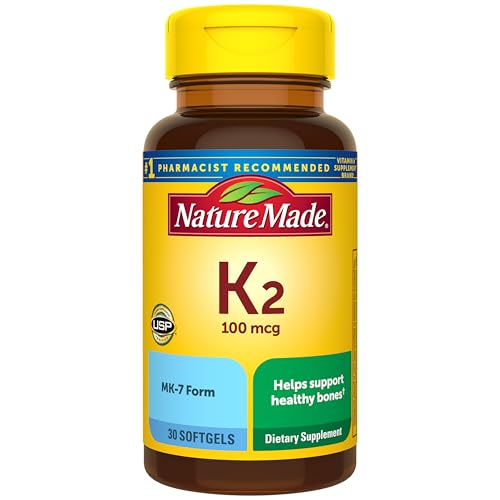
8 Best Vitamin K2 Supplements in 2026 — Top Picks for Bone Support and Better Absorption
If you’re trying to find the best vitamin K2 supplements 2026 has to offer, the challenge is sorting through MK-4 vs. MK-7, capsule vs. softgel, and a lot of marketing noise. This guide narrows the field to researched options with clear ingredient forms, practical daily dosing, and strong quality si