

Who this is for: Best for readers who want to understand vitamin solubility and choose the right supplement for absorption and daily use.
Check PriceWhat is Fat Soluble vs Water Soluble Vitamins? A Complete 2026 Guide
Understanding fat soluble vs water soluble vitamins can be confusing if you just want to know what your body absorbs, stores, and needs daily. The short version: fat-soluble vitamins are absorbed with dietary fat and stored longer, while water-soluble vitamins dissolve in water and are generally used or excreted more quickly. This guide explains the difference in plain English and shows which supplements may make sense based on real-world use cases and product specs.
Related Reviews
How It Works
Vitamins are grouped by how they dissolve and move through the body. That matters because solubility affects absorption, storage, dosing frequency, and the risk of deficiency or buildup.
Fat-soluble vitamins
Fat-soluble vitamins include A, D, E, and K. Your body absorbs them best when they’re taken with dietary fat, then stores them in the liver and fatty tissues for later use. Because they can be stored, you may not need them as often as water-soluble vitamins, but taking too much over time can be a concern.
Water-soluble vitamins
Water-soluble vitamins include the B-complex family and vitamin C. They dissolve in water, are absorbed more directly, and excess amounts are usually excreted in urine. Since the body stores less of these, they often need to be replenished more regularly through food or supplements.
Why this matters for supplements
Some formulas are designed to improve absorption by changing the delivery method. For example, water-miscible or liquid versions may help people who struggle with fat absorption, while traditional fat-soluble formulas may be ideal when taken with meals that contain fat.
Key Benefits & Use Cases
Knowing the difference between fat- and water-soluble vitamins helps you choose the right product for your routine and health needs.
1) Better absorption planning
If you take fat-soluble vitamins, meal timing matters more. Taking them with food that contains fat can improve uptake. Water-soluble vitamins are usually more flexible and can often be taken with or without food, depending on the label.
2) Smarter supplement selection
People with digestive issues, bariatric surgery history, or fat malabsorption may need specially formulated products. In contrast, someone looking for general daily support may prefer a standard multivitamin or B-vitamin supplement.
3) Lower risk of waste
Choosing the right solubility can help you avoid paying for a supplement your body may not absorb well. It can also reduce the chance of taking a product in a way that limits its effectiveness.
4) More targeted nutrition support
Fat-soluble vitamins are often associated with eye, bone, skin, and antioxidant support. Water-soluble vitamins are commonly used for energy metabolism, nervous system support, and replenishing daily nutrient intake.
5) Helpful for specific diets or medical needs
Some formulas are built for post-surgery nutrition, restricted diets, or people who need a more absorbable delivery system. That makes solubility an important buying factor, not just a chemistry detail.
What to Look For When Buying
When comparing products related to fat soluble vs water soluble vitamins, focus on these five criteria:
1) Vitamin form
Look for the actual vitamin forms listed on the label. For example, vitamin A may appear as beta carotene or palmitate, while vitamin E may be listed as tocopherols or in a water-soluble liquid format.
2) Absorption support
Check whether the formula is designed for better uptake. Water-miscible, fast-dissolving, or liquid delivery systems may be useful if you have digestion or absorption concerns.
3) Ingredient purity
Review allergen information and exclusions such as gluten, dairy, soy, eggs, nuts, or GMOs. This matters especially if you are using supplements daily.
4) Dosing convenience
Consider capsule size, serving count, and whether the product is easy to mix, swallow, or split. If you’ll use it consistently, convenience matters.
5) Intended use case
Pick a formula that matches your goal: general wellness, bariatric support, targeted vitamin E supplementation, or broad fat-soluble coverage. The best product is the one designed for your situation.
Top Recommended Products
Below are research-based product options from the provided list. These are not hands-on test results; they’re based on published specs, ingredient panels, and documented product positioning.
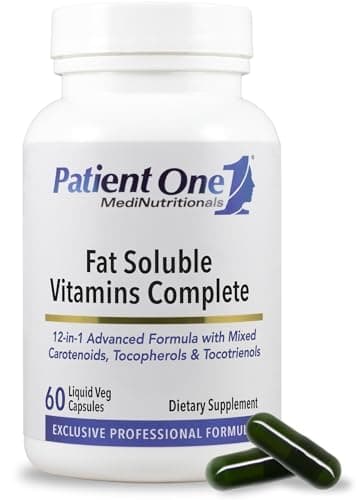
Patient One Fat Soluble Vitamins Complete | A, D3, E, K2 | 60 Capsules ✓ Prime $50.00

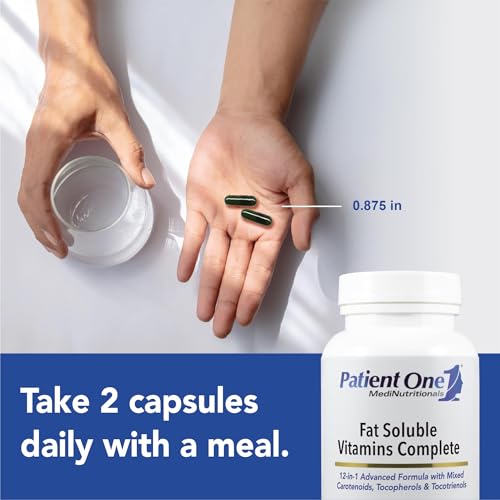
This formula is built for people who want broad fat-soluble coverage in one bottle. Its ingredient profile emphasizes vitamins A, D, E, and K alongside carotenoids and antioxidant-supporting compounds, making it a strong all-in-one option for general fat-soluble vitamin support.
- ✓ Broad-spectrum fat-soluble formula with A, D, E, and K2
- ✓ Includes mixed carotenoids and antioxidant ingredients
- ✓ Free from common allergens like gluten, wheat, nuts, and shellfish
- ✓ Manufactured in an NSF-certified, GMP facility
- ✓ Trusted by healthcare practitioners, according to the brand
- ✗ Higher price than simpler single-nutrient options
- ✗ May be more than some buyers need for basic supplementation
- ✗ Fat-soluble formulas are best taken with meals, which adds a timing step
Vita4Life!® ADEK Fat Soluble Vitamins A D E K - High Absorption Bariatric Multivitamin - No Iron Formula with B-Complex & Calcium - 60 Fast Dissolving Capsules for Post Surgery & General Health ✓ Prime $34.95
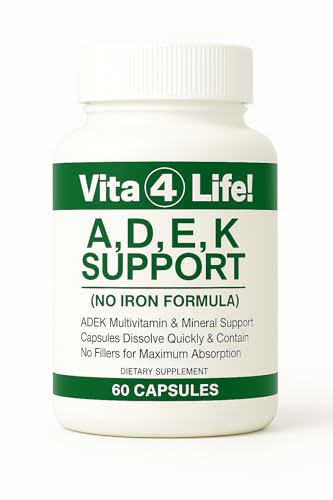


This is the most specialized option in the list, designed for high absorption and bariatric use cases. The product description highlights water-miscible fat-soluble vitamins, fast-dissolving capsules, and a formula intended for people who may not absorb nutrients well through standard supplements.
- ✓ Water-miscible delivery for improved absorption without dietary fat
- ✓ Fast-dissolving capsules for easier use
- ✓ Includes ADEK plus B-complex and calcium
- ✓ Iron-free and positioned for bariatric/post-surgery needs
- ✓ GMO-free and vegetarian formula
- ✗ More specialized than a general-purpose vitamin
- ✗ Not necessary for buyers without absorption concerns
- ✗ Complex formula may be overkill if you only want one nutrient
DEAL SUPPLEMENT Vitamin B1 500mg with Benfotiamine, 240 Capsules – 2 in 1 Enhanced Formula – Fat & Water Soluble Thiamine B1 Supplement – Third Party Tested, Non-GMO, No Gluten ✓ Prime $19.95
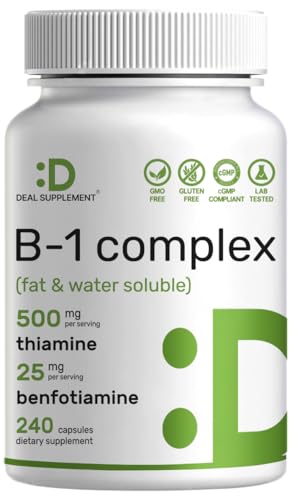

This product is the best fit if you want a water- and fat-soluble thiamine option in a high-count bottle. It focuses on vitamin B1 support, energy metabolism, and bioavailability, making it a more targeted choice than a broad multivitamin.
- ✓ High-dose vitamin B1 with benfotiamine
- ✓ Combines fat- and water-soluble forms for bioavailability
- ✓ Large 240-capsule bottle offers strong value per serving
- ✓ Third-party tested and non-GMO
- ✓ Free from gluten, dairy, eggs, soy, wheat, yeast, and tree nuts
- ✗ Only addresses one vitamin, not a full vitamin set
- ✗ High potency may be unnecessary for casual users
- ✗ Best for people specifically seeking B1 support
Aqua-E Concentrate 75 IU/ml, 60 ml Bottle, Water-Soluble Liquid Vitamin E ✓ Prime $63.94
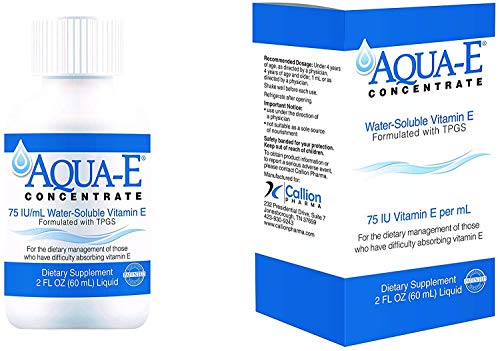
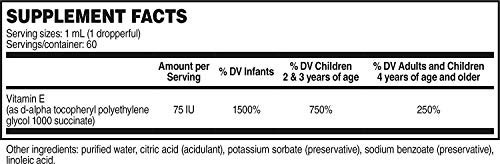
This is the most direct example of a water-soluble vitamin product in the list. It is designed for easy mixing, scaled dosing, and improved absorption delivery, which can be especially useful if you want vitamin E without relying on a traditional fat-based capsule.
- ✓ Water-soluble liquid vitamin E format
- ✓ Designed for high absorbability
- ✓ Easy to mix with water, milk, or beverages
- ✓ Allows flexible dosing based on need
- ✓ Gluten-free and free from flavors, colors, and sweeteners
- ✗ More expensive than many standard vitamin E products
- ✗ Liquid format may be less convenient for some users
- ✗ Mainly suited to people who specifically need vitamin E support
Common Mistakes to Avoid
1) Taking fat-soluble vitamins on an empty stomach
Fat-soluble vitamins are generally absorbed better with food that contains fat. Taking them without a meal may reduce how well your body uses them.
2) Assuming all vitamins behave the same
Water-soluble vitamins and fat-soluble vitamins do not act the same in the body. Their storage, absorption, and dosing patterns are different, so the label matters.
3) Overlooking special absorption needs
If you have digestive issues or have had bariatric surgery, a standard formula may not be the best fit. In those cases, a water-miscible or fast-dissolving option may be more appropriate.
4) Buying based on the name alone
Look at the actual ingredient forms and delivery method. A product labeled “complete” may still be better for a specific audience than for general use.
5) Ignoring total daily intake
Because fat-soluble vitamins can be stored, it’s important not to stack multiple supplements without checking totals. More is not always better.
Frequently Asked Questions
What is the difference between fat soluble and water soluble vitamins?
Fat-soluble vitamins dissolve in fat, are absorbed better with meals, and can be stored in the body. Water-soluble vitamins dissolve in water, are absorbed differently, and are usually excreted more quickly.
Which vitamins are fat soluble?
The main fat-soluble vitamins are A, D, E, and K. These are typically taken with food for better absorption.
Which vitamins are water soluble?
Water-soluble vitamins include vitamin C and the B-complex vitamins. They generally need more regular replenishment because the body stores less of them.
Should I take fat-soluble vitamins with food?
Yes, in most cases fat-soluble vitamins are better absorbed with a meal that contains fat. Always follow the product label or your healthcare professional’s guidance.
Who might need a water-miscible vitamin formula?
People with absorption issues, bariatric surgery history, or difficulty absorbing fat may benefit from water-miscible or liquid vitamin formulas designed for easier uptake.
Pros
- + Explains absorption differences in plain English
- + Helps match vitamin type to real-world needs
- + Includes specialized and general-use product options
- + Highlights key buying criteria and common mistakes
- + Uses research-based product specs and positioning
Cons
- – Does not replace medical advice or lab testing
- – Some products are specialized rather than general-purpose
- – Water-soluble and fat-soluble needs can vary by person
Frequently asked questions
- What is the difference between fat soluble and water soluble vitamins?
- Fat-soluble vitamins dissolve in fat, are absorbed better with meals, and can be stored in the body. Water-soluble vitamins dissolve in water, are absorbed differently, and are usually excreted more quickly.
- Which vitamins are fat soluble?
- The main fat-soluble vitamins are A, D, E, and K. These are typically taken with food for better absorption.
- Which vitamins are water soluble?
- Water-soluble vitamins include vitamin C and the B-complex vitamins. They generally need more regular replenishment because the body stores less of them.
- Should I take fat-soluble vitamins with food?
- Yes, in most cases fat-soluble vitamins are better absorbed with a meal that contains fat. Always follow the product label or your healthcare professional’s guidance.
- Who might need a water-miscible vitamin formula?
- People with absorption issues, bariatric surgery history, or difficulty absorbing fat may benefit from water-miscible or liquid vitamin formulas designed for easier uptake.
Get the Full Health & Fitness Buyer's Guide
Join our free newsletter — we'll send our latest Health & Fitness picks, specs and verdicts straight to your inbox.
Free. No spam. Unsubscribe anytime.
Was this review helpful?
Be the first to share your feedback on this review.
Sign in to vote and let us know what you think.
Discussion (0)
No comments yet. Be the first to start the discussion.
Related Reviews
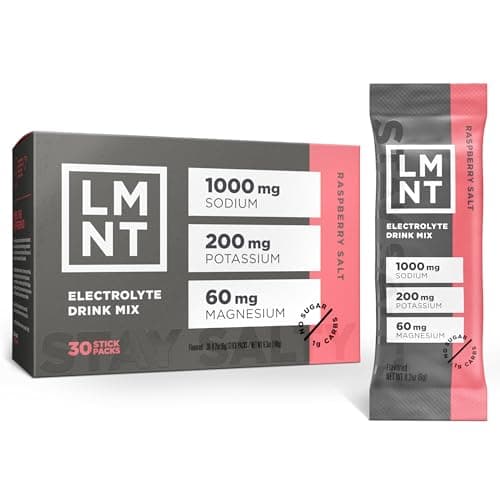
LMNT Zero Sugar Electrolytes - Raspberry Salt | Drink Mix | 30-Count Review (2026): Specs, Pros & Cons, and Who It's For
LMNT’s format is straightforward: a box of single-serve stick packs designed for easy mixing and portability. That makes it convenient for gym bags, travel, desk drawers, and daily hydration routines where convenience matters more than a large tub or scoop system.
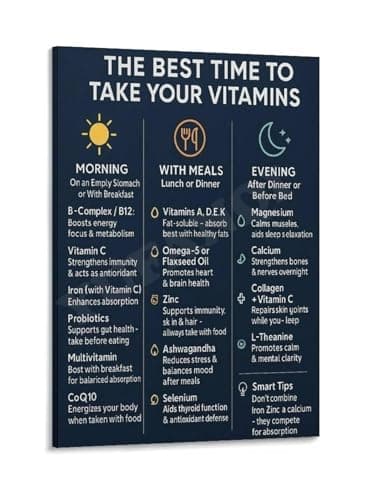
What is the when to take vitamins timing guide? A Complete 2026 Guide
The when to take vitamins timing guide is a simple way to make supplement routines easier to remember and more effective to follow. If you’ve ever wondered whether vitamins should be taken in the morning, with food, or before bed, this guide explains the timing logic in plain English. It also highli
8 Best B12 Supplements in 2026 — Top Picks for Energy, Absorption, and Everyday Value
If you’re shopping for the best B12 supplements, the hardest part is usually sorting through dosage, form, price, and whether a product is actually worth buying. This roundup narrows the field to eight researched options that stand out for value, convenience, potency, or premium quality. We based th