
Who this is for: Best for shoppers comparing whey vs plant protein who want a simple, research-based choice for muscle support, digestion, and dietary fit.
Check PriceWhat is Whey vs Plant Protein? A Complete 2026 Guide
If you’re trying to decide between whey vs plant protein, the real challenge is usually not “which is healthier?” but “which one fits my body, diet, and fitness goals best?” The answer depends on how each protein is made, how quickly it digests, and how well it supports muscle recovery, digestion, and daily convenience. This guide breaks down the differences in plain English so you can choose with confidence.
Related Reviews
How It Works
Protein powders work by supplying your body with amino acids, the building blocks it uses to repair muscle tissue, support recovery, and help you meet daily protein targets. The main difference in whey vs plant protein is the source: whey comes from milk, while plant protein is usually made from peas, rice, soy, hemp, fava bean, or blended plant sources.
Whey is considered a complete protein and is naturally rich in leucine, an amino acid strongly associated with muscle protein synthesis. It also tends to digest quickly, which is why many people use it after workouts or as a fast, easy snack.
Plant protein can also be complete, especially when brands combine complementary sources like pea and rice or add amino acids to improve the profile. It often digests a bit more slowly and may be easier for people who avoid dairy, but quality varies more by formula, so ingredient blends matter a lot.
Key Benefits & Use Cases
When whey protein makes sense
Whey is often the better fit if your priority is fast post-workout recovery, strong amino acid density, and simple mixing. It’s also a common choice for people who want a high-protein supplement with minimal carbs and a familiar taste profile.
When plant protein makes sense
Plant protein is a strong option if you’re vegan, dairy-free, lactose-sensitive, or prefer a more flexible ingredient profile. Many plant formulas also add fiber or use organic ingredients, which can appeal to people who want a more all-around nutrition boost rather than just protein alone.
Best use cases by goal
- Muscle gain: Whey is often favored for its leucine content and fast absorption.
- Vegan nutrition: Plant protein is the clear choice for dairy-free diets.
- Digestive comfort: Plant protein may be easier for some people who don’t tolerate dairy well.
- Convenience: Both can work in shakes, smoothies, oats, and baking.
- Everyday protein support: Either can help close protein gaps if the formula is high quality.
What to Look For When Buying
1. Protein per serving
Check how much actual protein you get in each scoop. For whey vs plant protein, many buyers focus on the protein number first because it determines how efficiently the powder helps you hit your daily target.
2. Amino acid profile
Look for a complete amino acid profile or a blend that includes all essential amino acids. Whey naturally does this well, while plant protein formulas may need smart blending to match it.
3. Ingredient simplicity
If you want fewer extras, choose a formula with a short ingredient list. Some people prefer simple whey powders, while others want plant-based powders with organic ingredients and no artificial additives.
4. Digestibility and dietary needs
Consider lactose, dairy, gluten, soy, and sugar content. Plant protein is often the safer pick for dairy-free shoppers, while whey may be fine for those who tolerate milk well.
5. Taste, texture, and mixability
The “best” protein is the one you’ll actually use consistently. Reviews often mention that some plant proteins are thicker or earthier, while whey can be smoother and more neutral depending on the brand.
Top Recommended Products
NAKED Whey 2LB 100% Grass Fed Whey Protein Powder ✓ Prime $44.99
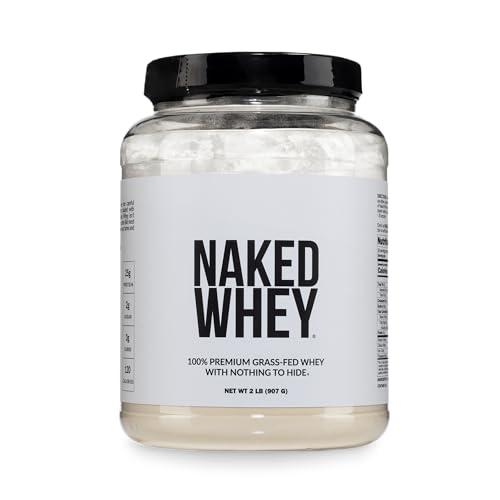


For shoppers who want a straightforward whey option, this formula stands out for its single-ingredient approach and strong protein density. Research-based comparisons and owner feedback often favor it for people who want minimal extras and a clean, customizable base for shakes or recipes.
- ✓ 100% grass-fed whey with only one ingredient
- ✓ 25g protein per serving with 5.9g BCAAs
- ✓ NSF Certified for purity and safety
- ✓ No artificial sweeteners, flavors, or colors
- ✓ Good fit for post-workout shakes and simple mixing
- ✗ Not suitable for dairy-free or vegan diets
- ✗ Unflavored taste may not appeal to everyone
- ✗ Higher price than some mainstream protein powders
Orgain Organic Vegan Protein Powder, Vanilla Bean ✓ Prime 11% OFF — Was $29.97 $29.59
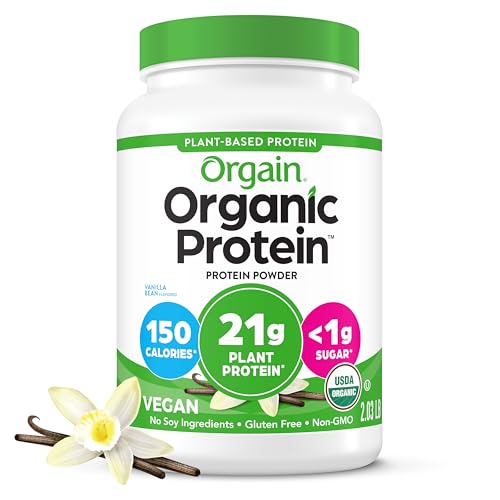


This is a strong plant protein pick for people who want a more lifestyle-friendly formula with organic ingredients and added fiber. It’s especially appealing if you’re comparing whey vs plant protein and want a dairy-free option that still covers all essential amino acids.
- ✓ 21g organic plant protein per serving
- ✓ Includes 6g prebiotic fiber for added gut support
- ✓ No lactose ingredients, no added sugar, and non-GMO
- ✓ USDA Organic and certified plant-based
- ✓ Flexible for shakes, smoothies, oats, and baking
- ✗ Lower protein per serving than some whey options
- ✗ Texture and taste may not suit everyone
- ✗ Contains multiple ingredients, not a minimal formula
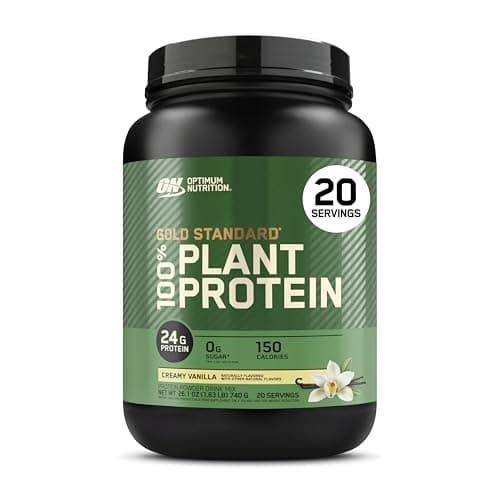
Optimum Nutrition Gold Standard 100% Plant Based Protein Powder, Gluten Free, Vegan Protein for Muscle Support and Recovery with Amino Acids - Creamy Vanilla, 20 Servings (Packaging May Vary) ✓ Prime $34.99
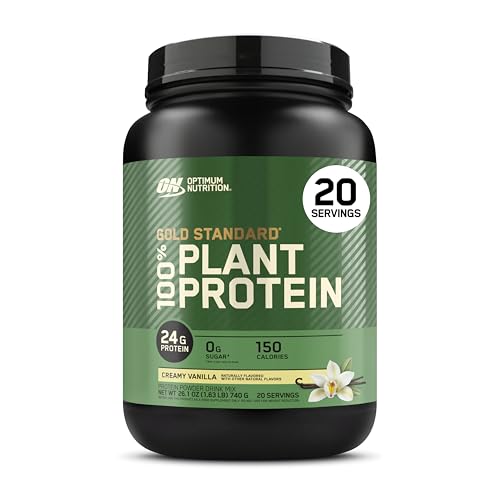


This plant-based formula is a good middle ground for buyers who want a trusted sports-nutrition brand without dairy. With a blend of pea, rice, and fava bean protein, it’s designed to compete more directly with whey in muscle-support use cases.
- ✓ 24g plant protein per serving
- ✓ Blend of pea, rice, and fava bean protein
- ✓ 9 essential amino acids / BCAAs
- ✓ Gluten-free, vegan, and 0g sugar
- ✓ Banned substance tested with strong quality control
- ✗ Only 20 servings per container
- ✗ Plant blend may not mix as smoothly as whey for some users
- ✗ More expensive per serving than some budget options
Optimum Nutrition Gold Standard 100% Plant Based Protein Powder, Gluten Free, Vegan Protein for Muscle Support and Recovery with Amino Acids - Rich Chocolate Fudge, 20 Servings (Packaging May Vary) ✓ Prime $34.99
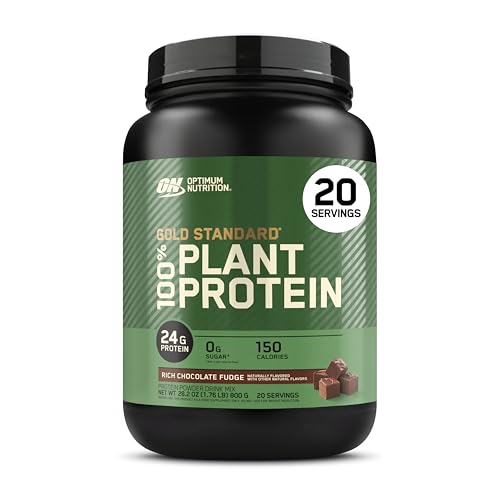


If you prefer a chocolate flavor and still want a plant-based formula, this version offers the same core benefits as the vanilla variant. It’s a practical pick for shoppers who want plant protein with a more dessert-like taste profile.
- ✓ 24g plant protein per serving
- ✓ Pea, rice, and fava bean blend
- ✓ 9 essential amino acids / BCAAs
- ✓ Gluten-free, vegan, and 0g sugar
- ✓ Strong brand reputation in sports nutrition
- ✗ Only 20 servings per container
- ✗ Flavor preference is subjective
- ✗ Not a whey option for those prioritizing dairy protein
Common Mistakes to Avoid
Choosing based on marketing alone
Don’t assume “clean,” “natural,” or “sports” automatically means better. In whey vs plant protein, the ingredient panel and protein content matter more than front-label claims.
Ignoring dietary tolerance
If whey bothers your stomach or you avoid dairy, forcing it usually backfires. Likewise, if a plant blend causes bloating or you dislike the texture, a different formula may be a better fit.
Overlooking serving size
Some powders look high in protein until you compare scoop size and servings per container. Always check the protein-per-dollar and protein-per-serving numbers before buying.
Assuming all plant proteins are equal
Plant protein quality varies widely. Look for blends with complete amino acids or clearly stated muscle-support features rather than assuming every vegan powder is equally effective.
Expecting protein powder to do all the work
Protein powder is a convenience tool, not a magic fix. It works best when paired with enough total daily protein, consistent training, and an overall balanced diet.
Frequently Asked Questions
Is whey better than plant protein for muscle building?
Whey is often favored for muscle building because it naturally contains more leucine and digests quickly. That said, a high-quality plant protein can still support muscle growth if it provides enough total protein and a complete amino acid profile.
Is plant protein easier to digest than whey?
For many people who avoid dairy, plant protein is easier to tolerate than whey. However, some plant powders can cause bloating depending on the fiber content, sweeteners, or specific ingredients used.
Can I use plant protein instead of whey after workouts?
Yes, plant protein can absolutely be used after workouts. The main difference is that some plant formulas may require a bit more attention to protein quality and serving size to match whey’s amino acid profile.
Which is better for lactose intolerance: whey or plant protein?
Plant protein is usually the safer choice for lactose intolerance because it contains no dairy. Some whey isolates are very low in lactose, but plant protein is the more straightforward option for many people.
What should I choose if I want the most versatile option?
If you want the most versatile option, choose based on your diet first: whey if you tolerate dairy and want a fast, high-leucine protein; plant protein if you want a vegan or dairy-free formula with broader lifestyle flexibility.
Pros
- + Whey offers fast-digesting, high-leucine protein
- + Plant protein is dairy-free and vegan-friendly
- + Some plant blends add fiber and organic ingredients
- + Quality formulas can support muscle recovery and daily protein needs
Cons
- – Plant protein quality varies by blend
- – Whey is not suitable for dairy-free diets
- – Some powders can taste gritty or earthy
- – Not every formula mixes equally well
Frequently asked questions
- Is whey better than plant protein for muscle building?
- Whey is often favored for muscle building because it naturally contains more leucine and digests quickly. That said, a high-quality plant protein can still support muscle growth if it provides enough total protein and a complete amino acid profile.
- Is plant protein easier to digest than whey?
- For many people who avoid dairy, plant protein is easier to tolerate than whey. However, some plant powders can cause bloating depending on the fiber content, sweeteners, or specific ingredients used.
- Can I use plant protein instead of whey after workouts?
- Yes, plant protein can absolutely be used after workouts. The main difference is that some plant formulas may require a bit more attention to protein quality and serving size to match whey’s amino acid profile.
- Which is better for lactose intolerance: whey or plant protein?
- Plant protein is usually the safer choice for lactose intolerance because it contains no dairy. Some whey isolates are very low in lactose, but plant protein is the more straightforward option for many people.
- What should I choose if I want the most versatile option?
- If you want the most versatile option, choose based on your diet first: whey if you tolerate dairy and want a fast, high-leucine protein; plant protein if you want a vegan or dairy-free formula with broader lifestyle flexibility.
Get the Full Health & Fitness Buyer's Guide
Join our free newsletter — we'll send our latest Health & Fitness picks, specs and verdicts straight to your inbox.
Free. No spam. Unsubscribe anytime.
Was this review helpful?
Be the first to share your feedback on this review.
Sign in to vote and let us know what you think.
Discussion (0)
No comments yet. Be the first to start the discussion.
Related Reviews

How to Choose the Best Smart Water Bottle for Hydration Tracking in 2026: Complete Buying Guide
If you’re trying to figure out how to choose a smart water bottle for hydration tracking , the biggest challenge is separating useful tracking features from gimmicks that look smart but don’t actually help you drink more water. The right bottle can make hydration effortless with reminders, automatic
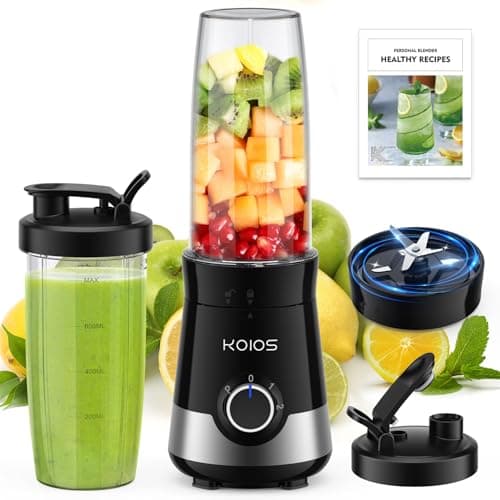
How to Choose the Best Blender for Protein Shakes and Smoothies in 2026: Complete Buying Guide
If you’re trying to figure out how to choose a blender for protein shakes and smoothies , the biggest challenge is avoiding a machine that looks powerful on paper but leaves you with gritty shakes, stuck ingredients, or a motor that struggles with ice. The right blender should handle daily protein p
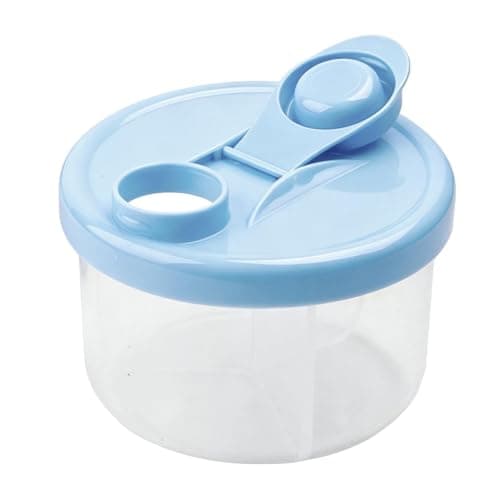
Best Protein Powder Dispensers for Every Budget in 2026: Ranked by Price & Performance
If you’re shopping for the best protein powder dispensers under $200 , the real challenge isn’t finding something expensive—it’s finding a dispenser that pours cleanly, stores powder securely, and fits your routine without waste. Budget picks are usually the most practical, while mid-range options t