
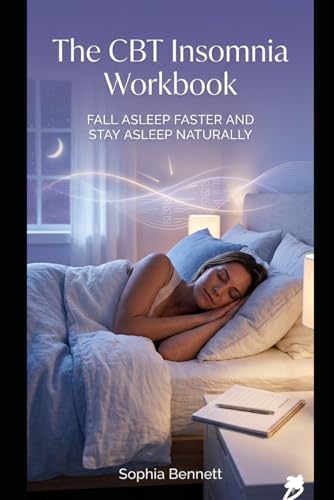
Who this is for: Best for readers who want practical, research-informed help falling asleep faster without relying on quick fixes.
Check PriceWhat is How to Fall Asleep Faster? A Complete 2026 Guide
If you keep staring at the ceiling and wondering how to fall asleep faster, you are not alone. Trouble falling asleep is one of the most common sleep complaints, and it can leave you drained, foggy, and frustrated the next day. This guide explains what actually helps, how the process works, what to look for if you want a sleep-focused resource, and which researched products are worth considering.
Related Reviews
In simple terms, falling asleep faster means helping your brain and body move from alertness into sleep readiness with less resistance. That usually involves reducing mental stimulation, lowering stress, and building a consistent routine that signals “sleep now” to your nervous system. The right approach is less about forcing sleep and more about removing the things that keep it away.
This is a research-based educational explainer built from published guidance, product details, and owner feedback patterns — not hands-on testing. If your goal is to learn practical ways to get to sleep more quickly and naturally, the sections below will help you understand the process and choose a helpful resource.
How It Works
Falling asleep is a biological transition, not a switch you flip. Your brain has to reduce alertness, your body temperature needs to drop slightly, and your stress response needs to quiet down. When those conditions line up, sleep onset becomes easier and usually happens faster.
For many people, the biggest obstacle is mental overactivity. Racing thoughts, stress, irregular schedules, screens, caffeine, and inconsistent bedtime habits can all keep the brain in “day mode.” Sleep-focused methods work by interrupting that loop and replacing it with signals that support relaxation and drowsiness.
Behavioral sleep strategies are especially important because they address the habits that shape sleep onset over time. Instead of relying on a quick fix, they focus on repeatable routines, cognitive tools, and environment changes that make sleep more likely. That is why many of the best resources on this topic emphasize practical, step-by-step behavior changes rather than gimmicks.
Key Benefits & Use Cases
Learning how to fall asleep faster can improve more than just bedtime. When sleep onset gets easier, you may spend less time awake in bed, feel less anxious about sleep, and wake up with a better chance of getting enough total rest. Over time, that can support energy, focus, and mood.
Common use cases
- Stress-related insomnia: Helpful when your mind feels “too busy” at night.
- Irregular sleep schedules: Useful if bedtime varies and your body clock feels out of sync.
- Sleep anxiety: Good for people who dread bedtime because falling asleep has become a struggle.
- Family or child sleep support: Some resources are designed to help children calm down and settle more easily.
- Natural sleep improvement: Ideal if you want a non-drug approach to better sleep habits.
In other words, the best sleep resources are often not just about sleep itself. They also help with calming the mind, reducing bedtime friction, and building routines that make sleep onset more predictable.
What to Look For When Buying
If you are shopping for a book or guide on how to fall asleep faster, these five criteria matter most:
1) Clear, practical guidance
Look for a resource that gives step-by-step actions you can actually follow at night, not just broad advice like “relax more.” The best guides translate sleep science into simple routines.
2) Evidence-based approach
Prioritize materials grounded in behavioral sleep strategies, cognitive techniques, and established insomnia principles. That usually means less hype and more useful structure.
3) Focus on sleep onset, not just sleep quality
Some books discuss general wellness, but you want one that directly targets the problem of falling asleep more quickly. The title and chapter topics should reflect that.
4) Fit for your situation
Choose a resource that matches your needs — adult insomnia, staying asleep, calming the mind, or helping a child relax at bedtime. A better fit usually means better follow-through.
5) Reader feedback and accessibility
Check reviews for signs that the advice is easy to understand, realistic, and not overly complicated. A low-cost, accessible guide can be a smart way to start before spending more on sleep solutions.
Top Recommended Products
Below are the researched products from the provided list. These are educational resources rather than medical treatments, and each one takes a slightly different angle on sleep onset, calming the mind, or bedtime routines.
The CBT Insomnia Workbook: Fall Asleep Faster and Stay Asleep Naturally
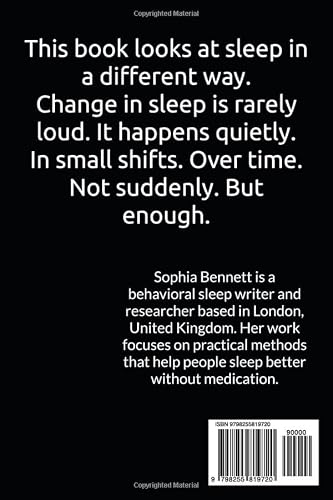
This workbook is the strongest overall choice if you want a structured, behavior-based approach. The CBT angle is especially useful because cognitive behavioral methods are widely associated with practical insomnia support and long-term habit change.
- ✓ Focuses on falling asleep faster and staying asleep naturally
- ✓ Workbook format can make the advice more actionable
- ✓ CBT-based framing is well aligned with evidence-based sleep strategies
- ✓ Good fit for readers who want a more systematic plan
- ✗ May feel more structured than casual readers want
- ✗ Best for people willing to do the exercises, not just read passively
Sleep Uninterrupted : How to Fall Asleep Faster, Stay Asleep All Night, and Wake Up Energized

If you want a very affordable starting point, this is an easy entry option. It covers the full sleep cycle, but the title makes it clear that falling asleep faster is one of the central goals.
- ✓ Extremely low price makes it low-risk to try
- ✓ Covers both sleep onset and staying asleep
- ✓ A broad sleep-improvement angle may suit beginners
- ✗ May be less in-depth than a workbook-style resource
- ✗ Broad scope may not be as targeted for readers with a specific insomnia pattern
Insomnia Is Not Your Destiny: A Practical Guide to Falling Asleep, Staying Asleep, Calming the Mind, and Restoring Healthy Sleep Without Quick Fixes Show more lines (Not Your Destiny Health Series) Check Amazon for price

This option is a strong fit for readers who want a calm, practical, no-hype approach. Its focus on calming the mind and avoiding quick fixes makes it appealing if your sleep issues are tied to stress or overthinking.
- ✓ Practical framing for falling asleep and calming the mind
- ✓ Emphasizes healthy sleep habits rather than shortcuts
- ✓ Broad enough to help with both onset and maintenance issues
- ✗ Title is long and may feel less streamlined than the others
- ✗ Price is not listed clearly, which makes comparison harder
Angry Octopus: Children Learn How to Control Anger, Reduce Stress and Fall Asleep Faster.

This is the best pick for children who need help settling down at bedtime. Its stress-reduction and anger-control angle makes it especially relevant when emotional regulation is part of the sleep problem.
- ✓ Designed specifically for children
- ✓ Combines stress reduction with bedtime support
- ✓ Discounted price adds value
- ✗ Not intended as an adult insomnia guide
- ✗ Narrower use case than the other options
Common Mistakes to Avoid
Even when people know the basics of how to fall asleep faster, a few common mistakes can keep them stuck. Avoiding these can make a bigger difference than chasing the latest sleep trend.
- Trying to force sleep: The more you pressure yourself to sleep, the more alert you can become.
- Using the bed for wakeful activities: Working, scrolling, or worrying in bed can weaken the mental link between bed and sleep.
- Ignoring consistency: A random bedtime often leads to a random sleep onset.
- Relying on quick fixes only: Short-term tricks may help occasionally, but habits usually matter more.
- Overlooking stress and stimulation: Late caffeine, intense screen time, and unresolved stress can all delay sleep.
The best long-term results usually come from a combination of routine, environment, and mindset changes. If sleep problems are persistent or severe, it is wise to speak with a qualified healthcare professional.
Frequently Asked Questions
1) What is the fastest way to fall asleep?
The fastest path usually involves lowering stimulation, keeping a consistent bedtime routine, and using a calm, repeatable wind-down process. Techniques that reduce mental arousal tend to help more than trying to “make” sleep happen.
2) Why do I take so long to fall asleep?
Common reasons include stress, irregular sleep schedules, too much screen time, caffeine, and anxiety about sleep itself. In many cases, the brain stays in an alert state longer than it should.
3) Can a book really help me fall asleep faster?
Yes, if it teaches practical habits, relaxation strategies, and evidence-based sleep routines. A good sleep book can help you understand what is keeping you awake and how to change it.
4) What should I look for in a sleep book?
Look for clear steps, evidence-based advice, a focus on sleep onset, and a format that matches your needs. Reader feedback also helps show whether the advice is realistic and easy to follow.
5) Which product is best for children who struggle to settle at night?
Angry Octopus: Children Learn How to Control Anger, Reduce Stress and Fall Asleep Faster. is the most child-focused option in this list and is designed around calming emotions and bedtime relaxation.
Pros
- + Evidence-based sleep guidance
- + Practical steps for bedtime routines
- + Options for adults and children
- + Low-cost entry picks available
- + Prime convenience on all listed items
Cons
- – Not a medical treatment
- – Some titles are broad rather than highly targeted
- – One product has no clear listed price
- – Child-specific title is not for adults
Frequently asked questions
- What is the fastest way to fall asleep?
- The fastest path usually involves lowering stimulation, keeping a consistent bedtime routine, and using a calm, repeatable wind-down process. Techniques that reduce mental arousal tend to help more than trying to make sleep happen.
- Why do I take so long to fall asleep?
- Common reasons include stress, irregular sleep schedules, too much screen time, caffeine, and anxiety about sleep itself. In many cases, the brain stays in an alert state longer than it should.
- Can a book really help me fall asleep faster?
- Yes, if it teaches practical habits, relaxation strategies, and evidence-based sleep routines. A good sleep book can help you understand what is keeping you awake and how to change it.
- What should I look for in a sleep book?
- Look for clear steps, evidence-based advice, a focus on sleep onset, and a format that matches your needs. Reader feedback also helps show whether the advice is realistic and easy to follow.
- Which product is best for children who struggle to settle at night?
- Angry Octopus: Children Learn How to Control Anger, Reduce Stress and Fall Asleep Faster. is the most child-focused option in this list and is designed around calming emotions and bedtime relaxation.
Get the Full Health & Fitness Buyer's Guide
Join our free newsletter — we'll send our latest Health & Fitness picks, specs and verdicts straight to your inbox.
Free. No spam. Unsubscribe anytime.
Was this review helpful?
Be the first to share your feedback on this review.
Sign in to vote and let us know what you think.
Discussion (0)
No comments yet. Be the first to start the discussion.
Related Reviews
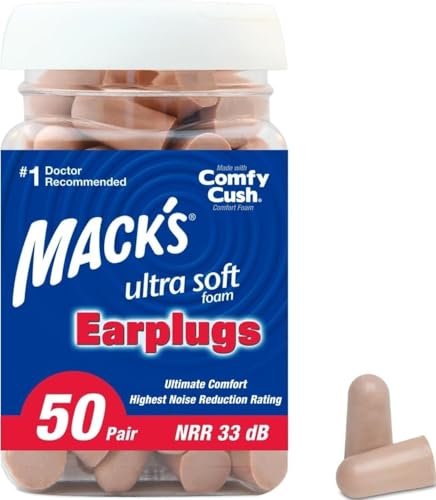
Mack's Ultra Soft Foam Earplugs, 50 Pair - 33dB Highest NRR | Made in USA Review (2026): Specs, Pros & Cons, and Who It's For
Check Price on Amazon →

What is the Box Breathing Technique Guide? A Complete 2026 Guide
If you’ve been searching for a practical box breathing technique guide, you probably want a simple way to calm down fast, focus better, and feel more in control under stress. Box breathing is one of the easiest structured breathing methods to learn because it uses a clear four-part rhythm that’s eas
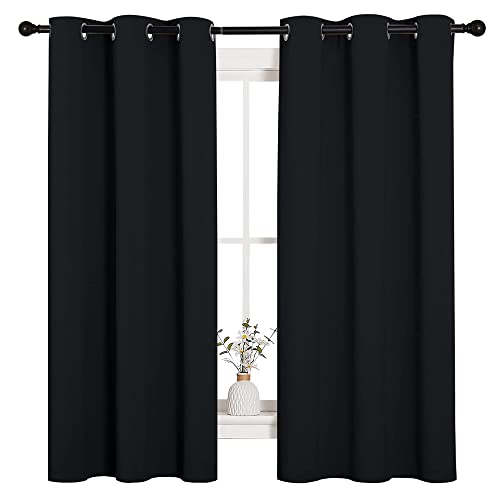
8 Best Blackout Curtains Sleep in 2026 — Darker Rooms, Better Rest, Faster Setup
If you’re searching for the best blackout curtains sleep can benefit from, you probably want one thing: a genuinely darker room that helps you fall asleep faster and stay asleep longer. The picks below focus on light blocking, privacy, ease of installation, portability, and value for different room