
What is Mouth Taping? A Complete 2026 Guide
Mouth taping is the practice of placing a small strip of skin-safe tape over the lips during sleep to encourage nasal breathing. People search for it because they want to know whether it can reduce snoring, dry mouth, or mouth breathing at night. The short answer to does mouth taping work is: sometimes for the right person, but the evidence is limited and it is not appropriate for everyone.
Related Reviews
In simple terms, mouth taping does not “fix” the airway or cure sleep disorders. It may help some people keep their mouth closed, which can support nasal breathing if the nose is already clear and breathing is otherwise normal. But if you have nasal blockage, sleep apnea, reflux, or any breathing concern, it can be risky to rely on tape without medical guidance.
This guide explains how mouth taping is supposed to work, where it may help, what to look for if you’re considering it, and the most common mistakes to avoid.
How It Works
Mouth taping works by creating a gentle physical reminder to keep the lips closed during sleep. The idea is that if the mouth stays closed, air is more likely to move through the nose, which can increase nasal breathing and reduce the dry mouth that often comes with sleeping with your mouth open.
Nasal breathing has some potential advantages because the nose filters, warms, and humidifies incoming air. It can also help reduce the sensation of waking with a parched throat, especially for people who breathe through their mouth out of habit rather than because of a medical blockage.
However, the mechanism is simple, and that simplicity is also the limitation. Mouth taping does not open blocked nasal passages, stop snoring caused by airway collapse, or treat obstructive sleep apnea. If your nose is congested or your breathing is already compromised, taping your mouth shut can make sleep more uncomfortable or unsafe.
That is why the question does mouth taping work depends heavily on the person. For someone with a clear nose and mild mouth-breathing habits, it may help. For someone with snoring linked to a sleep disorder, the answer is usually no—not as a standalone solution.
Key Benefits & Use Cases
Potential benefits
- May reduce dry mouth: Keeping the lips closed can limit overnight mouth breathing, which may leave your mouth less dry in the morning.
- Can encourage nasal breathing habits: Some people use it as a behavioral cue to build awareness of mouth breathing during sleep.
- May help mild snoring in select cases: If snoring is mainly related to sleeping with an open mouth, taping may help some people.
- Simple and low-cost: Compared with devices or prescriptions, mouth tape is inexpensive and easy to try.
- May improve sleep comfort for some users: People who wake with a dry throat sometimes report feeling more comfortable when they breathe through the nose.
When it may be worth considering
- You have a habit of sleeping with your mouth open but can breathe through your nose easily.
- You wake up with dry mouth or a dry throat and want to test whether mouth closure helps.
- You are looking for a short-term behavior cue, not a treatment for a medical sleep issue.
When it is not a good idea
- You have nasal congestion, allergies, a deviated septum, or other causes of blocked nasal breathing.
- You suspect sleep apnea, especially if you snore loudly, gasp, or feel very sleepy during the day.
- You have panic, claustrophobia, or any condition that makes it hard to breathe comfortably through the nose at night.
So, does mouth taping work as a general sleep solution? Not really. It is best viewed as a niche habit tool that may help a narrow group of people, not a universal fix.
What to Look For When Buying
If you decide to try mouth tape, focus on safety and comfort first. Here are the five most important criteria to evaluate:
1. Skin-safe adhesive
Look for tape made for sensitive skin or sleep use. The adhesive should stay in place overnight without causing irritation, redness, or residue that is hard to remove.
2. Easy removal
The tape should peel off gently in the morning. If it pulls painfully or leaves your lips sore, it is probably too aggressive for regular use.
3. Breathability and emergency release
Many users prefer tape designs with a small vent, split, or easy-break structure. The goal is not to seal the mouth completely in a way that feels unsafe or restrictive.
4. Size and fit
A good tape should match the shape of your lips and stay secure without covering too much skin. A proper fit can reduce discomfort and help the tape stay on through the night.
5. Clear safety guidance
Choose a product with straightforward instructions, warnings, and usage guidance. Any reputable option should explain who should avoid it and how to stop using it if discomfort occurs.
If you are asking does mouth taping work, the quality of the tape matters less than whether you are a safe candidate to use it at all. The best product cannot compensate for blocked breathing or an untreated sleep disorder.
Common Mistakes to Avoid
- Using it with a blocked nose: If you cannot breathe comfortably through your nose, do not tape your mouth shut.
- Assuming it treats sleep apnea: Mouth taping is not a diagnostic tool or a medical treatment for apnea.
- Choosing harsh adhesive: Strong tape can irritate the lips and skin, making the experience unpleasant and hard to continue.
- Ignoring warning signs: If you wake up anxious, short of breath, or uncomfortable, stop using it and reassess.
- Expecting instant transformation: Some people notice changes quickly, but many will not see meaningful results.
The biggest mistake is treating mouth taping like a cure-all. The more accurate framing is that it is a habit aid that may help certain people breathe through the nose at night, but only when the underlying breathing pathway is already healthy.
Frequently Asked Questions
Does mouth taping work for snoring?
It may help if snoring is mainly caused by sleeping with an open mouth, but it will not help all snoring. Snoring caused by airway narrowing, sleep apnea, or nasal obstruction usually needs a different approach.
Is mouth taping safe?
It can be unsafe for people with nasal blockage, sleep apnea, breathing problems, or panic around restricted breathing. If you are unsure, talk to a healthcare professional before trying it.
Can mouth taping help with dry mouth?
Yes, it may help some people wake up with less dry mouth by encouraging nasal breathing. Results vary, and it works best when nasal airflow is already comfortable.
Should I use regular tape instead of mouth tape?
No. Regular tape may be too harsh on the skin and is not designed for sleep use. If you try mouth taping, use a product intended for that purpose and follow its safety instructions.
Who should not try mouth taping?
People with blocked nasal breathing, suspected sleep apnea, significant snoring with gasping, or breathing-related medical concerns should avoid it unless a clinician says it is appropriate.
Get the Full Health & Fitness Buyer's Guide
Join our free newsletter — we'll send our latest Health & Fitness picks, specs and verdicts straight to your inbox.
Free. No spam. Unsubscribe anytime.
Was this review helpful?
Be the first to share your feedback on this review.
Sign in to vote and let us know what you think.
Discussion (0)
No comments yet. Be the first to start the discussion.
Related Reviews
Mack's Ultra Soft Foam Earplugs, 50 Pair - 33dB Highest NRR | Made in USA Review (2026): Specs, Pros & Cons, and Who It's For
Check Price on Amazon →
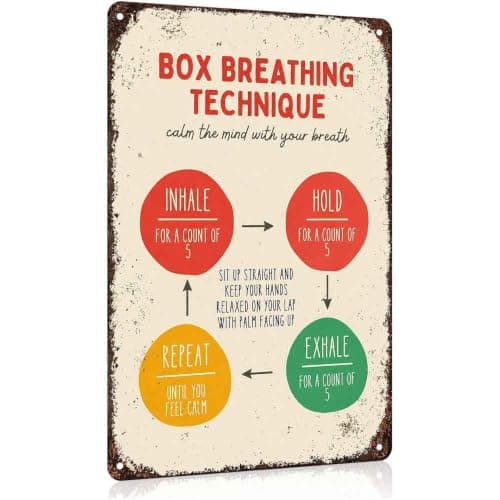
What is the Box Breathing Technique Guide? A Complete 2026 Guide
If you’ve been searching for a practical box breathing technique guide, you probably want a simple way to calm down fast, focus better, and feel more in control under stress. Box breathing is one of the easiest structured breathing methods to learn because it uses a clear four-part rhythm that’s eas
8 Best Blackout Curtains Sleep in 2026 — Darker Rooms, Better Rest, Faster Setup
If you’re searching for the best blackout curtains sleep can benefit from, you probably want one thing: a genuinely darker room that helps you fall asleep faster and stay asleep longer. The picks below focus on light blocking, privacy, ease of installation, portability, and value for different room