


Who this is for: Best for shoppers who want the strongest all-around standalone VR headset with broad appeal and good value.
At a Glance
| Category | Meta Quest 3 | HTC Vive XR Elite |
|---|---|---|
| Type | Standalone VR headset | Standalone mixed reality and PC VR headset |
| Display | 4K+ Infinite Display | 3840 x 1920 combined resolution |
| Processor / Performance | Snapdragon XR2 Gen 2, 2X graphical processing power | PC VR support plus standalone operation |
| Field of View | Not specified in listing | Up to 110° |
| Refresh Rate | Not specified in listing | 90Hz |
| Fit / Adjustability | Lightweight design, pancake lens, enhanced haptics | Stepless IPD and diopter adjustments |
| Included Extras | GOLF+ included | Deluxe Pack accessories included |
Design: Meta Quest 3 Wins

The Meta Quest 3 512GB takes this category because its design language is built around mainstream comfort and simplicity. The listing emphasizes a lightweight build, pancake lens, and enhanced haptics, which points to a headset that aims to feel easy to live with for longer sessions.
Related Reviews
The HTC Vive XR Elite with Deluxe Pack is more adjustable and more modular-looking, especially with its stepless IPD and diopter tuning. That makes it appealing for precision fit, but it reads as a more specialized product rather than the easiest one to recommend to a broad audience.
Why Meta Quest 3 wins design
- Lightweight design is better suited to everyday use.
- Pancake lens design suggests a more modern, compact optical setup.
- Enhanced haptics add to the sense of polish.
Performance: Meta Quest 3 Wins


On raw standalone headset performance, the Meta Quest 3 512GB gets the edge because the product listing explicitly calls out the Snapdragon XR2 Gen 2 and “2X graphical processing power.” It also highlights faster load times and next-gen graphics, which is exactly what buyers want to see when comparing mixed reality and gaming responsiveness.
The HTC Vive XR Elite with Deluxe Pack has a strong case for PC VR users thanks to its low-latency, high-fidelity PC gaming support. But for most shoppers comparing these two directly, the Quest 3’s stronger standalone performance story is easier to recommend.
Why Meta Quest 3 wins performance
- Snapdragon XR2 Gen 2 is a clear performance highlight.
- 2X graphical processing power is a strong spec advantage.
- Faster load times support a smoother overall experience.
Display and Visual Clarity: HTC Vive XR Elite Wins

The HTC Vive XR Elite with Deluxe Pack wins here because its listing gives more concrete display specs: 3840 x 1920 combined resolution, 19 pixels per degree, up to 110° field of view, and a 90Hz refresh rate. That makes it the more transparent pick for buyers who care deeply about visual fidelity on paper.
The Meta Quest 3 512GB advertises a 4K+ Infinite Display and nearly 30% higher resolution than before, which is impressive. Still, the HTC listing is more specific about what you are getting, and that clarity helps it win this round.
Why HTC Vive XR Elite wins display
- Specific resolution and PPD data make the visual case stronger.
- Up to 110° field of view is a notable spec advantage.
- 90Hz refresh rate is clearly stated in the listing.
Value: Meta Quest 3 Wins
Value is where the Meta Quest 3 512GB pulls ahead decisively. It is the more approachable option in this matchup and still brings a high-end feature set: better standalone performance, a lightweight design, improved visuals, and an included game bundle.
The HTC Vive XR Elite with Deluxe Pack is positioned as the premium choice, and the Deluxe Pack accessories add value for some buyers. But for most people comparing total package appeal, the Quest 3 is the easier recommendation because it offers the strongest balance of features and accessibility.
Why Meta Quest 3 wins value
- More compelling all-around package for the average buyer.
- Includes GOLF+, adding immediate out-of-box appeal.
- Delivers standout performance without the premium positioning.
Battery and Durability: HTC Vive XR Elite Wins
This category is a bit more nuanced because neither listing gives a full battery-life breakdown. However, the HTC Vive XR Elite with Deluxe Pack gets the nod on durability and long-term usability because its fit system is more adjustable, with stepless IPD and diopter tuning that can help reduce eye strain and improve comfort across different users.
The Meta Quest 3 512GB is still the better pick for convenience and portability, but the HTC’s more customizable fit gives it a slight edge for sustained comfort and a more tailored experience over time.
Why HTC Vive XR Elite wins battery/durability
- Stepless IPD adjustment supports better long-session comfort.
- Diopter adjustment helps personalize the viewing experience.
- Deluxe Pack accessories may improve day-to-day wearability.
PC VR and Mixed Reality: HTC Vive XR Elite Wins
If your priority is PC VR, the HTC Vive XR Elite with Deluxe Pack is the stronger specialist. Its listing explicitly promises low-latency, high-fidelity PC VR gaming when connected to a VR-ready PC, which makes it the more direct fit for buyers who already have a gaming PC and want to tap into that ecosystem.
The Meta Quest 3 512GB is more of the better all-rounder, but HTC’s PC VR angle is clearer and more focused. If you want a headset that leans into PC-connected play and mixed reality flexibility, this is the one that stands out.
Why HTC Vive XR Elite wins PC VR and mixed reality
- Explicit PC VR support is a major advantage.
- Low-latency, high-fidelity gaming is the headline use case.
- Base station-free tracking adds convenience.
Meta Quest 3 Is the Better Choice If…
- You want the best overall balance of performance and value.
- You care more about standalone VR convenience than PC-only use.
- You want a lighter, more mainstream-feeling headset.
- You want stronger graphics processing in a simpler package.
- You want a headset that is easier to recommend for most buyers.
HTC Vive XR Elite Is the Better Choice If…
- You want a headset built around PC VR support.
- You care about more detailed display specs on paper.
- You value fit customization like stepless IPD and diopter adjustment.
- You prefer a premium mixed reality headset with included accessories.
- You already know you want a more specialized VR setup.
Our Final Verdict
For most shoppers searching Meta Quest 3 vs HTC Vive XR Elite, the Meta Quest 3 512GB is the smarter buy. It wins the most important categories for a broad audience: design, standalone performance, and overall value.
The HTC Vive XR Elite with Deluxe Pack is still a compelling premium option, especially if you care about PC VR, display detail, and fit customization. But unless you have a very specific use case, the Quest 3 is the easier headset to recommend.
Frequently Asked Questions
Is Meta Quest 3 better than HTC Vive XR Elite for most people?
Yes. The Meta Quest 3 is the better all-around pick for most buyers because it offers stronger standalone performance, a more approachable design, and better overall value.
Which headset is better for PC VR, Meta Quest 3 or HTC Vive XR Elite?
The HTC Vive XR Elite is the better PC VR choice because its listing specifically highlights low-latency, high-fidelity PC VR gaming with a VR-ready PC.
Does the HTC Vive XR Elite have better display specs?
On paper, yes. The HTC Vive XR Elite lists 3840 x 1920 combined resolution, 19 pixels per degree, up to 110° field of view, and a 90Hz refresh rate.
Which is more comfortable for long sessions?
Comfort depends on fit preference, but the HTC Vive XR Elite has more adjustable fit options, including stepless IPD and diopter adjustments, which may help some users.
Which should I buy if I want the best value?
The Meta Quest 3 is the better value pick because it combines strong performance, a lightweight design, and broad appeal in a more accessible package.
Pros
- + Meta Quest 3 has stronger standalone performance
- + Meta Quest 3 offers a lightweight, modern design
- + HTC Vive XR Elite has detailed display specs
- + HTC Vive XR Elite supports PC VR gaming
- + HTC Vive XR Elite includes fit customization
Cons
- – Meta Quest 3 listing gives fewer display details
- – HTC Vive XR Elite is more specialized and premium
- – Neither listing provides full battery-life data
Frequently asked questions
- Is Meta Quest 3 better than HTC Vive XR Elite for most people?
- Yes. The Meta Quest 3 is the better all-around pick for most buyers because it offers stronger standalone performance, a more approachable design, and better overall value.
- Which headset is better for PC VR, Meta Quest 3 or HTC Vive XR Elite?
- The HTC Vive XR Elite is the better PC VR choice because its listing specifically highlights low-latency, high-fidelity PC VR gaming with a VR-ready PC.
- Does the HTC Vive XR Elite have better display specs?
- On paper, yes. The HTC Vive XR Elite lists 3840 x 1920 combined resolution, 19 pixels per degree, up to 110° field of view, and a 90Hz refresh rate.
- Which is more comfortable for long sessions?
- Comfort depends on fit preference, but the HTC Vive XR Elite has more adjustable fit options, including stepless IPD and diopter adjustments, which may help some users.
- Which should I buy if I want the best value?
- The Meta Quest 3 is the better value pick because it combines strong performance, a lightweight design, and broad appeal in a more accessible package.
Score breakdown
- value
- 9.0
- usability
- 9.0
- durability
- 7.0
- performance
- 9.0
- buyerFeedback
- 8.0
Get the Full Health & Fitness Buyer's Guide
Join our free newsletter — we'll send our latest Health & Fitness picks, specs and verdicts straight to your inbox.
Free. No spam. Unsubscribe anytime.
Was this review helpful?
Be the first to share your feedback on this review.
Sign in to vote and let us know what you think.
Discussion (0)
No comments yet. Be the first to start the discussion.
Related Reviews

Whoop 5 review (2026): Specs, Pros & Cons, and Who It's For
If you’re comparing the Whoop 5 review results because you want better sleep, smarter recovery insights, and a wearable you can wear day and night without distraction, WHOOP 5.0 is built for exactly that use case. It stands out from typical smartwatches by focusing less on notifications and more on
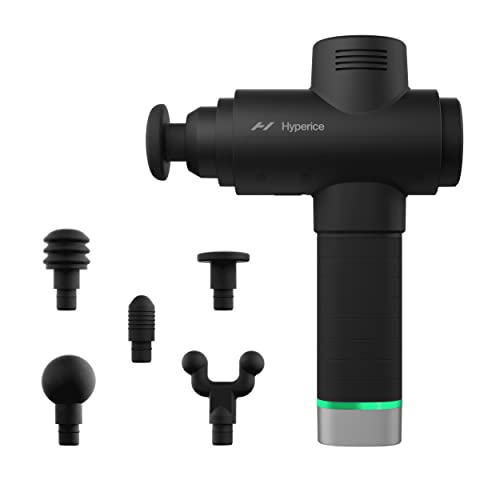
Hypervolt 2 Pro Review (2026): Specs, Pros & Cons, and Who It's For
The Hypervolt 2 Pro is positioned as a premium percussion massage device, and its feature set reflects that. Based on the published specs and owner feedback patterns, it appears designed for users who want a sturdier, more capable massage gun rather than a lightweight entry-level model.

Theragun PRO Review (2026): Specs, Pros & Cons, and Who It’s For
The Theragun PRO Plus is clearly designed as a flagship recovery tool rather than a simple massage gun. Based on the published specs and owner feedback patterns, the build philosophy centers on versatility, with a body meant to support multiple therapies in one device instead of focusing only on per