

Who this is for: Best for readers who want a clear checklist for first aid readiness at home, in the car, or while traveling.
Check PriceWhat is What Should Be in a First Aid Kit? A Complete 2026 Guide
If you’re wondering what should be in a first aid kit, the short answer is: the basics for cleaning wounds, stopping bleeding, protecting injuries, and handling minor emergencies until help arrives. The challenge is that many kits look complete but miss the items people actually use most, or they include extras that don’t improve day-to-day readiness. This guide breaks down the essential contents, how a kit works, what to look for before buying, and which ready-made options are worth considering in 2026.
Related Reviews
How It Works
A first aid kit works by putting the most commonly needed emergency supplies in one organized place so you can respond quickly when something goes wrong. Instead of searching through drawers or medicine cabinets, you have bandages, antiseptics, gauze, gloves, tools, and instruction materials ready to use in seconds.
The best kits are designed around a simple idea: speed matters. In a minor cut, burn, sprain, or scrape, the goal is to clean the wound, protect it from infection, control bleeding, and stabilize the injury until it heals or a professional takes over. That’s why organization, portability, and the right mix of supplies matter just as much as the total piece count.
In practical terms, a first aid kit is less about “having a lot of stuff” and more about having the right stuff in a format you can actually use under stress. A well-built kit makes it easier for parents, drivers, office managers, teachers, campers, and travelers to act fast without guessing.
Key Benefits & Use Cases
Knowing what should be in a first aid kit helps you prepare for the most common, low-level emergencies before they become bigger problems. Here are the main benefits and where a kit earns its keep.
1. Faster response in minor injuries
When someone gets a cut, scrape, blister, or small burn, a kit gives you immediate access to the basics needed to clean, cover, and protect the area.
2. Better preparedness at home
Families benefit from a kit because everyday accidents happen in kitchens, bathrooms, garages, and backyards. A stocked kit helps you handle common injuries without delay.
3. Road-trip and vehicle readiness
Car kits are useful for travel, commuting, and long drives, especially when you’re far from a pharmacy or urgent care.
4. Workplace and school compliance
Many offices, classrooms, and job sites keep kits on hand to support general safety planning and quick treatment for minor incidents.
5. Outdoor and travel convenience
Camping, hiking, boating, sports, and RV travel all benefit from a compact, organized kit that can move with you.
What to Look For When Buying
If you’re shopping for a kit rather than building one from scratch, focus on these five criteria.
1. Core supplies, not just a high piece count
Look for the essentials: adhesive bandages, gauze, antiseptic wipes, burn cream, gloves, tape, scissors, tweezers, and a basic first aid guide. A large number on the box is only useful if the contents are practical.
2. Organization and visibility
Compartmentalized layouts make a huge difference in emergencies. Clear sections or labeled pockets help you find what you need fast, even if you’re not the most confident user.
3. Portability and storage fit
Consider where the kit will live: kitchen cabinet, car trunk, backpack, office shelf, or wall mount. A good kit should fit the space you’ll actually use.
4. Case durability and weather resistance
A hard shell, sturdy plastic case, or water-resistant bag helps protect supplies from crushing, moisture, and wear over time.
5. Intended use and capacity
Some kits are best for one person or a small family, while others are built for offices, schools, or larger groups. Match the kit to the number of people and the setting you’re covering.
Top Recommended Products
Below are four research-based product options that fit different needs and budgets. Since this is an educational guide, the goal is to show how these kits compare in real-world usefulness for someone asking what should be in a first aid kit.
Gevoke 410 Piece Waterproof Hard Shell First Aid Kit, Red (Prime)


This kit is a strong all-around pick for families and people who want a larger, organized supply set in a durable hard-shell case. Its five transparent compartments and waterproof EVA construction make it appealing for home use, travel, and vehicle storage.
- ✓ 410-piece assortment covers a wide range of common minor emergencies
- ✓ Five transparent compartments improve visibility and speed
- ✓ Waterproof hard-shell case adds protection in storage and transport
- ✓ Portable size works for home, car, camping, and road trips
- ✓ Shoulder strap and handle improve carry convenience
- ✗ May include more items than a very basic user needs
- ✗ Hard-shell format can be bulkier than soft pouches
- ✗ Not a substitute for advanced trauma or medical training
VRIEXSD 400 Piece Large First Aid Kit for Home, Car, Travel, Camping,Sports


This kit is geared toward people who want a versatile emergency bag with a broad supply mix and a water-resistant build. The divided compartments and included items like a tourniquet, emergency blanket, and first aid guide make it useful for preparedness-minded buyers.
- ✓ 400-piece kit covers a broad range of everyday preparedness needs
- ✓ Divided compartments help keep supplies sorted and easy to find
- ✓ Water-resistant 1680D polyester adds durability for outdoor use
- ✓ Includes practical emergency items beyond basic bandages
- ✓ Good fit for home, car, travel, camping, and sports
- ✗ Slightly heavier than the most compact kits
- ✗ May be more than casual users need for simple home backup
- ✗ Soft-bag design may not protect contents as rigidly as a hard case
 Be Smart Get Prepared 110 pc First Aid Kit: Clean, Treat, Protect Minor Cuts, Home, Office, Car, School, Business, Travel, Emergency, Outdoor, Camping & Sports, FSA/HSA (Packaging may vary)

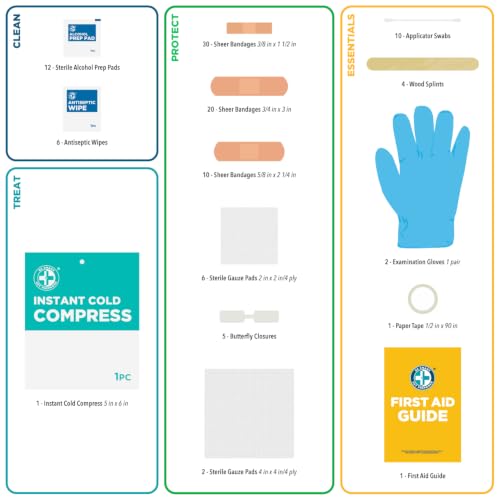
This is the budget-friendly option for people who want a compact, straightforward kit for minor cuts and daily preparedness. It’s a practical choice if you want something small, organized, and easy to store in a car, desk, or cabinet.
- ✓ Low-cost entry point for basic first aid readiness
- ✓ Compact case fits easily in small spaces
- ✓ Organized interior improves quick access
- ✓ FDA-regulated medical device designation adds reassurance
- ✓ Good for home, office, car, school, and travel
- ✗ Fewer pieces than larger family or group kits
- ✗ Best for minor issues, not broader preparedness needs
- ✗ Plastic case may feel less rugged than premium hard-shell options
 24/7 First Aid OSHA Compliant First aid Kit, All-Purpose 100-Person Emergency First Aid Kit for Business, Home, and Car in Plastic Case with Easy-Slide Latches, 336 Pieces


This is the strongest option for workplaces, shared spaces, and larger households that need a higher-capacity kit. The wall-mountable case, clear cover, and OSHA-compliant supply mix make it especially useful where organization and access matter.
- ✓ Built for up to 100 people, making it ideal for groups
- ✓ OSHA-compliant contents suit workplace and safety-focused settings
- ✓ Wall-mountable case improves accessibility
- ✓ Clear cover and compartments support quick retrieval
- ✓ Includes useful basics like gloves, scissors, tweezers, and burn cream
- ✗ Larger case may be less convenient for travel
- ✗ Better for stationary storage than backpack carry
- ✗ More kit than a single-person or minimalist user may need
Common Mistakes to Avoid
Even a well-stocked kit can fall short if it’s put together or stored the wrong way. Avoid these common mistakes when deciding what should be in a first aid kit.
Buying for quantity instead of usefulness
A huge piece count can look impressive, but it doesn’t guarantee the kit has the items you’ll actually use first.
Forgetting organization
If supplies are dumped into one pouch, people waste time searching during an emergency.
Ignoring the storage location
A great kit is not helpful if it’s buried in a closet, packed under luggage, or left in a hard-to-reach place.
Not matching the kit to the setting
A home kit, car kit, hiking kit, and office kit should not all be identical. Different environments call for different sizes and packaging.
Assuming a kit replaces training
Supplies help, but basic first aid knowledge matters too. A guide inside the kit is useful, but it’s even better if users know the fundamentals ahead of time.
Frequently Asked Questions
What should be in a first aid kit for home use?
A home kit should include adhesive bandages, gauze, antiseptic wipes, burn cream, medical tape, gloves, scissors, tweezers, and a simple first aid guide.
What should be in a first aid kit for a car?
A car kit should focus on compact basics like bandages, gauze, antiseptic, gloves, scissors, and a few emergency extras such as a blanket or instant cold pack.
How many pieces should a first aid kit have?
There’s no perfect number, but the best kit is the one that includes the right supplies for your setting. Smaller kits may work for travel, while larger kits are better for families or groups.
Is a hard-shell first aid kit better than a soft bag?
Not always. Hard-shell kits usually protect contents better, while soft bags can be lighter and easier to pack. The better choice depends on where you’ll store it.
Do I need to buy a pre-made first aid kit or build my own?
Pre-made kits are faster and more convenient, while DIY kits can be customized. Many people start with a pre-made kit and add personal or location-specific items later.
Pros
- + Explains the essential contents of a first aid kit
- + Covers home, car, office, and travel use cases
- + Includes buying criteria for choosing the right kit
- + Compares four researched Amazon kits
- + Answers common search queries in FAQ format
Cons
- – Not a hands-on product test
- – Some kits may include more items than a basic user needs
- – Best choice depends on storage space and use case
Frequently asked questions
- What should be in a first aid kit for home use?
- A home kit should include adhesive bandages, gauze, antiseptic wipes, burn cream, medical tape, gloves, scissors, tweezers, and a simple first aid guide.
- What should be in a first aid kit for a car?
- A car kit should focus on compact basics like bandages, gauze, antiseptic, gloves, scissors, and a few emergency extras such as a blanket or instant cold pack.
- How many pieces should a first aid kit have?
- There’s no perfect number, but the best kit is the one that includes the right supplies for your setting. Smaller kits may work for travel, while larger kits are better for families or groups.
- Is a hard-shell first aid kit better than a soft bag?
- Not always. Hard-shell kits usually protect contents better, while soft bags can be lighter and easier to pack. The better choice depends on where you’ll store it.
- Do I need to buy a pre-made first aid kit or build my own?
- Pre-made kits are faster and more convenient, while DIY kits can be customized. Many people start with a pre-made kit and add personal or location-specific items later.
Get the Full Health & Fitness Buyer's Guide
Join our free newsletter — we'll send our latest Health & Fitness picks, specs and verdicts straight to your inbox.
Free. No spam. Unsubscribe anytime.
Was this review helpful?
Be the first to share your feedback on this review.
Sign in to vote and let us know what you think.
Discussion (0)
No comments yet. Be the first to start the discussion.
Related Reviews
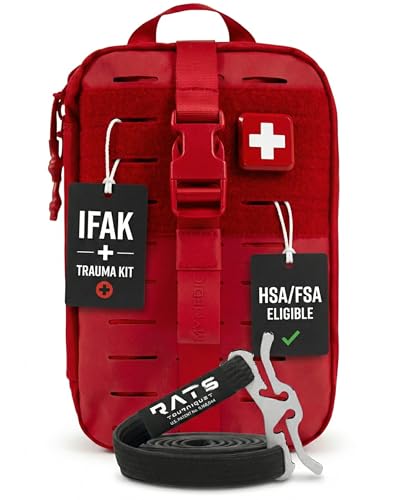
My Medic MyFAK Review (2026): Specs, Pros & Cons, and Who It's For
If you’re searching for a My Medic MyFAK review , you probably want to know whether this kit is genuinely prepared for serious emergencies or just another overbuilt first aid bag. The short answer: it stands out for trauma-oriented supplies, fast access, and a layout that reviewers and owners consis

8 Best Reading Glasses in 2026 — Comfortable, Stylish Picks for Everyday Reading
If small print is getting harder to read, the right pair of readers can make a big difference in comfort and clarity. This roundup of the best reading glasses 2026 focuses on models that combine practical magnification, comfortable wear, and everyday convenience. We compared published specs, feature
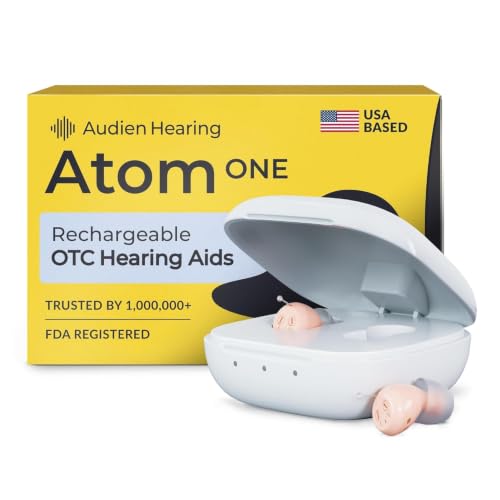
8 Best OTC Hearing Aids Under $1000 in 2026 — Clearer Conversations Without the Prescription Price Tag
If you’re searching for the best budget OTC hearing aids, you probably want something that improves speech clarity without the hassle and cost of prescription devices. The challenge is that many budget-friendly models sound loud but not necessarily clear, and some are confusing to set up or un