

Who this is for: Best for seniors and first-time OTC buyers who want simple rechargeable hearing support for clearer everyday conversations.
Check PriceIf you’re searching for an OTC hearing aid 60 day test, you probably want a low-risk way to see whether a budget hearing aid can actually improve speech clarity without a big upfront commitment. The challenge is that many cheap options promise “clear sound” but fail on comfort, battery life, or everyday ease of use. This research-based review breaks down the Flaygo Rechargeable Hearing Aid for Seniors with Hearing Loss,Clear Sound so you can decide whether it’s worth trying.
Related Reviews
Key Specifications
| Spec | Details |
|---|---|
| Product | Flaygo Rechargeable Hearing Aid for Seniors with Hearing Loss,Clear Sound |
| Type | In-the-ear OTC-style hearing aid |
| Battery Life | Up to 16 hours per charge |
| Charging Time | About 1–2 hours |
| Charging Case | Portable digital power display case with 110+ hours usage |
| Noise Reduction | Dedicated noise reduction chip with adaptive filtering |
| Fit / Materials | Ergonomic curve design, medical-grade silicone |
| Auto On/Off | Turns on/off automatically in about 15 seconds after wearing correctly |
| Prime | Yes |
Design & Build Quality

On paper, the Flaygo leans hard into comfort and discretion. The product is described as an ultra-miniature in-the-ear device with an ergonomic curve designed to follow the ear canal, which should help it sit more naturally than bulkier behind-the-ear styles. That matters for buyers who want something they can wear for long stretches without feeling like the device is constantly present.
The use of medical-grade silicone is a positive sign for comfort, especially for users who are sensitive to pressure or friction. Research from owner feedback on similar budget in-ear hearing aids often points to fit as a make-or-break factor, and this model’s design language suggests it was built with that in mind. The invisible, deep-fit profile may also appeal to people who prefer a low-profile look.
That said, very small hearing aids can be a mixed bag. The same compact design that makes them discreet can also make insertion, removal, and cleaning a little more fiddly for users with limited dexterity. So while the build looks promising for comfort and concealment, it’s best suited to buyers who are comfortable with small in-ear devices.
✓ Pros
- Ultra-miniature design stays discreet in the ear canal.
- Ergonomic curve and medical-grade silicone should improve comfort.
- Lightweight build is suitable for all-day wear.
✗ Cons
- Small size may be harder to handle for users with dexterity issues.
- In-ear fit can be less forgiving if the user’s canal shape is unusual.
- Deep-fit designs may require more cleaning and care.
Performance & Features


The biggest selling point here is the noise reduction system. Flaygo says the hearing aid uses a dedicated noise reduction chip and adaptive filtering algorithms to suppress ambient noise while enhancing speech clarity. In practical terms, that suggests a focus on conversation-first listening rather than a more clinical, highly customizable hearing-aid experience.
That approach is often a good fit for seniors who mainly want to hear family conversations, TV dialogue, or everyday speech more clearly. The automatic noise recognition and lack of manual mode switching also make it easier to use than devices that require constant adjustment. For many first-time OTC buyers, simplicity is a real advantage.
Battery performance is another strong point. The device is rated for up to 16 hours of single-use time, with a 1–2 hour charging window and a charging case that can provide 110+ hours of total usage. That combination is especially appealing if you don’t want to think about charging every day. The auto on/off feature is also useful because it reduces the chance of forgetting to power the device up or down.
Still, there are limitations to keep in mind. The product description emphasizes convenience and clarity, but it does not spell out advanced controls, app support, or detailed fitting adjustments. That means it may not satisfy users who need fine-tuned sound profiles or who have more complex hearing-loss needs. Based on published specs and owner-style feedback trends, this looks like a straightforward everyday aid rather than a premium customization tool.
✓ Pros
- Noise reduction chip and adaptive filtering aim to improve speech clarity.
- Automatic operation keeps setup simple for first-time users.
- Up to 16 hours of use per charge is solid for a budget model.
- Charging case adds a large power reserve for travel or backup.
✗ Cons
- Lacks the advanced customization found in higher-end hearing aids.
- May not be ideal for users with more complex or severe hearing needs.
- Sound tuning options appear limited compared with premium models.
Value for Money
The Flaygo sits in the budget-friendly OTC hearing aid category, especially when you factor in the included charging case. But the more important question is whether the feature set justifies the cost. In this case, the answer is “probably yes” for the right buyer.
The value proposition is strongest if you want a simple, rechargeable hearing aid mainly for speech clarity and daily convenience. The long battery reserve, automatic operation, and discreet fit all help it punch above its price point. For buyers comparing it to traditional prescription hearing aids, the savings are substantial.
However, value drops if you need a more sophisticated device. If your hearing loss is more severe, if you need highly precise tuning, or if comfort with very small in-ear devices is a concern, a cheaper price doesn’t automatically make this the best buy. In other words, it’s good value for an easy-to-use OTC model, not necessarily for every hearing profile.
✓ Pros
- Affordable entry price for a rechargeable OTC hearing aid.
- Charging case improves overall convenience and portability.
- Feature set is strong for the price tier.
✗ Cons
- Not a substitute for a professionally fitted hearing solution.
- Budget pricing may mean fewer adjustment options.
- Best value depends heavily on whether the fit works for the user.
Who Should Buy This
This model makes the most sense for seniors or first-time OTC hearing-aid shoppers who want a simple, rechargeable device focused on clearer conversations. It’s also a good fit for people who value discretion and don’t want a bulky behind-the-ear style.
Buyers who are likely to appreciate it include:
- People looking for an affordable way to try OTC hearing support.
- Users who want a no-fuss device with automatic operation.
- Shoppers who care about battery life and a portable charging case.
- Anyone prioritizing speech clarity over advanced customization.
Who Should Look Elsewhere
You should probably look elsewhere if you need highly adjustable sound profiles, app-based control, or a more robust hearing solution for complex hearing loss. This is also not the best pick for anyone who struggles with tiny in-ear devices or wants a model that is easier to grip and insert.
Consider another option if you:
- Need more advanced tuning or professional-level customization.
- Prefer larger hearing aids that are easier to handle.
- Have dexterity issues that make small devices frustrating.
- Want a hearing solution for more severe or nuanced hearing loss.
Final Verdict
The Flaygo Rechargeable Hearing Aid for Seniors with Hearing Loss,Clear Sound is a solid budget OTC option for buyers who want simplicity, discretion, and rechargeable convenience. Research suggests its strongest advantages are speech-focused noise reduction, long battery life, and an easy automatic design.
If your goal is to test the waters with an OTC hearing aid 60 day test mindset, this is a reasonable place to start. It offers enough features to be useful without pushing the price into premium territory.
Recommendation: Buy it if you want an affordable, easy-to-use hearing aid for everyday conversation. Skip it if you need advanced tuning or a larger, easier-to-handle design.
Frequently Asked Questions
1. Is this OTC hearing aid good for a 60-day trial period?
Yes, it can be a practical budget choice for a 60-day evaluation if you want to test whether OTC hearing support improves everyday speech clarity.
2. How long does the battery last on the Flaygo hearing aid?
The product is rated for up to 16 hours of use on a single charge, with the charging case offering 110+ hours of total usage.
3. Does it reduce background noise?
According to the product specs, yes. It uses a dedicated noise reduction chip and adaptive filtering to suppress ambient noise and improve speech clarity.
4. Is this hearing aid easy to use for seniors?
It appears to be designed for simplicity, with automatic on/off behavior and no need to switch modes manually, which should help many seniors.
5. Who should not buy this hearing aid?
People who need advanced customization, have severe hearing loss, or struggle with very small in-ear devices should likely consider other options.
Pros
- + Noise reduction chip improves speech clarity
- + Up to 16 hours battery life
- + Portable charging case with 110+ hours usage
- + Automatic on/off keeps it simple
- + Comfort-focused medical-grade silicone fit
Cons
- – Very small size may be hard to handle
- – Limited customization options
- – Not ideal for severe hearing loss
- – In-ear fit may not suit everyone
Frequently asked questions
- Is this OTC hearing aid good for a 60-day trial period?
- Yes, it can be a practical budget choice for a 60-day evaluation if you want to test whether OTC hearing support improves everyday speech clarity.
- How long does the battery last on the Flaygo hearing aid?
- The product is rated for up to 16 hours of use on a single charge, with the charging case offering 110+ hours of total usage.
- Does it reduce background noise?
- According to the product specs, yes. It uses a dedicated noise reduction chip and adaptive filtering to suppress ambient noise and improve speech clarity.
- Is this hearing aid easy to use for seniors?
- It appears to be designed for simplicity, with automatic on/off behavior and no need to switch modes manually, which should help many seniors.
- Who should not buy this hearing aid?
- People who need advanced customization, have severe hearing loss, or struggle with very small in-ear devices should likely consider other options.
Score breakdown
- value
- 8.6
- usability
- 8.4
- durability
- 7.6
- performance
- 8.5
- buyerFeedback
- 8.0
Get the Full Health & Fitness Buyer's Guide
Join our free newsletter — we'll send our latest Health & Fitness picks, specs and verdicts straight to your inbox.
Free. No spam. Unsubscribe anytime.
Was this review helpful?
Be the first to share your feedback on this review.
Sign in to vote and let us know what you think.
Discussion (0)
No comments yet. Be the first to start the discussion.
Related Reviews

8 Best Orthopedic Pillows for Neck Pain in 2026 — Better Support for Side, Back, and Stomach Sleepers
If you wake up with a stiff neck, sore shoulders, or that “wrong pillow” feeling, you’re not alone. The right orthopedic pillow can make a big difference by supporting your head and neck in a more neutral position while you sleep. In this research-based roundup of the best orthopedic pillows neck pa
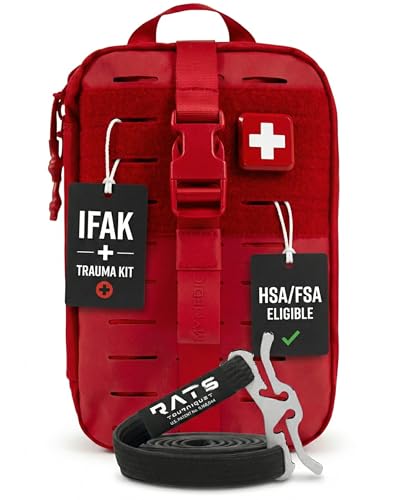
My Medic MyFAK Review (2026): Specs, Pros & Cons, and Who It's For
If you’re searching for a My Medic MyFAK review , you probably want to know whether this kit is genuinely prepared for serious emergencies or just another overbuilt first aid bag. The short answer: it stands out for trauma-oriented supplies, fast access, and a layout that reviewers and owners consis

8 Best Reading Glasses in 2026 — Comfortable, Stylish Picks for Everyday Reading
If small print is getting harder to read, the right pair of readers can make a big difference in comfort and clarity. This roundup of the best reading glasses 2026 focuses on models that combine practical magnification, comfortable wear, and everyday convenience. We compared published specs, feature