


Who this is for: Best for skincare beginners and sensitive-skin users who want a simple routine with less irritation.
Check PriceWhat is Skin Cycling? A Complete 2026 Guide
Skin cycling explained in simple terms: it’s a structured skincare routine that rotates active ingredients over several nights instead of using them every day. The goal is to reduce irritation, support your skin barrier, and make strong ingredients like retinoids and exfoliants easier to tolerate. For many people, it’s a more sustainable way to get results without the redness, peeling, or confusion that can come from overdoing skincare.
Related Reviews
How It Works
Skin cycling is based on a repeating schedule, usually over four nights. A common version uses one night for exfoliation, one night for a retinoid, and then two recovery nights focused on hydration and barrier support. By spacing out active ingredients, the routine gives your skin time to recover between stronger treatments.
The idea is not that your skin “needs rest” in a medical sense, but that many popular actives can be too harsh when layered too often. Exfoliants can increase turnover and temporarily weaken the skin barrier, while retinoids can cause dryness and sensitivity as your skin adjusts. Recovery nights help counterbalance that by emphasizing gentle cleansers, moisturizers, and soothing ingredients.
For beginners, the appeal is simplicity. Instead of wondering whether to use acids, retinol, or a calming serum every night, skin cycling gives you a predictable rhythm. That can make it easier to stay consistent, which is often more important than using a complicated routine.
Key Benefits & Use Cases
Skin cycling is especially useful if you want the benefits of active skincare without constantly irritating your face. It can help people who are new to retinoids, those with easily irritated skin, or anyone who has tried to do “too much” at once and ended up with dryness or breakouts from overuse.
It’s also a good fit for people who like routines and want a framework they can follow. Rather than guessing what to apply every night, you follow a cycle and adjust based on how your skin responds. That makes it practical for busy users, skincare beginners, and shoppers looking for a more disciplined routine.
Best use cases include:
- Beginners introducing retinoids slowly
- People with sensitive or easily irritated skin
- Users who over-exfoliate and want a gentler structure
- Anyone trying to improve texture, dullness, or congestion
- Shoppers who want a simple routine they can follow consistently
What to Look For When Buying
If you’re building a skin cycling routine, the products you choose matter as much as the schedule. The best setup usually includes a gentle cleanser, a well-tolerated exfoliant, a retinoid that matches your experience level, and a rich moisturizer for recovery nights.
1. Gentle cleansing
Look for a cleanser that removes sunscreen, oil, and makeup without leaving your skin tight or stripped. A harsh cleanser can undermine the whole routine by irritating your barrier before you even apply actives.
2. Exfoliant strength
Choose an exfoliant that matches your skin’s tolerance. Beginners often do better with milder formulas and less frequent use, while experienced users may prefer stronger acids—but only if their skin can handle them.
3. Retinoid compatibility
Your retinoid should be appropriate for your sensitivity level. If you’re new to retinoids, start slowly and avoid combining them with other irritating products on the same night.
4. Barrier-supporting moisturizer
A good moisturizer is critical because recovery nights are where the routine becomes sustainable. Look for ingredients that support hydration and comfort, especially if you’re using exfoliants or retinoids.
5. Simplicity and consistency
The best skin cycling routine is the one you can actually maintain. Products with straightforward instructions and a gentle learning curve are usually better than overly complex formulas that make the cycle harder to follow.
Top Recommended Products
Because skin cycling is a routine rather than a single product, the most useful recommendation is a clear, beginner-friendly guide that helps you understand how to build and maintain the method correctly. One strong educational pick is below.
The Skincare Bible: Your No-Nonsense Guide to Great Skin 4.7★ (18,000+ reviews) ✓ Prime 40% OFF — Was $29.95

This guide is a practical companion if you want skin cycling explained in plain English rather than buried in jargon. It can help you understand how to choose products, avoid common mistakes, and build a routine that makes sense for your skin type.
- ✓ Clear, beginner-friendly skincare education
- ✓ Helpful for building a routine around actives and recovery nights
- ✓ Strong value at the discounted price
- ✓ Prime shipping available
- ✓ Useful if you want to understand the “why” behind skin cycling
- ✗ Not a product-based skin cycling kit
- ✗ Won’t replace personalized dermatology advice
- ✗ Best as a guide, not a fast fix
Common Mistakes to Avoid
One of the biggest mistakes is assuming skin cycling means you can use stronger products more aggressively on your active nights. The point is controlled use, not loading up every possible active at once. Overdoing exfoliation or retinoids can lead to redness, flaking, and a damaged barrier.
Another common issue is skipping the recovery nights. Those “rest” days are not optional if your skin is getting dry or sensitive; they’re what make the method sustainable. People also often forget that even gentle routines need consistency, so changing the schedule constantly can make it harder to see what’s working.
- Using too many actives on the same night
- Starting with strong exfoliants or retinoids too quickly
- Skipping moisturizer on recovery nights
- Expecting instant results after only a few days
- Ignoring irritation signals like stinging, tightness, or peeling
Frequently Asked Questions
What is skin cycling in skincare?
Skin cycling is a nighttime skincare routine that rotates active ingredients over several days, usually with exfoliation, retinoid use, and recovery nights. It’s designed to reduce irritation while still allowing you to use effective ingredients.
Is skin cycling good for beginners?
Yes, skin cycling is often recommended for beginners because it creates a simple structure and helps prevent overuse of strong actives. It can make retinoids and exfoliants easier to tolerate.
How long does it take to see results from skin cycling?
Results vary, but many people need several weeks to notice changes in texture, tone, or breakouts. Consistency matters more than speed, especially when your skin is adjusting to active ingredients.
Can I do skin cycling with sensitive skin?
Yes, but sensitive skin usually needs a gentler version of the routine. That may mean weaker actives, fewer exfoliation nights, and more emphasis on hydration and barrier support.
Do I need special products for skin cycling?
Not necessarily. You need a routine built around gentle cleansing, an exfoliant, a retinoid if appropriate, and a moisturizer. The key is choosing formulas that match your skin’s tolerance.
Pros
- + Beginner-friendly skincare education
- + Helps build a simple skin cycling routine
- + Discounted price with Prime shipping
- + Useful for understanding actives and recovery nights
Cons
- – Not a product-based skin cycling kit
- – Won't replace personalized dermatology advice
- – Best as a guide, not a fast fix
Frequently asked questions
- What is skin cycling in skincare?
- Skin cycling is a nighttime skincare routine that rotates active ingredients over several days, usually with exfoliation, retinoid use, and recovery nights. It’s designed to reduce irritation while still allowing you to use effective ingredients.
- Is skin cycling good for beginners?
- Yes, skin cycling is often recommended for beginners because it creates a simple structure and helps prevent overuse of strong actives. It can make retinoids and exfoliants easier to tolerate.
- How long does it take to see results from skin cycling?
- Results vary, but many people need several weeks to notice changes in texture, tone, or breakouts. Consistency matters more than speed, especially when your skin is adjusting to active ingredients.
- Can I do skin cycling with sensitive skin?
- Yes, but sensitive skin usually needs a gentler version of the routine. That may mean weaker actives, fewer exfoliation nights, and more emphasis on hydration and barrier support.
- Do I need special products for skin cycling?
- Not necessarily. You need a routine built around gentle cleansing, an exfoliant, a retinoid if appropriate, and a moisturizer. The key is choosing formulas that match your skin’s tolerance.
Score breakdown
- value
- 0.0
- usability
- 0.0
- durability
- 0.0
- performance
- 0.0
- buyerFeedback
- 0.0
Get the Full Beauty & Personal Care Buyer's Guide
Join our free newsletter — we'll send our latest Beauty & Personal Care picks, specs and verdicts straight to your inbox.
Free. No spam. Unsubscribe anytime.
Was this review helpful?
Be the first to share your feedback on this review.
Sign in to vote and let us know what you think.
Discussion (0)
No comments yet. Be the first to start the discussion.
Related Reviews
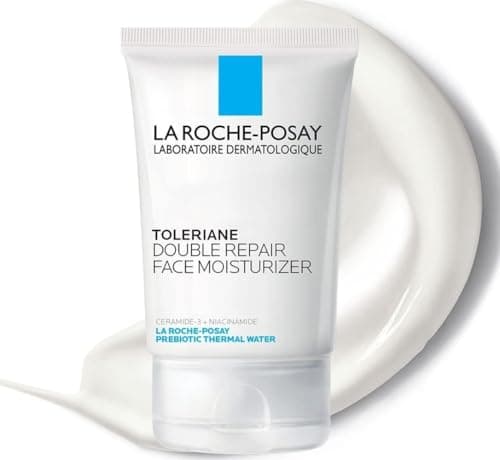
La Roche-Posay Toleriane Double Repair Face Moisturizer Review (2026): Specs, Pros & Cons, and Who It’s For
Check Price on Amazon →
What is Chemical vs Physical Exfoliation? A Complete 2026 Guide
Chemical vs physical exfoliation is one of the most confusing skincare decisions because both can smooth rough skin, but they work in very different ways. If you’ve ever wondered which option is gentler, which gives faster results, or which is better for acne, sensitive skin, or body bumps, this gui
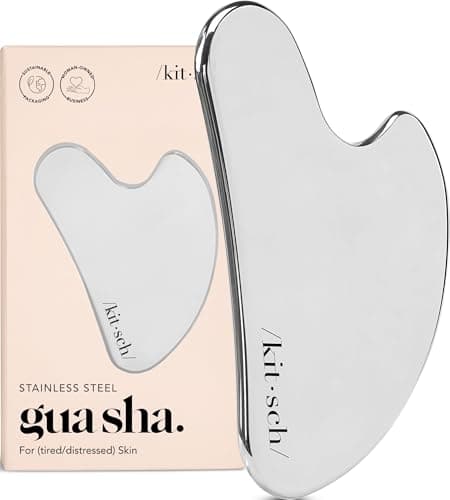
8 Best Gua Sha and Facial Tools in 2026 — Best Picks for Depuffing, Sculpting, and Daily Self-Care
If you’re shopping for the best gua sha and facial tools, the hard part is separating genuinely useful designs from pretty-looking sets that won’t hold up in daily use. This roundup focuses on tools that are easy to clean, comfortable to hold, and commonly praised in published reviews and owner feed