
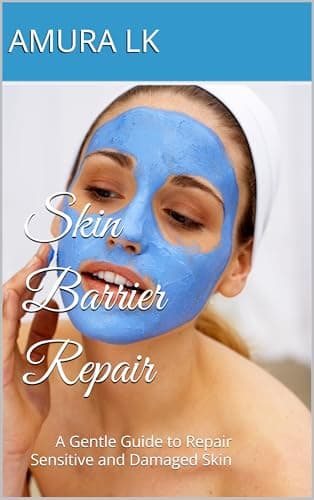
What is Skin Barrier Repair Guide? A Complete 2026 Guide
If your skin feels tight, stings after cleansing, looks flaky, or suddenly reacts to products that used to be fine, your skin barrier may be compromised. This skin barrier repair guide explains what the barrier is, why it matters, and how to support it without making irritation worse. You’ll also learn what to look for in barrier-friendly products and which option from the current product list is the best fit for a gentle repair-focused routine.
Related Reviews
How It Works
The skin barrier is the outermost layer of skin, often compared to a brick wall. The “bricks” are skin cells, and the “mortar” is made up of lipids like ceramides, cholesterol, and fatty acids that help hold moisture in and keep irritants out.
When the barrier is healthy, skin stays more resilient, hydrated, and comfortable. When it’s damaged by over-cleansing, harsh exfoliation, weather, acne treatments, or friction, water escapes more easily and irritants get in more easily, which can lead to dryness, redness, burning, and sensitivity.
A good repair approach focuses on reducing stress and supporting the skin’s natural recovery process. In practical terms, that usually means using a gentle cleanser, simplifying your routine, and choosing moisturizers or care products that help replenish lipids and reduce transepidermal water loss.
Key Benefits & Use Cases
A skin barrier repair routine is most useful when skin feels raw, reactive, or chronically dry. It can also help people who are using active ingredients like retinoids, acids, or acne treatments and need a more supportive routine around them.
Key benefits
- Helps reduce tightness, stinging, and visible dryness.
- Supports moisture retention for softer, more comfortable skin.
- Can make a routine more tolerable when using active skincare ingredients.
- May help calm the look of temporary redness caused by irritation.
- Encourages a simpler, more sustainable skincare routine.
Common use cases
- Skin that feels over-exfoliated or “stripped.”
- Dry, flaky skin after cold weather or low humidity.
- Sensitive skin that reacts to fragranced or harsh products.
- Supportive care during acne treatment routines.
- Maintenance for people who want to prevent barrier damage before it starts.
What to Look For When Buying
When shopping for barrier-supportive skincare, the goal is not “the strongest” product — it’s the most compatible one for stressed skin. Here are five criteria to focus on.
1. Gentle, low-irritation formula
Look for products designed for sensitive or damaged skin, ideally with minimal fragrance and a straightforward ingredient list. The fewer unnecessary irritants, the easier it is for compromised skin to tolerate the product.
2. Barrier-supporting ingredients
Ceramides, glycerin, hyaluronic acid, cholesterol, fatty acids, squalane, and panthenol are commonly used in barrier-supportive products. These ingredients help hydrate skin and reinforce the skin’s protective function.
3. Moisture retention support
Good repair products help reduce water loss and keep the skin feeling cushioned. Occlusive or emollient ingredients can be especially helpful when skin is very dry or flaky.
4. Simple routine compatibility
Choose a product that fits easily into a stripped-back routine. If your skin is irritated, a complicated routine with multiple actives can make it harder to tell what is helping or hurting.
5. Evidence from reviews and product positioning
Since not every product is tested the same way, look at the product’s intended use, ingredient focus, and owner feedback. For a skin barrier repair guide, products that are consistently described as gentle, soothing, and moisturizing are usually the safest starting point.
Top Recommended Products
Below is the current product from the list that fits this topic best. Because this is a research-based explainer, the recommendation is based on the product’s title, positioning, and available product data rather than hands-on testing.
Skin Barrier Repair : A Gentle Guide to Repair Sensitive and Damaged Skin ✓ Prime $2.99
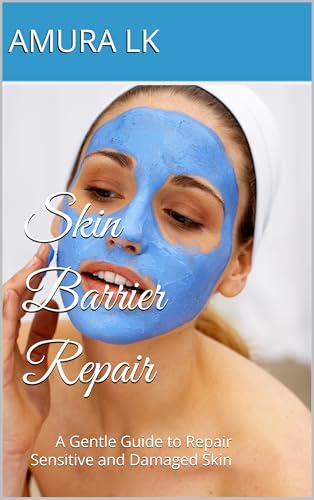
This is the only product in the current list, and it aligns directly with the topic of sensitive and damaged skin repair. For readers who want a low-cost, beginner-friendly starting point, it stands out as a simple informational companion to a barrier-repair routine.
- ✓ Directly focused on sensitive and damaged skin
- ✓ Very low price point for an easy entry into the topic
- ✓ Prime eligibility adds convenience for shoppers
- ✓ Matches the search intent of learning how to support the skin barrier
- ✗ This is a guide/book, not a skincare treatment product
- ✗ No ingredient list or clinical formula to compare
- ✗ Best for education rather than immediate topical relief
Common Mistakes to Avoid
When trying to repair the skin barrier, many people accidentally make the problem worse by doing too much. Avoid these common mistakes to give your skin the best chance to recover.
- Over-exfoliating: Using acids, scrubs, or peels too often can worsen irritation and dryness.
- Using too many products at once: A crowded routine makes it harder to identify what is triggering sensitivity.
- Skipping moisturizer: Even oily or acne-prone skin can need barrier support when irritated.
- Using harsh cleansers: Stripping cleansers can leave skin feeling tight and more reactive.
- Expecting instant results: Barrier repair is gradual and often takes consistent gentle care.
Frequently Asked Questions
What is the skin barrier?
The skin barrier is the outer layer of skin that helps keep moisture in and irritants out. When it is healthy, skin is usually more comfortable, hydrated, and resilient.
How do I know if my skin barrier is damaged?
Common signs include tightness, stinging, burning, flaking, redness, and sudden sensitivity to products that normally feel fine. Some people also notice increased dryness or rough texture.
How long does it take to repair the skin barrier?
Recovery time varies depending on how irritated the skin is and how consistent the routine is. Mild cases may improve in days, while more persistent irritation can take weeks of gentle care.
Should I stop using active ingredients while repairing my barrier?
Often, yes — especially if retinoids, acids, or other actives are causing stinging or dryness. Many people do better by pausing strong treatments until the skin feels calmer.
What ingredients are best for barrier repair?
Ceramides, glycerin, hyaluronic acid, cholesterol, fatty acids, squalane, and panthenol are commonly recommended. These ingredients help hydrate skin and support the barrier’s protective function.
Get the Full Beauty & Personal Care Buyer's Guide
Join our free newsletter — we'll send our latest Beauty & Personal Care picks, specs and verdicts straight to your inbox.
Free. No spam. Unsubscribe anytime.
Was this review helpful?
Be the first to share your feedback on this review.
Sign in to vote and let us know what you think.
Discussion (0)
No comments yet. Be the first to start the discussion.
Related Reviews
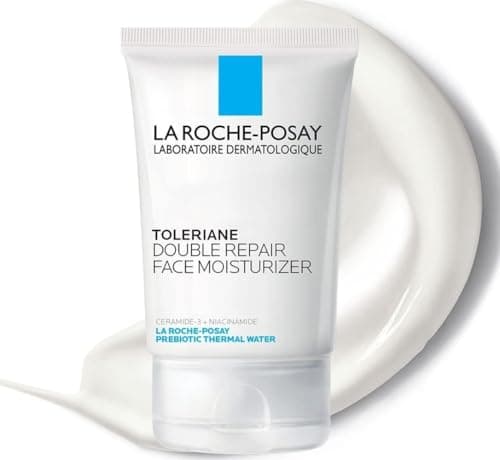
La Roche-Posay Toleriane Double Repair Face Moisturizer Review (2026): Specs, Pros & Cons, and Who It’s For
Check Price on Amazon →
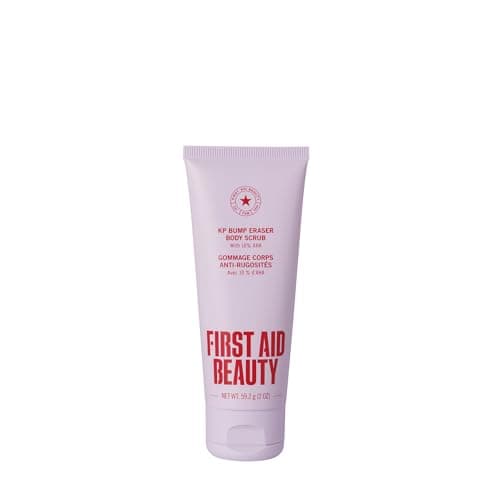
What is Chemical vs Physical Exfoliation? A Complete 2026 Guide
Chemical vs physical exfoliation is one of the most confusing skincare decisions because both can smooth rough skin, but they work in very different ways. If you’ve ever wondered which option is gentler, which gives faster results, or which is better for acne, sensitive skin, or body bumps, this gui
8 Best Gua Sha and Facial Tools in 2026 — Best Picks for Depuffing, Sculpting, and Daily Self-Care
If you’re shopping for the best gua sha and facial tools, the hard part is separating genuinely useful designs from pretty-looking sets that won’t hold up in daily use. This roundup focuses on tools that are easy to clean, comfortable to hold, and commonly praised in published reviews and owner feed