
What is Retinol Guide How to Start? A Complete 2026 Guide
If you’re searching for a retinol guide how to start, you probably want clearer skin without the redness, peeling, and confusion that often come with it. Retinol can be one of the most effective skincare ingredients for acne, texture, and early signs of aging, but starting too fast is the easiest way to irritate your skin. This guide explains what retinol is, how it works, and how to introduce it safely so you can build results gradually.
Related Reviews
How It Works
Retinol is a vitamin A derivative that helps speed up skin cell turnover, which means your skin sheds old cells and replaces them with newer ones more efficiently. Over time, this can help unclog pores, soften the look of fine lines, and improve uneven tone and rough texture.
It also supports collagen production indirectly, which is why it’s often recommended for people who want both acne support and anti-aging benefits. Because retinol can be irritating at first, the key is to start low and slow so your skin barrier has time to adapt.
Key Benefits & Use Cases
Retinol is popular because it can address several common skin concerns at once. It’s not a quick fix, but with consistent use, it can make a noticeable difference over time.
1. Helps with acne and clogged pores
By encouraging faster turnover, retinol can help keep pores from becoming congested. This makes it useful for blackheads, whiteheads, and acne-prone skin.
2. Improves texture and roughness
If your skin feels bumpy or looks uneven, retinol may help smooth the surface gradually. Many people notice their skin looks more refined after regular use.
3. Softens the look of fine lines
Retinol is widely used in anti-aging routines because it can help reduce the visible appearance of fine lines over time. It works best as a long-term consistency ingredient rather than an overnight treatment.
4. Helps with dark marks and uneven tone
For post-acne marks or dullness, retinol may support a more even-looking complexion. Results are usually slow and depend on how consistently you use it.
5. Works for many skin goals
Whether your main concern is breakouts, texture, or early aging, retinol can fit into a simple routine. The challenge is choosing the right strength and using it in a way your skin can tolerate.
What to Look For When Buying
If you’re trying to figure out how to start retinol, the product you choose matters almost as much as how you use it. Here are five things to look for before buying.
1. Retinol strength
Beginners usually do best with a lower concentration. Starting too strong can cause irritation, dryness, and peeling that makes people quit too early.
2. Formula type
Look for a formula designed for sensitive or beginner skin if you’re new to retinol. Creams and moisturized serums are often easier to tolerate than very strong, fast-acting formulas.
3. Supporting ingredients
Helpful ingredients like glycerin, ceramides, niacinamide, or squalane can make the product gentler. These can support the skin barrier while retinol does its work.
4. Packaging
Retinol is sensitive to light and air, so packaging matters. Opaque, airtight packaging can help protect the formula and keep it more stable.
5. Your skin type and routine compatibility
Choose a product that fits your current routine, not one that forces you to overhaul everything. If you already use exfoliating acids, acne treatments, or strong actives, you may need to simplify first.
Common Mistakes to Avoid
Most retinol problems come from using it too aggressively instead of too slowly. If you want better results with less irritation, avoid these common mistakes.
Starting every night right away
One of the biggest beginner mistakes is applying retinol daily from the start. Most people do better beginning with two nights per week and increasing gradually only if their skin stays comfortable.
Using too much product
More retinol does not mean better results. A pea-sized amount is usually enough for the whole face.
Skipping moisturizer
Moisturizer can help reduce dryness and irritation. Many beginners do better with the “sandwich” method: moisturizer first, retinol second, then another layer of moisturizer if needed.
Ignoring purging versus irritation
Some people experience a temporary purge, where breakouts appear before improvement. But burning, severe redness, swelling, or persistent irritation is not the same thing and may mean the product is too strong or too frequent.
Mixing with too many strong actives
Using retinol alongside harsh exfoliants, strong acids, or other irritating ingredients can overwhelm the skin. When starting, keep the routine simple and gentle.
Forgetting sunscreen
Retinol can make skin more sun-sensitive, so daily sunscreen is essential. Without it, you may undo some of the benefits and increase irritation risk.
Frequently Asked Questions
How do I start retinol as a beginner?
Start with a low-strength product, apply it only two nights per week, and use a pea-sized amount on dry skin. Add moisturizer to reduce irritation and increase frequency slowly only if your skin tolerates it.
What is purging with retinol?
Purging is a temporary increase in breakouts as retinol speeds up cell turnover and brings clogged pores to the surface. It usually happens in areas where you already break out and should improve over time.
What is the sandwich method for retinol?
The sandwich method means applying moisturizer before retinol and another layer after it. This can help reduce dryness and irritation, especially for beginners or sensitive skin.
How often should I use retinol at first?
Most beginners should start with 1 to 2 nights per week. If your skin stays comfortable after a few weeks, you can slowly increase frequency.
Can I use retinol every night?
Some people eventually can, but beginners usually should not start there. Nightly use too soon often leads to peeling, redness, and barrier damage, which can make retinol harder to continue.
Get the Full Beauty & Personal Care Buyer's Guide
Join our free newsletter — we'll send our latest Beauty & Personal Care picks, specs and verdicts straight to your inbox.
Free. No spam. Unsubscribe anytime.
Was this review helpful?
Be the first to share your feedback on this review.
Sign in to vote and let us know what you think.
Discussion (0)
No comments yet. Be the first to start the discussion.
Related Reviews

8 Best Facial Microcurrent Devices for Sagging Skin in 2026 — Lift, Tighten, and Sculpt at Home
If sagging skin, soft jawlines, and tired-looking cheeks are making you search for the best facial microcurrent devices for sagging skin , you’re in the right place. This roundup focuses on at-home tools that combine microcurrent, red light, heat/cool therapy, or sculpting features to help improve t
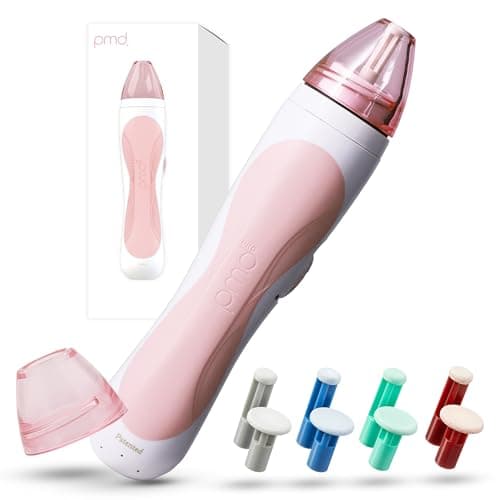
8 Best At-Home Microdermabrasion Machines in 2026 — Smooth, Spa-Like Exfoliation Without the Appointment
If you want brighter-looking skin, fewer clogged pores, and a more polished texture without booking a salon visit, the best at-home microdermabrasion machines 2026 can be a smart buy. The challenge is that not every device delivers the same mix of suction, comfort, portability, and value. This resea
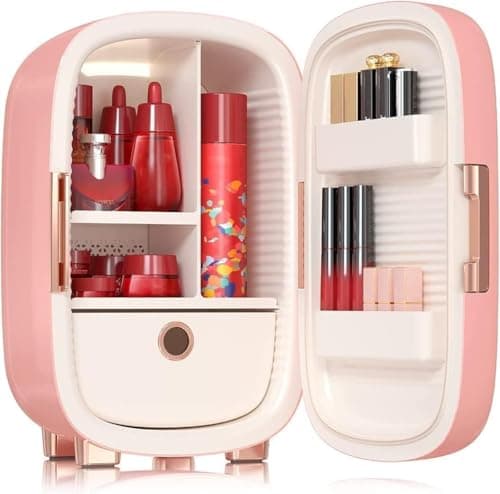
What is a Beauty Fridge Buying Guide for Skincare Storage? A Complete 2026 Guide
A beauty fridge buying guide for skincare storage helps you choose a mini refrigerator that keeps serums, creams, masks, and makeup at a stable cool temperature without wasting money on the wrong features. The challenge is that not every compact fridge is built for cosmetics, and the wrong one can b