

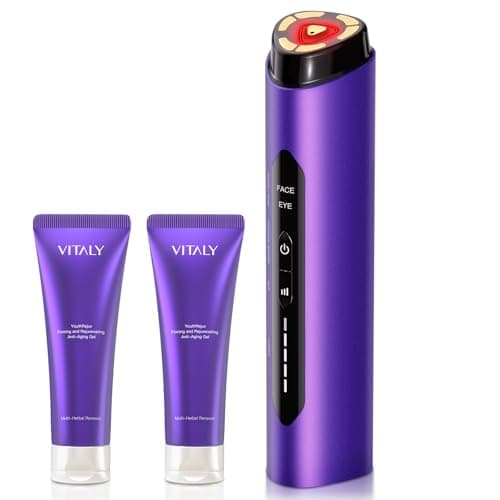
Who this is for: Best for beginners and value-focused buyers who want a safer, easier at-home lifting routine.
How to Choose the Best At-Home LED + Microcurrent Device in 2026: Complete Buying Guide
If you’re trying to figure out how to choose an at-home LED + microcurrent device, the biggest challenge is separating real features from marketing buzz. The wrong pick can be uncomfortable, underpowered, or simply too complicated to use consistently. This guide breaks down the features that matter most, the red flags to avoid, and the best product type for different needs so you can buy with confidence.
Related Reviews
Key Features to Look For
1) Microcurrent strength and adjustability
Microcurrent is the core “lifting” feature in these devices, so you want multiple intensity levels rather than a one-setting tool. Adjustable output helps beginners start low and increase gradually as their skin adapts, which can improve comfort and consistency.
2) LED light options and treatment modes
LED is often included to support skin appearance beyond lifting, such as helping with glow, redness, or overall tone. A device with clearly labeled modes is easier to use because you can match the treatment to your goal instead of guessing which setting does what.
3) Safety controls and temperature management
If a device uses heat or combines multiple technologies, safety matters a lot. Look for features like temperature monitoring, automatic shutoff, or skin-protection sensors because these reduce the risk of irritation and make the device more beginner-friendly.
4) Battery life and charging convenience
At-home devices are only useful if they’re easy to keep in your routine. A longer battery life means fewer interruptions, and USB-C charging is a plus because it’s simpler to power and travel with than older charging styles.
5) Treatment speed and ease of use
Busy buyers usually abandon devices that take too long to heat up, prep, or operate. A simple interface, fast startup, and short treatment sessions make it much more likely you’ll actually use the device consistently enough to judge results.
6) Included accessories and gel compatibility
Many microcurrent devices work best with a conductive gel, and some include starter gels or accessories. That matters because it lowers your first-use friction and helps you avoid buying extra supplies immediately after purchase.
7) Warranty, support, and return confidence
Because results vary and skin is personal, buyer protection matters. A device with a clear warranty, responsive support, and a reasonable return policy is a safer choice than a cheaper option with little backup if something goes wrong.
What to Avoid
Overhyped “instant” promises
Be cautious when a product promises dramatic changes after one use. Good devices may create a temporary lifted or refreshed look, but durable improvements usually depend on regular use over time.
No clear settings or vague specs
If a listing doesn’t explain intensity levels, treatment modes, battery life, or safety controls, that’s a red flag. Vague specs often mean the device is harder to evaluate and may not perform consistently.
Skipping conductive gel requirements
Microcurrent devices often need gel to work properly and comfortably. Buyers sometimes overlook this and blame the device when the real issue is poor conductivity or dry-skin use without the right prep.
Too many functions in one device
Combination tools can be useful, but some try to do everything and do nothing well. If a device claims to replace multiple professional treatments, make sure the core functions are clearly explained and supported by real user feedback.
Poor support or unclear replacement coverage
When a device is electronic and used on the face, support matters. Avoid products with no visible customer service path, no warranty language, or confusing replacement terms.
Our Top Picks
Below are the best product types and one standout option from the current product list for shoppers who want an at-home LED + microcurrent device. Because this is a research-based buying guide, these recommendations are based on published specs, feature sets, and owner-facing information rather than hands-on testing.
Best overall value for first-time buyers
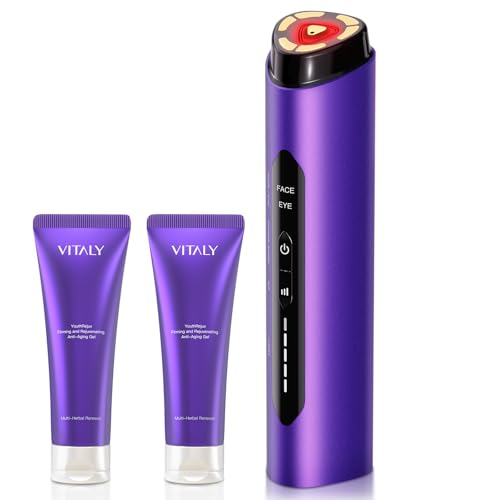


Skin Tightening Face Machine, Facial Massager Light Therapy for Face, 3 in 1 Microcurrent Facial Device Home Use Anti-Aging Device, 5 Level for Facial Firming, Wrinkle, Lifting, Toning, Glow Boost is the most compelling all-around option if you want a feature-rich device without jumping into luxury pricing. It stands out for its 5-level adjustment, fast heat-up, built-in safety controls, and included extras like gels and a travel case, which makes it especially appealing for beginners who want a more complete starter kit.
✓ Prime 15% OFF — Was $89.99
Why it fits this guide: It combines adjustable intensity, safety-focused design, and convenient battery life, which are exactly the kinds of features shoppers should prioritize when learning how to choose an at-home LED + microcurrent device.
- ✓ 5 treatment levels for easier personalization
- ✓ Smart safety features with temperature control
- ✓ 2200mAh battery with up to 3 hours of use
- ✓ Fast 3-second heat-up for quicker routines
- ✓ Includes gels, cable, travel case, and manual
- ✗ The feature set may be more than some minimalists need
- ✗ Results still depend on consistent use over time
- ✗ Sensitive-skin users may still need to patch test first
Best for buyers who want safety-first features
If your main concern is comfort and controlled use, prioritize a device with temperature monitoring, automatic protection, and clearly stated usage guidance. That matters because facial devices should feel predictable, not intimidating, especially for first-time users or anyone with reactive skin.
- ✓ Safety sensors help reduce overheating risk
- ✓ Clear usage guidance supports better routines
- ✓ Better for cautious beginners
- ✗ Safety features don’t replace proper skin prep
- ✗ May still require learning the correct technique
Best for busy routines and travel
For people who want something easy to keep in a bathroom drawer or overnight bag, battery life and fast startup matter most. A device that heats quickly and offers several hours of use is more likely to stay in your routine than one that needs constant recharging.
- ✓ Long battery life supports more sessions between charges
- ✓ Fast startup makes short routines realistic
- ✓ Travel case adds convenience
- ✗ Portability doesn’t guarantee stronger results
- ✗ You still need a consistent schedule
Best for value-focused shoppers
If you’re trying to spend less while still getting a capable device, look for a model with adjustable levels, included accessories, and a reasonable warranty. That gives you more of the essentials without paying extra for advanced branding or premium packaging.
- ✓ Better feature-to-price balance
- ✓ Starter accessories lower the upfront cost
- ✓ Warranty support adds peace of mind
- ✗ Lower price can mean fewer premium finishing touches
- ✗ Value depends on whether you’ll actually use it regularly
Budget Guide: What You Get at Each Price Point
Under $75
At this level, you’re usually looking at the most basic devices: fewer intensity settings, simpler controls, and less robust accessories. These can work for curious beginners, but you should expect fewer comfort features and less confidence around long-term durability.
$75 to $150
This is the sweet spot for many at-home buyers. You’re more likely to find adjustable levels, better safety controls, rechargeable convenience, and bundled extras like gel or a carrying case. The featured device in this guide sits in this range and offers a strong balance of usability and features.
$150 to $300
In this range, you typically pay for stronger build quality, more polished interfaces, and more refined treatment control. These devices may feel more premium and easier to use consistently, but the price jump is only worth it if you’ll stick to a routine.
$300+
High-end devices often focus on brand reputation, advanced design, and broader treatment ecosystems. For many shoppers, the main question is whether those extras are worth the premium versus a well-reviewed midrange device that already covers the basics well.
Frequently Asked Questions
1) How do I choose an at-home LED + microcurrent device for beginners?
Start with a device that has multiple intensity levels, clear instructions, safety controls, and a simple routine. Beginners usually do best with a model that feels easy to use consistently rather than one with the most complicated feature list.
2) Do I need conductive gel with a microcurrent device?
In most cases, yes. Conductive gel helps the device glide properly and supports the current delivery, which can improve comfort and effectiveness. Always check the manufacturer’s instructions for the exact requirement.
3) Are at-home LED + microcurrent devices worth it?
They can be worth it if you use them consistently and choose a model with the right features for your goals. Buyers who expect instant dramatic changes may be disappointed, but people looking for a convenient routine often find them useful.
4) What features matter most for sensitive skin?
Look for temperature controls, adjustable intensity, clear usage guidance, and a device that encourages gradual use. Sensitive-skin users should also patch test and follow the brand’s recommendations closely before full-face use.
5) What is the biggest mistake people make when buying one?
The most common mistake is focusing on marketing claims instead of usability. A device can sound advanced on paper, but if it is uncomfortable, confusing, or hard to keep charged, it probably won’t become part of your routine.
Pros
- + 5 intensity levels for easier personalization
- + Safety-focused temperature control
- + Long battery life with fast heat-up
- + Includes gels, cable, and travel case
- + Prime shipping and discount value
Cons
- – Results still depend on consistent use
- – May be more features than minimalists need
- – Sensitive-skin users should patch test first
Frequently asked questions
- How do I choose an at-home LED + microcurrent device for beginners?
- Start with a device that has multiple intensity levels, clear instructions, safety controls, and a simple routine. Beginners usually do best with a model that feels easy to use consistently rather than one with the most complicated feature list.
- Do I need conductive gel with a microcurrent device?
- In most cases, yes. Conductive gel helps the device glide properly and supports the current delivery, which can improve comfort and effectiveness. Always check the manufacturer’s instructions for the exact requirement.
- Are at-home LED + microcurrent devices worth it?
- They can be worth it if you use them consistently and choose a model with the right features for your goals. Buyers who expect instant dramatic changes may be disappointed, but people looking for a convenient routine often find them useful.
- What features matter most for sensitive skin?
- Look for temperature controls, adjustable intensity, clear usage guidance, and a device that encourages gradual use. Sensitive-skin users should also patch test and follow the brand’s recommendations closely before full-face use.
- What is the biggest mistake people make when buying one?
- The most common mistake is focusing on marketing claims instead of usability. A device can sound advanced on paper, but if it is uncomfortable, confusing, or hard to keep charged, it probably won’t become part of your routine.
Get the Full Beauty & Personal Care Buyer's Guide
Join our free newsletter — we'll send our latest Beauty & Personal Care picks, specs and verdicts straight to your inbox.
Free. No spam. Unsubscribe anytime.
Was this review helpful?
Be the first to share your feedback on this review.
Sign in to vote and let us know what you think.
Discussion (0)
No comments yet. Be the first to start the discussion.
Related Reviews
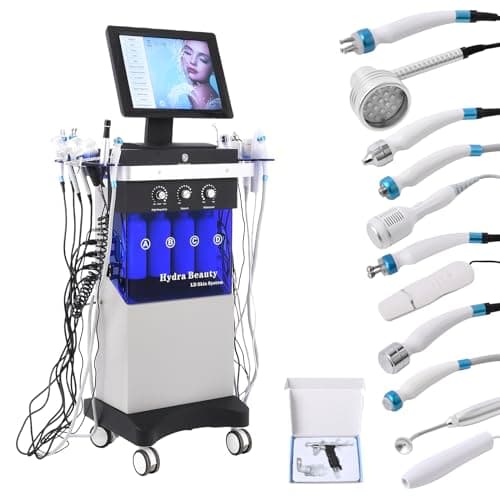
How to Choose the Best At-Home Oxygen Facial Machine in 2026: Complete Buying Guide
If you’re trying to figure out how to choose an at-home oxygen facial machine , the biggest challenge is separating real value from overbuilt machines that look impressive but don’t fit your routine. The wrong choice can mean wasted money, confusing controls, or a device that’s too weak, too bulky,
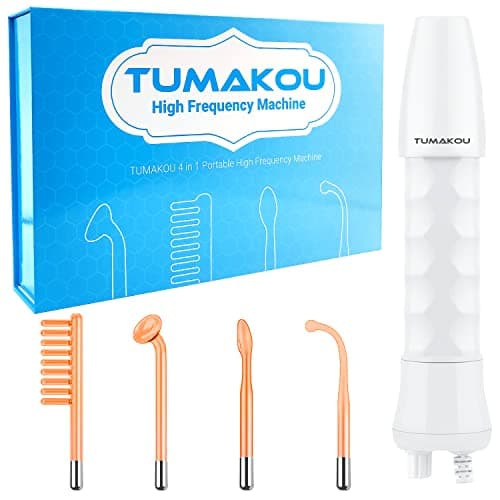
How to Choose the Best High-Frequency Facial Wand in 2026: Complete Buying Guide
If you’re trying to figure out how to choose a high-frequency facial wand , the hard part is not finding one — it’s picking a model that feels safe, easy to use, and actually fits your routine. Many buyers get stuck comparing vague product claims and end up buying a wand with the wrong tube set, wea

Best Alternatives to Foreo in 2026 — Cheaper, Better, or Both?
If you’re searching for Foreo alternatives , you’re probably weighing one of three pain points: the price feels high, the brand ecosystem feels a little locked-in, or you want a device with a better fit for cleansing, microcurrent, or travel. The good news is that Foreo’s own lineup already includes