

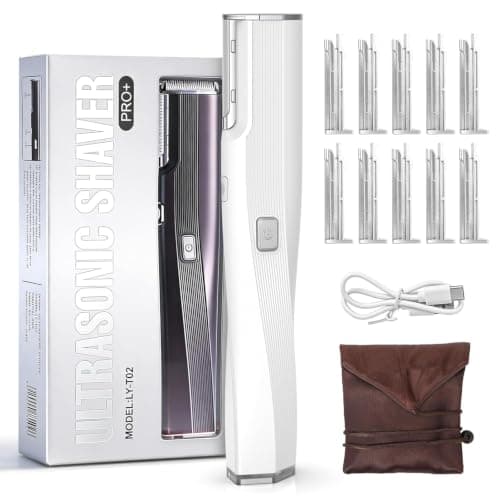
Who this is for: Best for buyers who want a safer, easier at-home dermaplaning tool for peach fuzz removal and light facial exfoliation.
Check PriceWhat is a Dermaplaning Tool Buying Guide? A Complete 2026 Guide
If you’re trying to figure out which dermaplaning tool is actually worth buying, the choices can feel confusing fast. Some tools are designed for simple facial exfoliation, while others add sonic vibration, safety guards, or replacement blades that change the experience a lot. This dermaplaning tool buying guide breaks down how these tools work, what matters most before you buy, and which option stands out based on researched specs and owner feedback.
Related Reviews
At a basic level, a dermaplaning tool is a facial grooming device that helps remove peach fuzz and dead skin from the skin’s surface. The goal is smoother texture, better makeup application, and a fresher-looking finish without needing a salon visit. In 2026, the most useful buying decisions come down to safety, blade design, ease of use, and whether the tool fits your skin type and routine.
How It Works
Dermaplaning works by using a blade or blade-like edge to gently skim the outermost layer of skin, removing fine facial hair and built-up dead skin cells. When done correctly, it can make skin feel smoother and help skincare products and makeup sit more evenly on the face. The main difference between tools is how they control contact with the skin and how much protection they provide against nicks or irritation.
Manual dermaplaning tools rely on steady hand control, while powered or sonic versions add vibration to help the blade move more efficiently. That vibration can reduce tugging and make the process feel easier for some users, especially around delicate areas like the upper lip or cheeks. Many modern tools also use protective mesh or guard systems to create a safer barrier between the blade and the skin.
For buyers, the technology matters less than the result: a tool should feel comfortable, be easy to control, and minimize redness or accidental cuts. That’s why safety features and blade quality are often more important than flashy claims.
Key Benefits & Use Cases
People buy dermaplaning tools for a few common reasons. The most obvious is removing peach fuzz, which can make the face look smoother and makeup apply more evenly. Another benefit is light exfoliation, which helps remove dead skin on the surface and can leave skin looking brighter.
These tools are also popular for at-home grooming because they can save time and reduce trips to a salon. For users who want a quick refresh before an event, a dermaplaning tool can be a fast part of a skincare routine. Some people also prefer them because they offer more control than waxing or threading for facial fuzz.
Typical use cases include:
- Removing peach fuzz before makeup application
- Light facial exfoliation for smoother texture
- Quick grooming between salon appointments
- At-home skincare maintenance
- Travel-friendly touch-ups
What to Look For When Buying
When shopping for a dermaplaning tool, focus on the features that affect safety, comfort, and long-term value. Here are the five criteria that matter most.
1. Blade Safety and Skin Protection
The best tools include a protective guard or mesh to reduce the chance of nicks and redness. This is especially important if you have sensitive skin or are new to dermaplaning.
2. Comfort and Ease of Control
Look for an ergonomic shape, simple button controls, and a design that feels easy to guide around the face. A tool that’s awkward to hold is more likely to cause uneven results.
3. Blade Replacement Availability
Replacement blades matter because dermaplaning works best with a clean, sharp edge. A kit that includes extras can be more convenient and better value over time.
4. Skin-Type Compatibility
Some tools are better for dry or sensitive skin, while others are built to handle thicker peach fuzz. Dual-speed settings can help users choose a gentler or stronger mode depending on the area.
5. Portability and Battery Life
If you travel or want a low-maintenance routine, battery life and compact size become important. A lightweight tool with long battery life is easier to keep in regular use.
Top Recommended Products
PEDOOD Dermaplane Razor for Women Face, Painless Sonic Dermaplane Tool with 10 Upgraded Micro Mesh Dermaplaning Blades, Women’s Facial Exfoliation & Peach Fuzz Hair Removal System (Pearl White) 4.7★ (reviews not listed) ✓ Prime
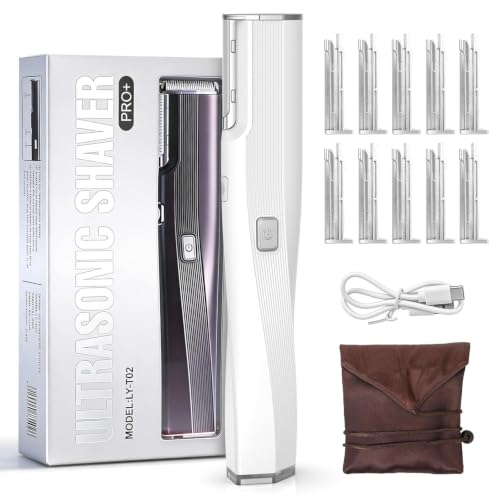


This is the standout option in the current product list because it combines sonic vibration, a micro-guard blade design, replacement blades, and a lightweight body. Based on the published features, it is aimed at users who want a gentler at-home dermaplaning experience with less tugging and fewer setup hassles.
- ✓ Sonic vibration is designed to lift and cut facial fuzz more efficiently
- ✓ 0.1mm ultra-fine protective mesh adds a safety-focused blade barrier
- ✓ Two speed modes help adjust for delicate or thicker areas
- ✓ Includes 10 replacement blades for long-term use
- ✓ Lightweight 50g design is easy to pack and store
- ✓ Prime eligibility may make delivery more convenient
- ✗ Higher price than basic manual facial razors
- ✗ Battery-powered tools require charging and maintenance
- ✗ Sonic features may be more than some users need
Common Mistakes to Avoid
One common mistake is choosing a tool based only on price. A cheaper option may not include the protective features or blade quality needed for comfortable use, especially if your skin is sensitive.
Another mistake is pressing too hard. Dermaplaning should be gentle, and too much pressure increases the risk of redness or small cuts. It’s also easy to overlook blade replacement, which can reduce performance and hygiene over time.
Other mistakes include using the tool on irritated or broken skin, skipping cleanliness, and assuming all tools work the same way. A sonic tool, a manual razor, and a guarded blade system can feel very different in actual use, so it helps to match the design to your comfort level and routine.
Frequently Asked Questions
Is dermaplaning safe to do at home?
It can be safe when you use a well-designed tool, follow the instructions, and avoid pressing too hard. Tools with protective guards and gentle operation are usually better for beginners.
How often should I use a dermaplaning tool?
Many people use dermaplaning tools every 1 to 2 weeks, but frequency depends on skin sensitivity and how quickly peach fuzz returns. If your skin feels irritated, it’s best to wait longer between sessions.
Do dermaplaning tools work on sensitive skin?
Some do, especially models with safety meshes, gentle speed settings, and claims focused on low irritation. Sensitive skin users should look for tools designed to reduce tugging and redness.
What is the difference between a manual and sonic dermaplaning tool?
Manual tools rely on hand motion alone, while sonic tools use vibration to help the blade move more smoothly. Sonic designs may feel gentler and easier to control for some users.
Do I need replacement blades?
Yes, replacement blades are important for keeping the tool effective and hygienic. A kit that includes extras can save money and make maintenance easier.
Pros
- + Sonic vibration for gentler facial fuzz removal
- + Protective micro-guard blade design
- + Two speed settings for different areas
- + Includes 10 replacement blades
- + Lightweight and travel-friendly
Cons
- – Higher price than basic manual razors
- – Requires charging and battery upkeep
- – Sonic features may be unnecessary for some buyers
Frequently asked questions
- Is dermaplaning safe to do at home?
- It can be safe when you use a well-designed tool, follow the instructions, and avoid pressing too hard. Tools with protective guards and gentle operation are usually better for beginners.
- How often should I use a dermaplaning tool?
- Many people use dermaplaning tools every 1 to 2 weeks, but frequency depends on skin sensitivity and how quickly peach fuzz returns. If your skin feels irritated, it’s best to wait longer between sessions.
- Do dermaplaning tools work on sensitive skin?
- Some do, especially models with safety meshes, gentle speed settings, and claims focused on low irritation. Sensitive skin users should look for tools designed to reduce tugging and redness.
- What is the difference between a manual and sonic dermaplaning tool?
- Manual tools rely on hand motion alone, while sonic tools use vibration to help the blade move more smoothly. Sonic designs may feel gentler and easier to control for some users.
- Do I need replacement blades?
- Yes, replacement blades are important for keeping the tool effective and hygienic. A kit that includes extras can save money and make maintenance easier.
Score breakdown
- value
- 8.1
- usability
- 8.8
- durability
- 8.0
- performance
- 8.6
- buyerFeedback
- 8.4
Get the Full Beauty & Personal Care Buyer's Guide
Join our free newsletter — we'll send our latest Beauty & Personal Care picks, specs and verdicts straight to your inbox.
Free. No spam. Unsubscribe anytime.
Was this review helpful?
Be the first to share your feedback on this review.
Sign in to vote and let us know what you think.
Discussion (0)
No comments yet. Be the first to start the discussion.
Related Reviews
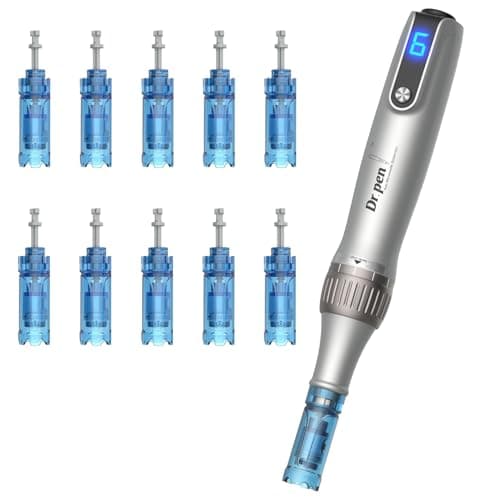
How to Choose the Best At-Home Microneedling Pen in 2026: Complete Buying Guide
If you’re trying to figure out how to choose an at-home microneedling pen , the hardest part is not the price tag — it’s knowing which features actually matter for safe, easy home use. The most common mistake buyers make is choosing based on needle depth claims alone, without checking usability, car

La Roche-Posay Toleriane Double Repair Face Moisturizer Review (2026): Specs, Pros & Cons, and Who It’s For
Check Price on Amazon →

What is Chemical vs Physical Exfoliation? A Complete 2026 Guide
Chemical vs physical exfoliation is one of the most confusing skincare decisions because both can smooth rough skin, but they work in very different ways. If you’ve ever wondered which option is gentler, which gives faster results, or which is better for acne, sensitive skin, or body bumps, this gui