
Who this is for: Best for buyers who want a portable, sensitivity-conscious whitening pen for mild stain maintenance.
Check PriceKey Specifications
| Specification | Details |
|---|---|
| Product | SNOW Extra Strength Teeth Whitening Pen - Hydroxyapatite - 4ml, 2 Pack |
| Format | Whitening pen / stick |
| Size | 4 ml, 2-pack |
| Claimed Use Time | 10 minutes, twice a day |
| Claimed Whitening Result | Up to 8 shades in 14 days |
| Active Positioning | Hydroxyapatite-based, enamel-safe, sensitivity-focused |
| Prime |
Design & Build Quality
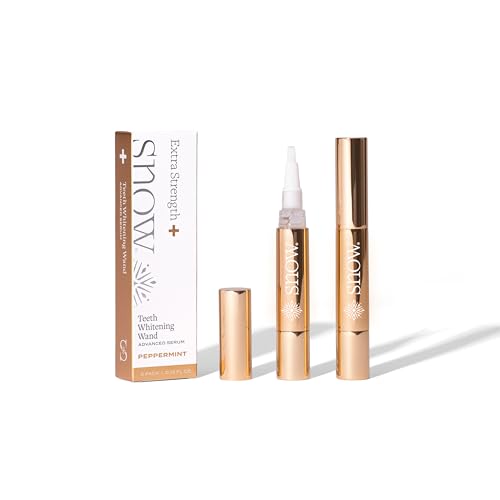
 SNOW’s Extra Strength Whitening Pen is built around convenience. The pen format is the biggest part of the design story: it is compact, easy to store, and meant for targeted application rather than a full tray-based whitening routine. That makes it appealing for people who want a lower-effort product they can keep in a bag, desk drawer, or bathroom cabinet.
The brand’s packaging and product presentation lean heavily into premium oral-care branding. Based on published listings and owner feedback, the product is positioned as a polished, modern option rather than a bargain-bin whitening stick. That said, premium presentation does not automatically mean premium performance, so the value has to come from how well it fits into a routine and how consistently it works for the buyer.
The hydroxyapatite angle is also important from a build-and-positioning standpoint. Instead of leaning only on a harsh bleaching narrative, SNOW markets the pen as a gentler, enamel-conscious option. For consumers who are wary of peroxide-heavy products, that can be a meaningful design choice in the overall product concept.
✓ Compact, travel-friendly pen format
✓ Easy targeted application for spot whitening
✓ Premium brand presentation and modern packaging
✓ Hydroxyapatite-based positioning aimed at gentler use
SNOW’s Extra Strength Whitening Pen is built around convenience. The pen format is the biggest part of the design story: it is compact, easy to store, and meant for targeted application rather than a full tray-based whitening routine. That makes it appealing for people who want a lower-effort product they can keep in a bag, desk drawer, or bathroom cabinet.
The brand’s packaging and product presentation lean heavily into premium oral-care branding. Based on published listings and owner feedback, the product is positioned as a polished, modern option rather than a bargain-bin whitening stick. That said, premium presentation does not automatically mean premium performance, so the value has to come from how well it fits into a routine and how consistently it works for the buyer.
The hydroxyapatite angle is also important from a build-and-positioning standpoint. Instead of leaning only on a harsh bleaching narrative, SNOW markets the pen as a gentler, enamel-conscious option. For consumers who are wary of peroxide-heavy products, that can be a meaningful design choice in the overall product concept.
✓ Compact, travel-friendly pen format
✓ Easy targeted application for spot whitening
✓ Premium brand presentation and modern packaging
✓ Hydroxyapatite-based positioning aimed at gentler use
Related Reviews
Performance & Features

 This is where the marketing claims need the most scrutiny. SNOW says the pen can whiten teeth up to 8 shades in 14 days with 10 minutes of use twice a day, and it also emphasizes “without sensitivity.” Those are strong claims, but they should be interpreted as brand-promoted outcomes, not guaranteed results.
From a research standpoint, the most believable strengths are convenience, ease of use, and the potential for gradual stain reduction on surface discoloration. Owner feedback commonly praises the simplicity of the format and the fact that it fits into a daily routine without much friction. That matters because whitening products only work if people actually use them consistently.
The hydroxyapatite formula is the feature that separates this product from many standard whitening pens. Hydroxyapatite is often discussed in oral-care circles as a tooth-enamel-friendly ingredient, and that makes the product more attractive to buyers who want a gentler-feeling alternative. Still, “gentle” does not mean “works instantly,” and buyers should expect a more gradual cosmetic effect than a dramatic clinical whitening treatment.
Another point worth noting is that whitening pens generally perform best on surface stains from coffee, tea, wine, or smoking rather than deeper intrinsic discoloration. So if your expectations are realistic, the product can make sense. If you want a dramatic transformation, a pen is usually not the strongest tool.
✓ Fast, simple application routine
✓ Hydroxyapatite-based formula for gentler positioning
✓ Useful for maintaining brightness and reducing light surface stains
✓ Portable format that encourages consistent use
This is where the marketing claims need the most scrutiny. SNOW says the pen can whiten teeth up to 8 shades in 14 days with 10 minutes of use twice a day, and it also emphasizes “without sensitivity.” Those are strong claims, but they should be interpreted as brand-promoted outcomes, not guaranteed results.
From a research standpoint, the most believable strengths are convenience, ease of use, and the potential for gradual stain reduction on surface discoloration. Owner feedback commonly praises the simplicity of the format and the fact that it fits into a daily routine without much friction. That matters because whitening products only work if people actually use them consistently.
The hydroxyapatite formula is the feature that separates this product from many standard whitening pens. Hydroxyapatite is often discussed in oral-care circles as a tooth-enamel-friendly ingredient, and that makes the product more attractive to buyers who want a gentler-feeling alternative. Still, “gentle” does not mean “works instantly,” and buyers should expect a more gradual cosmetic effect than a dramatic clinical whitening treatment.
Another point worth noting is that whitening pens generally perform best on surface stains from coffee, tea, wine, or smoking rather than deeper intrinsic discoloration. So if your expectations are realistic, the product can make sense. If you want a dramatic transformation, a pen is usually not the strongest tool.
✓ Fast, simple application routine
✓ Hydroxyapatite-based formula for gentler positioning
✓ Useful for maintaining brightness and reducing light surface stains
✓ Portable format that encourages consistent use
Value for Money
The pricing places it in the premium convenience category, where you are paying for brand reputation, packaging, and the promise of gentle at-home whitening.
Whether it is “worth it” depends on what you want. If you are comparing it to inexpensive toothpaste, strips, or generic whitening pens, SNOW will look expensive. If you are comparing it to dentist-office whitening or more involved at-home systems, the price can feel more reasonable—especially if you value convenience and are specifically looking for a sensitive-teeth-friendly option. The product’s biggest value advantage is that it reduces friction. A pen is easier to use than trays, easier to store than bulky kits, and easier to fit into a routine than many multi-step systems. For busy buyers, that convenience can justify part of the cost. The downside is that the research trail does not support treating the marketing claims as certainty. Owner feedback is mixed in the way many whitening products are: some people report visible improvement, while others say results are modest or slower than expected. That means the value proposition is strongest for maintenance and gradual improvement, not miracle-level whitening. ✓ Convenient format can improve consistency ✓ Premium feel may appeal to buyers avoiding generic products ✓ Good fit for mild stain maintenance ✓ Sensitivity-focused positioning may justify the price for some usersWho Should Buy This
This SNOW whitening pen makes the most sense for buyers who want a simple, portable whitening option and are cautious about sensitivity. It is also a reasonable fit for people who prefer a gentler-feeling oral-care routine and do not want to commit to trays or a more involved whitening system. It may be especially appealing if you: - want a quick touch-up product for everyday use - prefer a brand with strong oral-care marketing and broad recognition - are mainly addressing surface stains rather than deep discoloration - value hydroxyapatite-based positioning over aggressive bleaching In short, this is for the buyer who wants convenience first and dramatic whitening second.Who Should Look Elsewhere
You should probably look elsewhere if you want the lowest possible price, the fastest dramatic whitening, or a solution for heavily stained teeth. A pen format is usually not the best match for those goals. It may not be the best choice if you: - want a budget-friendly whitening product - expect dentist-level results at home - have severe staining that likely needs a stronger treatment - dislike products with marketing-heavy claims and uncertain outcome ranges If you are skeptical of brand promises and want the best value per dollar, there are cheaper alternatives that may suit you better.Best Alternatives
If you want a more budget-friendly or maintenance-focused option, the most relevant alternative in this product set is BIOREPAIR Gentle Protection- 24% Hydroxyapatite Toothpaste for Sensitive Teeth, Daily Use, Fluoride Free Toothpaste, Helps Prevents Plaque Build-Up & Freshens Breath, Oral Care, 3.28 Oz, Made in Italy. It is not a whitening pen, but it is a gentler daily-care option for buyers focused on sensitivity and enamel support. Another alternative is Davids Nano Hydroxyapatite Toothpaste Sensitive + Whitening Peppermint 4oz, which is positioned as a cleaner-ingredient whitening toothpaste with nano hydroxyapatite and daily-use appeal. For buyers who want a more premium toothpaste routine, Dr. Jen Super Paste Toothpaste, 10% Nano Hydroxyapatite, Dentist Designed offers a fluoride-and-hydroxyapatite formula that may suit people who prefer a toothpaste-first approach over a whitening pen.Final Verdict
SNOW’s Extra Strength Teeth Whitening Pen is a solid buy for the right person: someone who wants a portable, easy-to-use, sensitivity-conscious whitening product and understands that results are likely to be gradual rather than dramatic. The research suggests it is strongest as a convenience product with premium branding, not as a miracle whitening solution. If you want an at-home option that is simple, travel-friendly, and built around gentle-use positioning, this is worth considering. If you want the cheapest or most aggressive whitening route, skip it and look at alternatives instead.Frequently Asked Questions
Does the SNOW teeth whitening pen really work?
Research and owner feedback suggest it can help with surface stains and gradual brightening, but results vary and the strongest claims should be viewed cautiously.
Is SNOW teeth whitening safe for sensitive teeth?
The product is marketed as sensitivity-friendly and hydroxyapatite-based, which may appeal to sensitive users, but individual reactions can still differ.
How long does it take to see results from SNOW?
SNOW claims up to 8 shades in 14 days with twice-daily use, but real-world results depend on stain type, consistency, and starting tooth shade.
Is the SNOW whitening pen worth the price?
It can be worth it if you value convenience and a premium, gentle-use format, but it is expensive compared with many basic whitening options.
What is the best alternative to SNOW teeth whitening?
For a gentler daily-care alternative, BIOREPAIR Gentle Protection is a strong option; for a whitening toothpaste approach, Davids Nano Hydroxyapatite Toothpaste is another relevant choice.
Pros
- + Compact, travel-friendly pen format
- + Hydroxyapatite-based formula
- + Simple, low-friction daily use
- + Good for mild surface stains
- + Prime shipping available
Cons
- – Expensive for a whitening pen
- – Results are not guaranteed
- – Marketing claims are aggressive
- – Not ideal for deep discoloration
- – Cheaper alternatives exist
Frequently asked questions
- Does the SNOW teeth whitening pen really work?
- Research and owner feedback suggest it can help with surface stains and gradual brightening, but results vary and the strongest claims should be viewed cautiously.
- Is SNOW teeth whitening safe for sensitive teeth?
- The product is marketed as sensitivity-friendly and hydroxyapatite-based, which may appeal to sensitive users, but individual reactions can still differ.
- How long does it take to see results from SNOW?
- SNOW claims up to 8 shades in 14 days with twice-daily use, but real-world results depend on stain type, consistency, and starting tooth shade.
- Is the SNOW whitening pen worth the price?
- It can be worth it if you value convenience and a premium, gentle-use format, but it is expensive compared with many basic whitening options.
- What is the best alternative to SNOW teeth whitening?
- For a gentler daily-care alternative, BIOREPAIR Gentle Protection is a strong option; for a whitening toothpaste approach, Davids Nano Hydroxyapatite Toothpaste is another relevant choice.
Score breakdown
- value
- 6.3
- usability
- 8.8
- durability
- 7.2
- performance
- 7.0
- buyerFeedback
- 7.2
Get the Full Beauty & Personal Care Buyer's Guide
Join our free newsletter — we'll send our latest Beauty & Personal Care picks, specs and verdicts straight to your inbox.
Free. No spam. Unsubscribe anytime.
Was this review helpful?
Be the first to share your feedback on this review.
Sign in to vote and let us know what you think.
Discussion (0)
No comments yet. Be the first to start the discussion.
Related Reviews

8 Best Travel Toothbrushes in 2026 — Compact Picks for Cleaner, Easier Oral Care On the Go
If you’ve ever packed for a trip and realized your toothbrush takes up too much space, gets dirty in your bag, or is a hassle to use without a sink, you’re not alone. The best travel toothbrushes solve that problem with foldable designs, disposable convenience, or all-in-one oral care features that

8 Best Kids Electric Toothbrushes in 2026 — Easier Brushing, Better Habits, and Kid-Friendly Designs
If getting your child to brush for two full minutes feels like a nightly battle, you’re not alone. The best kids electric toothbrushes can make brushing more engaging, more consistent, and easier on little gums while still delivering a better clean than a manual brush. In this research-based roundup

8 Best Retainer Cleaners in 2026 — Fresher Appliances With Less Scrubbing
If your retainer still looks cloudy after a quick rinse, you’re not alone. The best retainer cleaners make daily care easier by removing buildup, odor, and residue without harsh scrubbing or guesswork. In this research-based roundup, we compared ultrasonic machines and cleaning tablets using publish