

Who this is for: Best for readers comparing toothpaste ingredients who want a clear, evidence-based choice for cavity prevention, sensitivity, and fluoride-free preferences.
Check PriceWhat is Hydroxyapatite vs Fluoride? A Complete 2026 Guide
Trying to decide between hydroxyapatite vs fluoride can feel confusing because both ingredients are marketed for stronger enamel, fewer cavities, and less sensitivity. The short answer: fluoride has the longest track record for cavity prevention, while hydroxyapatite is a newer, enamel-like mineral that appeals to people who want a fluoride-free option or a gentler daily toothpaste. This guide breaks down how each works, where they overlap, and which products make the most sense based on researched specs, published reviews, and owner feedback.
Related Reviews
How It Works
To understand hydroxyapatite vs fluoride, it helps to start with enamel, the hard outer layer that protects your teeth. Every day, acids from food, drinks, and bacteria pull minerals out of enamel in a process called demineralization; brushing, saliva, and the right toothpaste help push minerals back in through remineralization.
Fluoride works by making enamel more resistant to acid attacks and helping rebuild weakened areas into a stronger mineral structure. In practical terms, it does not “paint over” damage; it helps teeth form a more acid-resistant surface over time, which is why it has been the standard cavity-fighting ingredient in toothpaste for decades.
Hydroxyapatite is a calcium phosphate mineral that closely matches the mineral structure of tooth enamel. In toothpaste, nano hydroxyapatite can help fill microscopic gaps on the tooth surface and support remineralization, which is why many users compare it to a more enamel-like, often gentler approach.
When people compare hydroxyapatite vs fluoride, the biggest difference is not that one “works” and the other doesn’t. It is that fluoride has more long-term evidence for cavity prevention, while hydroxyapatite is often chosen by people who want a fluoride-free formula, have sensitivity concerns, or prefer an ingredient that sounds closer to the natural structure of enamel.
Key Benefits & Use Cases
1) Cavity prevention
Fluoride remains the benchmark for reducing cavities, especially for people who are prone to decay, have dry mouth, or eat frequently throughout the day. Hydroxyapatite may also help with enamel support, but it is usually discussed as an alternative rather than a direct replacement in the strongest evidence-based sense.
2) Sensitivity support
Hydroxyapatite toothpastes are popular among people with sensitive teeth because they can help block exposed tubules in dentin and support a smoother tooth surface. Some fluoride toothpastes also include desensitizing ingredients, so sensitivity relief is not exclusive to either category.
3) Enamel repair and daily maintenance
Both ingredients are used in toothpaste meant for everyday maintenance, but they approach the problem differently. Fluoride helps strengthen enamel chemistry, while hydroxyapatite aims to replace lost mineral material on the tooth surface with a mineral that resembles enamel itself.
4) Fluoride-free preferences
Hydroxyapatite is especially useful for shoppers who want to avoid fluoride for personal, taste, or ingredient-preference reasons. That said, “fluoride-free” does not automatically mean better; it just means the formula is designed around a different philosophy of oral care.
5) Whitening and polish
Neither ingredient is a bleaching agent like peroxide, but some hydroxyapatite formulas are marketed for a smoother, cleaner feel and mild surface stain removal. If whitening is your main goal, it helps to think in terms of stain management and enamel health rather than dramatic color change.
What to Look For When Buying
1) Ingredient concentration
With hydroxyapatite, concentration matters because too little may not be meaningful, while some brands emphasize a specific percentage such as 10% nano hydroxyapatite. With fluoride, check the fluoride type and amount listed on the package so you know whether it aligns with standard cavity-prevention ranges.
2) Fluoride or fluoride-free positioning
Decide early whether you want fluoride, hydroxyapatite, or a formula that combines both. Combination formulas can appeal to people who want the familiarity of fluoride plus the enamel-like benefits of hydroxyapatite.
3) Sensitivity ingredients
If your teeth are sensitive, look for supporting ingredients such as potassium nitrate or a hydroxyapatite formula positioned for tubule blocking and enamel repair. Sensitivity relief often depends on the full formula, not just the headline ingredient.
4) Abrasiveness and daily use
For everyday brushing, a toothpaste that is too abrasive can be a problem over time, especially if you already have enamel wear or exposed dentin. Look for brands that emphasize gentle polishing, low-foam textures, or enamel-safe daily use.
5) Third-party trust signals
ADA approval, EWG verification, vegan/cruelty-free claims, and clear ingredient labeling can help you compare brands more confidently. These are not all equivalent, but they can make it easier to separate polished marketing from genuinely transparent formulations.
Top Recommended Products
If you are shopping based on hydroxyapatite vs fluoride, these are the most relevant toothpaste options from the current product list. The right pick depends on whether you want fluoride, fluoride-free hydroxyapatite, or a hybrid formula.
Made by Dentists Professional Enamel Rebuilding Toothpaste (estimated based on product positioning)


This is the most balanced option in the group because it combines nano hydroxyapatite with sodium fluoride. That makes it especially relevant for readers who want to compare hydroxyapatite vs fluoride without choosing only one side.
Its ADA approval and sensitivity-focused positioning also make it appealing for everyday use, especially if you want one toothpaste that supports both remineralization and cavity prevention.
- ✓ Combines hydroxyapatite and fluoride in one formula
- ✓ ADA Approved for added trust
- ✓ Includes potassium nitrate for sensitivity support
- ✓ strong value for a 2-pack
- ✓ Vegan and cruelty-free positioning
- ✗ Not fluoride-free, so it won’t suit everyone
- ✗ Hybrid formulas may feel less “pure” to ingredient minimalists
- ✗ Some shoppers may prefer a single-ingredient strategy
Mouthology 10% Nano Hydroxyapatite Toothpaste (estimated based on product positioning)


If your main search question is hydroxyapatite vs fluoride and you want a fluoride-free answer, this is one of the clearest matches. It centers on 10% nano hydroxyapatite, xylitol, and a clean-ingredient profile.
It is also one of the most budget-friendly options in the list, which makes it a practical entry point for shoppers curious about hydroxyapatite without paying premium-brand prices.
- ✓ Fluoride-free for users avoiding fluoride
- ✓ 10% nano hydroxyapatite is clearly stated
- ✓ Includes xylitol and SLS-free positioning
- ✓ more affordable
- ✓ USA-made with a gentle daily-use angle
- ✗ No fluoride, so cavity-focused shoppers may want a different formula
- ✗ Whitening claims are modest and not the same as peroxide bleaching
- ✗ Smaller 4 oz size than some value packs
 Dr. Jen Super Paste Toothpaste (estimated based on product positioning)
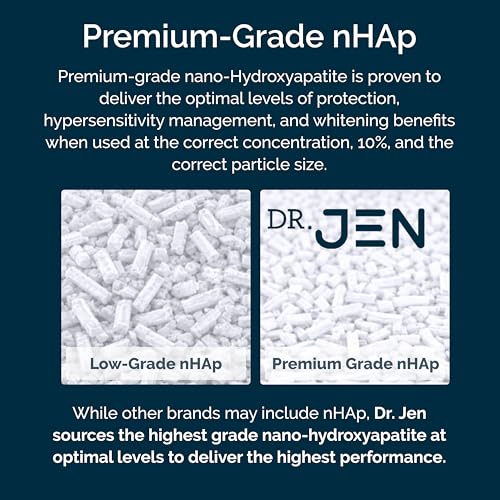

This is another hybrid formula for readers who want hydroxyapatite vs fluoride to be a both/and decision rather than an either/or choice. It combines fluoride, 10% nano hydroxyapatite, xylitol, and glycerin in a smooth daily paste.
It is the premium-priced option in this roundup, so it makes the most sense for shoppers who want a more lifestyle-oriented toothpaste with a polished texture and a dentist-designed branding angle.
- ✓ Combines fluoride and hydroxyapatite
- ✓ 10% nano hydroxyapatite is clearly disclosed
- ✓ Smooth, creamy texture for daily brushing
- ✓ Vegan and cruelty-free
- ✗ Most expensive option in this list
- ✗ Not the best value if you only want one active ingredient
- ✗ Premium branding may matter more than ingredient simplicity for some buyers
 Davids Nano Hydroxyapatite Toothpaste Sensitive + Whitening Peppermint (estimated based on product positioning)


Davids is a strong fluoride-free contender for shoppers who want a clean-label hydroxyapatite toothpaste with a more premium ingredient story. It emphasizes NanoXIM nano hydroxyapatite, sensitivity support, and gentle polishing for surface stains.
For readers comparing hydroxyapatite vs fluoride, this is the kind of product that represents the hydroxyapatite-first philosophy: enamel support, gentle whitening, and a formula designed to feel modern and ingredient-conscious.
- ✓ Fluoride-free and vegan
- ✓ Clear sensitivity-focused hydroxyapatite positioning
- ✓ Gentle whitening and stain removal emphasis
- ✓ EWG Verified claim adds trust for some shoppers
- ✓ good value
- ✗ No fluoride, so it may not be the best fit for cavity-prone users who prefer fluoride
- ✗ Whitening is mild rather than dramatic
- ✗ Premium ingredient story may raise expectations
Common Mistakes to Avoid
Assuming fluoride is “bad” or hydroxyapatite is automatically “better”
The evidence-based view is more nuanced than that. Fluoride has the strongest cavity-prevention track record, while hydroxyapatite is a compelling alternative for certain users and preferences.
Ignoring your cavity risk
If you are cavity-prone, have dry mouth, or snack frequently, a fluoride-containing toothpaste may be more appropriate. If you have low cavity risk and want a fluoride-free routine, hydroxyapatite may fit well.
Chasing whitening claims too hard
Hydroxyapatite can support a cleaner look and smoother feel, but it is not the same as peroxide whitening. If you want a noticeably whiter smile, you may need a separate whitening strategy.
Using the wrong amount or expecting instant results
Remineralization is gradual. Whether you choose hydroxyapatite or fluoride, consistency matters more than switching products every few weeks.
Not checking the full formula
Two toothpastes can both say “hydroxyapatite” and still feel very different because of abrasives, flavoring, foaming agents, and supporting ingredients. Always look at the whole formula, not just the headline ingredient.
Frequently Asked Questions
Is hydroxyapatite better than fluoride?
Not universally. Fluoride has stronger long-term evidence for cavity prevention, while hydroxyapatite is a strong fluoride-free alternative for people who want a gentler or more enamel-like ingredient.
Can I use hydroxyapatite and fluoride together?
Yes, some toothpastes combine both ingredients. Hybrid formulas are a practical option if you want the cavity-prevention reputation of fluoride and the enamel-supporting appeal of hydroxyapatite.
Is hydroxyapatite safe for daily use?
Hydroxyapatite toothpaste is generally designed for everyday brushing and is widely used as a daily oral care ingredient. As with any toothpaste, follow the label and talk to a dentist if you have special concerns.
Does hydroxyapatite whiten teeth?
It may help teeth look smoother, cleaner, and less stained, but it is not a true bleaching ingredient. Think of it as supporting surface appearance rather than delivering dramatic whitening.
Which is better for sensitive teeth, hydroxyapatite or fluoride?
Hydroxyapatite is often favored for sensitivity because it can help block exposed tubules, but some fluoride formulas also include desensitizing ingredients. The best choice depends on whether you want fluoride-free care or maximum cavity protection.
Pros
- + Fluoride has the strongest cavity-prevention track record
- + Hydroxyapatite offers a fluoride-free alternative
- + Hybrid formulas combine both ingredients
- + Some formulas support sensitivity and gentle whitening
Cons
- – Hydroxyapatite has less long-term evidence than fluoride
- – Fluoride-free options may not suit cavity-prone users
- – Whitening effects are usually modest
- – Premium formulas can be expensive
- – Results depend on consistency and the full formula
Frequently asked questions
- Is hydroxyapatite better than fluoride?
- Not universally. Fluoride has stronger long-term evidence for cavity prevention, while hydroxyapatite is a strong fluoride-free alternative for people who want a gentler or more enamel-like ingredient.
- Can I use hydroxyapatite and fluoride together?
- Yes, some toothpastes combine both ingredients. Hybrid formulas are a practical option if you want the cavity-prevention reputation of fluoride and the enamel-supporting appeal of hydroxyapatite.
- Is hydroxyapatite safe for daily use?
- Hydroxyapatite toothpaste is generally designed for everyday brushing and is widely used as a daily oral care ingredient. As with any toothpaste, follow the label and talk to a dentist if you have special concerns.
- Does hydroxyapatite whiten teeth?
- It may help teeth look smoother, cleaner, and less stained, but it is not a true bleaching ingredient. Think of it as supporting surface appearance rather than delivering dramatic whitening.
- Which is better for sensitive teeth, hydroxyapatite or fluoride?
- Hydroxyapatite is often favored for sensitivity because it can help block exposed tubules, but some fluoride formulas also include desensitizing ingredients. The best choice depends on whether you want fluoride-free care or maximum cavity protection.
Score breakdown
- value
- 8.0
- usability
- 9.0
- durability
- 8.0
- performance
- 8.0
- buyerFeedback
- 8.0
Get the Full Beauty & Personal Care Buyer's Guide
Join our free newsletter — we'll send our latest Beauty & Personal Care picks, specs and verdicts straight to your inbox.
Free. No spam. Unsubscribe anytime.
Was this review helpful?
Be the first to share your feedback on this review.
Sign in to vote and let us know what you think.
Discussion (0)
No comments yet. Be the first to start the discussion.
Related Reviews

8 Best Kids Electric Toothbrushes in 2026 — Easier Brushing, Better Habits, and Kid-Friendly Designs
If getting your child to brush for two full minutes feels like a nightly battle, you’re not alone. The best kids electric toothbrushes can make brushing more engaging, more consistent, and easier on little gums while still delivering a better clean than a manual brush. In this research-based roundup

8 Best Retainer Cleaners in 2026 — Fresher Appliances With Less Scrubbing
If your retainer still looks cloudy after a quick rinse, you’re not alone. The best retainer cleaners make daily care easier by removing buildup, odor, and residue without harsh scrubbing or guesswork. In this research-based roundup, we compared ultrasonic machines and cleaning tablets using publish

8 Best Tongue Scrapers in 2026 — Fresher Breath, Cleaner Tongues, and Better Value
If you’re shopping for the best tongue scrapers, you probably want one thing: fresher breath without guesswork or wasteful trial and error. The picks below focus on stainless-steel durability, disposable convenience, travel friendliness, and value for different households. This is a research-based r