

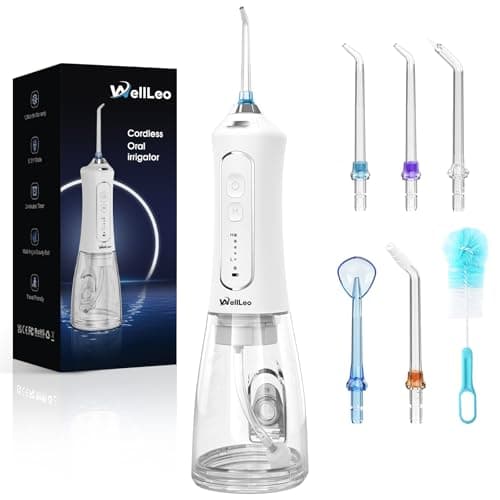
Who this is for: Best for people who want a simpler way to clean between teeth, especially those with braces or sensitive gums.
Check PriceWhat is How to Use a Water Flosser? A Complete 2026 Guide
If you’ve been wondering how to use a water flosser without making a mess or missing the spots that matter, you’re in the right place. This guide breaks down the process in plain English so you can get cleaner teeth, healthier gums, and more confidence using the device. It also highlights a few budget-friendly products that fit different needs, from cordless travel models to faucet-powered family options.
Related Reviews
A water flosser is a device that uses a pressurized stream of water to help remove food particles and plaque from between teeth and along the gumline. It’s commonly used as a supplement to brushing, especially for people with braces, sensitive gums, or tight spaces where string floss feels awkward. In this guide, you’ll learn how it works, what benefits it offers, what to look for when buying one, and the most common mistakes to avoid.
How It Works
A water flosser works by sending a focused stream of water between your teeth and around the gums. That water pressure helps dislodge debris that toothbrush bristles often can’t reach, especially in tight areas and around dental work like braces or retainers.
Most modern models let you adjust the pressure level, so you can start gently and increase intensity as you get used to it. Cordless models usually have a built-in reservoir and rechargeable battery, while faucet-powered models use household water pressure instead of electricity.
The basic idea is simple: aim the tip, let the water flow along the gumline, and move tooth by tooth. Unlike brushing, which scrubs surfaces, a water flosser flushes out spaces and crevices, making it a useful add-on for a more complete oral-care routine.
Key Benefits & Use Cases
Why people use a water flosser
Water flossers are popular because they can feel easier and less irritating than traditional string floss. For many users, that makes it more likely they’ll floss consistently, which matters more than using a perfect method once in a while.
- Braces and orthodontic appliances: Water can reach around brackets and wires more easily than string floss.
- Sensitive gums: Adjustable pressure may feel gentler than snapping floss between tight teeth.
- Busy routines: A quick rinse-style routine can be easier to stick with every day.
- Travel and small bathrooms: Cordless models are compact and easy to pack.
- Family use: Some faucet-powered systems are designed for shared household oral care.
What the research and owner feedback tend to suggest
Published product specs and owner feedback often point to the same strengths: easier cleanup after meals, a more comfortable experience for sensitive mouths, and convenience for people who dislike traditional floss. That said, a water flosser is best viewed as a supplement to brushing, not a replacement for regular dental care.
What to Look For When Buying
If you’re shopping for a water flosser, these five criteria matter most:
1. Pressure settings
Look for multiple modes or adjustable pressure so you can start low and increase as needed. This is especially important if you have sensitive gums or you’re new to water flossing.
2. Reservoir size
A larger tank means fewer refills during use. Smaller reservoirs can still work well, but they may be better for quick sessions than full-mouth cleaning.
3. Battery life or power source
Cordless rechargeable units are great for portability, while faucet-powered models avoid charging altogether. Choose based on whether you want travel convenience or a no-battery setup.
4. Waterproofing and durability
Bathroom use is common, so waterproof construction is a big plus. If you want a model that can handle daily splashes, check for water resistance ratings and simple, easy-to-clean parts.
5. Included tips and accessories
Extra jet tips, toothbrush heads, or family-friendly attachments can add value. If multiple people will use the device, more accessories can make it easier to share.
Top Recommended Products
Below are the two products from the provided list, selected for different use cases and budgets. Both are research-based recommendations drawn from published specs, feature lists, and owner feedback patterns rather than hands-on testing.
WellLeo Water Flosser for Teeth, 300ML Cordless Oral Irrigator Rechargeable Dental Flosser Picks with 5 Modes 5 Jet Tips,IPX7 Waterproof Teeth Cleaner for Braces Gum Care, Home Travel Use 4.7★ (reviews not provided) ✓ Prime


This cordless model stands out for users who want a portable, all-in-one water flosser with multiple pressure settings and a larger reservoir. Its 1300 pulses per minute, five cleaning modes, 300ML tank, and 30-day battery claim make it appealing for travel, braces care, and everyday home use.
- ✓ Five adjustable cleaning modes for different sensitivity levels
- ✓ 300ML reservoir reduces the need for frequent refills
- ✓ 2500mAh battery is designed for long intervals between charges
- ✓ IPX7 waterproof design supports bathroom use
- ✓ Comes with 5 jet tips for more flexible use
Best for: people who want a cordless, rechargeable option with more control over pressure and a travel-friendly design.
✗ No published review count was provided in the product data
✗ Cordless devices may need occasional charging and tank refills
Water Flosser for Family Use 3 Jet Tips & 3 Toothbrush for Faucet & Shower, Oral Irrigator Non-Electric Safety , Dental Oral Care Tooth Cleaning 4.5★ (reviews not provided) ✓ Prime
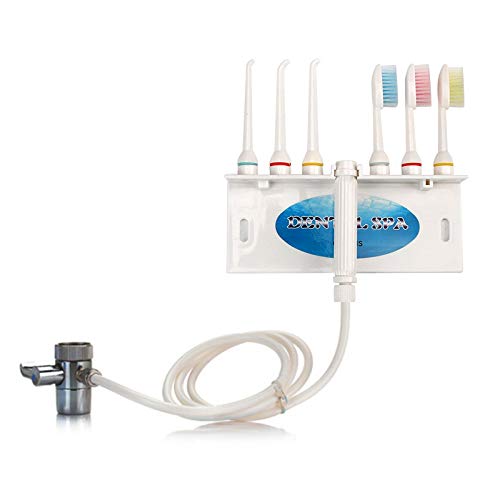


This non-electric option is designed for households that want a simple, low-maintenance oral irrigator powered by faucet pressure. It’s especially appealing if you prefer to avoid charging, batteries, or noise, and the included connectors make installation more flexible.
- ✓ No electricity, no charging, and no battery upkeep
- ✓ Uses faucet or shower water pressure for operation
- ✓ Includes 3 jet tips and 3 toothbrushes for shared use
- ✓ Designed for gentle cleaning without traditional flossing discomfort
- ✓ Prime shipping and a lower price point than many cordless options
Best for: families or budget-conscious buyers who want a simple, non-electric water flossing setup for home use.
15% OFF — Was $21.88
✗ Requires faucet or shower compatibility for setup
✗ Less portable than cordless models
Common Mistakes to Avoid
Even though a water flosser is easy to learn, a few common mistakes can reduce its effectiveness.
- Starting on the highest setting: Begin with a low pressure level to avoid discomfort and splashing.
- Rushing the process: Move slowly from tooth to tooth so the water has time to reach the gumline.
- Pointing directly at the gums: Aim along the gumline at a slight angle instead of blasting straight into the tissue.
- Using it as a replacement for brushing: A water flosser helps clean between teeth, but it does not replace brushing.
- Forgetting to clean the device: Reservoirs, tips, and connectors should be cleaned regularly to keep the unit sanitary.
For best results, many users find it helpful to use the water flosser once a day, often after brushing or after meals when food particles are most likely to be trapped.
Frequently Asked Questions
1. How do you use a water flosser for the first time?
Start with the lowest pressure setting, lean over the sink, place the tip in your mouth before turning it on, and slowly trace along the gumline tooth by tooth. Pause briefly between teeth to let the water flush out debris.
2. Should you use a water flosser before or after brushing?
Most people use it after brushing or as a separate step in their oral-care routine. The most important thing is consistency, so choose the order you’re most likely to keep doing every day.
3. Can a water flosser replace string floss?
It can be a helpful alternative for many people, especially those with braces or sensitive gums, but dentists often still recommend a full oral-care routine. If you’re unsure, ask your dental professional what’s best for your mouth.
4. How often should you use a water flosser?
Once a day is a common recommendation for general maintenance. Some people also use it after meals if they want extra help removing food particles.
5. Is a water flosser good for braces and sensitive gums?
Yes, those are two of the most common use cases. The adjustable pressure and water-based cleaning can make it easier to clean around braces and feel gentler on sensitive gums than traditional floss.
Pros
- + Gentle on sensitive gums
- + Helpful for braces and tight spaces
- + Easy to use once you learn the angle
- + Cordless and non-electric options available
- + Can make daily flossing more consistent
Cons
- – Not a full replacement for brushing
- – Some models need refills or charging
- – Faucet-powered units require compatible plumbing
Frequently asked questions
- How do you use a water flosser for the first time?
- Start with the lowest pressure setting, lean over the sink, place the tip in your mouth before turning it on, and slowly trace along the gumline tooth by tooth. Pause briefly between teeth to let the water flush out debris.
- Should you use a water flosser before or after brushing?
- Most people use it after brushing or as a separate step in their oral-care routine. The most important thing is consistency, so choose the order you’re most likely to keep doing every day.
- Can a water flosser replace string floss?
- It can be a helpful alternative for many people, especially those with braces or sensitive gums, but dentists often still recommend a full oral-care routine. If you’re unsure, ask your dental professional what’s best for your mouth.
- How often should you use a water flosser?
- Once a day is a common recommendation for general maintenance. Some people also use it after meals if they want extra help removing food particles.
- Is a water flosser good for braces and sensitive gums?
- Yes, those are two of the most common use cases. The adjustable pressure and water-based cleaning can make it easier to clean around braces and feel gentler on sensitive gums than traditional floss.
Get the Full Beauty & Personal Care Buyer's Guide
Join our free newsletter — we'll send our latest Beauty & Personal Care picks, specs and verdicts straight to your inbox.
Free. No spam. Unsubscribe anytime.
Was this review helpful?
Be the first to share your feedback on this review.
Sign in to vote and let us know what you think.
Discussion (0)
No comments yet. Be the first to start the discussion.
Related Reviews
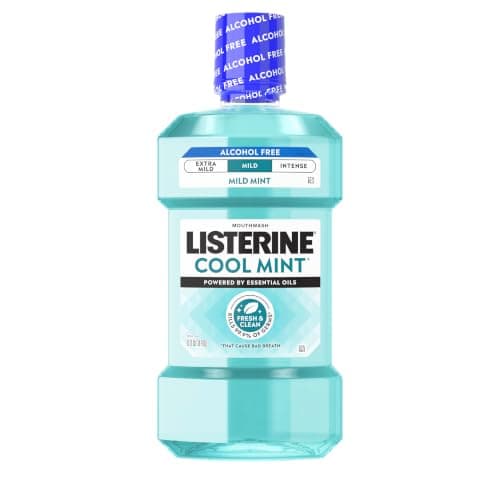
8 Best Alcohol Free Mouthwashes in 2026 — Fresh Breath Without the Burn
If you want fresher breath but hate the sting of traditional mouthwash, you’re in the right place. The best alcohol free mouthwashes can help with bad breath, plaque, gum health, and all-day freshness without that harsh burn. We narrowed this list to research-backed options with strong ingredient pr
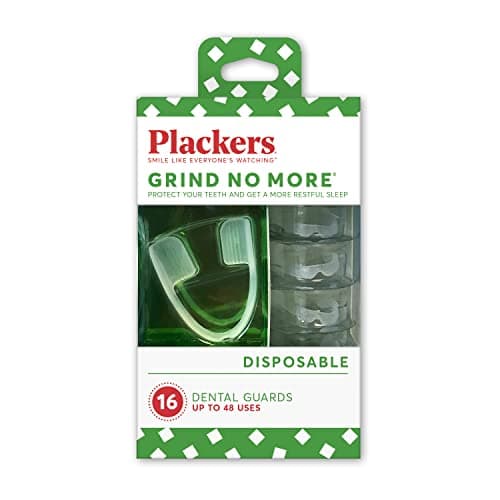
8 Best Night Guards Teeth Grinding in 2026 — Better Overnight Protection Without Dentist-Level Prices
If you wake up with jaw soreness, tooth sensitivity, or a partner complaining about grinding noises, you’re probably looking for the best night guards teeth grinding can be handled with at home. This guide narrows the field to the most practical options for comfort, fit, protection, and value based
8 Best Mouthwashes in 2026 — Fresh Breath, Gum Care, and Cavity Protection
If you’re trying to find the best mouthwashes 2026 , the hard part is separating true oral-care benefits from marketing hype. Some formulas focus on bad breath, others on gums, cavities, or a gentler alcohol-free rinse—and the right pick depends on what your mouth actually needs. This research-based