

Who this is for: Best for readers who want a clear, safety-focused explanation of gel nail allergy risks and HEMA-free buying options.
Check PriceWhat is gel allergy HEMA explained? A Complete 2026 Guide
If you’ve heard about a gel allergy and keep seeing the term HEMA, you’re probably trying to figure out what’s actually causing the reaction and how to avoid it. The short answer is that HEMA is a common ingredient in many nail gels that can trigger irritation or allergic contact dermatitis in some people. This guide gives you a clear, research-based explanation of gel allergy HEMA explained, plus what to look for if you want safer HEMA-free options.
Related Reviews
How It Works
HEMA stands for hydroxyethyl methacrylate, a monomer used in many gel nail products to help the gel bond, harden, and stay durable after curing under a UV or LED lamp. In simple terms, it’s one of the ingredients that helps liquid or semi-solid gel turn into a tough, long-wearing manicure. The problem is that if uncured gel touches the skin, or if product is not fully cured, HEMA can sensitize some people over time and lead to allergic reactions.
Allergic contact dermatitis is different from a one-time irritation. With repeated exposure, the immune system can “learn” to react to HEMA, which may cause redness, itching, swelling, blistering, or peeling around the nails and sometimes on the fingers or eyelids. Once a true allergy develops, even small exposures can cause symptoms, which is why ingredient awareness matters so much.
There’s also a practical side to this: not every nail product contains HEMA, and not every HEMA-free product is automatically “safe” for everyone. Application technique, curing time, and avoiding skin contact all matter. For people with sensitive skin or a history of reactions, choosing HEMA-free and TPO-free formulas can be a smarter starting point.
Key Benefits & Use Cases
Why people look for HEMA-free gels
HEMA-free formulas are popular because they may reduce the chance of triggering or worsening sensitivity in people who react to methacrylates. They’re especially useful for at-home users who want a more cautious ingredient profile and for professionals who want to offer alternatives to clients with known sensitivities.
Common use cases
These products are often used for nail extensions, overlays, strengthening weak nails, and 3D nail art. Solid builder gels are also attractive to beginners because they’re less runny and easier to control than traditional liquid builder gels. If your main goal is safer-looking ingredient choices rather than maximum salon complexity, HEMA-free builder gels are worth considering.
What to Look For When Buying
1. HEMA-free and, ideally, TPO-free labeling
For allergy-conscious buyers, the first thing to check is whether the formula is clearly labeled HEMA-free. Some shoppers also prefer TPO-free formulas for an added ingredient-focused approach, especially if they are trying to minimize common sensitizers.
2. Low skin-contact, beginner-friendly texture
Look for gels that are solid, non-sticky, or self-leveling depending on your skill level. A formula that stays where you place it can reduce accidental contact with the skin, which is important for anyone trying to lower allergy risk.
3. Cure requirements
Check whether the gel needs UV, LED, or both, and confirm the recommended cure time. Under-curing can leave more uncured material on the nail, which may increase the chance of irritation or poor wear.
4. Use case: strengthening vs. sculpting vs. extension
Some gels are better for overlays and strengthening, while others are built for long extensions or 3D sculpting. Choosing the right type helps you avoid unnecessary product layers and makes the application safer and easier.
5. Ingredient transparency and owner feedback
Read the product details carefully and compare them with documented buyer feedback. For sensitive users, it’s helpful to choose brands that clearly describe their formula, curing behavior, and intended use rather than relying on vague marketing claims.
Top Recommended Products
Below are research-based product options that fit the HEMA-free or HEMA-conscious buying approach. These are not hands-on test results; they’re based on published specs, ingredient claims, and buyer feedback patterns.
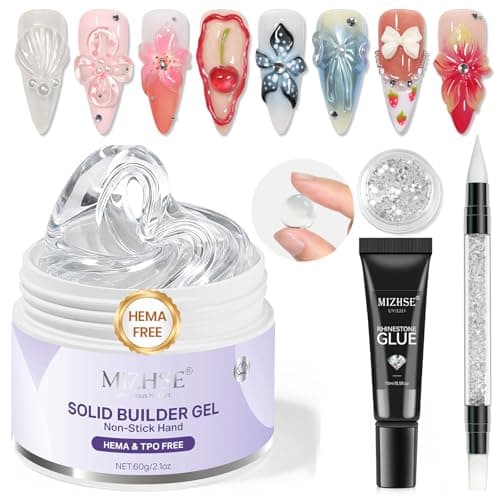
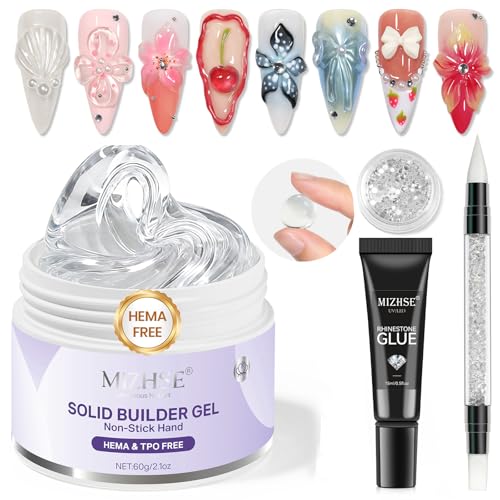 MIZHSE 60G HEMA Free & TPO Free 3D Gel Nail Art for Sculpting 5 in 1 ✓ Prime


This is a strong fit for buyers who want a HEMA-free, TPO-free solid builder gel that’s positioned for both extensions and 3D nail art. The non-sticky, solid texture is a major advantage for beginners who want more control and less mess.
Price: $9.99 ✓ Prime
- ✓ HEMA-free and TPO-free formula for ingredient-conscious buyers
- ✓ Solid, non-sticky texture helps reduce mess and skin contact
- ✓ Works for extensions, sculpting, and decorative nail art
- ✓ Beginner-friendly and designed for easy shaping
- ✓ Budget-friendly compared with many salon-oriented options
- ✗ Solid gels can still require practice for smooth application
- ✗ 3D sculpting may be easier for some users than full extensions
- ✗ Like all gels, it still needs careful curing and prep
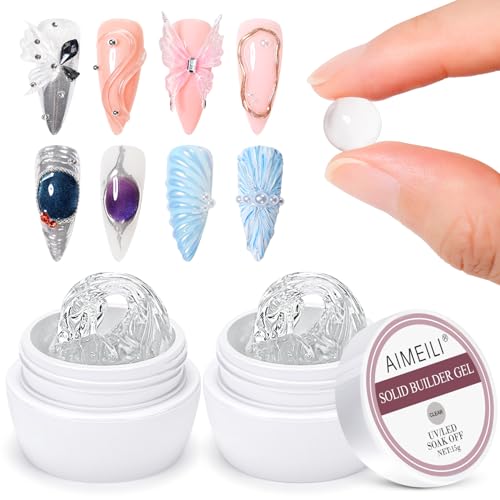 AIMEILI Hema Free Solid Builder Nail Gel 2pcs, Cruelty Free, Vegan, Clear Hard Gel for Nails 3D Sculpting Gels Non-Sticky Hand Carving Glue Extension ✓ Prime


AIMEILI is a practical pick for shoppers who want a simple HEMA-free solid builder gel in a two-piece set. Its non-sticky, kneadable texture makes it especially appealing for beginners experimenting with extensions or decorative sculpting.
Price: $6.99 ✓ Prime
- ✓ HEMA-free solid builder formula for lower-contact application
- ✓ Two-piece set offers good value for the price
- ✓ Works for extensions, carving, and stick-on decoration
- ✓ Beginner-friendly because it doesn’t flow everywhere
- ✓ Cruelty-free and vegan positioning may appeal to ingredient-conscious shoppers
- ✗ Solid texture may feel unfamiliar to users used to liquid builder gels
- ✗ May not be the best choice for very advanced salon structural work
- ✗ Requires proper lamp curing like all gel systems
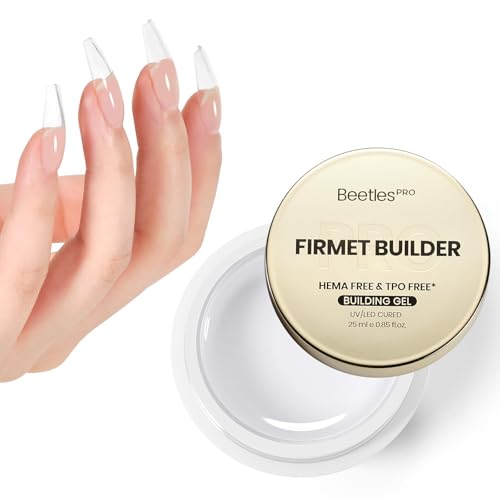 Beetles Hard Gel HEMA & TPO-Free & Low Heat, Clear Builder Nail Gel for Pro ✓ Prime


Beetles stands out for users who want a more salon-style builder gel with structural support. Its low-heat curing claim and firm rigidity make it a more advanced option for extensions and apex building.
Price: $17.99 ✓ Prime
- ✓ HEMA-free and TPO-free formula
- ✓ Designed for structural support and long extensions
- ✓ Low-heat curing may be more comfortable for sensitive users
- ✓ Balanced-flow consistency helps with controlled application
- ✓ Salon-grade retention focus for longer wear
- ✗ Higher price than the beginner-friendly solid gels
- ✗ Better suited to users with some builder-gel experience
- ✗ Strong structural formulas can still be technique-sensitive
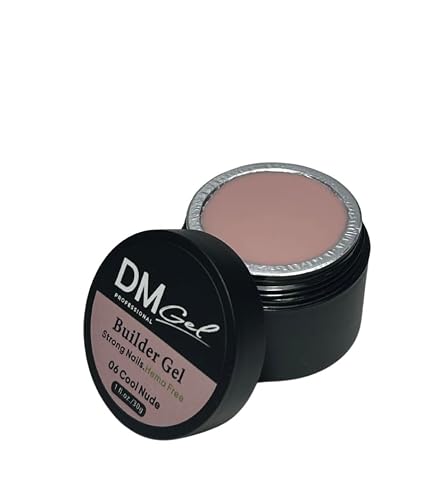 DMGel Professional 30g/1fl.oz Hema-Free/TPO-Free HARD BUILDER GEL For Nail Strengthening/Fast Overlay/Easy Extension. Self-leveling, Russian manicure gel. Naked Manicure COOL NUDE ✓ Prime


DMGel is the most clearly positioned for nail strengthening and overlay work, especially if you want a self-leveling builder gel with a more natural finish. It’s also a good fit for people who want a gentler-feeling curing experience.
Price: $19.99 ✓ Prime
- ✓ HEMA-free and TPO-free formula with low-odor positioning
- ✓ Self-leveling texture can simplify overlays and shaping
- ✓ Designed for strengthening soft, thin, or damaged nails
- ✓ No heat spikes claim may appeal to sensitive users
- ✓ Works well for natural-looking manicures and apex building
- ✗ Most expensive option in this roundup
- ✗ Best results depend on careful prep and system compatibility
- ✗ More of a pro-style builder than a casual beginner gel
Common Mistakes to Avoid
1. Assuming “HEMA-free” means zero risk
HEMA-free products may be a better fit for sensitive users, but they are not a guarantee that no one will react. Other ingredients, poor curing, or skin contact can still cause problems.
2. Letting gel touch the skin
This is one of the biggest avoidable mistakes. Even a formula marketed for safer use can become an issue if it repeatedly touches the cuticle or sidewalls before curing.
3. Under-curing the product
If the lamp time is too short, the gel may stay partially uncured, which can increase irritation risk and reduce wear. Always follow the brand’s cure instructions and use the correct lamp type.
4. Ignoring prep and removal steps
Good prep matters because oils, dust, or uneven surfaces can lead to lifting. Bad removal habits can also leave residue behind or damage the nail plate, making future reactions and breakage more likely.
5. Using allergic symptoms as “normal sensitivity”
If redness, itching, swelling, or blistering appears, don’t just push through it. A true allergy can worsen with repeated exposure, so it’s important to stop use and seek professional guidance if needed.
Frequently Asked Questions
What does HEMA mean in gel nails?
HEMA stands for hydroxyethyl methacrylate, a common ingredient in many gel nail products that helps the gel bond and cure. It can trigger allergic contact dermatitis in some people after repeated exposure.
What are the symptoms of a gel allergy?
Common symptoms include redness, itching, swelling, blistering, peeling, or soreness around the nails and fingers. In some cases, symptoms can also appear on areas like the eyelids or face due to transfer.
Is HEMA-free gel completely safe for sensitive skin?
Not completely. HEMA-free formulas may lower risk for some users, but reactions can still happen from other ingredients, uncured product, or skin contact.
Can you become allergic to gel nails over time?
Yes. Allergic contact dermatitis often develops after repeated exposure, which is why someone may use gel products for a while before symptoms begin.
What should I buy if I want a safer option for gel allergy concerns?
Look for clearly labeled HEMA-free formulas, ideally with controlled application and good curing instructions. Products like the HEMA-free builder gels in this guide are a practical starting point for ingredient-conscious buyers.
Pros
- + HEMA-free options may reduce allergy risk
- + Beginner-friendly solid gels are easier to control
- + TPO-free formulas add another safety-focused filter
- + Some options support strengthening, sculpting, and extensions
- + Price points cover budget to pro-style needs
Cons
- – HEMA-free does not guarantee zero reactions
- – Gel can still irritate skin if it touches cuticles
- – Under-curing can increase risk and reduce wear
- – Advanced builder gels may require more skill
- – Higher-end options cost more
Frequently asked questions
- What does HEMA mean in gel nails?
- HEMA stands for hydroxyethyl methacrylate, a common ingredient in many gel nail products that helps the gel bond and cure. It can trigger allergic contact dermatitis in some people after repeated exposure.
- What are the symptoms of a gel allergy?
- Common symptoms include redness, itching, swelling, blistering, peeling, or soreness around the nails and fingers. In some cases, symptoms can also appear on areas like the eyelids or face due to transfer.
- Is HEMA-free gel completely safe for sensitive skin?
- Not completely. HEMA-free formulas may lower risk for some users, but reactions can still happen from other ingredients, uncured product, or skin contact.
- Can you become allergic to gel nails over time?
- Yes. Allergic contact dermatitis often develops after repeated exposure, which is why someone may use gel products for a while before symptoms begin.
- What should I buy if I want a safer option for gel allergy concerns?
- Look for clearly labeled HEMA-free formulas, ideally with controlled application and good curing instructions. Products like the HEMA-free builder gels in this guide are a practical starting point for ingredient-conscious buyers.
Get the Full Beauty & Personal Care Buyer's Guide
Join our free newsletter — we'll send our latest Beauty & Personal Care picks, specs and verdicts straight to your inbox.
Free. No spam. Unsubscribe anytime.
Was this review helpful?
Be the first to share your feedback on this review.
Sign in to vote and let us know what you think.
Discussion (0)
No comments yet. Be the first to start the discussion.
Related Reviews
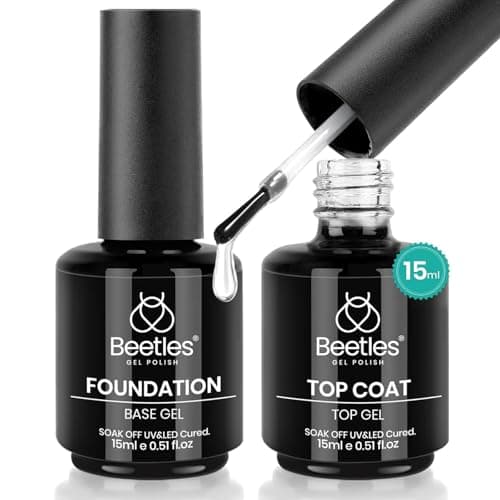
8 Best Base and Top Coats in 2026 — Long-Lasting Shine, Stronger Wear
If your manicure chips too fast, looks dull, or peels before the week is over, the right base and top coat can make a huge difference. This roundup of the best base and top coats focuses on researched specs, published product details, and owner feedback patterns so you can compare options with confi
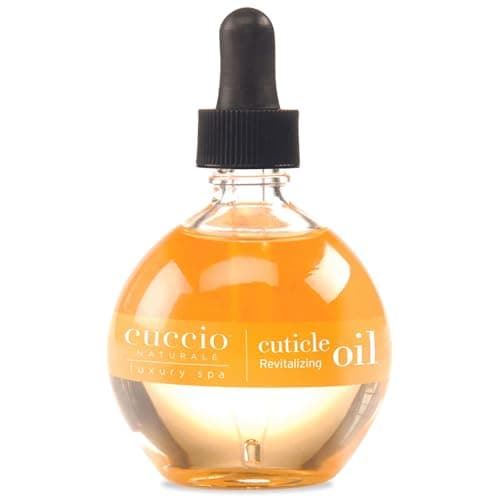
8 Best Cuticle Oils in 2026 — Fast-Absorbing Picks for Softer, Healthier Nails
If your cuticles are dry, peeling, cracked, or constantly catching on everything, the right oil can make a noticeable difference fast. The challenge is finding a formula that hydrates deeply without feeling greasy, messy, or annoying to apply every day. This research-based roundup of the best cuticl
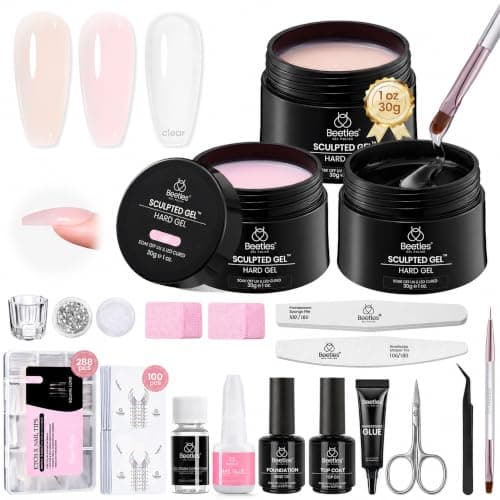
What is BIAB? A Complete 2026 Guide
BIAB explained simply: BIAB means “builder in a bottle,” a thicker gel formula used to strengthen natural nails, add structure, and help create extensions or overlays. It’s popular because it can make soft, brittle, or uneven nails look more polished while lasting longer than standard polish. If you