

Who this is for: Best for beginners and everyday makeup wearers who want a simple routine that reduces shine and helps base makeup last longer.
Check PriceWhat is makeup order of application? A Complete 2026 Guide
If your makeup looks patchy, cakey, or fades too fast, the problem is often not the products — it’s the makeup order of application. Applying products in the right sequence helps each layer grip properly, blend more smoothly, and last longer throughout the day. In this guide, you’ll learn the simplest order to follow, why it works, what to look for when choosing products, and a few smart product recommendations that fit into a beginner-friendly routine.
Related Reviews
How It Works
The makeup order of application is the sequence you use to layer skincare and cosmetics so each product can do its job without interfering with the next one. In general, lighter and more fluid products go on first, followed by cream formulas, then powders, and finally setting products that help lock everything in place.
This order matters because makeup behaves like a layered system. If you apply powder too early, for example, cream products may not blend evenly on top; if you apply setting powder too late or too heavily, you can disturb the finish underneath and create a dry, heavy look. A good application order helps control shine, improve wear time, and create a smoother finish with less product.
For most routines, the broad sequence looks like this: skincare, primer, foundation, concealer, cream color products, powder, then finishing spray or setting powder. Not every step is required, but the logic stays the same: build from thin to thick, from wet to dry, and from base to finish.
Key Benefits & Use Cases
- Longer wear time: Correct layering helps makeup stay put through heat, humidity, and daily movement.
- Smoother finish: Applying products in the right order reduces streaking, patchiness, and texture buildup.
- Better shine control: Strategic powder placement can keep oily areas looking fresh without flattening the whole face.
- More natural blending: Creams and liquids blend more easily when they are applied before powders.
- More efficient routine: Once you know the order, makeup becomes faster and easier to repeat consistently.
Common use cases include everyday office makeup, full-glam looks, long events, photography, bridal makeup, and quick “five-minute face” routines. It’s also especially helpful for beginners who are unsure why their base makeup keeps breaking apart or looking heavy.
What to Look For When Buying
If you are building a routine around the right makeup order of application, here are five criteria to consider when choosing products.
1. Formula type
Check whether a product is liquid, cream, or powder. This matters because the formula determines where it fits in the routine and how it layers with other products.
2. Finish
Look for matte, natural, radiant, or luminous finishes depending on your skin type and the look you want. The finish can affect whether a product should be used early in the routine or as a final step.
3. Coverage level
Some products are designed for light touch-ups, while others are made for full coverage. Knowing this helps you avoid overapplying and keeps the result more balanced.
4. Skin compatibility
Choose products that suit your skin tone and sensitivity needs. If you have oily skin, for example, mattifying powders can be useful; if you want a softer glow, translucent or luminous options may work better.
5. Wear and setting power
For base makeup, look for products that help lock in the look rather than disturb it. Setting powders and sprays are especially important if you need your makeup to last for hours.
Top Recommended Products
Below is a research-based recommendation that fits naturally into a makeup order of application routine, especially when you want to set foundation and control shine.
Revolution, Loose Baking Powder, Makeup Setting Powder, Long-Lasting Coverage, Mattifies & Reduces Shine, Translucent, 1.12 oz


This loose baking powder is a strong fit for the setting stage of a makeup routine because it is designed to reduce shine, prolong wear, and help lock in foundation and concealer. The brand positions it as translucent and suitable for all skin tones, which makes it easier to use in a simple application order without worrying as much about color mismatch.
- ✓ Helps set foundation and lock in contour or highlight
- ✓ Finely milled formula designed to prolong makeup wear
- ✓ Translucent finish suits a wide range of skin tones
- ✓ Can be used for baking or light dusting depending on the look
- ✓ Cruelty-free, vegan, fragrance-free, and paraben-free
Common Mistakes to Avoid
- Applying powder too early: Powder can make it harder for cream products to blend smoothly on top.
- Using too much product at once: Heavy layers often lead to cakiness, especially around the under-eye area.
- Skipping skin prep: Even the best makeup order of application can look uneven if skin is not moisturized properly first.
- Mixing incompatible textures: Layering products without letting them settle can cause pilling or patchiness.
- Over-setting the whole face: Not every area needs the same amount of powder; strategic placement usually looks more natural.
Frequently Asked Questions
What is the correct makeup order of application?
The usual order is skincare, primer, foundation, concealer, cream color products, powder, and then setting spray or finishing products. The exact sequence can vary, but the goal is to layer from lighter to heavier textures.
Do I put concealer before or after foundation?
Most people apply concealer after foundation so they can use less product and correct only where needed. Some people place concealer first for heavy discoloration, but foundation-first is usually simpler for beginners.
Should powder go on before or after blush?
Powder usually goes before powder blush and after cream blush, depending on the formula. If you use cream blush, set your base first; if you use powder blush, apply it after setting powder.
Where does setting powder fit in the routine?
Setting powder typically comes after foundation and concealer, before final finishing products. It helps reduce shine and keep base makeup in place longer.
Why does my makeup look cakey even when I follow the order?
Cakiness often comes from using too much product, layering too quickly, or applying powder too heavily. A better makeup order of application helps, but product amount and blending technique matter just as much.
Pros
- + Helps set foundation and contour
- + Finely milled for long-lasting wear
- + Translucent for many skin tones
- + Can be used for baking or light dusting
- + Cruelty-free and vegan
Cons
- – Only one recommended product
- – Loose powder can be messy
- – Best results depend on technique
Frequently asked questions
- What is the correct makeup order of application?
- The usual order is skincare, primer, foundation, concealer, cream color products, powder, and then setting spray or finishing products. The exact sequence can vary, but the goal is to layer from lighter to heavier textures.
- Do I put concealer before or after foundation?
- Most people apply concealer after foundation so they can use less product and correct only where needed. Some people place concealer first for heavy discoloration, but foundation-first is usually simpler for beginners.
- Should powder go on before or after blush?
- Powder usually goes before powder blush and after cream blush, depending on the formula. If you use cream blush, set your base first; if you use powder blush, apply it after setting powder.
- Where does setting powder fit in the routine?
- Setting powder typically comes after foundation and concealer, before final finishing products. It helps reduce shine and keep base makeup in place longer.
- Why does my makeup look cakey even when I follow the order?
- Cakiness often comes from using too much product, layering too quickly, or applying powder too heavily. A better makeup order of application helps, but product amount and blending technique matter just as much.
Score breakdown
- value
- 9.0
- usability
- 9.0
- durability
- 8.0
- performance
- 8.0
- buyerFeedback
- 8.0
Get the Full Beauty & Personal Care Buyer's Guide
Join our free newsletter — we'll send our latest Beauty & Personal Care picks, specs and verdicts straight to your inbox.
Free. No spam. Unsubscribe anytime.
Was this review helpful?
Be the first to share your feedback on this review.
Sign in to vote and let us know what you think.
Discussion (0)
No comments yet. Be the first to start the discussion.
Related Reviews
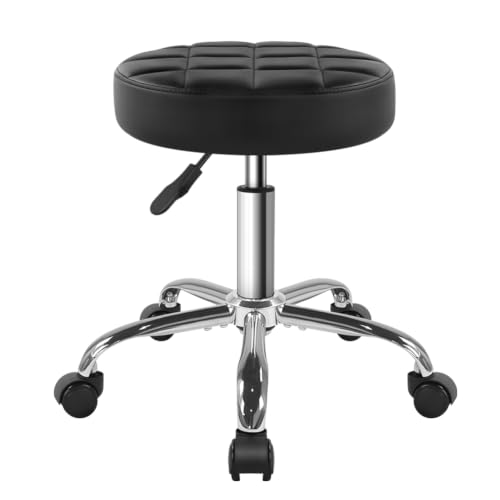
8 Best Professional Makeup Stools and Hydraulic Chairs in 2026 — Comfortable, Adjustable Picks for Long Beauty Sessions
If you’re searching for the best professional makeup stools and hydraulic chairs 2026, you probably need something that keeps you comfortable, supports long appointments, and fits the height of your vanity or station. The right stool can also make your workspace look more polished while helping you

2 Best Daylight Softbox Lighting Kits for Makeup Artists in 2026 — Flawless Color, Easy Setup
If you’re searching for the best daylight softbox lighting kits for makeup artists , you probably want soft, shadow-free light that shows foundation, blush, and contour accurately on camera and in person. The wrong kit can make skin tones look yellow, harsh, or uneven, which is a fast way to ruin a

4 Best UV-C Makeup Brush Sanitizers in 2026 — Cleaner Brushes, Less Buildup
If you’re tired of wondering whether your makeup brushes are actually clean, you’re not alone. The best UV-C makeup brush sanitizers in 2026 help reduce germ buildup, cut down on brush-related grime, and make it easier to keep your routine feeling fresh. This roundup focuses on models with strong sa