

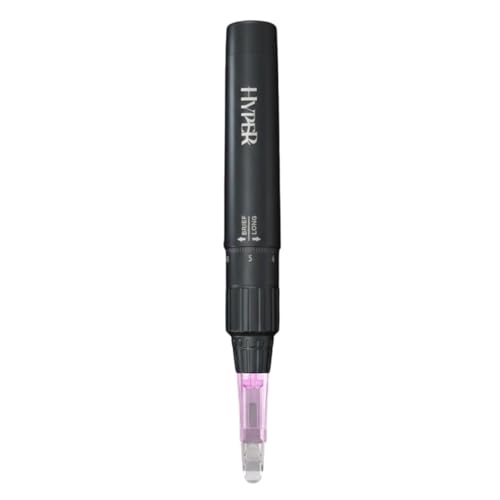
Who this is for: Best for buyers who want a brows-focused PMU machine and need precise control with safety-conscious setup.
If you’re trying to learn how to choose a microblading machine: motor, needles and safety, the biggest challenge is separating useful technical differences from marketing fluff. The wrong choice can lead to inconsistent pigment flow, uncomfortable sessions, or avoidable safety issues. This guide breaks down the features that matter most so you can choose with confidence.
Related Reviews
The most common mistake buyers make is focusing only on the pen shape or the price and ignoring the machine’s power requirements, needle compatibility, and hygiene standards. Those three areas affect performance, precision, and client safety far more than cosmetic extras.
Key Features to Look For
1) Motor power and power source compatibility
The motor is the heart of any microblading or PMU machine. You want consistent output that supports smooth needle movement without abrupt stalls or uneven strokes. It also matters whether the device is designed for its intended power input, since using the wrong adapter or charger can create performance problems or damage the machine.
2) Adjustable needle depth
Needle depth control helps you match the machine to different techniques and skin types. For brows, precision matters because going too deep can increase trauma, while too shallow can reduce pigment retention. A machine with adjustable depth gives you more control over the finish and the comfort of the procedure.
3) Needle compatibility and cartridge fit
Not every machine works well with every needle setup. Check whether the machine is designed for the needle style you plan to use, and make sure the fit is secure. Proper compatibility helps maintain stable performance and reduces the chance of wobble, slipping, or uneven application.
4) Stability and vibration control
Lower vibration generally makes it easier to create precise, repeatable strokes. That matters in microblading because the work is detail-oriented and even small hand instability can affect symmetry. A stable machine can also feel more comfortable during longer sessions.
5) Hygiene and sterilization-friendly design
Safety should always be a top priority. Look for designs that make it easier to keep the working area clean and to use sanitary, disposable components where appropriate. A machine that supports good hygiene practices helps reduce cross-contamination risk and makes routine cleaning more manageable.
6) Ergonomics and hand comfort
A lightweight, balanced pen can reduce hand fatigue, especially if you perform multiple procedures back to back. Comfort matters because a tiring grip can reduce precision over time. For artists who value control, the feel of the machine in hand is just as important as its technical specs.
7) Clear manufacturer instructions
Good documentation helps you use the machine correctly from the start. That includes setup, power requirements, depth adjustment, and maintenance guidance. Clear instructions are especially useful for buyers who want to avoid misuse and protect both the device and the client.
What to Avoid
Using the wrong power source
A major red flag is assuming all machines are USB-powered or can be charged with any cable. Some devices require a specific adapter and voltage range. Using the wrong power source can cause poor performance or permanent damage, so always verify the exact input requirements before buying.
Buying without checking needle compatibility
Another common mistake is choosing a machine first and worrying about needles later. If the machine does not support the needle setup you prefer, you may end up with inconsistent results or need to replace accessories sooner than expected.
Ignoring safety and sanitation habits
Even a well-built machine is a bad choice if it encourages poor hygiene practices. Avoid products that make cleaning awkward or that do not clearly support sanitary workflows. In permanent makeup, safety is not optional.
Prioritizing appearance over performance
Some machines look premium but do not offer the control or reliability needed for delicate brow work. Don’t let polished styling distract you from the practical details: power, depth adjustment, stability, and safe operation.
Overlooking learning curve and user guidance
If you’re newer to PMU tools, a machine with unclear setup steps can slow you down and increase mistakes. Choose a model with straightforward instructions and a design that matches your experience level.
Our Top Picks
Note: This is a research-based guide built from published specs, product details, and documented owner feedback patterns—not hands-on testing.
1) Hyper Microblading Model SY PMU Machine – Professional Permanent Makeup Tattoo Pen with Adjustable Needle Depth – Microblading Machine for Brows & Shading


This is the best fit for buyers who want a PMU-style machine with adjustable needle depth and a clear focus on brows and shading. It stands out for users who want a more controlled setup for detailed work and who are careful about following the correct power specifications.
Why it stands out: The listed power requirements are explicit, which is helpful for safety-minded buyers who want to avoid mismatched chargers or adapters.
- ✓ Adjustable needle depth for more precise control
- ✓ Designed for brows and shading work
- ✓ Clear power information helps reduce setup mistakes
- ✓ Suitable for buyers who value a dedicated PMU-style pen
- ✗ Requires the original AC adapter, so it is not a universal USB option
- ✗ Buyers must pay close attention to the specified power input
- ✗ Less forgiving for users who want a simple plug-and-play setup
Budget Guide: What You Get at Each Tier
Budget tier
At the budget level, expect a simpler machine with fewer comfort features and less refinement in vibration control or ergonomics. These models can still be useful if you are learning the basics, but you should pay extra attention to power requirements, needle fit, and build quality. Safety and compatibility matter more than cosmetic extras here.
Mid-range tier
Mid-range machines usually offer better balance, more stable operation, and more practical adjustment options. This is often the sweet spot for buyers who want better control without moving into highly specialized equipment. You’re more likely to get a machine that feels consistent in the hand and supports more precise work.
Premium tier
Premium options tend to emphasize precision, smoother operation, stronger build quality, and more thoughtful ergonomics. They are a better fit for frequent use or for artists who need dependable performance session after session. At this tier, buyers should still verify power input, needle compatibility, and sanitation-friendly design before committing.
Frequently Asked Questions
What is the most important factor when choosing a microblading machine?
The most important factor is a combination of motor performance, needle control, and safety. If the machine cannot deliver stable operation and support proper hygiene, it is not a good choice even if it looks professional.
Why does needle depth matter so much?
Needle depth affects how the pigment is deposited and how much trauma the skin experiences. Adjustable depth helps you work more precisely and adapt to different techniques and skin needs.
Can I use any charger or adapter with a microblading machine?
No. You should always follow the manufacturer’s exact power specifications. Using the wrong adapter or charger can cause poor performance or damage the machine.
What should beginners look for first?
Beginners should look for clear instructions, stable operation, adjustable depth, and easy compatibility with the intended needle setup. A straightforward design is usually easier to learn and safer to use correctly.
How do I know if a machine is safe to use?
Look for clear power requirements, support for sanitary workflows, and a design that allows careful cleaning and controlled use. Safe operation also depends on following proper professional hygiene practices.
Pros
- + Adjustable needle depth for precision
- + Clear power requirements reduce setup mistakes
- + Designed for brows and shading
- + Supports more controlled PMU-style work
Cons
- – Requires the original AC adapter
- – Not a universal USB-powered device
- – Users must verify power input carefully
Frequently asked questions
- What is the most important factor when choosing a microblading machine?
- The most important factor is a combination of motor performance, needle control, and safety. If the machine cannot deliver stable operation and support proper hygiene, it is not a good choice even if it looks professional.
- Why does needle depth matter so much?
- Needle depth affects how the pigment is deposited and how much trauma the skin experiences. Adjustable depth helps you work more precisely and adapt to different techniques and skin needs.
- Can I use any charger or adapter with a microblading machine?
- No. You should always follow the manufacturer’s exact power specifications. Using the wrong adapter or charger can cause poor performance or damage the machine.
- What should beginners look for first?
- Beginners should look for clear instructions, stable operation, adjustable depth, and easy compatibility with the intended needle setup. A straightforward design is usually easier to learn and safer to use correctly.
- How do I know if a machine is safe to use?
- Look for clear power requirements, support for sanitary workflows, and a design that allows careful cleaning and controlled use. Safe operation also depends on following proper professional hygiene practices.
Score breakdown
- value
- 7.0
- usability
- 7.0
- durability
- 7.0
- performance
- 8.0
- buyerFeedback
- 7.0
Get the Full Beauty & Personal Care Buyer's Guide
Join our free newsletter — we'll send our latest Beauty & Personal Care picks, specs and verdicts straight to your inbox.
Free. No spam. Unsubscribe anytime.
Was this review helpful?
Be the first to share your feedback on this review.
Sign in to vote and let us know what you think.
Discussion (0)
No comments yet. Be the first to start the discussion.
Related Reviews

simplehuman Sensor Mirror review (2026): Specs, Pros & Cons, and Who It's For
Check Price on Amazon →

3 Best Professional Makeup Display Counters for Pop-Up Shops in 2026 — Portable, Polished, and Easy to Set Up
If you’re searching for the best professional makeup display counters for pop-up shops 2026, you probably need something that looks polished, sets up fast, and helps your products stay organized in a busy retail space. The right counter should also feel stable enough for customer traffic while still
6 Best Illuminated Acrylic Makeup Display Cases for Retail in 2026 — Clear, Dustproof, LED-Ready Merchandising
If you’re trying to create a cleaner, more premium cosmetics display without cluttering your counter, illuminated acrylic cases can make a big difference. The best options for retail need to do more than just look good: they should keep products visible, organized, protected from dust, and easy to r