

Who this is for: Best for readers comparing body exfoliation methods who want smoother skin and need help choosing the right product type.
Check PriceWhat is Body Exfoliation Guide Chemical vs Physical? A Complete 2026 Guide
Struggling with rough, bumpy, dull-looking skin and not sure whether to choose a chemical or physical exfoliator? This body exfoliation guide chemical vs physical breaks down how each method works, when to use it, and what to buy based on your skin goals. By the end, you’ll know how to pick the right approach for smoother skin without overdoing it.
Related Reviews
How It Works
Body exfoliation removes built-up dead skin cells from the outer layer of the skin, which can make skin look dull, feel rough, and trap products on the surface. The two main approaches are chemical exfoliation, which uses acids or enzymes to loosen the bonds between dead cells, and physical exfoliation, which uses friction or scrubbing to manually lift them away.
Chemical exfoliation typically relies on ingredients like AHAs or BHAs. These work by softening the “glue” that holds dead skin cells together, so they shed more evenly over time. Physical exfoliation uses tools or textured formulas to create immediate smoothing through gentle abrasion, which can be more satisfying but also easier to overdo if you press too hard.
For body skin, both methods can be useful. Chemical exfoliation is often favored for persistent issues like keratosis pilaris, clogged pores, or body breakouts, while physical exfoliation can be a fast way to prep legs, arms, and back for shaving or self-tanner.
Key Benefits & Use Cases
Why people exfoliate their body
Body exfoliation can help skin look brighter, feel softer, and absorb moisturizers more effectively. It may also improve the look of rough patches on elbows, knees, and thighs.
Common use cases
- Smoothing rough, dry, or bumpy skin texture
- Helping reduce the look of ingrown hairs and body breakouts
- Prepping skin for shaving, waxing, or tanning
- Removing dull buildup before moisturizing
- Creating a more even surface for self-tanner application
In general, chemical exfoliation is better for people who want a more gradual, low-effort routine, while physical exfoliation is useful when you want a quick, tactile clean-slate feel. Some formulas combine both for a balanced approach.
What to Look For When Buying
1. Exfoliation type
Decide whether you want chemical exfoliation, physical exfoliation, or a hybrid product. Chemical options are often better for sensitive or acne-prone body skin, while physical tools can be great for visible flaking and routine maintenance.
2. Skin concern
Match the product to your main issue: roughness, KP, body acne, ingrowns, or self-tan prep. The best choice for texture may not be the best choice for breakouts.
3. Frequency and intensity
Look for products that fit your routine. Some are designed for 1–2 times weekly, while others can be used every few days. Over-exfoliation can lead to irritation, so gentler is usually better at first.
4. Skin compatibility
Check whether the formula is suitable for your skin type. If you’re sensitive, avoid overly harsh scrubs and start with lower-frequency use. If you’re dealing with body acne or KP, look for ingredients known for smoothing and clarifying.
5. Ease of use and maintenance
Tools should be easy to rinse, dry, and reuse. Leave-on formulas should be straightforward to apply and pair well with your body lotion or sunscreen routine.
Top Recommended Products
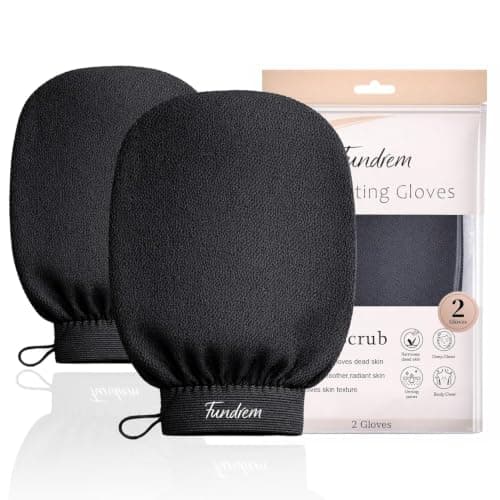
Exfoliating Glove 2 Pack, Korean Exfoliating Mitt, Body Scrubber Exfoliator ✓ Prime 17% OFF — Was $5.98 $4.99
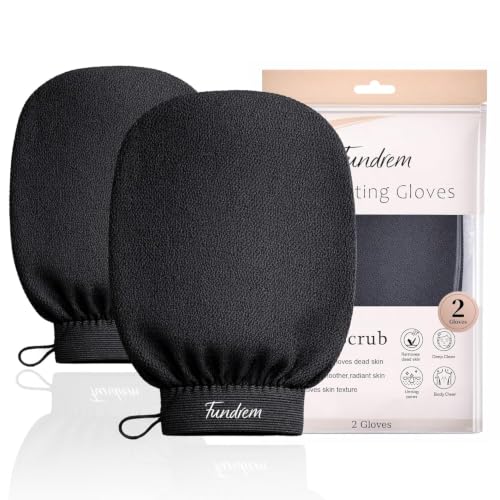


This is a straightforward physical exfoliation option for readers who want visible dead-skin removal without acids. The viscose mitt texture is designed to buff rough areas like arms, legs, and the back, and the product positioning makes it especially relevant for self-tan prep and post-shower smoothing.
- ✓ Physical exfoliation with a textured viscose mitt
- ✓ Useful for visible flakes, rough patches, and self-tan prep
- ✓ Simple 1–2 times weekly routine
- ✓ Prime shipping and low entry price
- ✗ Not a chemical exfoliator for KP or body acne
- ✗ Friction-based use may be too much if you scrub aggressively
- ✗ Requires washing and air-drying after use
frank body Glycolic Acid Body Scrub ✓ Prime 9% OFF — Was $24.00 $21.95
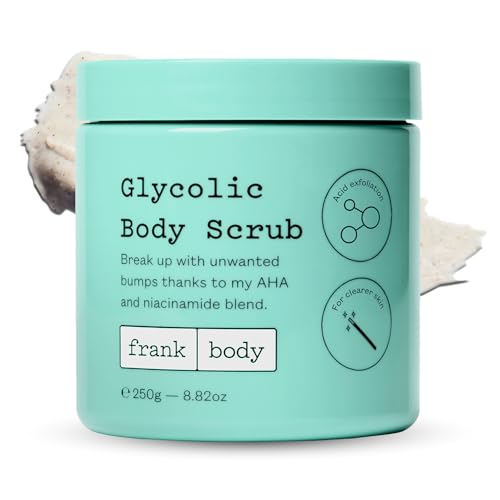


This hybrid scrub combines chemical and physical exfoliation, making it a strong fit for people who want more than surface smoothing. Its glycolic and lactic acids target dead skin buildup while pumice adds a manual polishing effect, which is why it stands out for rough texture, breakouts, and KP-focused routines.
- ✓ Combines AHAs with pumice for dual-action exfoliation
- ✓ Targets rough texture, body breakouts, and KP
- ✓ Designed for use every 2–3 days
- ✓ Includes niacinamide and witch hazel for a more balanced formula
- ✗ Higher price than glove-based options
- ✗ May be too active for very sensitive skin
- ✗ Users still need to remember SPF when used in the morning
Exfoliating Glove 4 Pack, Korean Exfoliating Mitt, Body Scrubber Exfoliator ✓ Prime $9.99
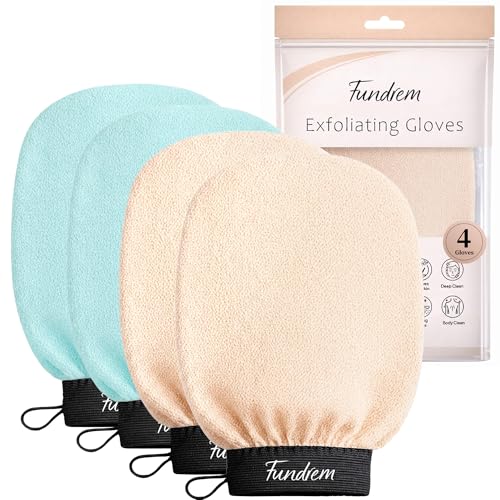


This is the best value pick if you want the same physical exfoliation style in a multi-pack format. It uses the same viscose mitt approach as the 2-pack version, so it’s ideal for households, backups, or anyone who wants to keep one mitt in the shower and another for travel or replacement.
- ✓ Physical exfoliation with controlled friction
- ✓ Best value for multiple mitts
- ✓ Good for rough skin and self-tan prep
- ✓ Prime shipping
- ✗ Still not a chemical exfoliator
- ✗ Requires care after each use
- ✗ Physical scrubbing can be irritating if overused
Common Mistakes to Avoid
Using both methods too often
One of the biggest mistakes is layering chemical and physical exfoliation too aggressively. That can leave skin feeling stripped, tight, or irritated instead of smooth.
Scrubbing too hard
Physical exfoliation should not feel painful. Excess pressure can lead to redness and sensitivity, especially on thin or already-dry skin.
Ignoring skin type
If your skin is sensitive, a strong scrub may be too much. If you have stubborn body acne or KP, a gentle chemical product may work better than a harsh mitt alone.
Skipping moisturizer
Exfoliation should usually be followed by a hydrating body lotion or cream. Removing dead skin without replenishing moisture can make dryness worse.
Forgetting sunscreen
Acid-based exfoliation can make skin more sun-sensitive, especially when used on exposed areas like arms and shoulders. Daily SPF matters if those areas will see daylight.
Frequently Asked Questions
What is the difference between chemical and physical body exfoliation?
Chemical exfoliation uses acids to loosen dead skin cells, while physical exfoliation uses friction or a scrub to remove them manually. Chemical tends to be gentler over time, while physical gives more immediate smoothing.
Which is better for body acne or KP?
Chemical exfoliation is often the better starting point for body acne and keratosis pilaris because it can help unclog pores and smooth buildup without heavy scrubbing. Some people also like hybrid products that combine both methods.
How often should I exfoliate my body?
Most people do well with 1–3 times per week, depending on skin type and product strength. If your skin feels irritated, scale back and give it more recovery time.
Can I use a body exfoliator before self-tanner?
Yes. Physical exfoliation is commonly used before self-tanner to create a smoother, more even surface. Just avoid over-scrubbing, which can make dry patches more noticeable.
Should sensitive skin choose chemical or physical exfoliation?
Sensitive skin often tolerates gentle chemical exfoliation better than rough scrubbing, but the best choice depends on the formula and frequency. Start slowly and patch test any new product.
Pros
- + Explains chemical vs physical exfoliation clearly
- + Helps match products to skin concerns
- + Includes budget-friendly Amazon picks
- + Covers common mistakes and safety basics
- + Useful for body acne, KP, and self-tan prep
Cons
- – Not a hands-on test
- – Results vary by skin type
- – Physical exfoliation can be too harsh if overused
Frequently asked questions
- What is the difference between chemical and physical body exfoliation?
- Chemical exfoliation uses acids to loosen dead skin cells, while physical exfoliation uses friction or a scrub to remove them manually. Chemical tends to be gentler over time, while physical gives more immediate smoothing.
- Which is better for body acne or KP?
- Chemical exfoliation is often the better starting point for body acne and keratosis pilaris because it can help unclog pores and smooth buildup without heavy scrubbing. Some people also like hybrid products that combine both methods.
- How often should I exfoliate my body?
- Most people do well with 1–3 times per week, depending on skin type and product strength. If your skin feels irritated, scale back and give it more recovery time.
- Can I use a body exfoliator before self-tanner?
- Yes. Physical exfoliation is commonly used before self-tanner to create a smoother, more even surface. Just avoid over-scrubbing, which can make dry patches more noticeable.
- Should sensitive skin choose chemical or physical exfoliation?
- Sensitive skin often tolerates gentle chemical exfoliation better than rough scrubbing, but the best choice depends on the formula and frequency. Start slowly and patch test any new product.
Score breakdown
- value
- 9.0
- usability
- 8.0
- durability
- 7.0
- performance
- 8.0
- buyerFeedback
- 8.0
Get the Full Beauty & Personal Care Buyer's Guide
Join our free newsletter — we'll send our latest Beauty & Personal Care picks, specs and verdicts straight to your inbox.
Free. No spam. Unsubscribe anytime.
Was this review helpful?
Be the first to share your feedback on this review.
Sign in to vote and let us know what you think.
Discussion (0)
No comments yet. Be the first to start the discussion.
Related Reviews
8 Best Hand Soaps in 2026 — Clean Hands, Better Skin, and Everyday Value
If you’re trying to find the best hand soaps 2026 without wasting money on drying formulas or forgettable scents, this guide is for you. The picks below balance cleaning power, skin feel, scent quality, ingredient profiles, and value based on published specs, ingredient claims, owner feedback patter
8 Best Epsom Salts in 2026 — Top Picks for Relaxing Baths, Foot Soaks, and Better Value
If you’re trying to find the best epsom salts, the problem is usually the same: too many options, unclear ingredient quality, and no easy way to tell which bags are best for everyday baths versus fragrance-free soaks or bulk buying. This guide narrows the field to the strongest commercial picks base
8 Best Bath Bombs and Soaks in 2026 — Relaxation, Recovery, and Gift-Worthy Value
If you’re searching for the best bath bombs and soaks, the challenge is usually the same: too many options, not enough clarity on which ones actually match your goals. Some shoppers want a luxurious gift set, others need muscle recovery after workouts, and plenty of buyers just want a clean-rinsing