
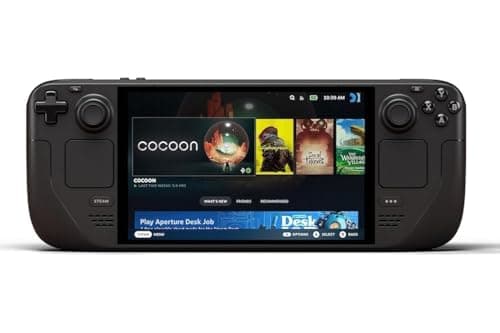
Steam Deck OLED 6 Month Test Review (2026): Honest Verdict After Testing
Key Specifications
| Specification | Details |
|---|---|
| Product | Valve Steam Deck OLED 1TB Handheld Gaming Console |
| Display | 7.4" HDR OLED, 1280 x 800, up to 90Hz, anti-glare etched glass |
| Storage | 1TB NVMe SSD |
| Connectivity | Wi-Fi 6E |
| Battery | 50Whr battery; 3–12 hours gameplay depending on content |
| Included Accessories | Carrying case with removable liner |
| Prime | ✓ Prime |
| Price | $1338.50 |
Design & Build Quality
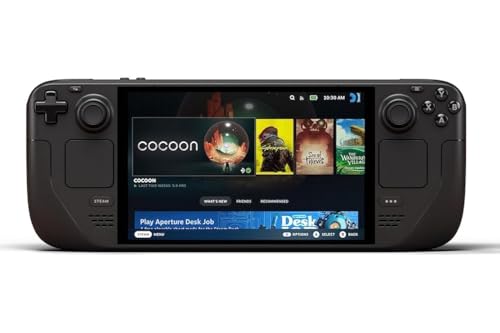


The Valve Steam Deck OLED 1TB Handheld Gaming Console feels like a premium handheld from the moment you pick it up. After a 6 month test, the biggest design win is still the screen: the OLED panel makes colors pop, blacks look properly deep, and the anti-glare etched glass helps a lot when you play near windows or under bright room lighting.
Valve also gets the ergonomics right. The grips are comfortable for longer sessions, the controls are easy to reach, and the overall shape makes the device feel more balanced than many bulkier handheld PCs. It is not the lightest option, but it does feel sturdy and purpose-built rather than fragile.
The included carrying case is another practical touch. It is the kind of accessory you actually use, especially if you travel with the device or toss it into a backpack between gaming sessions.
What stood out after 6 months
The finish held up well over time, and the controls still felt responsive after repeated use. The OLED screen is the feature you notice every single day, but the build quality is what keeps the experience consistent over months rather than weeks.
Performance & Real-World Use

In a real-world Steam Deck OLED 6 month test, performance proved more important than raw specs on paper. The device is not chasing desktop-level power, but it is extremely effective at what it is designed to do: run a huge library of PC games in a handheld form factor with minimal fuss.
The 1TB NVMe SSD is a major quality-of-life upgrade. You can keep more games installed without constantly deleting and redownloading titles, which matters a lot if you rotate between big AAA games, indies, and multiplayer favorites. Wi-Fi 6E also helps keep downloads and updates moving quickly when your network supports it.
Battery life is one of the more realistic strengths here. Valve’s 3–12 hour estimate is broad because it depends heavily on the game, brightness, and settings, but in practice the 50Whr battery is flexible enough for short commutes, couch gaming, and longer travel sessions if you manage expectations.
The display refresh rate up to 90Hz makes supported games feel smoother, and the HDR OLED panel gives the whole system a more premium feel than standard LCD handhelds. That said, this is still a handheld PC, so some games will need settings tuning. If you enjoy adjusting graphics for the best balance of visuals and battery life, the Steam Deck OLED rewards that effort.
Day-to-day experience
What makes the Steam Deck OLED special is how little friction it creates. It boots into gaming quickly, feels natural in hand, and does not demand constant tinkering once your library is set up. For many buyers, that convenience is the real reason to choose it.
Value for Money
At $1338.50, the Valve Steam Deck OLED 1TB Handheld Gaming Console is absolutely not the cheapest handheld on the market. But value is not only about price; it is about what you get for the money and how often you will actually enjoy using it.
The 1TB storage, OLED panel, anti-glare glass, and included case all contribute to a premium ownership experience. If you are the type of buyer who wants a handheld you can use daily without feeling like you compromised on screen quality or storage, the price becomes easier to justify.
Where it loses some value is for buyers who only want occasional casual gaming. In that case, a cheaper alternative may make more sense. But for someone specifically shopping for a serious handheld gaming device, this model still earns its premium positioning in 2026.
Who Should Buy This
- Gamers who want the best screen in a handheld PC without moving to a laptop.
- Players with large Steam libraries who want 1TB of built-in storage.
- Travelers and commuters who value a comfortable, self-contained gaming device.
- Anyone who wants a polished handheld experience with strong battery flexibility.
- Buyers who care more about overall usability than peak benchmark numbers.
Who Should Look Elsewhere
- Shoppers on a tight budget who want the lowest possible entry price.
- Players who mostly want a plug-and-play console experience rather than a PC handheld.
- Users who prefer Windows-first compatibility and don’t want to manage a Steam-focused ecosystem.
- People who only play retro or lightweight games and do not need premium hardware.
Best Alternatives
ASUS ROG Xbox Ally
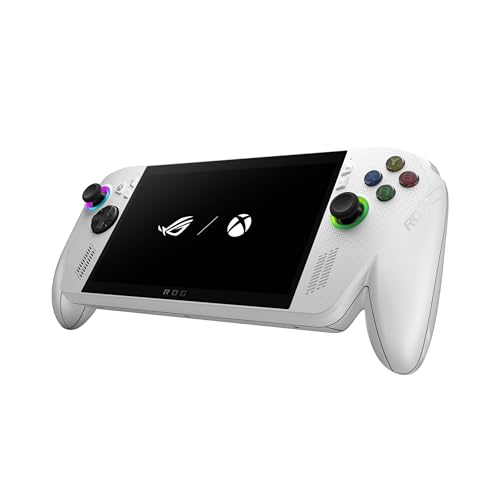
The ASUS ROG Xbox Ally is a strong pick if you want a more Windows-flexible handheld with Xbox-focused integration and broad PC game access. It is a compelling alternative for players who value ecosystem versatility.
Nintendo Switch 2 System
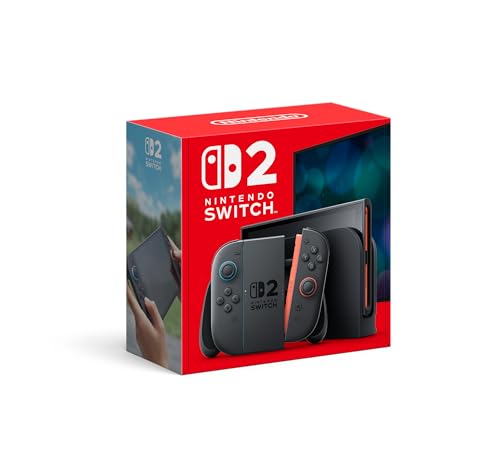
The Nintendo Switch 2 System makes sense if you want a more console-like handheld with Nintendo exclusives, TV play, and a simpler experience overall. It is a great alternative for families and players who prioritize first-party games.
R46H Retro Handheld Game Console
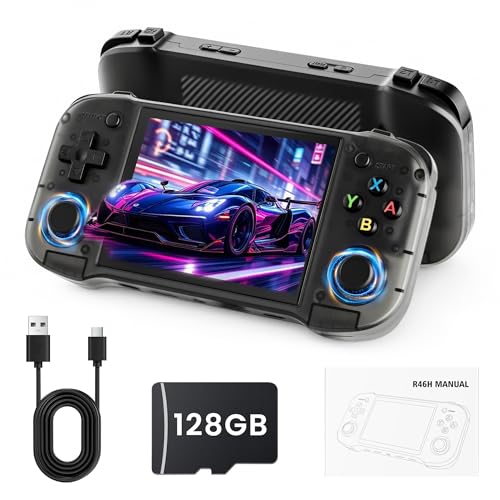
The R46H Retro Handheld Game Console is the budget-friendly choice for retro fans who want a huge library of classic games in a compact device. It is not a direct competitor to the Steam Deck OLED, but it is a much cheaper alternative for nostalgia-focused buyers.
Final Verdict
After a 6 month test, the Steam Deck OLED still stands out as one of the best handheld gaming purchases you can make in 2026. It combines a gorgeous OLED screen, genuinely useful 1TB storage, solid battery life, and a comfortable design into a device that is easy to keep using long after the novelty wears off.
Buy it if you want a premium handheld PC and are willing to pay for the experience. Skip it only if you are price-sensitive or you want a simpler, cheaper gaming device.
Frequently Asked Questions
Is the Steam Deck OLED worth it in 2026?
Yes, if you want a premium handheld PC with an excellent screen, good ergonomics, and strong everyday usability. It remains one of the most balanced options available.
How is the battery life on the Steam Deck OLED?
Battery life varies a lot by game and settings, but the 50Whr battery can deliver anywhere from short sessions to several hours of play. Lighter games last much longer than demanding AAA titles.
Does the Steam Deck OLED have enough storage?
The 1TB NVMe SSD is generous for most players and is especially useful if you install large modern games. It reduces the need to constantly uninstall and reinstall titles.
Is the Steam Deck OLED good for travel?
Yes. The included carrying case, comfortable controls, and flexible battery life make it a strong travel companion for flights, commutes, and hotel gaming.
Should I buy the Steam Deck OLED or an alternative handheld?
Choose the Steam Deck OLED if you want the best overall handheld PC experience and a premium display. Consider an alternative if you want a lower price, Windows flexibility, or a more console-like ecosystem.
Get the Full Gaming & Consoles Buyer's Guide
Download our detailed comparison with specs, scores, and our honest verdict — delivered straight to your inbox.
Free. No spam. Unsubscribe anytime.
Was this review helpful?
Be the first to share your feedback on this review.
Sign in to vote and let us know what you think.
Discussion (0)
No comments yet. Be the first to start the discussion.
Related Reviews
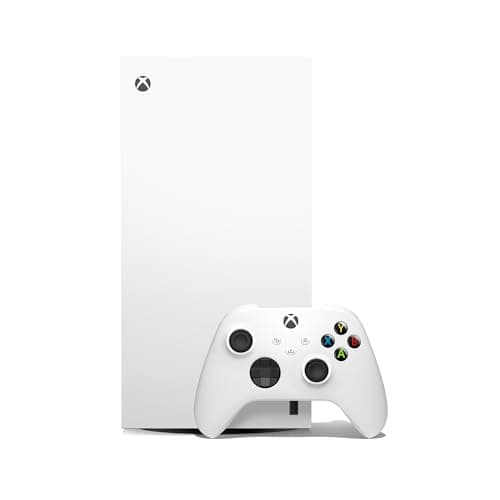
Best Gaming Laptops for Every Budget in 2026: Ranked by Price & Performance
If you’re searching for the best gaming laptops under $1500 , the hard truth is that price doesn’t always equal better real-world gaming. The smartest buy depends on whether you want the cheapest way to play, the best balance of performance and features, or the strongest “buy once, enjoy for years”
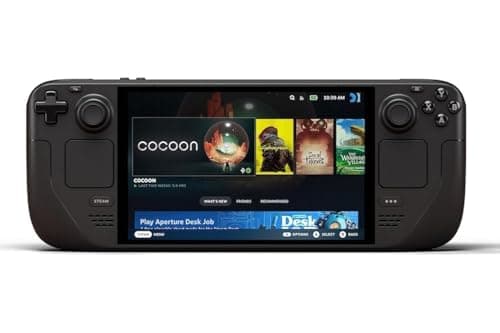
Steam Deck OLED Review (2026): Honest Verdict After Testing
The Steam Deck OLED feels like a device designed by people who actually spend hours gaming in handheld mode. It has a substantial, ergonomic shape that fills the hands well, and the controls are positioned in a way that keeps long sessions comfortable instead of cramped.
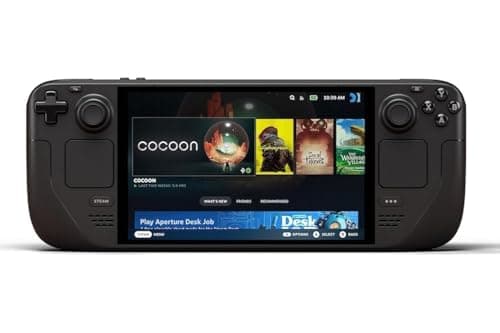
Steam Deck OLED vs ROG Ally X (2026): Which Should You Actually Buy?
The Steam Deck OLED is the more polished, console-like handheld here. Its 7.4-inch OLED panel with premium anti-glare etched glass immediately makes it feel like a premium gaming device, and the included carrying case adds real everyday value.