
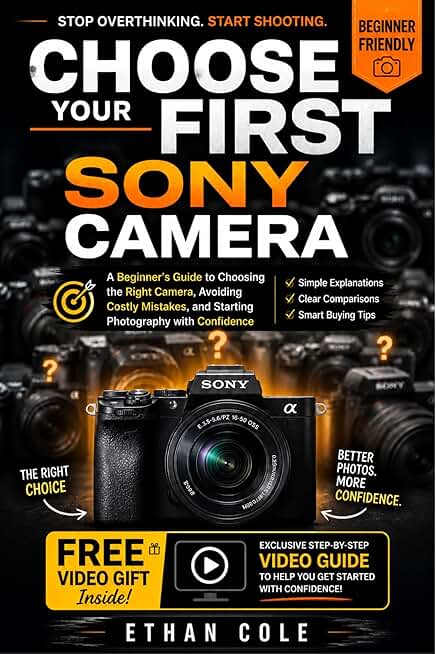
How to Choose the Best Mirrorless Camera in 2026: Complete Buying Guide
Choosing a mirrorless camera can feel overwhelming with so many options and technical specs to consider. Making the wrong choice often means buyer’s remorse, wasted money, or a camera that doesn’t meet your needs. This guide will help you understand exactly how to choose a mirrorless camera suited for your photography style and budget, avoiding common mistakes along the way.
Key Features to Look For
1. Sensor Size and Resolution
The sensor size impacts image quality, low-light performance, and depth of field control. Full-frame sensors offer the best quality but are pricier, while APS-C sensors balance quality and affordability. Resolution (megapixels) determines detail level; higher isn’t always better but matters for large prints or cropping.
2. Autofocus System
Fast, accurate autofocus is crucial for sharp photos, especially when shooting moving subjects like sports or wildlife. Look for cameras with advanced autofocus technologies such as Real-Time Eye AF or Dual Pixel AF for better tracking and precision.
3. Lens Compatibility and Selection
The availability of lenses in your chosen camera’s mount system dictates your creative flexibility. Interchangeable lens systems allow you to swap lenses for wide-angle, macro, or telephoto shots, so ensure ample lens options exist within your budget.
4. Video Capabilities
If you want to shoot video, consider features like 4K recording, frame rate options, and microphone input. Some mirrorless cameras cater specifically to vloggers and content creators with flip-out screens and advanced video features.
5. Size and Weight
Mirrorless cameras are prized for their compactness compared to DSLRs, but sizes vary. If you travel a lot or want an everyday carry camera, opt for lightweight and pocketable models without compromising essential features.
6. Battery Life
Mirrorless cameras generally have shorter battery life than DSLRs due to electronic viewfinders and LCD usage. Check the estimated number of shots per charge to avoid interruptions during shoots.
7. User Interface and Ergonomics
Consider how comfortable the camera feels in your hands and how intuitive the controls are. Touchscreens, customizable buttons, and vari-angle displays can enhance your shooting experience, especially for beginners.
What to Avoid
- Ignoring Your Primary Use: Buying a camera without considering what you’ll shoot most (portraits, landscapes, video, etc.) leads to frustration and underutilized features.
- Overemphasizing Megapixels: More megapixels don’t always translate to better images, especially if the sensor or lens quality is lacking.
- Neglecting Lens Ecosystem: A great camera body is only part of the equation; a limited lens selection can restrict your creative options.
- Buying Based on Brand Loyalty Alone: Different brands excel in various areas; research objectively rather than sticking to one brand out of habit.
- Skipping Hands-On Testing: A camera that looks great on paper might feel awkward to hold or use. Testing in-store or renting before buying is beneficial.
- Overlooking Battery Life and Accessories: Forgetting to check battery endurance or accessory availability can lead to additional expenses and inconvenience.
Our Top Picks
Sony Alpha a6700 Mirrorless Camera with E PZ 16-50mm f/3.5-5.6 OSS II Lens
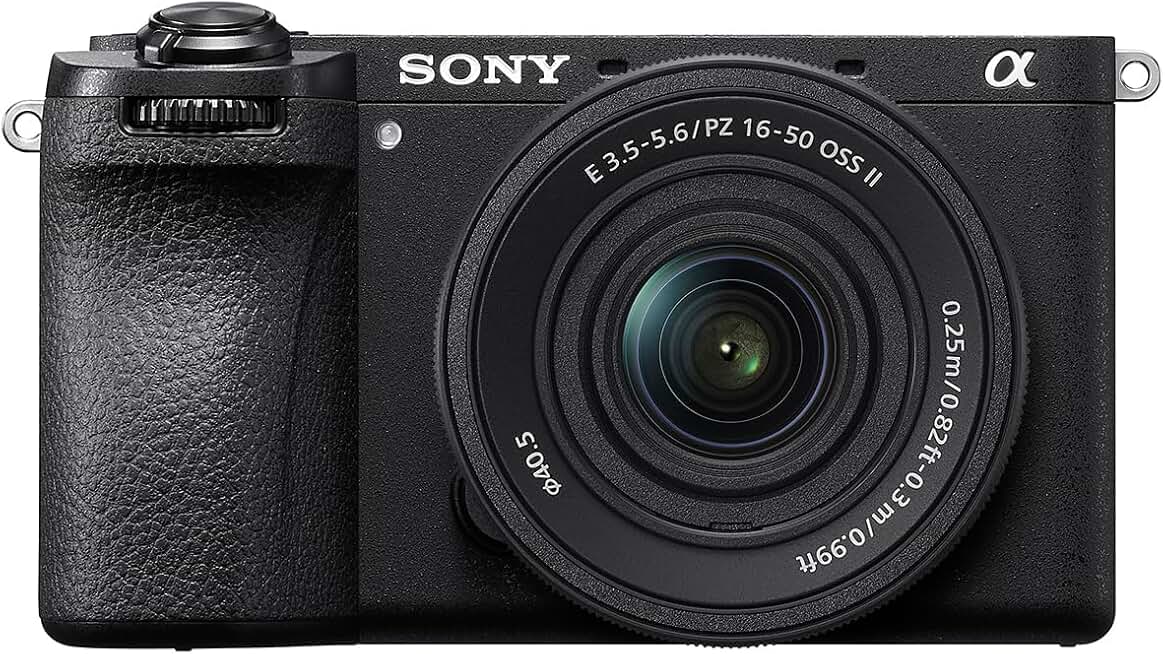
Ideal for enthusiasts seeking cutting-edge autofocus and 4K video capabilities in a compact APS-C body. Perfect for action, travel, and vloggers wanting a versatile all-rounder.
✓ Advanced Real-Time Eye AF and tracking✓ Sharp 4K video recording
✓ Compact and lightweight design
✗ Higher price point may deter beginners
Sony Alpha ZV-E10 - APS-C Interchangeable Lens Mirrorless Vlog Camera Kit
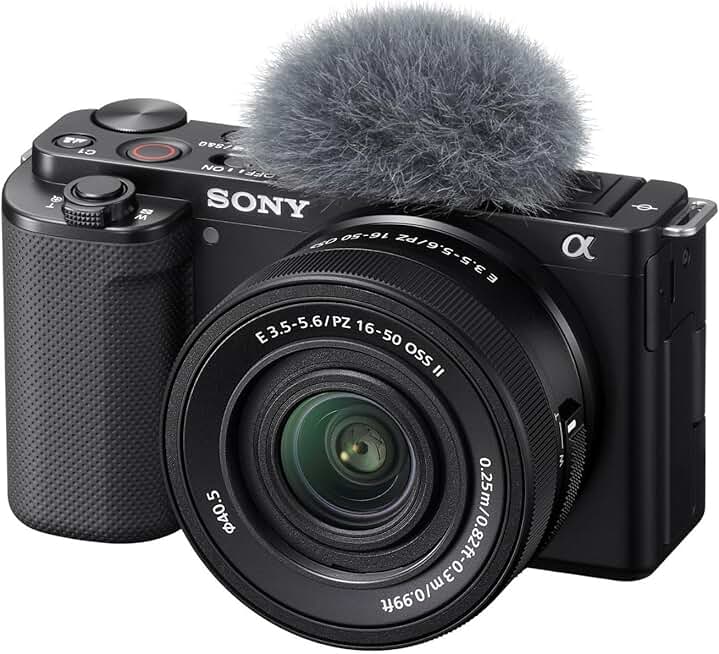
Designed specifically for vloggers and content creators, this camera offers excellent video features and user-friendly controls at a mid-range price.
✓ Vari-angle touchscreen for easy framing✓ Good microphone input and video specs
✓ Lightweight and portable
✗ Autofocus less advanced than flagship models
Canon EOS R50 Mirrorless Camera Kit – APS-C RF Camera with 18-45mm Lens
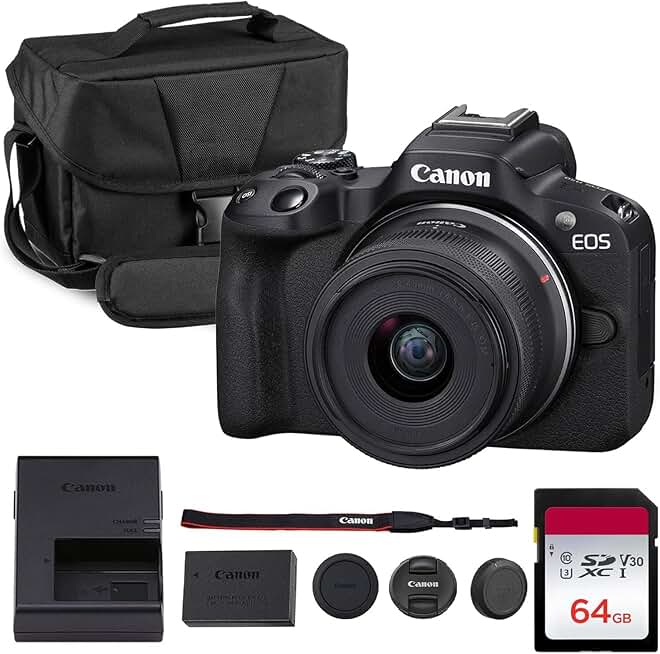
Great for beginners looking for an easy-to-use, affordable mirrorless camera with solid autofocus and 4K video for photo and video hybrid use.
✓ User-friendly interface✓ Good image quality for the price
✓ Includes useful accessories like a shoulder bag and memory card
✗ Limited advanced features for professionals
Sony Alpha a6400 Mirrorless Camera with 16-50mm Lens
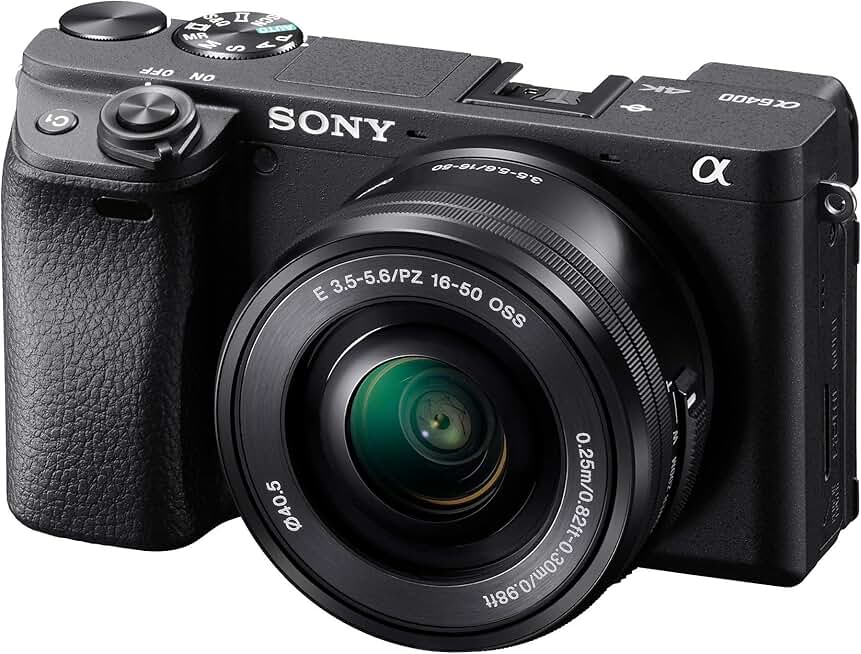
A compact APS-C camera well suited for hybrid photo and 4K video shooters who want fast autofocus and a flip screen for selfies or vlogging.
✓ Real-Time Eye Autofocus✓ 4K video recording
✓ Flip screen for versatile shooting angles
✗ Battery life could be better
Canon EOS R6 Mark II Mirrorless Camera RF24-105mm F4-7.1 Lens Kit

A full-frame powerhouse for advanced photographers and videographers wanting superb image quality, fast performance, and professional-grade features.
✓ 24.2MP full-frame CMOS sensor✓ Excellent hybrid photo/video capabilities
✓ Robust build and weather sealing
✗ Pricey, suited for serious enthusiasts and pros
Budget Guide: What You Get at Each Price Point
Under $900: Entry-level mirrorless cameras like the Canon EOS R50 or Sony ZV-E10 offer great image quality, basic lens options, and user-friendly features perfect for beginners or casual shooters. Expect decent autofocus and 4K video but with some compromises on build and speed.
$900 - $1,600: Mid-range models such as the Sony Alpha a6400 and a6700 provide faster autofocus, improved sensors, and better video specs. These are ideal for enthusiasts wanting more creative control and versatility without breaking the bank.
Above $1,600: High-end full-frame cameras like the Canon EOS R6 Mark II deliver professional-grade image quality, exceptional autofocus, and advanced video features. These are suited for serious photographers and videographers who demand the best performance and durability.
Frequently Asked Questions
1. What is the main difference between mirrorless and DSLR cameras?
Mirrorless cameras lack the mirror mechanism found in DSLRs, making them more compact and lighter. They use electronic viewfinders instead of optical ones, allowing for real-time exposure previews and often faster shooting speeds.
2. Is a full-frame sensor always better than APS-C?
Full-frame sensors generally offer better image quality and low-light performance, but APS-C sensors are more affordable and produce excellent results for most users. Your choice depends on budget and specific photography needs.
3. Can I use DSLR lenses on mirrorless cameras?
Some mirrorless cameras support DSLR lenses via adapters, but performance may vary. It’s best to use lenses designed for mirrorless mounts to ensure full compatibility and autofocus functionality.
4. How important is video capability in a mirrorless camera?
If you plan to shoot videos or create content, video specs like 4K recording, frame rates, and audio input are essential. Many mirrorless cameras now cater to hybrid shooters with advanced video features.
5. What accessories should I consider when buying a mirrorless camera?
Consider extra batteries, memory cards, camera bags, and external microphones if you shoot video. Lenses are also critical accessories that greatly affect your shooting options and quality.
Get the Full Cameras & Drones Buyer's Guide
Download our detailed comparison with specs, scores, and our honest verdict — delivered straight to your inbox.
Free. No spam. Unsubscribe anytime.
Was this review helpful?
Be the first to share your feedback on this review.
Sign in to vote and let us know what you think.
Discussion (0)
No comments yet. Be the first to start the discussion.
Related Reviews
8 Best Mirrorless Cameras in 2026 — Capture Stunning Photos with Cutting-Edge Tech
Looking for the best mirrorless cameras in 2026 to elevate your photography or videography? Whether you’re a beginner, vlogger, or professional, these cameras offer top-tier features, excellent image quality, and versatile performance. Our picks are carefully selected based on sensor quality, autofo