
What is APS-C vs full frame explained? A Complete 2026 Guide
Trying to understand APS-C vs full frame explained without getting lost in camera jargon? The biggest confusion is usually not about megapixels or “better” image quality, but about how sensor size changes your field of view, low-light performance, depth of field, and the way lenses behave. In this guide, you’ll learn the difference in plain English so you can choose the right camera system for your budget, your style of shooting, and your long-term upgrade path.
How It Works
A camera sensor is the digital version of film: it captures the light that passes through the lens and turns it into an image. The main difference between APS-C and full frame is sensor size—full frame sensors are larger, while APS-C sensors are smaller.
Because the APS-C sensor is smaller, it records a narrower portion of the image projected by the lens. That creates the well-known “crop factor,” which makes the same lens look more zoomed-in on APS-C than on full frame. For example, a 50mm lens on APS-C gives you a tighter framing than a 50mm lens on full frame.
Full frame sensors also generally collect more light because they have a larger surface area. In practical terms, that can mean cleaner high-ISO performance, more flexibility in low-light situations, and the ability to blur backgrounds more easily when using the same framing and aperture.
APS-C sensors, on the other hand, are often found in smaller, lighter, and more affordable cameras. That makes them attractive for beginners, travelers, vloggers, and anyone who wants strong image quality without paying full-frame prices.
Key Benefits & Use Cases
Why APS-C can be a smart choice
APS-C is often the best value for people who want excellent image quality without the cost and weight of a full-frame system. It’s especially useful for travel, everyday photography, wildlife, sports, and content creation where reach and portability matter.
Why full frame appeals to many shooters
Full frame is usually preferred by photographers who want maximum low-light performance, wider-angle flexibility, and stronger background blur control. It’s a popular choice for portraits, weddings, landscapes, and professional work where image quality and lens performance are top priorities.
Use cases by type of user
- Beginners: APS-C is often easier on the budget and still delivers very high quality.
- Travelers: APS-C kits are usually lighter and more compact.
- Vloggers and creators: APS-C offers a balanced mix of cost, size, and performance.
- Portrait shooters: Full frame makes it easier to achieve shallow depth of field.
- Low-light photographers: Full frame typically has the edge in challenging lighting.
What to Look For When Buying
1. Sensor size and crop factor
Decide whether the extra reach of APS-C or the wider, more natural framing of full frame better suits your photography.
2. Lens ecosystem
The best sensor choice depends on the lenses available to you. A strong lens lineup matters more than sensor size alone.
3. Low-light performance
If you often shoot indoors, at night, or in dim venues, full frame may give you more usable results at higher ISO settings.
4. Size, weight, and portability
APS-C systems are usually smaller and easier to carry, which can be a major advantage for everyday use and travel.
5. Budget and upgrade path
Think about the total cost of the system, not just the camera body. A cheaper APS-C body may leave more room in your budget for better lenses.
Top Recommended Products
If you’re shopping while learning the difference between sensor sizes, these products cover a range of budgets and use cases—from serious APS-C mirrorless to simple portable cameras for casual shooting.
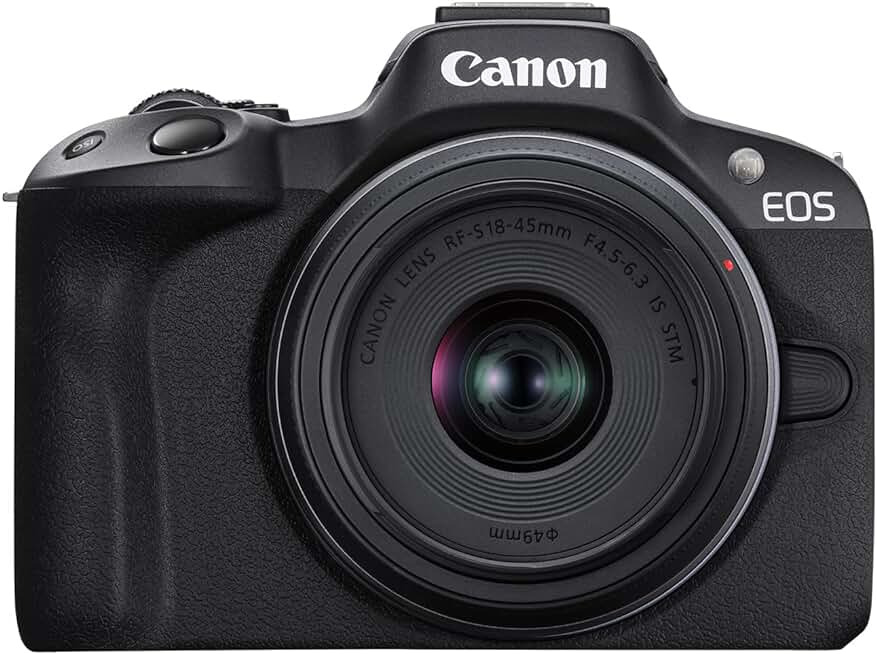
Canon EOS R50 Mirrorless Camera 24.2MP APS-C
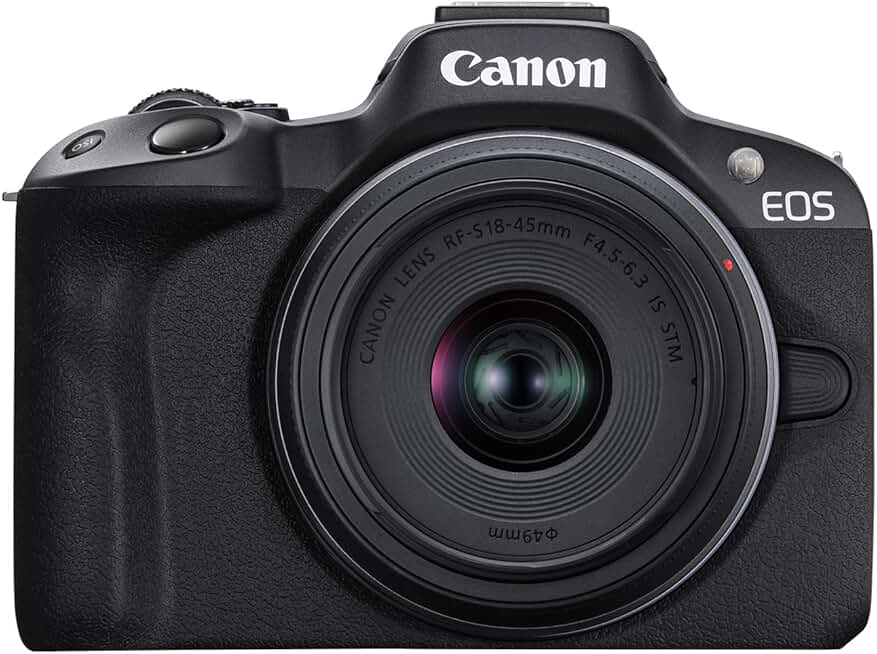
The Canon EOS R50 is a strong example of an APS-C mirrorless camera built for everyday photography, vlogging, and content creation. It gives you the benefits of a smaller sensor system—lighter gear and lower system cost—while still delivering modern mirrorless features.
✓ Prime 24.2MP APS-C sensor
- ✓ APS-C sensor for a compact, versatile camera system
- ✓ 4K video support for creators and vloggers
- ✓ Mirrorless design that keeps the body relatively portable
- ✓ Good entry point for learning interchangeable-lens photography
- ✗ APS-C won’t match full frame in ultimate low-light performance
- ✗ Kit-lens setups may feel limited as your skills grow
- ✗ Not the cheapest option if you only want casual snapshots
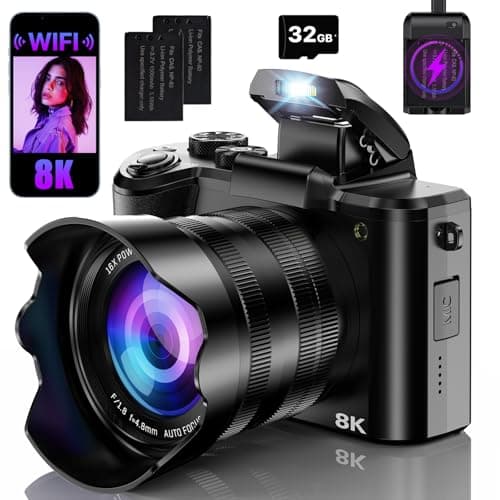
8K Digital Camera for Photography with WiFi
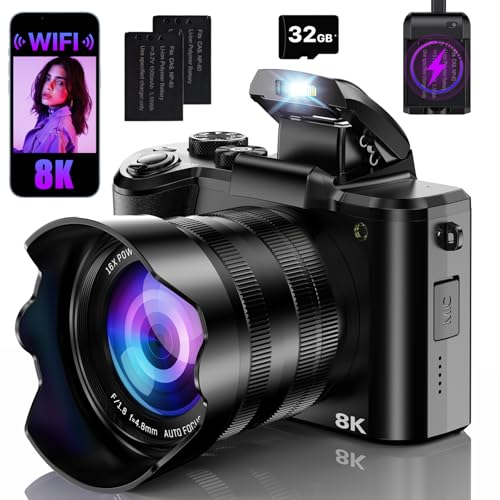
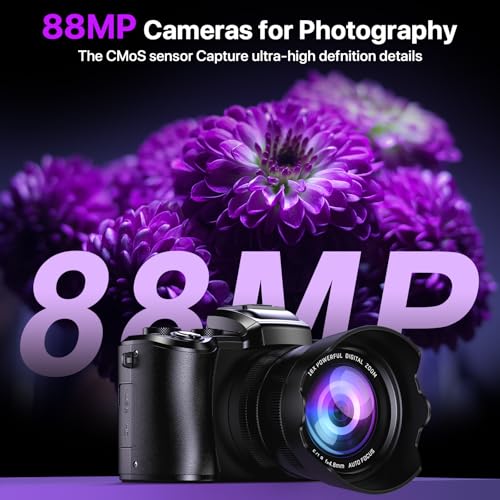
This camera is not an APS-C or full-frame interchangeable-lens body, but it can still help beginners understand the practical difference between compact all-in-one cameras and larger sensor systems. It’s aimed at casual users who want easy operation, selfie-friendly shooting, and simple sharing.
✓ Prime 22% OFF — Was $165.99
- ✓ 8K video and 88MP photo claims for high-resolution casual use
- ✓ Built-in WiFi for quick sharing and webcam use
- ✓ Dual lenses and touchscreen for simple content creation
- ✓ Includes two batteries and charging stand for longer sessions
- ✗ Not comparable to APS-C or full-frame interchangeable-lens systems
- ✗ Digital zoom is not the same as optical lens performance
- ✗ Best for casual use, not advanced sensor-size learning by itself
Yunseity Mirrorless Camera
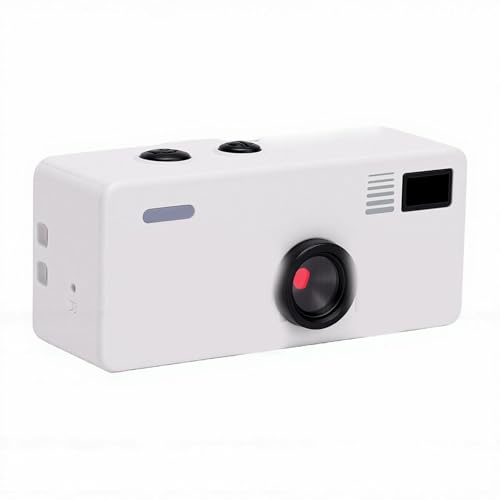

The Yunseity Mirrorless Camera is a compact, simple-to-use option for people who want a lightweight camera for everyday recording. It’s more about portability and convenience than sensor-size performance, which makes it a useful contrast to APS-C and full frame.
✓ Prime
- ✓ Thumb-sized and easy to carry for travel or daily recording
- ✓ FHD 1080P capture for basic video and photos
- ✓ Simple operation with a small color screen
- ✓ Type-C charging and long standby support
- ✗ Not an APS-C or full-frame camera
- ✗ Limited for serious low-light or shallow-depth-of-field work
- ✗ Better for casual recording than advanced photography
Zopsc Mini Vintage Mirrorless Camera
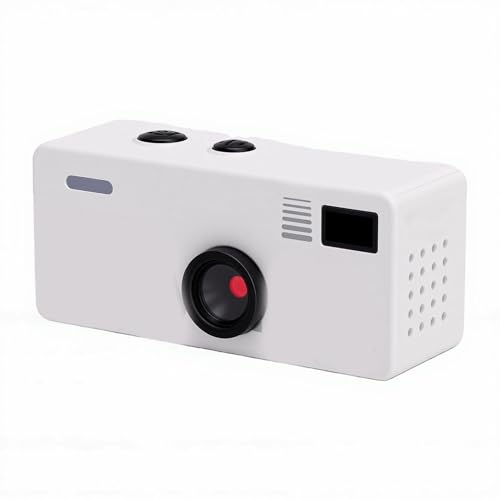

The Zopsc Mini Vintage Mirrorless Camera is another ultra-portable option for casual shooting and everyday carry. It’s best viewed as a fun, simple camera rather than a serious APS-C or full-frame alternative.
✓ Prime
- ✓ Small and lightweight for easy carrying
- ✓ FHD 1080P resolution for basic recording
- ✓ Simple controls for beginners
- ✓ Retro styling that appeals to casual users
- ✗ Not suitable for comparing sensor size performance
- ✗ No interchangeable-lens flexibility
- ✗ Limited creative control compared with APS-C or full frame
Common Mistakes to Avoid
When people compare APS-C and full frame, they often focus on only one feature and ignore the rest of the system. That can lead to buying the wrong camera for the way they actually shoot.
- Thinking full frame automatically means better photos: Lens choice, technique, and lighting matter just as much.
- Ignoring total system cost: Full frame bodies are only part of the expense; lenses can be much pricier too.
- Buying for specs instead of use case: A camera that feels too heavy or expensive may get used less.
- Forgetting crop factor: APS-C changes framing, which can be a benefit or a drawback depending on your subject.
- Overlooking lens quality: A great lens on APS-C can outperform a mediocre lens on full frame in real-world results.
Frequently Asked Questions
Is APS-C good enough for professional photography?
Yes. APS-C cameras can absolutely be used professionally, especially for travel, events, sports, and content creation. The final result depends more on the photographer, lens, and lighting than sensor size alone.
Why do full frame cameras cost more?
Full frame cameras usually cost more because the sensor is larger and the lenses designed for that system often cost more too. You’re paying for a larger imaging area and, in many cases, better low-light performance and background control.
Does APS-C have better zoom?
Not exactly. APS-C does not magnify the lens, but it crops the image, making subjects appear tighter in the frame. That can feel like extra reach, which is useful for wildlife and sports.
Is full frame better for beginners?
Not always. Beginners often benefit more from an APS-C camera because it’s usually cheaper, lighter, and easier to build a lens kit around. Full frame makes sense if you already know you need its specific strengths.
Which is better for video: APS-C or full frame?
Both can be excellent for video. APS-C is often more affordable and portable, while full frame can offer stronger low-light performance and a more cinematic look with background blur.
Get the Full Cameras & Drones Buyer's Guide
Download our detailed comparison with specs, scores, and our honest verdict — delivered straight to your inbox.
Free. No spam. Unsubscribe anytime.
Was this review helpful?
Be the first to share your feedback on this review.
Sign in to vote and let us know what you think.
Discussion (0)
No comments yet. Be the first to start the discussion.
Related Reviews
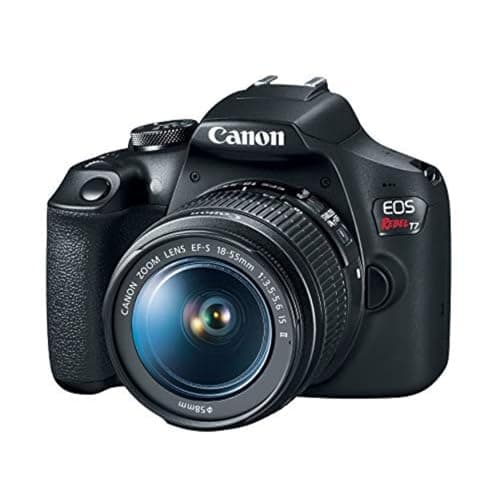
8 Best Mirrorless Camera for Beginners in 2026 — Easy-to-Use Picks That Make Learning Photography Simple
If you’re searching for the best mirrorless camera for beginners 2026 , you probably want something that takes sharp photos, feels easy to learn, and won’t overwhelm you with pro-level complexity. The right beginner camera should also give you room to grow, whether you care more about family photos,
Best Mirrorless Cameras Under $1000 for Every Budget in 2026: Ranked by Price & Performance
Finding the best mirrorless camera under $1000 means balancing price with features that suit your photography needs. Whether you're a beginner looking for affordability, an enthusiast seeking quality, or a semi-professional wanting premium capabilities, this guide breaks down the best options for ev
Canon R50 Review (2026): Honest Verdict After Testing
The Canon R50 sports a compact, lightweight design that makes it an excellent companion for travel, vlogging, and everyday photography. Its magnesium alloy chassis paired with sturdy plastic components offers durability without adding bulk. The textured grip is comfortable and secure for handheld sh