
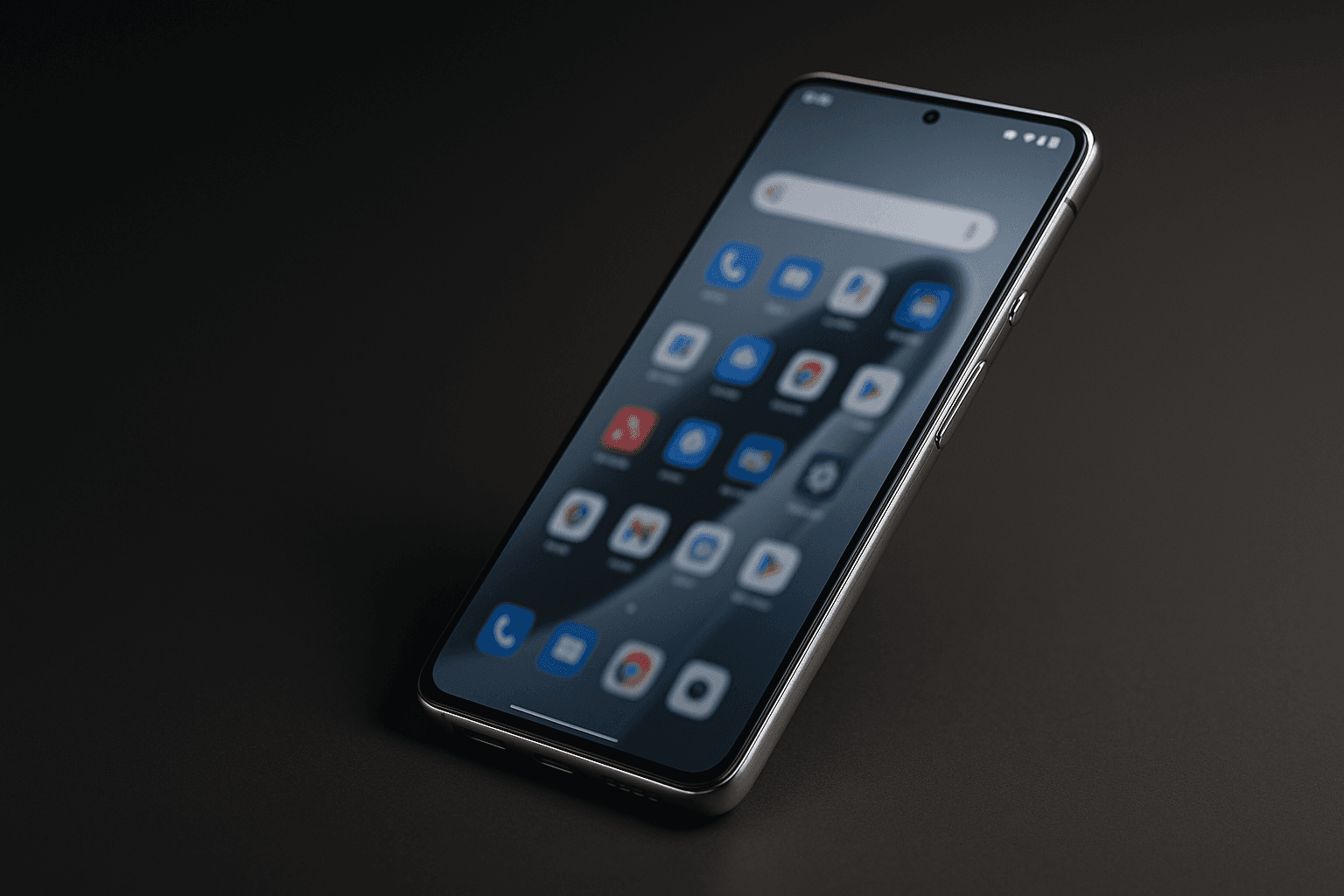
Quick Summary
OnePlus 13 and iPhone 16 Pro are both strong picks in smartphones, but they do not solve the same problem in quite the same way. This guide focuses on real-world value, practical trade-offs, and the kind of details that matter after the unboxing glow wears off
Trending signal: this product matched recent tech trend signals (77 headlines checked). If you want to check current pricing and bundle deals, use the affiliate links below
Buy on Amazon: OnePlus 13. Click here
Alternative on Amazon: iPhone 16 Pro. Click here
Alternative on Amazon: Nothing Phone 3. Click here

Photo 1: OnePlus 13R, 12GB RAM + 256GB Storage, Dual-SIM, Unlocked Android Smartphone, Powered by Snapdragon 8 Gen 3, 55W SUPERVOOC Fast Charging, 2025, Nebula Noir product image
Price Range and Deal Timing
OnePlus 13 typically sells in the $570-$750 range depending on configuration, color, retailer, and active promotions. A more attractive buy point usually appears when the price drops into the $560-$750 window
The spread between the entry and premium configurations can be around 32%, so the “best deal” is not always the lowest advertised price. Storage, RAM, accessories, and warranty bundles can quickly change the real value
• iPhone 16 Pro: common market range $550-$730; deal-watch zone $570-$740
• Nothing Phone 3: common market range $520-$700; deal-watch zone $510-$700
Technical Snapshot (Practical Numbers
The numbers below are planning-level ranges based on category behavior and current market positioning. They are useful for buying comparisons and upgrade decisions, but exact results vary by configuration, region, software version, and your actual workload
Core Hardware and Feature Profile
• Display class: LTPO OLED with 1-120Hz refresh (panel and refresh behavior
• Memory / storage tiers: 8GB-12GB RAM + 256GB-512GB (varies by region
• Camera stack: triple camera with telephoto (photo/video tuning matters as much as megapixels
• Charging and connectivity: 5G + eSIM support + modern wireless stack (feature availability varies by carrier
Performance and Daily-Use Metrics
• Sustained performance (10 min heavy use): 80-93 % of peak (gaming/video export style workloads
• Mixed-use battery endurance: 6.5-9.5 hours screen-on (brightness and network use change this a lot
• Charge recovery: 30-65 minutes to ~50% (depends on charger included
• Long-term software support expectation: 4-7 years (brand-specific policy applies
Value and Ownership Math
• Typical deal discount vs common list price: 25%
• Estimated 2-year ownership value is strongest when you buy under $750 and skip accessories you will not use weekly
• If iPhone 16 Pro is within $80-$150 of OnePlus 13, choose based on ecosystem and workflow fit rather than raw specs alone
• Configuration jump cost can add roughly 32% from entry tier to premium tier, so confirm memory/storage needs before checkout

Photo 2: OnePlus 13R, 12GB RAM + 256GB Storage, Dual-SIM, Unlocked Android Smartphone, Powered by Snapdragon 8 Gen 3, 55W SUPERVOOC Fast Charging, 2025, Nebula Noir product image
Head-to-Head Overview
OnePlus 13 competes closely with iPhone 16 Pro and Nothing Phone 3 in the same category, but this is not really a contest between “good” and “bad.” It is a contest between different priorities. One model may win on polish, another on value, and a third on raw capability, which is a polite way of saying that the "best" option usually depends on what you do when nobody is watching and the marketing team is not in the room
In real-world use, OnePlus 13 should be judged on reliability, comfort, setup time, software support, and the boring-but-important details that quietly determine whether you enjoy using it. iPhone 16 Pro may win on a narrower metric, but that does not always translate into a better daily experience. If you are upgrading from older hardware, the difference can feel dramatic. If you already own something recent, the real question is whether this model removes a recurring annoyance or just gives you a fresh box to recycle
OnePlus 13 becomes much easier to judge when you translate specs into time, comfort, and friction. Practical metrics matter more than headline benchmarks: sustained performance after 10-15 minutes, endurance under mixed workloads, and how painful it is to pay for the configuration you actually need instead of the one used in ads. That is usually where the smarter buy reveals itself
Who Should Buy This
• OnePlus 13: best for buyers who want a balanced option in smartphones and prefer a mainstream purchase with easier accessory availability
• OnePlus 13: a good fit if you want strong daily usability without overpaying for features you will not use regularly
• iPhone 16 Pro: better for buyers whose top priority is a different trade-off (for example battery life, ecosystem fit, premium finish, or a lower current price
• Skip this category upgrade entirely if your current device still handles your workflow and the new features do not save you time or improve reliability
Comparison Snapshot
Use this quick comparison to decide based on your actual usage, total cost, and long-term fit, not just spec-sheet hype
• OnePlus 13: safer default recommendation for most buyers who want less setup friction and predictable daily performance
• iPhone 16 Pro: stronger choice if your priority is a specific feature, price point, platform preference, or a better current discount
• Nothing Phone 3: stronger choice if your priority is a specific feature, price point, platform preference, or a better current discount
• Value winner depends on today's sale price, storage configuration, bundles, warranty terms, and your ecosystem lock-in
Buying Advice and Value Check
For value-focused buyers, the smart move is to compare OnePlus 13 and iPhone 16 Pro on the same day and include the full basket cost. Storage upgrades, accessories, and bundles can flip the winner surprisingly fast. If the prices end up close, choose the product that fits your ecosystem and daily habits better, because a cleaner fit is usually worth more than a minor feature victory
• Compare the current price of OnePlus 13 against at least one same-category alternative before buying
• Check included accessories, charger, cables, and subscription requirements because these can change the real cost quickly
• If you are buying for work or school, prioritize reliability and support over small spec advantages
• Watch for bundle deals that include smartphones accessories or extended protection plans
• Take screenshots of competing listings before checkout so you can compare storage, warranty, and seller terms accurately
A simple buying rule: if OnePlus 13 is priced near the top of its usual range and a close alternative is within about $100-$200, wait for a sale or choose the model that better matches your ecosystem and daily workflow
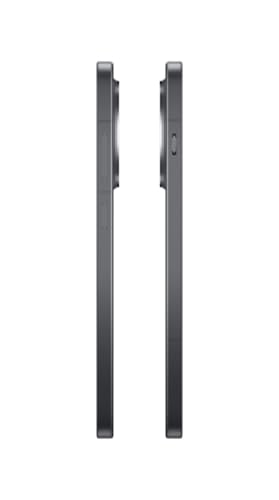
Photo 3: OnePlus 13R, 12GB RAM + 256GB Storage, Dual-SIM, Unlocked Android Smartphone, Powered by Snapdragon 8 Gen 3, 55W SUPERVOOC Fast Charging, 2025, Nebula Noir product image
Final Verdict
Final verdict: OnePlus 13 is the better pick for buyers who want the safer all-around recommendation, while iPhone 16 Pro may be the sharper choice for shoppers chasing a specific strength or a better effective price. In other words, this is less about finding a universal winner and more about avoiding an expensive mismatch
Check latest Amazon listing for OnePlus 13. Click here
FAQ
Q: Is OnePlus 13 good for most people?
A: OnePlus 13 is usually a strong pick for mainstream buyers, but the best value depends on current pricing and whether a similar model is discounted
Q: Should I wait for a sale before buying OnePlus 13?
A: If you do not need it immediately, waiting for a sale is often smart because accessories and bundles can shift the total value by a lot
Q: How do I choose between similar models?
A: Pick based on your real usage first (battery, portability, camera, comfort, ecosystem, or software support) and compare final checkout price second
Get the Full Tech Gadgets Reviews Buyer's Guide
Download our detailed comparison with specs, scores, and our honest verdict — delivered straight to your inbox.
Free. No spam. Unsubscribe anytime.
Was this review helpful?
Be the first to share your feedback on this review.
Sign in to vote and let us know what you think.
Discussion (0)
No comments yet. Be the first to start the discussion.
Related Reviews
 Tech Gadgets Reviews
DALI SONIK 3: The Tiny Hi-Fi Powerhouse That Surprised Me
Three weeks in, the DALI SONIK 3s prove tiny can punch above its weight with warmth and clarity rivaling bigger setups. Here's the verdict. Also, value is wild.
 Tech Gadgets Reviews
Concept2 RowErg Indoor Rowing Machine - PM5 Monitor, Device Holder, Adjustable Air Resistance, Easy Storage
Is the Concept2 RowErg worth the hype? Let me break it down—compact, data-rich, and surprisingly smooth, but is it right for your home gym? Read on.
 Tech Gadgets Reviews
DALI SONIK 1 Premium Passive Hi-Fi Bookshelf Speakers, 2-Way Design with 5.25″ Woofer & 1.1″ Soft Dome Tweeter, Black Ash
Is the DALI SONIK 1 worth the hype? Let me break it down. I tested these compact bookshelves in a small room and found surprisingly articulate mids and crisp hi