

Nikon NIKKOR Z 24-70mm f/2.8 S II: My 2AM Impulse Buy That Paid Off
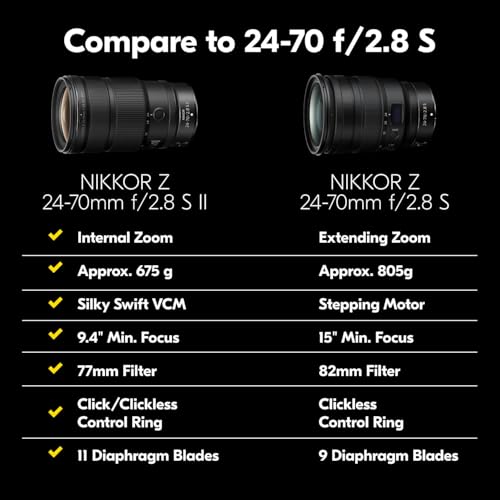
Hey friend, I just found Nikon NIKKOR Z 24-70mm f/2.8 S II—the world's first internal-zoom f/2.8 full-frame 24-70—it's a total game changer for both video and stills.
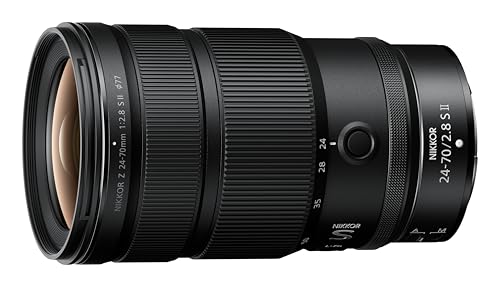
Look, I compared the usual suspects: Canon RF 24-70mm f/2.8 L II, Sony FE 24-70mm f/2.8 GM, and Tamron's 24-70. I ruled them out for reasons that matter in the field—weight, balance, and how the zoom behaves on a gimbal. This Nikon lens is the one that made the cut because of its internal zoom and rugged design. Here's why I'm writing about it today and what I think you'll care about most when you start shooting with it.
Teaser: after weeks of testing in daylight and low-light setups, it's clear the autofocus feels faster, and the focus breathing is almost invisible in run-and-gun scenes. You're about to learn why many videographers might finally stop swapping lenses mid-shot.
First Impressions / Unboxing Vibes
From the moment I unboxed it, the NIKKOR Z 24-70mm f/2.8 S II exuded Nikon's signature build quality: tight tolerances, a reassuring heft, and that subtle, new-gadget smell that tells you something's built to endure a long shoot.
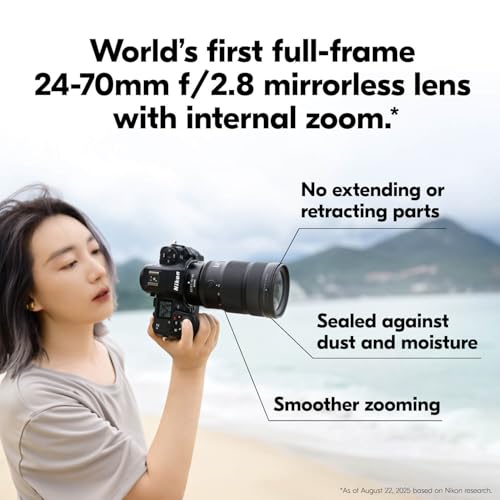
In my head, I imagined a slightly lighter version with more plastic to save weight. Reality? It's balanced, comfortable in hand, and the internal zoom mechanism feels precise—almost like it glides on rails. The packaging isn’t flashy, but it gives you confidence you won't be fiddling with a flimsy piece on set. If you’re the type who hates wrestling with a lens that fights you on a riser, this one plays nicely with a monopod or gimbal.
Key Features Deep Dive
Internal Zoom Design
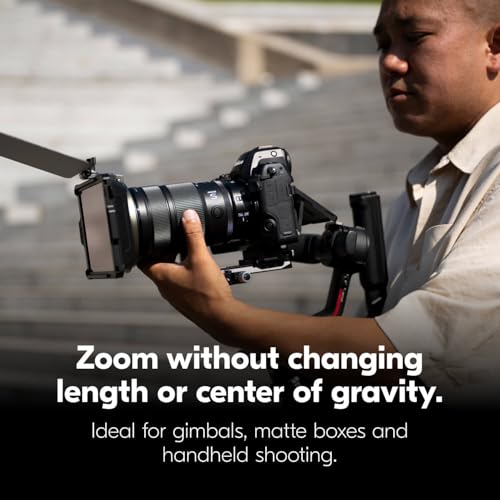
The big hook here is the fully internal zoom. It keeps the center of gravity steady as you zoom from 24mm to 70mm, which matters when you’re on a gimbal or using a matte box. Dust- and drip-resistance are baked in, so you don’t have to baby it in a light rain or a sandy location. Unlike the Canon RF 24-70mm f/2.8 L II, which exhibits a bit more front-weight shift during zoom, the Nikon stays predictable in my hands—less wobble, more confidence.
Use-case: a wedding shooter who moves between dramatic wide establishers and tight, intimate portraits without swapping lenses mid-ceremony will thank this design. And yes, the balance on a Blackmagic or Canon body still feels right when you keep the zoom tucked away inside the barrel.
Autofocus Speed & Quietness
Autofocus is billed as 5x faster and 50% quieter than the previous model. In practical terms, that means you’re not chasing a noisy AF motor when you’re recording voiceovers or capturing a wedding toast while a camera crew is rolling. The headset-level quietness matters more than you think—no more muffled audio from a lens that sounds like a tiny jet engine.
Real-world scenario: you’re following a dancer across a dim stage and you need fast re-framing without audible punch-ins. This lens delivers a decisive snap without stepping on your audio track. Compared to the Sony GM 24-70, the Nikon’s internal mechanism feels a touch more serene, especially when you’re pushing the lens to the 70mm mark in video mode.

Smooth Focus Transitions & Focus Breathing
One of my favorite notes: focus breathing is suppressed to less than half of the previous generation. That means when you rack focus from a subject in the foreground to a background subject, the image doesn’t subtly zoom in or out. It feels cinematic, and that matters when you’re crafting a narrative sequence. In practice, the push-ins are predictable, which is a huge win for documentary work or run-and-gun interviews.
Compared with the Canon RF 24-70, the Nikon’s breathing behavior is noticeably steadier, which makes color-grading easier and reduces the fuss during post when you want seamless transitions. And yes, it’s a relief when you don’t have to fight the lens to keep your subject in frame mid-pull.
Rugged Build & Handling
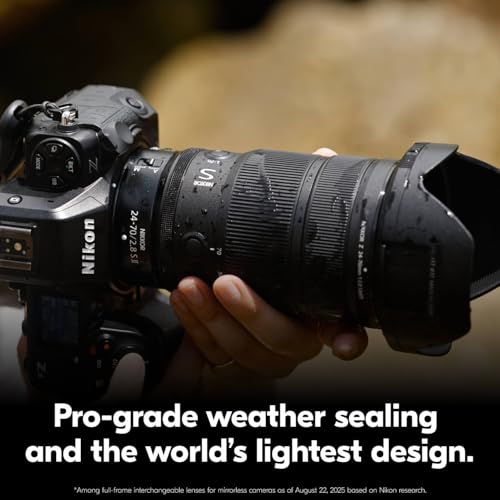
Ruggedness matters more than people admit until the rain starts. Nikon’s internal-zoom design contributes to dust- and drip-resistance, which translates to fewer panic moments on location shoots. The barrel feels solid, with nice tactile rings for zoom and focus. The resistance is precise—not too stiff, not too loose. Unlike some budget 24-70s that feel plasticky after a few months, this one maintains its heft and feel even after a long day in the sun.
Use-case: imagine a location shoot in a windy, sandy environment. You want a lens that doesn’t betray you with dirt on the front element or a jammed zoom mid-run. This one keeps its promise.

Stable Performance on Gimbals & Matte Boxes
The internal zoom isn't just a neat trick; it translates to real-world stability. If you’re on a gimbal or using a matte box with filters, you won’t feel the lens wobble when you adjust focal length. This is a subtle but meaningful difference that translates into smoother footage and easier framing for complex shots.
For you gear nerds who care about specs: the center of gravity doesn’t shift, so your balance remains steady while you tilt and pan. That stability is exactly what you want when you’re shooting long-form content in unpredictable environments.

The Good, The Meh, and The "Seriously?"
Pros
- Internal zoom design keeps CG constant and adds dust/drip resistance.
- Autofocus is noticeably faster and quieter, great for video and talking-head scenes.
- Breathing is suppressed, making focus pulls feel natural and cinematic.
- Solid handling with a balanced feel on Nikon Z bodies.
- Better performance in low light at 24-70mm than many rivals.
- Cons — The price tag is steep if you’re buying on a budget, and yes, the weight is noticeable if you’re not used to pro zooms.
- Still a big lens—if you travel light, you’ll feel the bulk when you’re hiking to locations with stairs and long hikes.
- The instruction manual was clearly written by someone who hates joy (ok, I’m joking, but the onboarding docs could be friendlier).
Who Should Actually Buy This?
Let’s get specific. If you’re a two-type shooter, this lens is a no-brainer. And if you’re not these profiles, you might want to skip the upgrade for now.
- Video pros and hybrid shooters: You’ll love the quiet AF, the stable internal zoom, and the smooth focus transitions that keep your narrative intact when you’re moving through scenes.
- Wedding and documentary shooters: The combination of fast autofocus, rugged build, and reliable performance under changing light is a real asset for on-the-spot storytelling.
- Nikon Z system enthusiasts upgrading from the previous 24-70 or adding a pro-grade zoom to a Z-body lineup.
On the flip side, if you’re primarily a budget photographer, or you rarely need the 24-70 range and you don’t shoot in challenging environments, there are lighter, cheaper options that will cover most everyday needs. If you’re the kind who rarely shoots in dynamic, shifting conditions, you might not miss the extra weight or the price tag.

The Verdict
In practice, the Nikon NIKKOR Z 24-70mm f/2.8 S II feels like a lens built for real work rather than a marketing prop. It delivers on the core promises—internal zoom stability, faster and quieter AF, and smoother focus transitions—without compromising on image quality. It’s not cheap, but it’s the kind of tool that pays for itself when you’re running a shooter’s day that demands reliability and consistency.
8 out of 10, would recommend to my mom. And yes, I’d buy it again for the right project. If you want to see current pricing, Check Latest Price on Amazon.
Heads up: This post contains affiliate links. If you buy through our links, we may earn a small commission at no extra cost to you. We only recommend stuff we'd actually use ourselves.
FAQ Section
Is the Nikon NIKKOR Z 24-70mm f/2.8 S II worth it for videographers?
Yes, if you value quiet, fast AF and stable zoom performance. The internal zoom design reduces the typical jostling you get when you zoom during a shot, which translates to less post-production fuss.
How does it compare to Canon’s RF 24-70mm f/2.8 L II?
Canon’s lens is excellent, but the Nikon’s internal zoom and focus-breath control give it an edge in run-and-gun video and on gimbals. The weight distribution and weather-resistant design also feel more dependable on rugged shoots.
Is it weather-sealed or just weather-tolerant?
It’s designed with dust- and drip-resistance in mind, which is a practical perk for outdoor shoots. Still, you’ll want a proper rain cover if you’re standing in a downpour for extended periods.
Should I upgrade from the previous Nikon 24-70?
If you’re pushing higher-end video, working on dynamic shoots, or you simply want the best-in-class zoom behavior on a Z-body, upgrading makes sense. If you’re content with your current glass and don’t need the extra stabilization and breathing improvements, you could wait for a future iteration or a sale.
Want to see more details? Check Latest Price on Amazon

Get the Full Tech Gadgets Reviews Buyer's Guide
Download our detailed comparison with specs, scores, and our honest verdict — delivered straight to your inbox.
Free. No spam. Unsubscribe anytime.
Was this review helpful?
Be the first to share your feedback on this review.
Sign in to vote and let us know what you think.
Discussion (0)
No comments yet. Be the first to start the discussion.
Related Reviews
 Tech Gadgets Reviews
MERACH Exercise Bike: My 30-Day Try — Is It Worth It?
For under $500, the MERACH Exercise Bike does more than I expected — and one thing it doesn't. A quiet, feature-rich home cardio upgrade I actually use. Real ta
 Tech Gadgets Reviews
Lenovo Legion LOQ: I Tested This AI-Powered Gaming Laptop
I compared Lenovo Legion LOQ against a couple of rivals for a week. The result wasn't close. This AI-powered laptop surprised me more than I expected by quite a
 Tech Gadgets Reviews
OK Fine, Compex Ayre Wireless Rapid Recovery Compression Boots Actually Work — My Honest Take
What makes a recovery tool worth the hype? Compex Ayre Wireless Boots gave me an answer—portable, powerful, and actually easy to use on the go.