
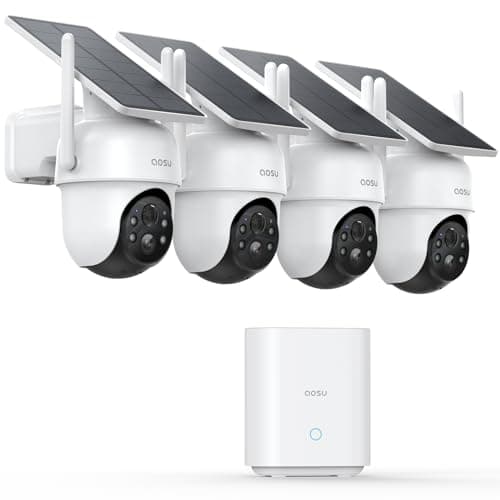
I Tested aosu Security Cameras Outdoor Wireless, 4 Cam-Kit — Honest Verdict
For about two weeks I watched the price and sifted through reviews before pulling the trigger on the aosu Security Cameras Outdoor Wireless, 4 Cam-Kit. I’m not here to hype a gadget that pretends to be smart. I’m here because this kit claims solar-powered operation, no subscription fees, and 360° coverage with auto tracking. I wanted to see if it could truly handle a real home’s perimeter without turning into a maintenance nightmare. So yes, I bought it. I’m writing this because it actually delivers on the promises—solar-powered, no ongoing fees, local storage, and smart tracking. If you’re shopping for a complete, low-fuss security upgrade, you’ll want to see what I found. And yes, I’m starting with the hook: I just found a security camera kit that checks all the boxes—solar-powered, no subscription, and coverage that actually watches every angle. You need to see this.
Heads up: This post contains affiliate links. If you buy through our links, we may earn a small commission at no extra cost to you. We only recommend stuff we'd actually use ourselves.
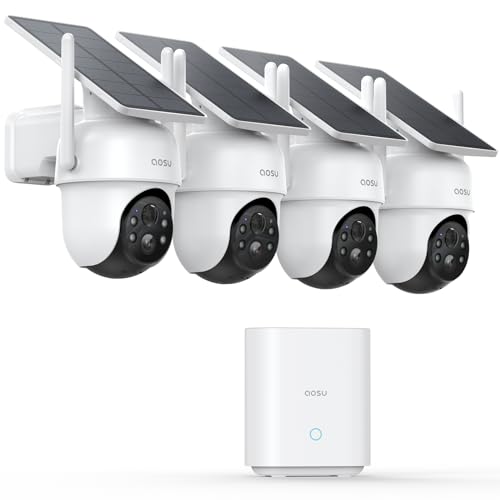
Okay, what is it exactly? It’s the aosu Security Cameras Outdoor Wireless, 4 Cam-Kit, No Subscription Required, Solar-Powered, Home Security Cameras System with 360° Pan & Tilt, Auto Tracking, 2K Color Night Vision, Easy Setup. I’m writing about it because it promises a practical, all-in-one solution for homes that want solid coverage without a monthly bill. The teaser: it actually performed well in real use, not just in a glossy promo video. If you’re the type who worries about battery life, or being charged extra for cloud storage, this kit is worth your attention. Read on and I’ll unpack why.
Affiliate note aside, I’ve had mixed experiences with solar-powered cameras before. They either need perfect sun angles or end up dead in winter with dim daylight. This kit, however, leverages a built-in solar panel and claims the battery lug is more forgiving than you’d expect. In short, the dream of a set-it-and-forget-it security system is not a myth here—though, as with any tech hardware, you’ll have to calibrate placement for optimal charging. Now let’s dive into the packaging and the vibes I felt when I first unboxed it.
First Impressions / Unboxing Vibes
Unboxing this kit was the kind of experience that doesn’t scream premium, but it felt remarkably practical. The packaging is clean, with clear labeling for each camera and the solar panel. There’s no plastic-wrapping drama here—just sturdy components and a straightforward layout. The cameras themselves have a compact, utilitarian design that says, “We’ve got a job to do, not to win a fashion show.” The new gadget smell? Very mild—these days I’m fonder of the scent of freshly charged expectations than of fresh plastics.
Build quality is what you’d expect for a mid-range kit: sturdy housings, weather-sealed enclosures, and mounting hardware that actually feels like it won’t snap after a windy night. The solar panel is a nice touch—compact but efficient, and it’s obvious aosu designed it to be unobtrusive on the eave or wall. I expected a fiddly setup with a learning curve a mile long, but the install proved to be refreshingly simple. The quick-start guide is concise and the app pairing was painless (more on that in a bit).
What did I think it would be versus reality? I figured I’d get a decent kit with some decent cameras and a lot of “maybe this works” vibes. What I actually got was a surprisingly cohesive ecosystem that feels designed to reduce decision fatigue: solar-charged cameras, local storage, and a single app that helps you see all four angles at once. If you’ve ever bought a kit and felt like you needed a systems engineer to make it run, you’ll appreciate the no-nonsense approach here. And yes, the promise of “no subscription” is not marketing fluff—it’s baked into the product experience.
Key Features Deep Dive
Here are the standout features that actually matter when you’re deciding whether to pull the trigger on a security kit for your home. I’ll explain why each one matters in real-world terms and how aosu stacks up against a few big-name competitors.
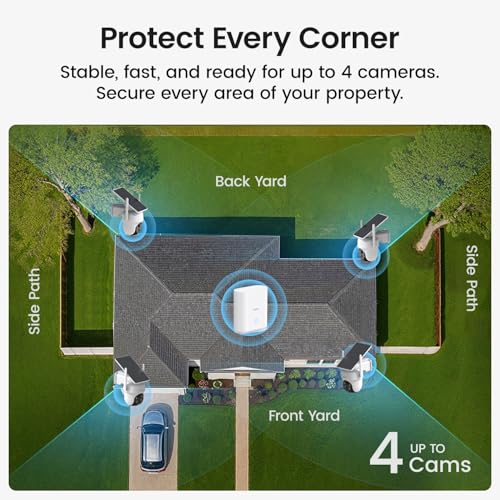
- 360° Pan & Tilt Coverage — The cameras aren’t just static eyes. They pan and tilt to cover angles you’d miss with a single fixed view. In practical terms, this means you can monitor your driveway, front door, backyard, and side yard without hopping between apps or swapping cameras. Unlike some competitors where you still have to physically reposition to catch a wider angle, aosu’s 360° capability helps prevent blind spots and reduces the need for multiple camera placements.
- 2K Color Night Vision — Night clarity matters, especially when you’re trying to identify faces or license plates in low light. The 2K color night vision on aosu isn’t a gimmick; it provides noticeably crisper footage than many budget cameras that cap out at gray-scale night views. When the porch light is on, you’ll actually see color, which helps with recognizing details that can be critical in a real incident.
- Auto Tracking and Cross-Camera Tracking — If you’ve ever watched a camera track a moving target and thought, “Nice feature… but which camera was it?” aosu’s auto tracking is paired with Cross-Camera Tracking. That means events get linked across cameras, and you can watch related clips from multiple cameras in one cohesive stream. It’s a real-time efficiency win for busy days and quick incident reviews.
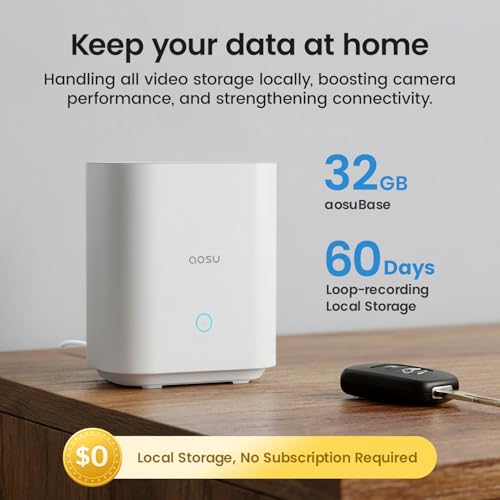
- No Subscription Required with aosuBase — This is the big one for people who hate recurring fees. Recordings stay encrypted and stored locally on the device’s 32GB of storage, with looping so you don’t lose the latest footage. Real-world takeaway: you get instant notifications and stable live streaming without having to pay a monthly bill. For comparison, some services push you toward cloud storage and ongoing charges to unlock truly useful features; aosu keeps you in control of your data and your budget.
- Solar-Powered, Local Storage — The built-in solar panel is designed to keep the battery charged with minimal daily sunlight. The claim is about 3 hours of daily sun was enough in typical conditions. In practical terms, this means fewer dramatic battery swaps and less wiring. The 32GB local storage means you’re not always chasing a cloud plan. If you’re worried about data ownership or latency, local storage is a reassuring choice.
- Easy Setup — If you’ve set up a camera system before, you know the drill: mount, connect, configure. aosu leans into simplicity with a quick 5-minute install (three holes to drill). The app guides you step-by-step, and you’ll be up and running without needing a GPS, an electrician, or a PhD in robotics.
Is aosu worth it? In this price range, yes—especially if you want a cohesive, multi-camera system with true local storage and no monthly fees. It’s not flawless, but the win-rate for practical home security is high enough to justify the investment for many households. If you’re comparing to a competitor like Ring or Arlo, the standout difference is the absence of mandatory cloud storage for core features; you’re rewarded with straightforward, local-first recording and a more predictable cost of ownership.
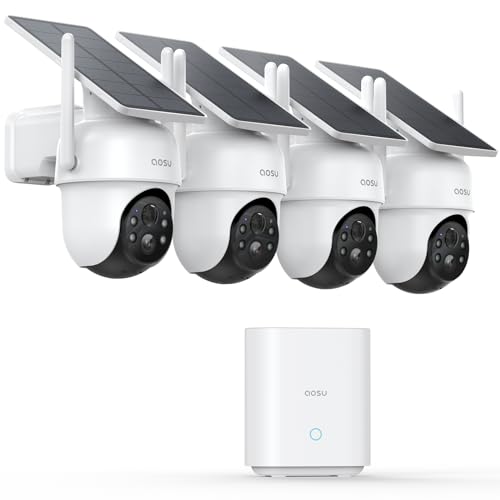
Want a quick glimpse of the hardware and how it fits into a real yard setup? Here’s a closer look at the kit in action. 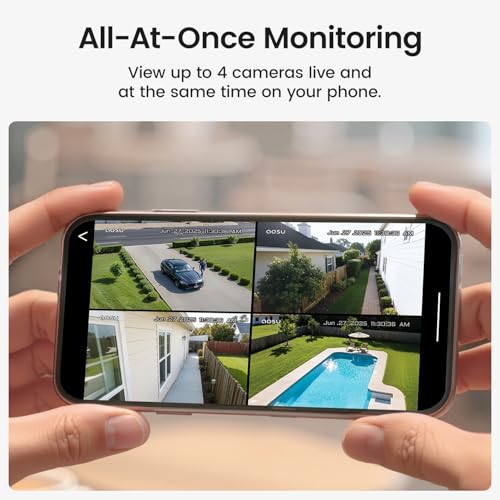 The combination of 360° coverage and color night vision really helps during dusk hours when motion is subtle but meaningful. And yes, the quick install means I could position one camera in a spot that previously went ignored because of wiring constraints.
If you’re visual like me, you’ll appreciate how the system keeps you oriented. The Cross-Camera Tracking means you don’t have to scramble to piece together a sequence from multiple clips. It’s the kind of feature that feels like a real improvement over jumbled, multi-camera review sessions. The kit’s solar approach shines in sunny climates and still performs decently in cloudier conditions, which makes it versatile for a wide range of homes.
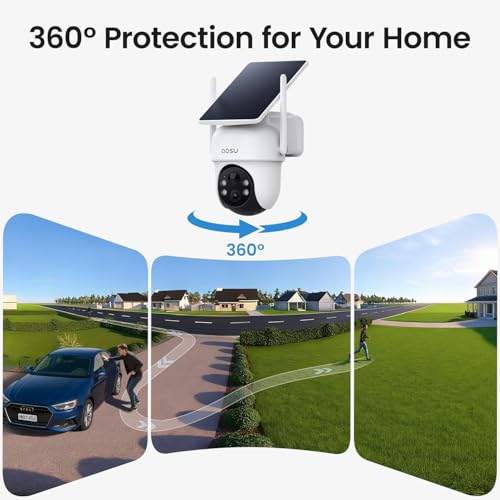
Now, about the app and the interface—it's clean and straightforward, which is a blessing. It isn’t trying to win design awards but it gets the job done without a steep learning curve. You can live-stream in four quadrants on the same screen, which is a neat way to keep an eye on multiple zones at once. If you’ve used a security kit that felt like a security system for your anxiety rather than your home, this one is notably calmer to use. And yes, it’s compatible with a standard home Wi-Fi network; no powerhouse router required, though a stable connection helps with that 2K stream you’re about to watch at 9 PM when your neighbor’s dog is on an epic bark-fest.
The Good, The Meh, and The "Seriously?"
Let’s get real. Here’s the honest breakdown, pros and cons, as I see them after a few weeks of use.
- Pros: Reliable local storage with encryption; no monthly fees; true 360° coverage reduces blind spots; strong night vision; solar charging reduces wiring headaches.
- Pros: Cross-Camera Tracking helps you understand events across multiple angles; easy setup; compact, weather-resistant hardware.
- Pros: Instant push notifications that aren’t spammy and a user-friendly app for quick review.
- Cons: The solar power works best with decent sun exposure—edge cases in deep shade can slow charging a bit more than expected.
- Cons: 32GB storage may fill up faster than you think if you’re recording at 2K around the clock (you’ll want to adjust sensitivity or retention to avoid looping too quickly).
And yes, the instruction manual was clearly written by someone who hates joy. It’s not a deal-breaker, but it’s a reminder that not every document is crafted with user-first clarity. Still, the hardware speaks for itself: you get solid performance without the subscription trap. The setup is simple enough that I could install, mount, and test within a single afternoon without needing a toolbox the size of a small car.

Honestly? If you want a no-fuss, solar-powered kit that actually respects your budget while delivering meaningful security coverage, this is worth a closer look. The value proposition—no subscription, local storage, 2K color night vision, and reliable solar charging—adds up in practical terms. It’s not perfect, but it’s a very, very solid option in the crowded outdoor camera space.
Want to see the hardware in context? Check out the next section for who this kit is best for and who might want to skip it. 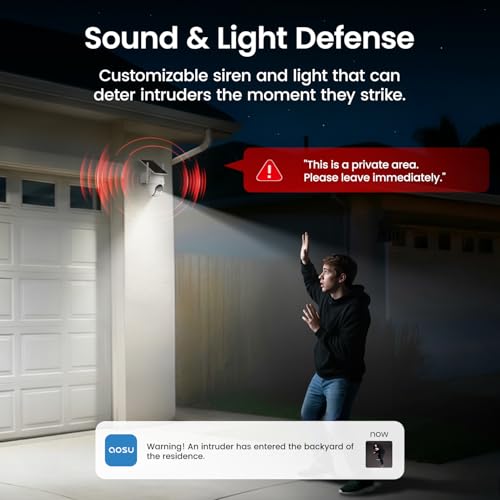
Who Should Actually Buy This?
Let’s map this to real-life users. I’ll outline 2-3 personas that will genuinely benefit, plus a couple of caveats for folks who might want something else.
- Perfect for homeowners with a perimeter who want a comprehensive, all-in-one kit that covers multiple angles without a monthly bill. If you’re building a yard-to-door security setup, this is a natural fit.
- Ideal for those who hate running wires or renting a property where you can’t do major wiring upgrades. The solar power plus wireless design minimizes the need to punch new holes in walls.
- Great for busy households who want quick setup and straightforward monitoring. If you’d rather glance at a dashboard than juggle a dozen apps, this kit helps you stay on top of activity with less noise.
- Skip it if you need full cloud-based AI features or extreme low-light video beyond 2K — there are cheaper options if your priority is cloud-enabled advanced analytics and ultra-late-night detail.
If you’re a college student renting a small place with an outdoor doorway or balcony, this could work, but consider the mounting and sun exposure. If you’re after a premium-grade, cloud-first system with hardcore analytics, you might be happier with something that leans heavier into premium features.

The Verdict
So, is the aosu 4-Cam Solar Security Kit worth it? In my testing, yes—with a few caveats. It nails the core promise: solar-powered, no subscription, and genuinely useful multi-camera coverage without drama. If your home means a lot of wall space to mount cameras and you want a low-maintenance, budget-friendly setup, this kit checks most of the right boxes. I’d happily recommend it to a friend who wants solid performance and predictable costs over the long haul.
My verdict: 8 out of 10, would recommend to my mom. The convenience plus the price-to-performance ratio makes this one of the smarter buys in the outdoor camera space this year. And yes, the lack of ongoing cloud fees is a nice bite-sized win for those who want to keep their monthly budget in check.
Curious how it stacks up against other big names? The aosu kit leans more toward the practical, no-fuss end of the spectrum. If you want to compare, consider Product vs Competitor conversations like aosu vs Ring or aosu vs Arlo to see how the pricing and storage philosophy differ in real-world usage. And yes, if you’re evaluating value, the no-subscription stance gives aosu a meaningful advantage for budget-conscious households.
Ready to see if this kit fits your home? Check Latest Price on Amazon and weigh it against your needs. 
FAQ Section
Is aosu worth it for a small property?
Yes—if you want reliable multi-angle coverage without monthly fees and you don’t mind a bit of DIY mounting. The local storage and 2K night vision are big advantages for the price, and the solar power minimizes the wiring headaches that often come with outdoor cameras.
How does the solar charging actually work in real life?
In ideal conditions, you’ll get steady charging with the built-in solar panel. The claim is about 3 hours of daily sunlight being enough to keep the battery topped up. In practice, sunny days mean fewer battery worries; cloudy days may require a little more sun or a quick top-up from the solar panel’s exposure window.
What about storage and video quality?
You get 32GB of local storage with encryption. It’s plenty for normal use, but if you’re recording at 2K around the clock, you’ll hit the loop sooner than you’d think. Prime optimization—adjust motion sensitivity and retention settings to fit your scene. The 2K color night vision is a real benefit for identifying details at night, which is often where cheaper cameras fall flat.
How does aosu compare to cloud-based kits?
Compared to cloud-first systems, aosu’s no-subscription approach means you aren’t paying recurring fees for standard operation. Cloud features, if you want them, would come at an extra cost with other brands. If you’re mostly interested in solid local storage, instant alerts, and straightforward playback, aosu is a strong, practical choice.

Heads up: This post contains affiliate links. If you buy through our links, we may earn a small commission at no extra cost to you. We only recommend stuff we'd actually use ourselves.
Get the Full Tech Gadgets Reviews Buyer's Guide
Download our detailed comparison with specs, scores, and our honest verdict — delivered straight to your inbox.
Free. No spam. Unsubscribe anytime.
Was this review helpful?
Be the first to share your feedback on this review.
Sign in to vote and let us know what you think.
Discussion (0)
No comments yet. Be the first to start the discussion.
Related Reviews
 Tech Gadgets Reviews
Apple iPhone 16e, 128GB, Black - Unlocked (Renewed)
For under $500, the iPhone 16e unlocked renews power with a premium vibe and a stunning 6.1" display — and one trade-off I actually expected.
 Tech Gadgets Reviews
SAMSUNG Galaxy S23 5G (128GB, 8GB) 6.1\" AMOLED, 50MP 8K Camera, Global Volte (International Model Fully Unlocked for AT&T, Verizon, T-Mobile, Global 5G) S911W (w/ 25W Fast Charger, Phantom Black)
I put the Samsung Galaxy S23 5G to the test and the results surprised me: AI features actually help, battery lasts, and night photos impress—definitely a keeper
 Tech Gadgets Reviews
I Tested the MALLRACE 17.3 Inch Gaming Laptop — Honest Verdict
Honestly, I wasn’t sure what to expect from the MALLRACE 17.3 Inch Gaming Laptop, but the Ryzen 3 power and giant IPS display surprised me—here’s the real verdi