
What is How to Pack a Backpack? A Complete 2026 Guide
Learning how to pack a backpack properly can make the difference between a comfortable trip and a sore, disorganized one. If your bag feels too heavy, tips over, or leaves you digging for essentials, the problem is usually packing strategy—not the backpack itself. This guide explains the simple system behind smart packing so you can carry less strain, find items faster, and stay prepared on the go.
How It Works
At its core, packing a backpack is about balancing weight, organizing access, and protecting important items. The goal is to place heavier items close to your back and centered, which helps the load sit naturally on your body instead of pulling backward. Lighter, bulkier items go farther away from your spine, while frequently used items stay in easy-to-reach pockets or top compartments.
This works because your body carries weight more efficiently when the backpack’s center of gravity stays stable. If the heaviest items shift too low, too far out, or to one side, the bag feels awkward and can strain your shoulders or lower back. Good packing also reduces time wasted searching for things, since the items you need most often are stored where you can grab them quickly.
In practical terms, a well-packed backpack follows a simple structure: heavy items near the back, medium items in the middle, light items outward, and essentials on top or in outer pockets. That setup improves comfort, keeps the bag from sagging, and makes the whole load feel more manageable whether you’re commuting, hiking, traveling, or heading to class.
Key Benefits & Use Cases
Better comfort during long carries
When a backpack is packed correctly, the weight spreads more evenly across your shoulders, back, and hips. That reduces pressure points and makes it easier to carry the bag for longer periods without feeling worn out.
Faster access to essentials
Smart packing means you can find items like a water bottle, charger, notebook, snacks, or travel documents without emptying the whole bag. This is especially helpful during commuting, airport security, school days, and day hikes.
Improved organization
A backpack with a clear packing system helps prevent clutter. Instead of everything sinking into one deep compartment, items stay grouped by purpose, making the bag easier to use every day.
Less strain and better balance
Proper weight placement helps the backpack sit closer to your body and move less while walking. That can make a big difference on uneven ground, stairs, crowded transit, or busy travel days.
Common use cases
Knowing how to pack a backpack is useful for school, work, gym trips, weekend travel, hiking, photography, and emergency preparedness. The same principles apply across all of them: keep weight stable, essentials accessible, and the load as efficient as possible.
What to Look For When Buying
If you’re choosing a backpack with packing in mind, these five criteria matter most:
1. Capacity
Look for a size that matches your typical load. A bag that’s too small forces overstuffing, while one that’s too large can let items shift around too much.
2. Compartment layout
Multiple pockets and sections make it easier to separate heavy items, fragile items, and quick-access essentials. A good layout supports better organization without making the bag complicated to use.
3. Back support and straps
Padded shoulder straps, a supportive back panel, and optional sternum or hip straps can improve comfort significantly. These features help stabilize the bag when it’s fully loaded.
4. Durability
Choose materials and stitching that can handle daily use, travel, or outdoor conditions. A backpack that wears out quickly can fail exactly when you need it most.
5. Accessibility
Easy-to-open zippers, side pockets, and top access make packing and unpacking simpler. Accessibility matters because the best-packed backpack is only useful if you can reach what you need quickly.
Common Mistakes to Avoid
Even a good backpack can feel uncomfortable if it’s packed poorly. Here are the most common mistakes to avoid:
- Putting heavy items too far from your back — this makes the bag pull backward and increases strain.
- Overpacking — too much weight can make the backpack uncomfortable and hard to balance.
- Ignoring weight distribution — packing everything on one side can throw off stability.
- Mixing essentials with clutter — if everything is loose, you’ll waste time searching for what you need.
- Forgetting frequently used items — things like keys, phone, wallet, or water should be easy to reach.
- Not adjusting the straps — even a well-packed bag can feel wrong if it isn’t fitted properly to your body.
A simple way to avoid these problems is to pack in layers: heavy items closest to your back, lighter items outward, and daily-use items in outer pockets or the top section. That approach keeps the backpack stable and easy to use.
Frequently Asked Questions
How do you pack a backpack properly?
Place heavier items near your back and in the middle of the bag, lighter items farther out, and essentials in easy-to-reach pockets. This helps the backpack feel balanced and comfortable.
What goes in the bottom of a backpack?
The bottom is best for lighter or less frequently used items, such as extra clothing or soft gear. Avoid placing very heavy items there because they can pull the bag downward.
Where should heavy items go in a backpack?
Heavy items should sit close to your back and centered in the bag. This keeps the load stable and reduces strain on your shoulders.
How can I make my backpack more comfortable?
Pack it more evenly, avoid overloading it, and adjust the shoulder straps so the bag sits snugly against your back. Supportive straps and a padded back panel also help.
What is the best way to organize a backpack for daily use?
Group similar items together, keep essentials in outer pockets, and reserve the main compartment for larger items. The best system is one that makes your most-used items easy to find quickly.
Get the Full Camping, Hiking & Hunting Buyer's Guide
Download our detailed comparison with specs, scores, and our honest verdict — delivered straight to your inbox.
Free. No spam. Unsubscribe anytime.
Was this review helpful?
Be the first to share your feedback on this review.
Sign in to vote and let us know what you think.
Discussion (0)
No comments yet. Be the first to start the discussion.
Related Reviews
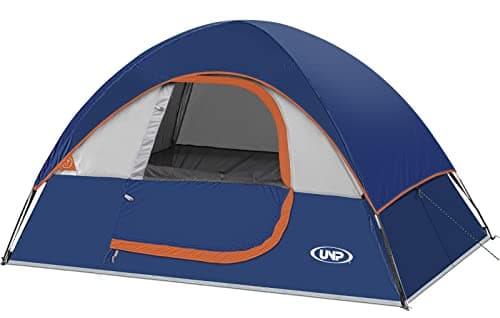
8 Best 2 Person Tents in 2026 — Lightweight, Weather-Ready Picks for Couples and Backpackers
If you’re shopping for the best 2 person tents, you probably want something that’s easy to carry, fast to pitch, and roomy enough for two adults without feeling cramped. The problem is that many “2-person” tents look good on paper but run too small, trap condensation, or struggle when the weather tu
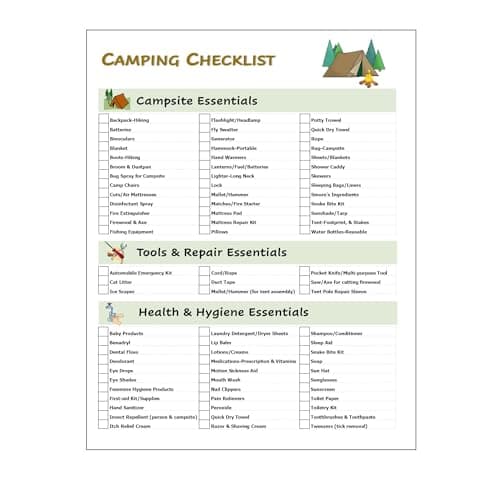
What is a Hiking Gear Essentials Checklist? A Complete 2026 Guide
A hiking gear essentials checklist is a simple planning tool that helps you pack the right items before you hit the trail. If you’ve ever forgotten a headlamp, water treatment, rain layer, or first-aid item, you already know how quickly a small packing mistake can ruin a hike. This guide explains wh
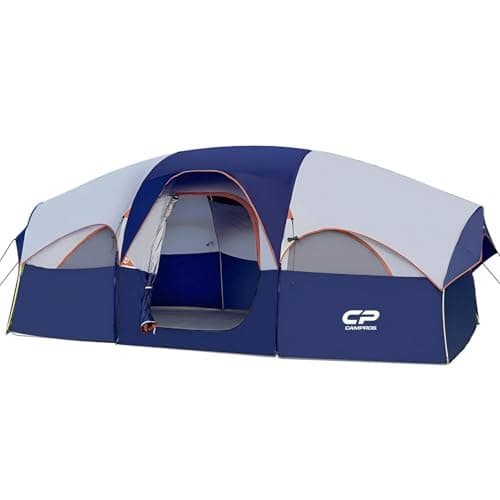
8 Best Camping Tents for Families in 2026 — More Space, Faster Setup, and Better Weather Protection
If you’re searching for the best camping tents for families 2026 , you probably want one thing: a tent that won’t turn your trip into a cramped, stressful setup battle. Family camping tents need to balance space, ventilation, privacy, and weather resistance without becoming too heavy or complicated