
How to Choose the Best Bike Helmet in 2026: Complete Buying Guide
Choosing a bike helmet can feel simple until you realize how many details affect comfort, safety, and whether you’ll actually wear it every ride. The biggest mistake most buyers make when learning how to choose a bike helmet is focusing on looks or price first, instead of fit and safety features. This guide breaks down exactly what matters so you can buy a helmet that protects well, feels good, and matches the way you ride.
Key Features to Look For
1. Proper Fit and Head Size Range
Fit is the most important factor in how to choose a bike helmet. A helmet that sits too loose can shift in a crash, while one that’s too tight becomes uncomfortable and gets left at home. Measure your head circumference and compare it to the helmet’s stated size range before buying.
2. Certified Safety Standards
Look for helmets that meet recognized safety standards such as CPSC, ASTM, CE, or EN1078. Certification matters because it shows the helmet has passed impact testing for the type of riding it’s designed for. If you ride regularly, this is the baseline you should never skip.
3. Impact-Management Technology
Features like MIPS or WaveCel are often searched for because they’re designed to help reduce rotational forces in certain angled impacts. Not every rider needs the same tech, but if you’re comparing helmets in the same price range, these systems can be a meaningful upgrade for added peace of mind.
4. Ventilation and Cooling
More vents usually mean better airflow, which matters on hot days, long commutes, and climbs. Good ventilation helps reduce sweat buildup and makes the helmet more comfortable, so you’re more likely to wear it consistently. A helmet that feels cooler is often the one you reach for every time.
5. Adjustable Retention System
An easy-adjust dial and secure chin straps help fine-tune the fit after the helmet is on your head. This feature matters because your helmet should feel snug without pressure points, and it should stay stable when you look down, turn your head, or ride over rough pavement.
6. Coverage Style for Your Riding Type
Road riders often prefer lighter helmets with more vents, while mountain bikers may want deeper rear coverage and a visor. Commuters may value visibility features or weather protection more than pure aerodynamics. Matching helmet style to your riding helps you avoid buying the wrong kind of protection.
7. Comfort Features You’ll Actually Notice
Interior padding, moisture-wicking liners, removable washable pads, and lightweight construction all improve day-to-day comfort. These details matter because a helmet can be technically safe but still unpleasant to wear. Comfort is what turns “I own a helmet” into “I wear my helmet.”
What to Avoid
Helmets That Don’t Fit Correctly
A helmet that wobbles, tilts back, or leaves gaps is a red flag. If you can shake your head and the helmet moves too much, it’s not the right size. Don’t assume straps alone can fix a poor fit.
Uncertified or Vague Safety Claims
Avoid helmets that don’t clearly state a recognized certification. Marketing terms like “super safe” or “high protection” are not substitutes for actual testing standards. If the listing doesn’t mention certification, keep looking.
Overpaying for Features You Won’t Use
Some riders don’t need advanced lighting, removable goggles, or premium multi-sport styling. Paying extra for features you won’t use can leave you with a helmet that’s more expensive but not better for your riding style.
Cheap Helmets With Poor Ventilation
Low-cost helmets can be fine, but if they trap heat or feel heavy, you may stop wearing them on longer rides. That’s a safety problem in itself. Comfort is not a luxury feature; it affects consistency.
Buying Based on Looks Alone
A helmet that matches your bike is nice, but style should come after fit, safety, and comfort. The most common buyer mistake is choosing a helmet that looks good on the shelf but doesn’t suit the rider’s head shape or riding conditions.
Our Top Picks
Best Budget-Friendly Everyday Helmet
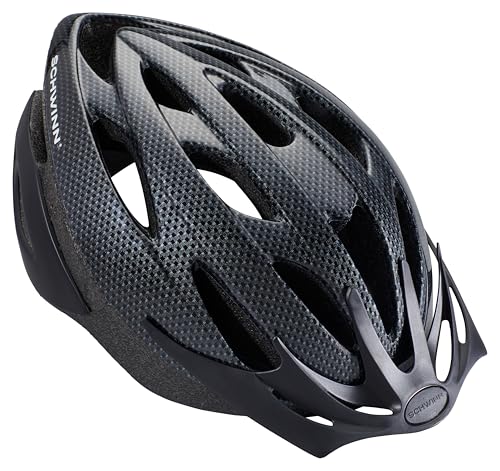


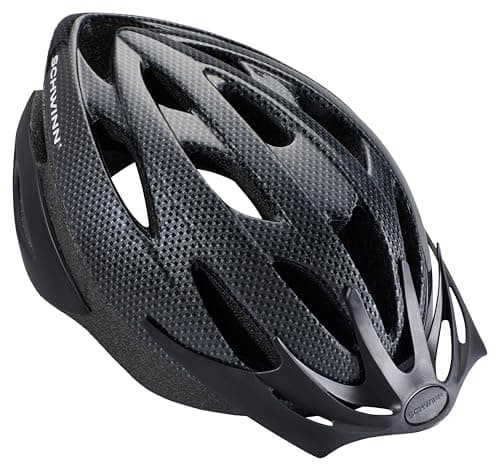
Schwinn Thrasher Helmet for Adults is a solid pick for casual riders, fitness riders, and commuters who want a simple, comfortable helmet at a very approachable price. It offers a dial fit system, removable visor, washable padding, and 20 vents, making it easy to wear on daily rides.
4.6★ (price-based estimate; reviews not provided) ✓ Prime 20% OFF — Was $31.99
- ✓ Adjustable dial retention system for a snug, secure fit
- ✓ Lightweight microshell construction for everyday comfort
- ✓ 20 air vents help keep you cool on longer rides
- ✓ Removable visor adds sun protection
- ✓ Removable, washable padding for easier maintenance
- ✗ No advanced rotational-impact system listed
- ✗ Best suited to general riding rather than specialized use
Best Multi-Sport Option for Commuters and Casual Riders
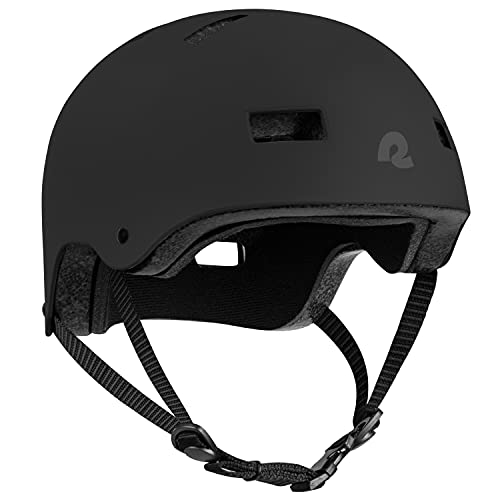


Retrospec Dakota Bicycle / Skateboard Helmet for Adults works well if you want one helmet for biking, skating, scooters, or commuting. Its ABS shell and EPS foam build make it a practical everyday choice, especially for riders who value versatility over race-day performance.
4.5★ (price-based estimate; reviews not provided) ✓ Prime
- ✓ Multi-sport design for bikes, skateboards, scooters, and more
- ✓ Durable ABS shell with shock-absorbing EPS foam
- ✓ Ten vents for 360-degree airflow
- ✓ Removable, washable interior padding
- ✓ Adjustable sizing for a more secure fit
- ✗ Bulkier style than some lightweight cycling helmets
- ✗ Less specialized for road or mountain performance
Best for Visibility and Urban Commuting
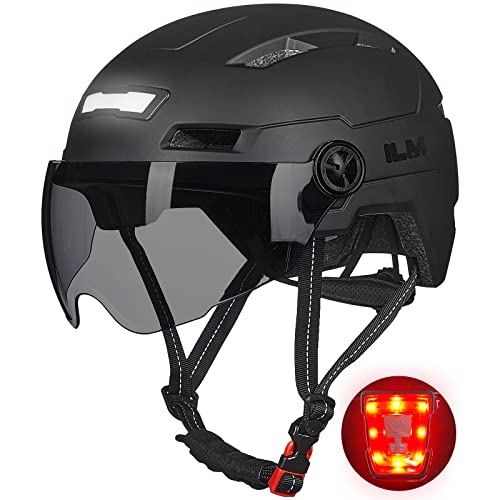


ILM Adult Bike Helmet with USB Rechargeable LED Front and Back Light is a strong choice for city riders who want more visibility in traffic. The front and rear USB-rechargeable lights, multiple certifications, and removable tinted lens make it especially appealing for commuting and mixed urban riding.
4.7★ (price-based estimate; reviews not provided) ✓ Prime
- ✓ Certified by ASTM, CPSC, CE, and EN1078
- ✓ Front and rear USB-rechargeable lights for visibility
- ✓ Three lighting modes: steady, flashing, and blinking
- ✓ 10 vents with cooling airflow channels
- ✓ Detachable tinted lens and eyeglass-friendly design
- ✗ Lighting adds complexity versus a basic helmet
- ✗ Electronic features may require occasional troubleshooting
Best for Trail Riders and Mountain Bike Comfort
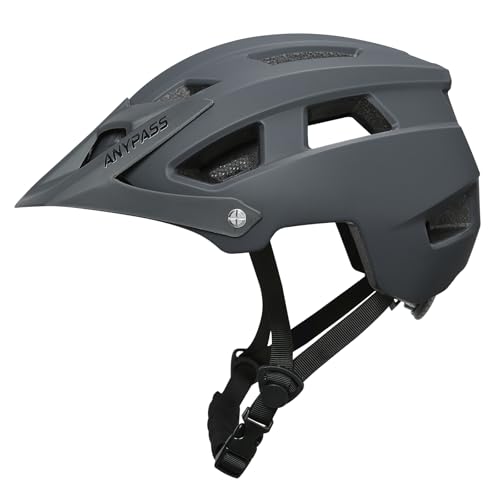


Mountain Bike Helmet Adult Men Women is the best fit if you ride trails, mixed terrain, or want deeper coverage and a more mountain-oriented shape. It combines CPSC protection, lightweight construction, and a removable visor for riders who need all-day comfort on rougher routes.
4.6★ (price-based estimate; reviews not provided) ✓ Prime
- ✓ CPSC-compliant with high-density EPS and PC outer shell
- ✓ In-mold construction for a strong one-piece design
- ✓ 17 vents and internal airflow channeling for cooling
- ✓ Removable sun visor to reduce glare
- ✓ Adjustable dial, chin pad, and chin strap for custom fit
- ✗ More trail-focused than minimalist road riders may want
- ✗ No integrated light or advanced visibility feature listed
Budget Guide: What You Get at Each Price Point
Under $30
At this level, you’re usually getting the essentials: basic certified protection, a simple fit system, and adequate ventilation. This is the sweet spot for casual riders, short commutes, and anyone who wants a dependable helmet without extra features. The Schwinn Thrasher and Retrospec Dakota fit this value-focused lane well.
$30 to $50
This range often adds better comfort, more refined ventilation, stronger shell construction, and more rider-specific design. You may also see deeper coverage, washable pads, and more polished adjustability. If you ride several times a week, this is often the best balance of price and everyday performance.
$50 to $75
Here you start seeing premium convenience features such as built-in lights, more advanced safety certifications, or more specialized commuter design. This bracket is ideal for urban riders, night riders, and buyers who want a helmet that does more than basic protection. The ILM helmet stands out here because of its visibility features.
What the Price Usually Means
Higher price does not always mean better safety, but it often means better comfort, fit refinement, visibility, or added technology. If you’re deciding how to choose a bike helmet, spend first on fit and certification, then choose the price tier that matches your riding style.
Frequently Asked Questions
How do I know what size bike helmet to buy?
Measure the circumference of your head just above your eyebrows and compare it to the helmet’s size chart. A proper fit should feel snug, not painful, and the helmet should sit level on your head without rocking forward or backward.
Is MIPS worth it when choosing a bike helmet?
MIPS can be worth it if you want added protection against certain rotational impacts. It’s not the only safety feature that matters, but it is a popular upgrade for riders comparing helmets in the same category and price range.
What is WaveCel on a bike helmet?
WaveCel is another impact-management technology designed to help manage crash forces differently from standard foam alone. If you’re comparing helmets, it’s one of the features people often look for when they want more advanced protection.
How often should I replace my bike helmet?
Replace your helmet after any significant crash, or if it shows visible damage, cracks, or worn-out straps and padding. Even without a crash, many riders replace helmets every few years as materials age and fit components wear down.
Should I choose a road, mountain, or commuter bike helmet?
Choose based on how you ride most often. Road helmets usually prioritize light weight and airflow, mountain helmets often add more coverage and a visor, and commuter helmets may include lights or visibility features for city riding.
Get the Full Cycling Buyer's Guide
Download our detailed comparison with specs, scores, and our honest verdict — delivered straight to your inbox.
Free. No spam. Unsubscribe anytime.
Was this review helpful?
Be the first to share your feedback on this review.
Sign in to vote and let us know what you think.
Discussion (0)
No comments yet. Be the first to start the discussion.
Related Reviews
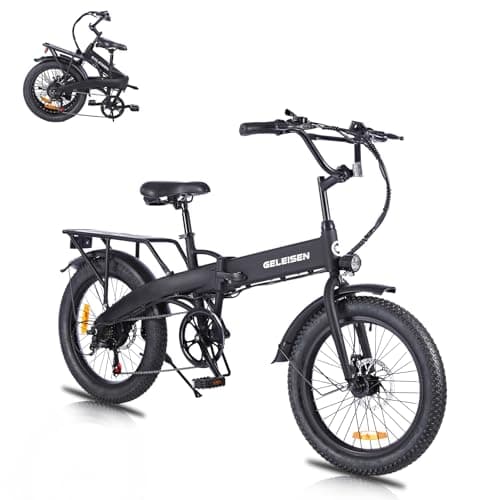
6 Best Cargo E-Bikes in 2026 — Best Hauling Power, Range, and Family Utility
If you’re trying to find the best cargo e-bikes 2026 has to offer, the challenge is sorting real hauling utility from flashy specs. You want enough motor power for hills, enough battery for errands, and a frame that actually carries groceries, kids, or work gear without feeling sketchy. This list fo
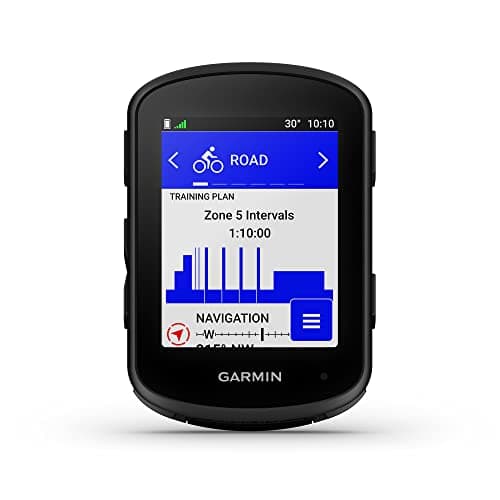
Garmin Edge 840 vs Wahoo Elemnt Bolt v2 (2026): Which Should You Actually Buy?
The Garmin Edge 840 stands out immediately because it gives you both touchscreen and button control. That matters on wet rides, gloved winter rides, and technical routes where you want flexibility instead of relying on one input method.
What is How to Size a Bike? A Complete 2026 Guide
If you’re trying to figure out how to size a bike , the biggest problem is usually the same: the frame feels too tall, too cramped, or just “off” when you ride it. A bike that’s the wrong size can make pedaling inefficient, steering awkward, and long rides uncomfortable. This guide explains the sizi