
What is Hardside vs Softside Luggage? A Complete 2026 Guide
Choosing between hardside vs softside luggage can feel confusing when both promise durability, convenience, and travel-ready features. The right pick depends on how you pack, where you travel, and how much protection your belongings need. This guide breaks down the differences in plain English so you can choose the suitcase style that fits your trips best.
How It Works
Hardside luggage uses a rigid outer shell, usually made from polycarbonate, ABS, or aluminum, to create a firm protective barrier around your belongings. That shell helps resist crushing, impacts, and rough handling, which is why many travelers prefer it for checked bags or fragile items. Most hardside cases also rely on molded frames, zipper closures, or latch systems to keep the structure sealed and stable.
Softside luggage is built with flexible fabric exteriors such as nylon, polyester, or ballistic weave materials. Instead of a rigid shell, it uses reinforced panels, stitching, and internal framing to hold shape while still allowing a little give. This flexibility makes softside bags easier to squeeze into tight overhead bins, expand for extra packing space, and fit into crowded storage areas.
In practical terms, the difference is about structure versus flexibility. Hardside luggage prioritizes protection and a sleek, wipe-clean exterior, while softside luggage prioritizes adaptability, lighter feel, and easier access through outside pockets. Neither is universally better; each works differently based on your travel style.
Key Benefits & Use Cases
Why travelers choose hardside luggage
Hardside luggage is often the better choice if you want stronger protection for electronics, gifts, cosmetics, or anything that could get crushed in transit. It also tends to be easier to clean after airport dirt, rain, or spills. For business trips, long-haul flights, and checked baggage, many travelers like the added peace of mind.
Why travelers choose softside luggage
Softside luggage is popular with travelers who want flexibility and easy organization. The exterior pockets are especially useful for documents, chargers, snacks, or items you need quickly at security or on the road. If you often overpack or need a bag that can stretch a little, softside can be more forgiving.
Best use cases for each
- Hardside: Checked luggage, fragile items, formal travel, and trips where weather resistance matters.
- Softside: Carry-ons, road trips, short business travel, and situations where extra pockets help.
- Frequent flyers: Often choose based on whether they value durability or packing flexibility more.
- Families: May prefer softside for quick-access pockets and expandable space.
- Minimalist travelers: Often lean toward hardside for cleaner organization and simpler packing.
What to Look For When Buying
1. Durability of the outer material
For hardside luggage, look at whether the shell is polycarbonate, ABS, or aluminum, since each offers a different mix of weight and impact resistance. For softside luggage, check fabric denier, stitching quality, and reinforcement at stress points like corners and handles.
2. Weight
Lightweight luggage matters because every pound counts, especially if you fly often or use carry-on restrictions. Hardside cases can be heavier depending on material, while softside bags may sometimes offer a lighter overall carry.
3. Storage and organization
Think about how you pack. If you want exterior pockets, quick-access compartments, and easy organization, softside may be the better fit. If you prefer a clean interior with packing cubes and a simple layout, hardside is often easier to manage.
4. Expandability
Many softside bags include expansion zippers that add extra room when you come home with more than you packed. Some hardside models also expand, but softside luggage is usually more flexible in this category.
5. Security and travel conditions
Consider whether your luggage will be checked, carried on, or used in unpredictable weather. Hardside luggage can offer better protection from impact and moisture, while softside luggage may be easier to access but can be more exposed to wear and tear.
Common Mistakes to Avoid
One common mistake is assuming hardside always means better. A rigid shell protects well, but it can also be less forgiving if you need extra storage or quick exterior access. Another mistake is choosing softside luggage only because it looks lighter, without checking whether the fabric and stitching are durable enough for frequent use.
Travelers also often ignore zipper quality, wheel performance, and handle strength, even though these parts affect daily usability more than the shell material alone. Another issue is buying a bag that is too large or too small for your usual trip length, which can make either luggage style frustrating to use.
Finally, many people forget to match the luggage style to the trip type. A bag that works well for weekend road trips may not be ideal for international flights, and a checked-bag workhorse may be overkill for short carry-on travel.
Frequently Asked Questions
Is hardside luggage better than softside luggage?
Not always. Hardside luggage is usually better for protection and weather resistance, while softside luggage is often better for flexibility, pockets, and easier squeezing into tight spaces.
Which is lighter: hardside or softside luggage?
Softside luggage is often lighter, but not always. The final weight depends on the materials, frame, wheels, and overall construction of the specific bag.
Is hardside luggage more durable?
Hardside luggage is generally more resistant to crushing and impact. However, softside luggage can still be very durable if it uses strong fabric, reinforced stitching, and quality zippers.
Which is better for carry-on travel?
Both can work well for carry-on travel. Softside luggage is often preferred if you want exterior pockets and a little flexibility, while hardside is great if you want a protective, structured case.
What is the best luggage type for frequent flyers?
Frequent flyers should choose based on travel habits. If you value protection and easy cleaning, hardside may be best; if you need organization and expandability, softside may be the smarter choice.
Get the Full Travel Gear Buyer's Guide
Download our detailed comparison with specs, scores, and our honest verdict — delivered straight to your inbox.
Free. No spam. Unsubscribe anytime.
Was this review helpful?
Be the first to share your feedback on this review.
Sign in to vote and let us know what you think.
Discussion (0)
No comments yet. Be the first to start the discussion.
Related Reviews
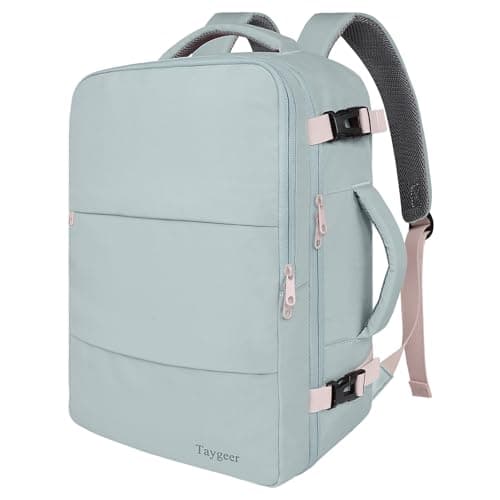
What is Personal Item Size by Airline? A Complete 2026 Guide
If you’ve ever tried to board a flight with a bag that “looked small enough” only to worry about gate checks, extra fees, or a last-minute repack, you’re not alone. The rules around personal item size by airline can feel confusing because every carrier defines “personal item” a little differently. T
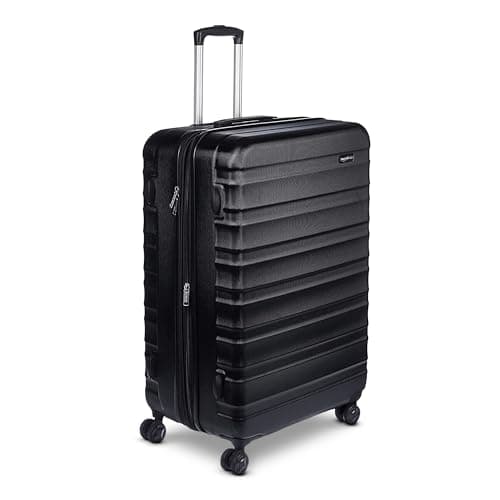
8 Best Hardside Luggage in 2026 — Durable, Easy-Rolling Picks for Smarter Travel
If you’re shopping for the best hardside luggage 2026, you probably want one thing: a suitcase that won’t crack, wobble, or waste packing space after a few trips. The picks below focus on durability, rolling performance, organization, and value so you can buy with confidence instead of guessing from
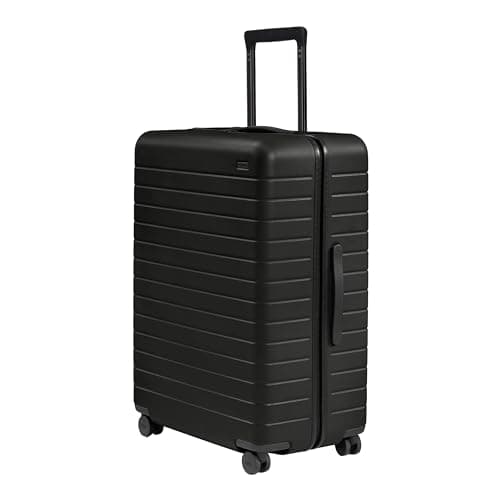
Best Alternatives to Away luggage in 2026 — Cheaper, Better, or Both?
If you’re searching for Away luggage alternatives cheaper , you probably like Away’s clean design but not the premium price tag. You may also be wondering whether the brand’s built-in lock, compression system, and “direct-to-you” model are actually worth paying extra for. The good news: there are sm