
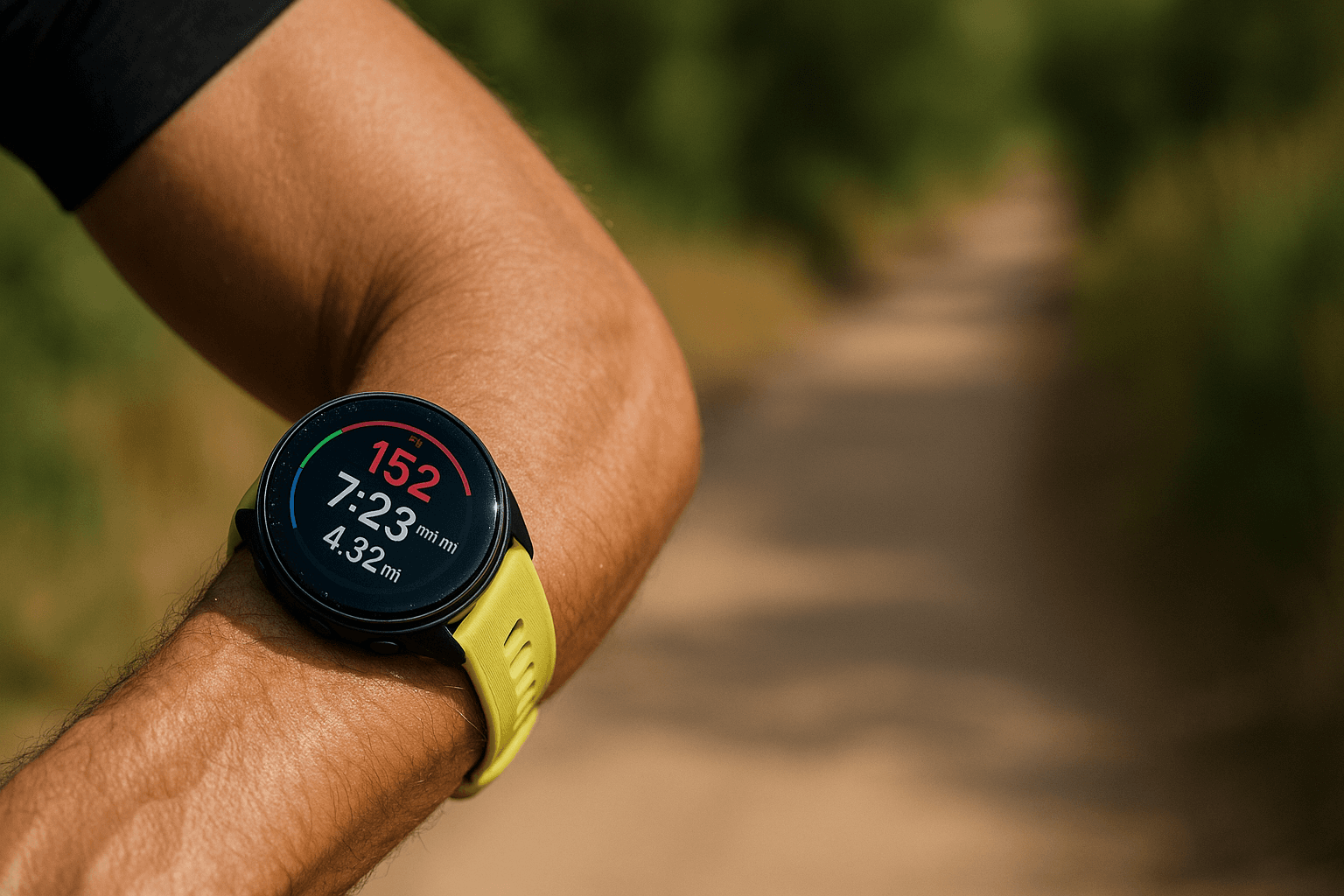
Quick Summary
The Forerunner 965 is Garmin's answer to runners who want a full-featured multisport watch without dragging along a phone. It combines a vibrant 1.4" 454×454 AMOLED, a titanium bezel, and Garmin’s mapping and navigation toolkit in a 53 g package that still manages genuinely long battery life for an AMOLED device. Rated specs show up to 23 days in smartwatch mode and up to 31 hours in GPS-only mode, with 32 GB of onboard storage for maps and music — the practical ingredients for weekend long runs, multi-hour trail outings, and steady day-to-day tracking
Price Range and Deal Timing
MSRP when the Forerunner 965 launched was positioned around the higher midrange for premium running watches; the original pricing cluster put it near $599. In 2026 the market behaves like any mature hardware category: full-price new units, periodic retailer promos, and a robust resale/refurb channel that can shave 20–40% off that number. If you want brand-new with warranty, expect to pay roughly $450–$600 depending on sales and color/bundle; used or certified-refurb can fall into the $250–$450 band. Watch holiday and end-of-quarter promotions — those are still the best times to save on higher-tier Garmins
Buy on Amazon: Garmin Forerunner 965. Click here
Alternative on Amazon: Apple Watch Series 10. Click here
Alternative on Amazon: Oura Ring 4. Click here
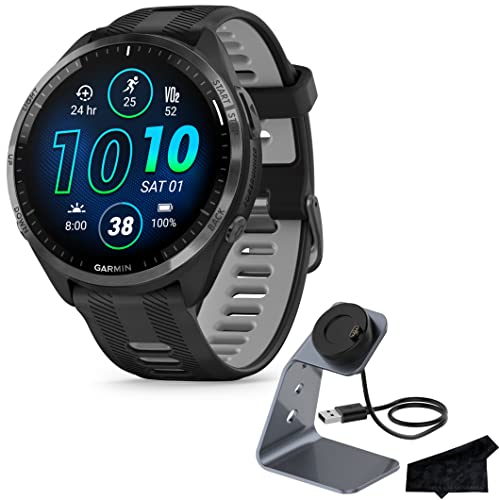
Photo 1: Garmin Forerunner 965 Advanced GPS Multisport Touchscreen Smartwatch, Black | Heart Rate Monitor, Training Stats, On-Device Workouts, Up to 13 Day Battery Life with Signature Series Charging Bundle product image
• Typical new retail: $450–$600 (size/color/bundle dependent
• Certified refurbished / used: $250–$450 (condition and seller matter
• Deal-watch: major U.S. retailers tend to flash 10–25% off during Presidents Day, Prime Day, Black Friday and occasional inventory sales
Technical Snapshot (Practical Numbers
Core Hardware and Feature Profile
• Display: 1.4" AMOLED, 454×454 pixels, optional always-on mode; titanium bezel, Gorilla Glass lens
• Weight: ~53 g with standard silicone strap
• Storage: 32 GB internal (maps, music, data
• Durability: 5 ATM water rating (pool and shower safe) and ruggedized casing for trail use
Performance and Daily-Use Metrics
• Battery (claimed): Smartwatch mode up to 23 days; GPS-only up to 31 hours; SatIQ (auto GNSS) ~22 hours; multi-band all-systems GNSS ~19 hours. With music and multiband GNSS the GPS endurance drops into ~8–11 hours territory depending on settings. Real-world testing typically lands below the absolute claims but still ahead of most AMOLED smartwatches
• Charging: Fast-ish for Garmin — a typical top-up of 10%→90% takes about an hour in practice, and a 15-minute boost gives several hours of GPS time
• GPS and Sensors: Multi-band GNSS support, reliable mapping/navigation, wrist-based HR, pulse-ox (spot and optional all-day measurements), respiration, and advanced sleep/HRV metrics
Value and Ownership Math
• Initial investment: higher than basic fitness trackers but less than top-spec adventure/GPS units with built-in satellite comms
• Longevity: active firmware updates continued through 2025–2026 for the Forerunner line, so software support is meaningful for owners who buy now. Expect several years of feature tweaks and bug fixes, though major platform overhauls typically favor the newest models
Head-to-Head Overview
Put simply: the Forerunner 965 is built for athletic tracking first, smartwatch niceties second
• Against the Apple Watch Series 10: the Series 10 is more tightly integrated with the iPhone ecosystem, offers deeper third-party app breadth, and leans on refined health features at the cost of endurance — Apple rates its all-day battery model around an 18-hour test profile, meaning daily charging for most users. If you live inside Apple’s walled garden and want cellular independence, Series 10 is more convenient; if you need multi-day GPS and long runs without carrying a battery bank, the Forerunner wins
• Against the Oura Ring 4: this is an apples-to-oranges comparison — Oura is a sleep/recovery-first sensor you wear on a finger, with a tiny form factor and multiday battery (manufacturer claims up to ~5–8 days). Oura excels at passive sleep and readiness metrics; it won’t replace a GPS running watch. Note: some users have experienced shorter-than-expected Gen 4 battery life in real life, which is something to monitor if you’re buying purely for low-maintenance wearability
Who Should Buy This
• Dedicated runners and triathletes who want top-tier GPS accuracy, maps, and long GPS sessions without tethered batteries
• Users who want a full-featured sports watch that still looks clean enough to wear to the office
• People who prioritize battery life and on-device storage for music/maps over smartwatch app ecosystems
Comparison Snapshot
Think in three buckets: tracking, battery, and ecosystem
• Tracking: Forerunner 965 (best-in-class GPS accuracy options, mapping, training status, extended workout modeling
• Battery/Endurance: Forerunner 965 (days of smartwatch use; multiple hours of GPS), then Oura (days for passive wear), then Apple Watch Series 10 (daily charging typical
• Ecosystem and apps: Apple Watch Series 10 (deepest consumer app/service integration
• Form factor and comfort: Oura Ring 4 (most discrete), Forerunner 965 (bulkier but comfortable for most wrists), Apple Watch (mid-sized and dressable with straps
Buying Advice and Value Check
Short checklist before you buy
• Ask yourself: will I actually use mapping and on-device music regularly? If yes, the 32 GB on the 965 is a real convenience
• Battery tolerance: If you detest daily charging, avoid the Series 10; Forerunner 965 handles days-to-weeks of mixed use
• Deals: look for retailer flash events (holiday weekends, Prime Day, end of fiscal quarters). Certified refurbished units are a sensible way to get a like-new unit at 20–40% off, but verify battery health and warranty
• Size & comfort: the 47 mm-class case is large compared with the smallest Apple Watch models; try one on if you have a slender wrist
• For Oura buyers: if cross-checking sleep/recovery is your goal, Oura Ring 4 gives great passive metrics — but keep an eye on user reports about inconsistent battery longevity; consider warranty and return policies before committing
Practical buying heuristics
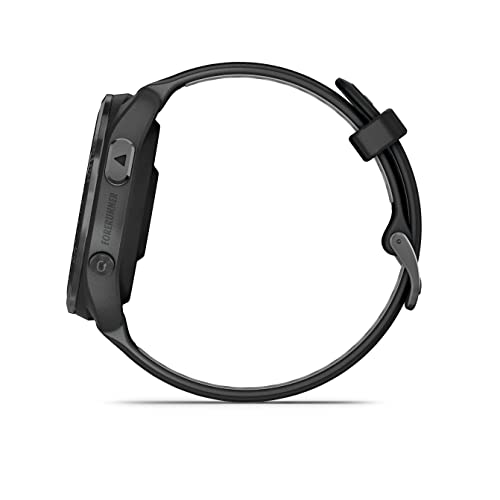
Photo 2: Garmin Forerunner 965 Advanced GPS Multisport Touchscreen Smartwatch, Black | Heart Rate Monitor, Training Stats, On-Device Workouts, Up to 13 Day Battery Life with Signature Series Charging Bundle product image
• Buy now if you need reliable GPS and an AMOLED display with long battery — the 965’s price-to-performance persists
• Wait if you want the absolute latest running features or prefer a smaller form factor; Garmin releases refreshed models periodically
• If you’re budget-conscious: certified refurbished 965 units often represent the best compromise between cost and warranty coverage
Final Verdict
The Forerunner 965 is still one of the strongest one-stop watches for runners in 2026. It balances a beautiful AMOLED display with Garmin’s long-standing strengths: multi-band GNSS accuracy, deep training tools, and battery performance that keeps you on the move longer than most smartwatches. If you’re a serious runner or multisport athlete who values mapping, music, and multi-day battery life, the 965 is a pragmatic and defensible buy
It’s not a perfect watch — big case size and occasional firmware quibbles show up in user threads — but the platform is actively maintained and the hardware remains competitive. For the audience it targets, the Forerunner 965 remains a high-value, practical pick
FAQ
Q: How long will the Forerunner 965 last in daily use? A: Manufacturer-rated smartwatch mode is up to 23 days; GPS-only sessions are quoted up to 31 hours. Real-world numbers will be lower when you enable always-on display, multiband GNSS, and music — expect roughly 10–22 days of mixed smartwatch use and 8–24 hours of continuous GPS tracking depending on settings
Q: Is the Forerunner 965 suitable for ultrarunning? A: Yes for many events: with battery-extending GPS profiles and conservative settings you can stretch the watch far into multi-hour events. If you anticipate 48+ hour unsupported adventures, consider Garmin models with solar charging or models explicitly tuned for ultra endurance
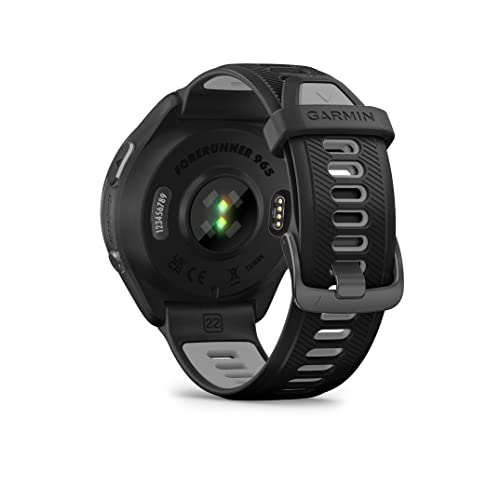
Photo 3: Garmin Forerunner 965 Advanced GPS Multisport Touchscreen Smartwatch, Black | Heart Rate Monitor, Training Stats, On-Device Workouts, Up to 13 Day Battery Life with Signature Series Charging Bundle product image
Q: Should I pick the Forerunner 965, Apple Watch Series 10, or Oura Ring 4? A: Pick the Forerunner 965 if prioritized GPS accuracy, maps, long runs and on-device music matter. Choose Apple Watch Series 10 if you want the best iPhone integration, apps, and a premium smartwatch experience (accept daily charging). Choose Oura Ring 4 if your focus is passive sleep/recovery tracking in a minimal form factor — but monitor battery reports and warranty support for peace of mind
Q: Any final deal tips? A: Track certified-refurb channels and retailer promo windows. If you can live with a lightly used unit from a reputable seller, you can save a significant chunk off new prices — but don’t skip battery-health checks and return protections
If you want, I can generate a short checklist for comparing the Forerunner 965 against the exact Apple Watch Series 10 model you’re considering — GPS-only vs GPS+Cellular vs Titanium — or pull current live prices across major U.S. retailers right now
Where to Check Pricing
Check latest Amazon listing for Garmin Forerunner 965. Click here
Get the Full Outdoor Sports Gadgets Buyer's Guide
Download our detailed comparison with specs, scores, and our honest verdict — delivered straight to your inbox.
Free. No spam. Unsubscribe anytime.
Was this review helpful?
Be the first to share your feedback on this review.
Sign in to vote and let us know what you think.
Discussion (0)
No comments yet. Be the first to start the discussion.
Related Reviews
 Outdoor Sports Gadgets
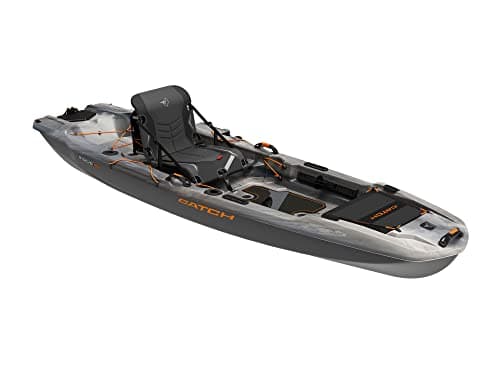
OK Fine, Pelican Catch Mode 110 Actually Delivers
Honestly, I wasn't sure a fishing kayak could be stable and comfy—until I tried the Pelican Catch Mode 110. The verdict: this one actually delivers.
 Outdoor Sports Gadgets
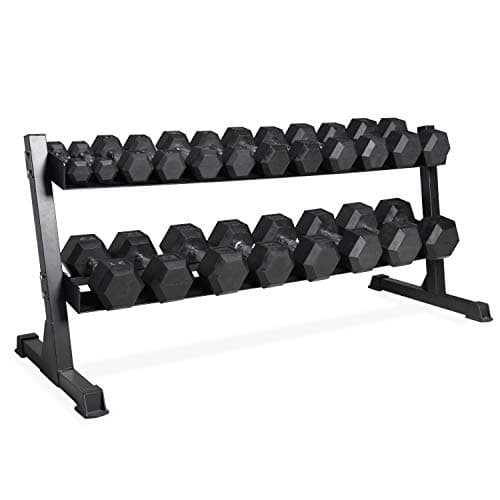
CAP 550 lb Coated Chrome Handle Hex Dumbbell Weight Set with Two Tier Rack
Honestly, I wasn’t expecting CAP 550 lb to fit my cramped home gym—but the two-tier rack proved compact, sturdy, and surprisingly stylish. Read on to see if the
 Outdoor Sports Gadgets
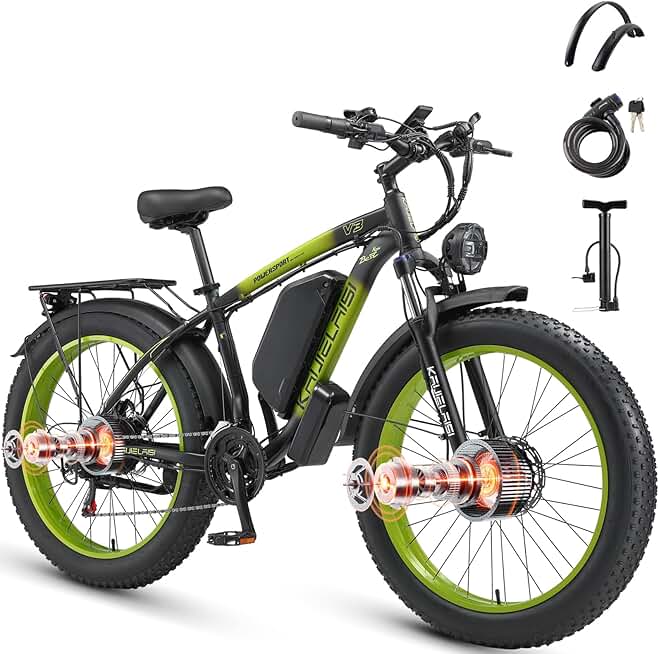
AWD Electric Bike for Adults, Peak 4000W Power 26” Fat Tire Ebike, Dual Motor Electric Bicycles, 48V 22.4AH Removable Battery Fast Dual Hydraulic Brakes 21-Speed All Terrain E-Bikes
Honestly, I wasn't sure the AWD Electric Bike would deliver, but after testing it on trails and city streets, the verdict surprised me. In a good way.