
What is Electric vs Gas Lawn Mower? A Complete 2026 Guide
An electric vs gas lawn mower comparison comes down to how each machine powers the blade, how much maintenance it needs, and how well it fits your yard. If you’re tired of confusing marketing claims and want a simple way to choose the right mower, this guide breaks it down in plain English. By the end, you’ll know which type is better for your lawn, your budget, and your comfort.
How It Works
Both electric and gas lawn mowers do the same basic job: they spin a blade fast enough to cut grass evenly. The difference is the power source. An electric mower uses either a cord plugged into an outlet or a rechargeable battery, while a gas mower uses a small internal combustion engine that burns fuel to generate power.
Electric mowers are simpler mechanically. When you press the start button or pull the safety handle, electricity flows to the motor, which turns the blade. Battery models store energy in a rechargeable pack, and corded models draw power continuously from your home outlet.
Gas mowers are more traditional and more mechanical. You typically prime the engine, pull-start it, and the engine burns gasoline to create motion. That engine then drives the blade and, on many models, the wheels as well.
In practical terms, electric mowers are usually quieter, lighter, and easier to start. Gas mowers often deliver longer run times and can handle larger or tougher yards without needing a recharge, but they require more upkeep.
Key Benefits & Use Cases
Electric lawn mower benefits
Electric mowers are a strong fit if you want low-maintenance mowing and a cleaner, quieter experience. They are popular with homeowners who have small to medium-sized lawns, especially in neighborhoods where noise matters.
- Easy starting with a button or switch
- Less routine maintenance than gas models
- Quieter operation
- No gas, oil, or spark plugs to manage
- Better for users who want a simpler mowing routine
Gas lawn mower benefits
Gas mowers are often chosen for larger yards, thicker grass, and longer mowing sessions. They are also useful if you want maximum runtime without worrying about battery life or extension cords.
- Strong performance for demanding mowing jobs
- No battery charging downtime
- Often preferred for large properties
- Good choice for dense or overgrown grass
- Familiar design for people used to traditional mowers
Best use cases for each type
If your yard is small, flat, and close to an outlet, a corded electric mower can be very convenient. If you want freedom from cords and still prefer electric, a battery mower is a practical middle ground for many homes.
If you have a large lawn, uneven terrain, or grass that gets long quickly, gas may still be the more reliable choice. For many shoppers, the real decision is not just about power — it is about convenience, noise, storage, and how much maintenance you’re willing to do.
What to Look For When Buying
1. Yard size
Your lawn size is one of the biggest factors in the electric vs gas lawn mower decision. Smaller yards often work well with electric mowers, while larger properties may benefit from the longer runtime and broader coverage of gas models.
2. Power and cutting performance
Look at how well the mower handles thick grass, wet conditions, and slopes. Gas mowers usually offer more raw power, but modern electric mowers can still perform very well for average residential lawns.
3. Runtime or fuel capacity
Battery life matters if you choose electric, especially for bigger lawns. With gas, think about fuel tank size and how long the mower can operate before refueling.
4. Maintenance requirements
Electric mowers generally need less upkeep, while gas mowers require oil changes, spark plug checks, air filter cleaning, and fuel management. If you want a lower-maintenance option, electric is often the easier path.
5. Noise, weight, and storage
Electric mowers are usually lighter and quieter, which makes them easier to maneuver and store. Gas mowers can be heavier and louder, but some users prefer their feel and endurance for tougher mowing conditions.
Common Mistakes to Avoid
One common mistake is choosing a mower based only on price. A cheaper mower may cost more in the long run if it doesn’t match your yard size or mowing habits.
Another mistake is underestimating battery needs. If you buy an electric mower for a large lawn without checking runtime, you may end up stopping mid-job to recharge.
Some buyers also overlook maintenance. Gas mowers need regular care, and skipping it can shorten engine life or reduce performance. On the other hand, electric mowers still need proper battery storage and blade maintenance to work well.
It is also easy to ignore terrain and grass type. A mower that works fine on short, dry grass may struggle with thick, damp, or overgrown lawns.
Finally, don’t forget comfort. Weight, handle design, noise, and ease of starting all affect how enjoyable the mower is to use over time.
Frequently Asked Questions
Is an electric lawn mower better than a gas lawn mower?
It depends on your yard and priorities. Electric mowers are usually quieter, lighter, and easier to maintain, while gas mowers often offer longer runtime and stronger performance for bigger jobs.
Which lasts longer, electric or gas lawn mower?
With proper care, both can last for years. Gas mowers may have more wear-prone engine parts, while electric mowers depend heavily on battery health if they are cordless.
Are electric lawn mowers powerful enough for thick grass?
Many electric mowers handle normal residential grass very well. For very thick, tall, or wet grass, gas models still tend to have the edge in raw cutting power.
Do gas lawn mowers require more maintenance?
Yes, usually. Gas mowers need fuel, oil changes, spark plug checks, and other engine care, while electric mowers typically require less routine maintenance.
What is the best choice for a small yard?
For many small yards, electric is the better choice because it is simpler, quieter, and easier to store. A corded or battery model can be especially convenient for routine mowing.
Get the Full Garden & Lawn Buyer's Guide
Download our detailed comparison with specs, scores, and our honest verdict — delivered straight to your inbox.
Free. No spam. Unsubscribe anytime.
Was this review helpful?
Be the first to share your feedback on this review.
Sign in to vote and let us know what you think.
Discussion (0)
No comments yet. Be the first to start the discussion.
Related Reviews
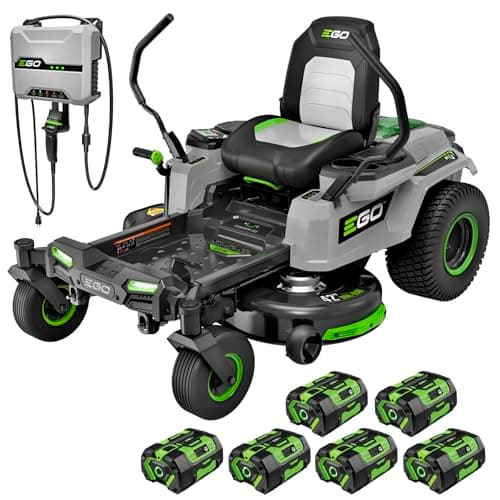
4 Best Zero Turn Mowers in 2026 — Faster Cuts, Cleaner Results, Less Hassle
If you’re shopping for the best zero turn mowers 2026 , you probably want one thing: to cut more grass in less time without sacrificing comfort or cut quality. The challenge is choosing between gas power, battery convenience, mowing width, and real-world runtime. This shortlist focuses on the models
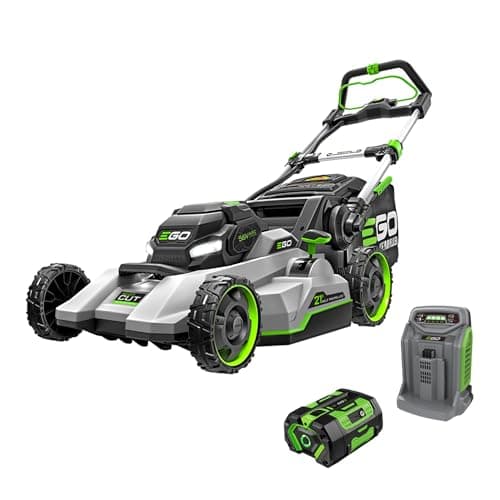
Ego LM2156 vs Ryobi 40V mower (2026): Which Should You Actually Buy?
If you’re torn between the Ego LM2156 vs Ryobi 40V mower, the real question is whether you want premium mowing performance or a lighter, lower-cost option. The EGO model is built for homeowners who want a more capable machine with better drive control and a more polished cut. The Ryobi-style 40V alt
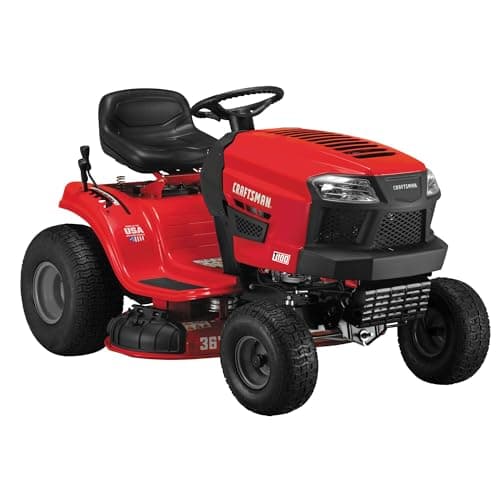
8 Best Riding Lawn Mowers in 2026 — Faster Cuts, Less Effort, Better Results
If you’re comparing the best riding lawn mowers 2026 , you probably want one thing: a machine that matches your yard size, terrain, and budget without wasting time or money. The problem is that some mowers are built for tight suburban lots, while others are better for bigger properties, steep slopes