
What is class 1 vs class 2 vs class 3 e-bike? A Complete 2026 Guide
A lot of shoppers get stuck on the differences between Class 1, Class 2, and Class 3 e-bikes because the labels sound technical, but the rules behind them are actually simple. If you want to buy the right e-bike for commuting, exercise, or casual riding, understanding these classes can save you from choosing a bike that feels too slow, too powerful, or not legal for your area. This guide breaks down class 1 vs class 2 vs class 3 e-bike differences in plain English so you can compare them with confidence.
In the U.S., e-bike classes mainly describe how the motor assists you and whether the bike has a throttle. Class 1 bikes assist only when you pedal and stop helping at 20 mph, Class 2 bikes also have a throttle and stop helping at 20 mph, and Class 3 bikes assist only when you pedal but can keep helping up to 28 mph. Those differences affect where you can ride, how fast you can go, and which type is best for your needs.
How It Works
All three e-bike classes use the same basic idea: a battery powers an electric motor that makes pedaling easier. The bike has sensors that detect when you are pedaling, how hard you are pushing, or whether you are using a throttle, then it sends power to the motor accordingly. The main difference is not the technology itself, but the way the system is allowed to deliver assistance.
On a Class 1 e-bike, the motor only helps when you pedal. That means it feels like a regular bicycle, except your effort is amplified, especially on hills or during long rides. Once you hit 20 mph, the motor stops assisting, even if you continue pedaling.
Class 2 e-bikes work similarly, but they also include a throttle. A throttle lets you move forward without pedaling, which can be useful for short bursts, starting from a stop, or giving your legs a break. Like Class 1, assistance cuts off at 20 mph.
Class 3 e-bikes are pedal-assist only, but they are tuned for higher speeds. They can provide assistance up to 28 mph, which makes them popular with commuters who want to cover more ground quickly. Because they are faster, they often come with more rules about where they can be used.
Key Benefits & Use Cases
Class 1 e-bike benefits
Class 1 e-bikes are often the easiest to understand and the most widely accepted on bike paths and multi-use trails, depending on local rules. They are a strong choice if you want a natural riding feel, light exercise, and fewer concerns about throttle-based riding. Many new riders also prefer Class 1 because it feels closest to a traditional bicycle.
Class 2 e-bike benefits
Class 2 e-bikes are useful if you want flexibility. The throttle can help when starting on a hill, riding in stop-and-go traffic, or recovering from fatigue during a longer trip. They are a practical option for casual riders, delivery riders, and anyone who wants the option to ride without pedaling all the time.
Class 3 e-bike benefits
Class 3 e-bikes are best for riders who need speed and efficiency. Commuters often like them because they can shorten travel time and make longer rides feel more manageable. If your route includes roads, bike lanes, or longer distances, Class 3 can be the most time-saving option.
Common use cases by class
Choose Class 1 if you want a simple bike-like experience, trail-friendly riding, or a balance of exercise and assistance.
Choose Class 2 if you want throttle support for convenience, stop-start riding, or occasional no-pedal movement.
Choose Class 3 if you want faster commuting, longer-distance efficiency, and stronger pedal-assist performance.
What to Look For When Buying
1. Where you plan to ride
Your riding environment matters more than the class label alone. Some paths, parks, and trails allow Class 1 only, while others may permit Class 2 or Class 3 with restrictions. Before buying, check the rules for your local roads, bike lanes, and trail systems.
2. Motor assistance style
Decide whether you want pedal assist only or pedal assist plus throttle. Pedal assist feels more like cycling and is usually better for fitness and range, while a throttle can make riding easier in traffic, on steep hills, or when you need a break.
3. Top assisted speed
Think about how fast you actually need to travel. A Class 1 or Class 2 bike may be enough for shorter urban rides, but a Class 3 bike can be more efficient if you regularly commute longer distances and want to keep up with faster traffic in bike lanes.
4. Battery range
Range tells you how far the bike can go on a charge, but real-world range depends on rider weight, terrain, wind, speed, and assist level. If you plan longer trips, look for a battery that comfortably exceeds your daily distance so you are not constantly charging.
5. Comfort and control
Fit, brakes, tires, and frame style matter just as much as class. A faster Class 3 bike is only a good choice if you feel stable and confident riding it, while a Class 1 or Class 2 bike may be better if you want a relaxed, upright ride. Test how the bike feels when starting, stopping, and turning.
Common Mistakes to Avoid
Assuming all e-bikes are the same. The class changes how the bike behaves and where it may be allowed to ride.
Ignoring local regulations. A bike that is legal on one trail or street may not be allowed on another, especially with Class 2 or Class 3 models.
Choosing speed over fit. A faster bike is not automatically better if it feels uncomfortable or intimidating to ride.
Forgetting about real-world range. Many buyers focus on the advertised range without considering hills, cargo, weather, and assist level.
Buying a throttle bike when you wanted exercise. If your goal is fitness, Class 1 or pedal-assist-only riding may be a better match than Class 2.
Not checking braking power. Higher speeds demand better stopping performance, especially on Class 3 bikes.
Frequently Asked Questions
What is the difference between Class 1, Class 2, and Class 3 e-bike?
Class 1 is pedal-assist only up to 20 mph. Class 2 is pedal-assist plus throttle up to 20 mph. Class 3 is pedal-assist only up to 28 mph.
Which e-bike class is best for beginners?
Class 1 is often best for beginners because it feels the most like a regular bicycle and is usually the simplest to understand.
Can I ride a Class 2 e-bike without pedaling?
Yes, that is one of the main advantages of Class 2 e-bikes. Their throttle can move the bike without pedaling, up to the class speed limit.
Are Class 3 e-bikes legal everywhere?
No. Class 3 e-bike rules vary by location, and some trails or paths restrict them. Always check local laws before riding.
Is a Class 3 e-bike worth it for commuting?
Often yes, especially if you have a longer commute and want to save time. The higher assisted speed can make daily travel faster and more efficient.
Get the Full Cycling Buyer's Guide
Download our detailed comparison with specs, scores, and our honest verdict — delivered straight to your inbox.
Free. No spam. Unsubscribe anytime.
Was this review helpful?
Be the first to share your feedback on this review.
Sign in to vote and let us know what you think.
Discussion (0)
No comments yet. Be the first to start the discussion.
Related Reviews
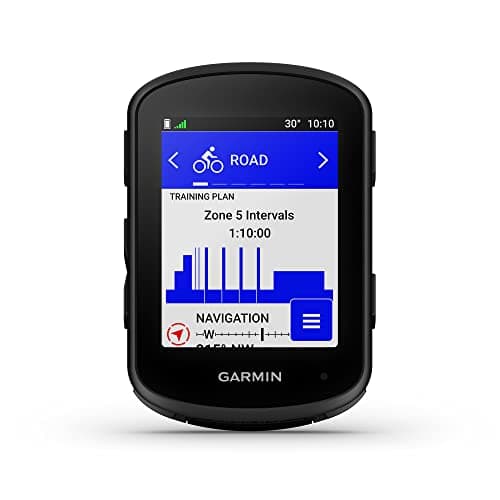
Garmin Edge 840 vs Wahoo Elemnt Bolt v2 (2026): Which Should You Actually Buy?
The Garmin Edge 840 stands out immediately because it gives you both touchscreen and button control. That matters on wet rides, gloved winter rides, and technical routes where you want flexibility instead of relying on one input method.
What is How to Size a Bike? A Complete 2026 Guide
If you’re trying to figure out how to size a bike , the biggest problem is usually the same: the frame feels too tall, too cramped, or just “off” when you ride it. A bike that’s the wrong size can make pedaling inefficient, steering awkward, and long rides uncomfortable. This guide explains the sizi
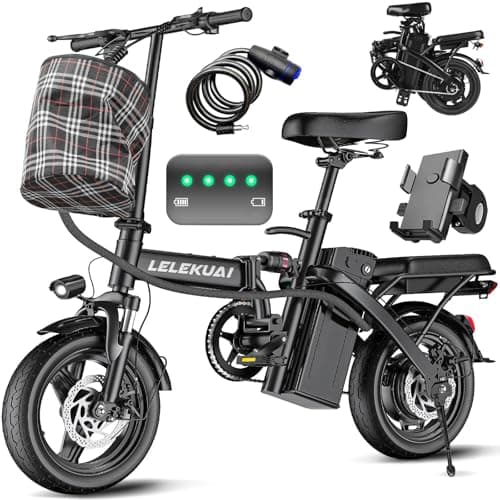
8 Best Folding E-Bikes in 2026 — Compact, Portable Picks for Easier Commuting
If you’re trying to find the best folding e-bikes 2026 , you probably want something that’s easy to store, simple to carry, and still strong enough for daily riding. The challenge is sorting through mini e-bikes, fat-tire folders, and budget commuter models without wasting money on the wrong one. Th