
Best Beginner Camera Under $800 for Every Budget in 2026: Ranked by Price & Performance
If you’re searching for the best beginner camera under $800, the real challenge isn’t finding “a camera” — it’s finding one that’s easy to use, gives you better results than a phone, and doesn’t waste money on features you won’t need yet. The good news is that the beginner-friendly options below are all extremely affordable, so you can choose based on comfort, portability, and learning curve instead of stretching your budget. Whether you want the cheapest starter pick, the best all-around value, or the most feature-packed option, this guide ranks the best choices by price and practical performance.
Best Budget Pick
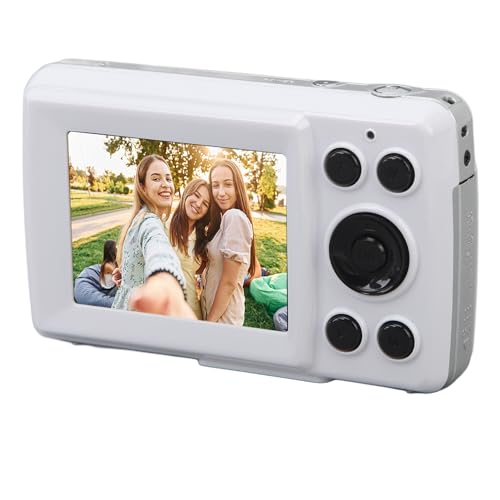
FHD 1080P Digital Kids Camera ✓ Prime ($8.07)
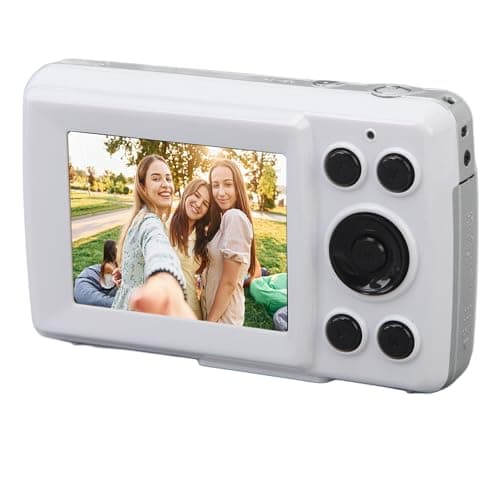
If you want the absolute cheapest way to get started, this is the lowest-risk entry point. The FHD 1080P Digital Kids Camera gives beginners a simple, compact body with 16MP photos, 1080P video, 16x digital zoom, and a 2.4-inch display, which makes it easy to practice framing shots without feeling overwhelmed.


It’s especially appealing if you’re buying for a child, teen, or total beginner who mainly wants a lightweight camera for snapshots, travel, and casual vlogging. The built-in stabilization and easy-to-read screen are the kind of beginner-friendly details that help new users get usable shots faster.
✓ Pros
- Very affordable starter camera for first-time users
- 16MP photos and 1080P video for basic everyday shooting
- 16x digital zoom helps with distant subjects
- 2.4-inch display makes composing shots easier
- Built-in stabilization helps reduce shaky footage
- Compact and easy to carry anywhere
✗ Cons
- Digital zoom is not as sharp as optical zoom
- Best for casual use, not serious photography
- Small-body design may feel limited for bigger hands
- Not ideal if you want advanced manual controls
Best Mid-Range Pick
Digital Camera for Beginner ✓ Prime ($8.99)
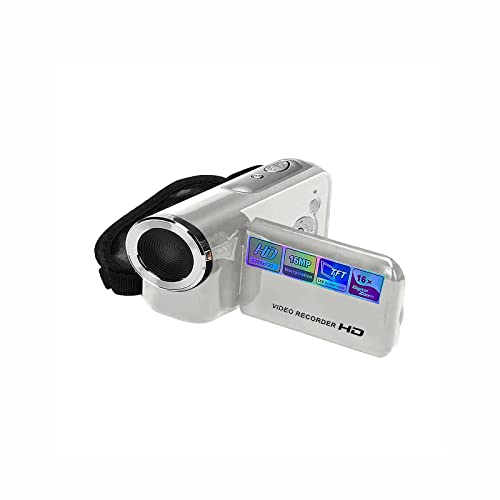
The best sweet spot for most first-time buyers is the Digital Camera for Beginner. It keeps the price almost as low as the budget pick, but adds a more well-rounded beginner experience with face detection, continuous shooting, anti-shake, built-in fill light, and a simple control layout that makes learning easier.
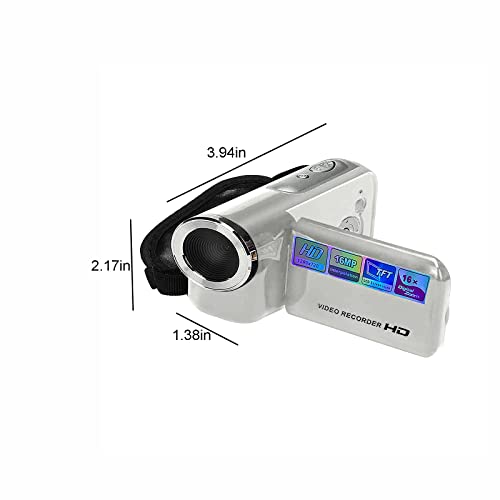

This is the better pick if you want something that feels a little more capable for everyday family moments, school events, travel, and beginner vlogging. The included microphone and speaker, plus the easy W/T zoom controls, make it a practical first camera for users who want a little more flexibility without paying more.
✓ Pros
- Great beginner-friendly feature mix for the price
- Face detection helps improve portraits and selfies
- Continuous shooting is useful for action and kids
- Built-in fill light helps in dim indoor settings
- Simple controls and easy zoom operation
- Compact design is easy to carry daily
✗ Cons
- Still a basic camera compared with larger-sensor models
- 2-inch LCD is small for some users
- Best for casual learning, not pro-level image quality
- Limited appeal if you want a more modern camera feel
Best Premium Pick

WellTone Digital Camera Kids ✓ Prime ($9.99)
If you want the most feature-rich beginner option in this roundup, the WellTone Digital Camera Kids is the clear premium pick. It stands out with 4K video, 64MP photos, autofocus, 18x digital zoom, a 2.8-inch IPS screen, flash, webcam mode, and a bundle of beginner-friendly shooting modes that make it feel the most complete.
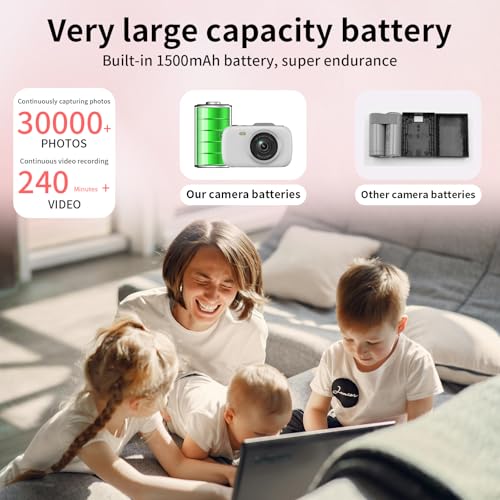
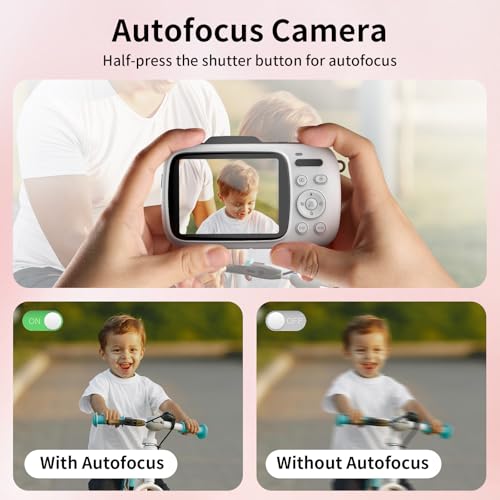
For beginners who want the most room to grow, this is the strongest choice because it has the widest feature set without becoming complicated. It’s a smart pick for travel, outdoor content, family clips, and anyone who wants a beginner camera that can also handle more ambitious shooting later on.
✓ Pros
- 4K video and 64MP photos offer the most headroom
- Autofocus is helpful for beginners learning fast
- 18x digital zoom is stronger than the lower-tier picks
- 2.8-inch IPS screen is easier to use
- Flash and fill light improve low-light shots
- Webcam mode adds extra value for creators
- Includes multiple modes, filters, and time-lapse options
✗ Cons
- Still a compact beginner camera, not a pro interchangeable-lens system
- Digital zoom won’t match optical zoom quality
- Feature set may be more than a casual user needs
- Best for learning and content creation, not advanced photography
Is Spending More Actually Worth It?
For the best beginner camera under $800 search, the surprising truth is that spending more in this specific product set does not buy you a dramatically better camera experience — it mostly buys you more features, a bigger screen, and a little more flexibility. In real beginner use, the biggest gains come from ease of operation, portability, and getting comfortable with composition, not from chasing the highest spec sheet.
If your main goal is to learn the basics, the budget pick is enough to start taking photos and videos right away. If you want a better balance of usability and features, the mid-range pick is the smartest value. And if you know you’ll use the camera for travel, vlogging, or creative experiments, the premium pick is worth the extra few dollars because it gives you the most complete starter toolkit.
In other words: pay more only if the added tools solve a real problem for you. For most beginners, the best move is to buy the camera that feels easiest to carry and use consistently, because that’s what actually improves results.
All Picks Compared
| Pick | Price | Best For | Standout Feature |
|---|---|---|---|
| FHD 1080P Digital Kids Camera | $8.07 | Lowest-cost starter | 16MP, 1080P video, 16x zoom |
| Digital Camera for Beginner | $8.99 | Best value for most beginners | Face detection, anti-shake, fill light |
| WellTone Digital Camera Kids | $9.99 | Best feature set | 4K video, 64MP, autofocus, 18x zoom |
Frequently Asked Questions
What is the best beginner camera under $800?
The best beginner camera under $800 in this guide is the WellTone Digital Camera Kids if you want the most features, while the Digital Camera for Beginner is the best value pick for most people.
Which beginner camera is cheapest?
The cheapest option here is the FHD 1080P Digital Kids Camera, priced at $8.07.
Should a beginner buy 4K or 1080P?
Most beginners will be fine with 1080P, but 4K can be useful if you want more flexibility for editing or content creation. If you’re unsure, the 4K option in this guide gives you room to grow.
Is autofocus important for a first camera?
Yes, autofocus can make a beginner’s experience easier because it helps keep subjects sharper without needing to manually adjust settings.
Can these cameras be used for vlogging?
Yes, several options here are suitable for casual vlogging, especially the models with flip screens, fill lights, webcam mode, and stabilization.
Get the Full Cameras & Drones Buyer's Guide
Download our detailed comparison with specs, scores, and our honest verdict — delivered straight to your inbox.
Free. No spam. Unsubscribe anytime.
Was this review helpful?
Be the first to share your feedback on this review.
Sign in to vote and let us know what you think.
Discussion (0)
No comments yet. Be the first to start the discussion.
Related Reviews
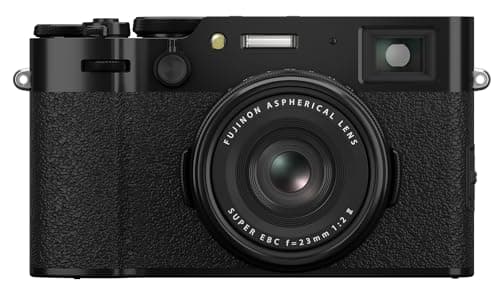
FUJIFILM X100VI Digital Camera - Black Review (2026): Honest Verdict After Testing
If you’ve been asking whether the FUJIFILM X100VI Digital Camera - Black is actually worth the hype, you’re probably stuck between two frustrations: the price feels high, and the demand has made it feel harder to justify. This review cuts through the cult-product buzz and focuses on what matters in
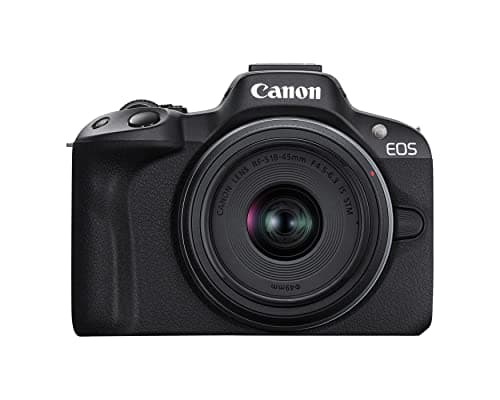
Canon R50 vs Nikon Z50 II (2026): Which Should You Actually Buy?
The Canon R50 is compact and beginner-friendly, but the Nikon Z50 II feels like the more complete out-of-box package because it includes two lenses and built-in flash support. If you want a travel-ready kit that covers more focal lengths from day one, Nikon has the edge.
What is a Camera Lens Buying Guide? A Complete 2026 Guide
If you’re trying to buy a new lens and keep getting lost in focal lengths, mount types, and confusing specs, you’re not alone. A good camera lens buying guide helps you match the right lens to your camera, your budget, and the kind of photos you actually want to take. In this guide, you’ll learn how