

TL;DR
Surface Laptop 7 — best overall polish: premium build, excellent battery, quiet thermals, tight Windows integration.
ASUS Vivobook S 15 (X Elite) — best value + performance: big OLED, lots of ports, aggressive pricing.
HP OmniBook X — best travel companion: lightest feel, long battery, great keyboard for writers.
What “AI Laptop” Actually Means in 2025
A fast NPU (neural processing unit) that runs on-device features like live captions/translations, background blur, image generation, and summarization with low latency and no internet required.
Battery wins: NPUs offload tasks from CPU/GPU, so you get all-day life even with assistive features on.
Privacy: Sensitive media and transcripts can stay local.
Quick Specs (the parts you’ll feel)
Feature | Surface Laptop 7 | ASUS Vivobook S 15 (X Elite) | HP OmniBook X |
Processor | Snapdragon X Elite | Snapdragon X Elite (higher bin options) | Snapdragon X Elite |
NPU | High TOPS, Windows Studio/Recall-style features | High TOPS + ASUS AI apps | High TOPS + HP AI utilities |
Display | 13.8" or 15" IPS-like high refresh; great color accuracy | 15.6" OLED, 120Hz, vivid colors | 14–14.5" IPS/OLED options, balanced |
RAM/Storage | 16–64GB LPDDR5X / 512GB–2TB | 16–32GB / 512GB–2TB | 16–32GB / 512GB–2TB |
Battery (real-world) | Best overall all-day | Long, slightly less than Surface at high refresh | Excellent for travelers |
Weight | Light | Moderate for 15.6" | Lightest feel |
Ports | 2× USB-C, Surface Connect, headphone (varies by size) | Generous: USB-A, USB-C, HDMI, microSD | Practical: USB-C, USB-A, HDMI (varies) |
Build & feel | Premium chassis, smooth touchpad | Solid, value-focused | Minimalist, sturdy, quiet fans |
(Exact configs vary by region; check the SKU when you buy.)
Performance & AI Features (Day-to-Day)
Surface Laptop 7
Fast wake, whisper-quiet fans, top battery with AI features enabled.
Best for users who want Windows features “just working” (captions, voice, background effects, local summarization).
ASUS Vivobook S 15 (X Elite)
Highest performance-per-dollar feel, especially with the 120Hz OLED.
ASUS’s extras (AI noise removal, webcam enhancements) plus more ports make it creator-friendly.
HP OmniBook X
Lightest travel rig with excellent typing.
Smooth AI utilities for meetings and notes; great if you write more than you render.
Battery, Thermals & Noise
All three deliver true all-day battery for office work, calls, and note-taking with AI features on.
Surface runs the quietest; HP is a close second; ASUS warms a bit more under OLED + 120Hz loads.
Tip: Set 60–90Hz on battery, 120Hz when plugged in for the best balance.
Displays & Color
Vivobook S 15 OLED pops for media and color work; enable flicker-free/DC dimming if you’re sensitive.
Surface offers excellent color accuracy out of the box and smooth touchpad gestures.
OmniBook X panels prioritize battery + visibility—great for bright rooms and cafes.
Ports & Connectivity
Vivobook wins on port variety (HDMI + USB-A + USB-C + microSD).
Surface is slimmer on ports but supports high-speed USB-C docks; add a compact hub if needed.
HP balances portability with practical I/O for presentations and travel.
Creators, Students, Business—Who Should Buy What?
Creators / editors / frequent presenters → ASUS Vivobook S 15 (X Elite)“Give me OLED punch, 120Hz, and real ports for cameras/monitors.”
Students / hybrid workers who want it to just work → Surface Laptop 7“Top battery + quiet + seamless Windows AI.”
Writers / consultants / constant flyers → HP OmniBook X“Lightest bag, strongest keyboard, dependable battery.”
Buyer’s Checklist (Copy/Paste)
NPU support for the AI features you’ll actually use (captions, summary, image tools)
Screen size & refresh: 14–15.6", 60–120Hz based on eye comfort and battery goals
RAM: 16GB minimum; 32GB if you run heavy browsers/VMs
Storage: 1TB if you handle media locally; 512GB + cloud is fine for docs
Ports: Do you need HDMI/USB-A built-in or fine with a USB-C hub?
Weight & keyboard: If you type daily, test key travel and deck flex
Warranty/accidental damage if you travel often
Setup Tips (Faster Wins)
Update firmware & drivers on day 1 for best NPU behavior.
Enable on-device AI for captions, translation, and meeting summaries; set privacy defaults.
Create power profiles: “Travel” (60Hz, battery saver) and “Desk” (120Hz, full performance).
Calibrate color (or pick sRGB mode) before creative work.
Map a hotkey to quick-mute mic/camera + background blur for meetings.
FAQ
Do these run x86 apps well?Yes—most mainstream apps run smoothly via native builds or translation. Check your must-have niche tools first.
Is 32GB RAM overkill?Not if you multitask with many tabs, large spreadsheets, local AI tools, or light video editing. For general work, 16GB is fine.
Can I game on these?Casual/indie titles and cloud gaming are great. For AAA, use lower settings or pair with an eGPU at your desk.
Final Verdict
Best overall/polish: Surface Laptop 7
Best value/performance & ports: ASUS Vivobook S 15 (X Elite)
Best travel typing & battery: HP OmniBook X
Ready to check live pricing?👉 See today’s best offers:
Get the Full Tech Gadgets Reviews Buyer's Guide
Download our detailed comparison with specs, scores, and our honest verdict — delivered straight to your inbox.
Free. No spam. Unsubscribe anytime.
Was this review helpful?
Be the first to share your feedback on this review.
Sign in to vote and let us know what you think.
Discussion (0)
No comments yet. Be the first to start the discussion.
Related Reviews
 Tech Gadgets Reviews
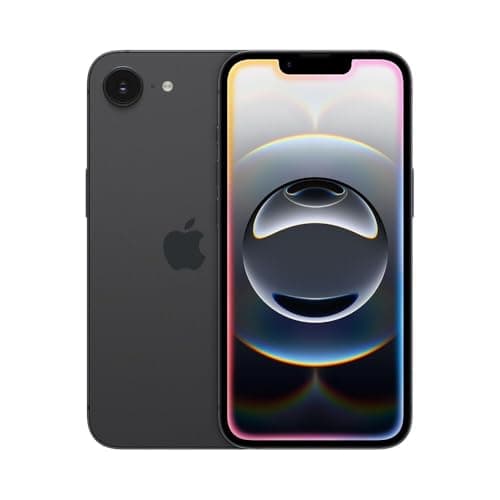
Apple iPhone 16e, 128GB, Black - Unlocked (Renewed)
For under $500, the iPhone 16e unlocked renews power with a premium vibe and a stunning 6.1" display — and one trade-off I actually expected.
 Tech Gadgets Reviews
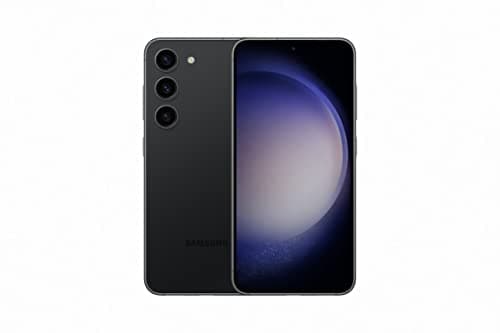
SAMSUNG Galaxy S23 5G (128GB, 8GB) 6.1\" AMOLED, 50MP 8K Camera, Global Volte (International Model Fully Unlocked for AT&T, Verizon, T-Mobile, Global 5G) S911W (w/ 25W Fast Charger, Phantom Black)
I put the Samsung Galaxy S23 5G to the test and the results surprised me: AI features actually help, battery lasts, and night photos impress—definitely a keeper
 Tech Gadgets Reviews
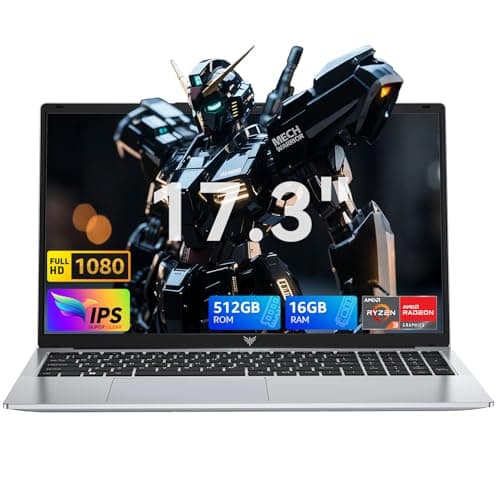
I Tested the MALLRACE 17.3 Inch Gaming Laptop — Honest Verdict
Honestly, I wasn’t sure what to expect from the MALLRACE 17.3 Inch Gaming Laptop, but the Ryzen 3 power and giant IPS display surprised me—here’s the real verdi