
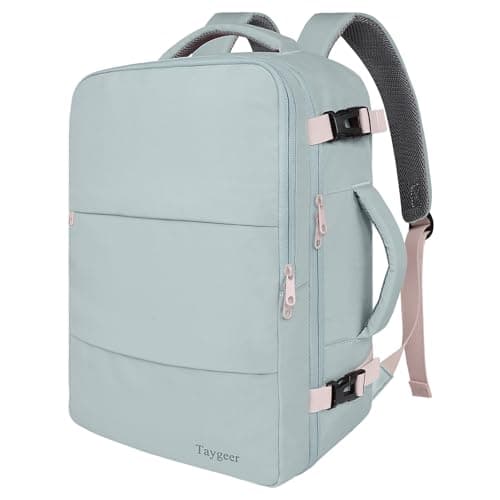
What is Personal Item Size by Airline? A Complete 2026 Guide
If you’ve ever tried to board a flight with a bag that “looked small enough” only to worry about gate checks, extra fees, or a last-minute repack, you’re not alone. The rules around personal item size by airline can feel confusing because every carrier defines “personal item” a little differently. This guide explains the basics in plain English and shows you how to choose a bag that fits more airlines with less stress.
In simple terms, a personal item is the smaller bag you’re usually allowed to bring in addition to your carry-on, such as a backpack, tote, or laptop bag. Airlines set size limits so the bag can fit under the seat in front of you, which is why dimensions matter more than the bag’s style. Understanding those limits helps you avoid surprise fees, speed through boarding, and pack smarter for short trips.
How It Works
Airlines use personal item rules to control cabin space. The goal is to make sure each passenger’s smaller bag fits under the seat, leaving overhead bins available for larger carry-ons and helping boarding stay organized.
Most airlines define a personal item by maximum dimensions rather than by bag type. That means a backpack, purse, briefcase, or small duffel may all qualify as long as it stays within the airline’s size limit and can slide under the seat.
In practice, the airline’s staff may check your bag visually or place it in a sizing frame at the gate. If your bag looks too large, you may be asked to move items into your carry-on or pay to check it, which is why buying a bag designed around common airline limits is so useful.
Key Benefits & Use Cases
- Avoid extra fees: Choosing a bag that fits personal item rules can help you skip gate-check charges and baggage surprises.
- Keep essentials close: A compliant personal item keeps your phone, wallet, documents, snacks, and chargers within reach.
- Travel lighter: For weekend trips and business flights, a well-sized personal item can reduce the need for a full suitcase.
- Improve boarding speed: A bag that fits under the seat is easier to stow and retrieve during boarding and deplaning.
- Stay organized: Multiple pockets and compartments make it easier to separate electronics, clothing, toiletries, and shoes.
Common use cases include short business trips, budget airline travel, day trips, commuting, and pairing a personal item with a larger carry-on for longer vacations.
What to Look For When Buying
1. Airline-friendly dimensions
The most important factor is size. Look for a bag that stays close to common personal item limits and can fit under the seat without bulging when packed.
2. Lightweight construction
A lighter bag gives you more usable packing space before you reach weight limits or make the bag awkward to carry.
3. Smart organization
Pockets, laptop sleeves, shoe compartments, and wet pockets help separate items and make security checks and boarding easier.
4. Comfortable carry options
Adjustable straps, padded handles, and luggage straps matter if you’ll be walking through airports or switching between backpack and hand-carry use.
5. Durability and water resistance
A personal item should handle frequent travel, light rain, and rough handling without tearing or soaking your belongings.
Top Recommended Products
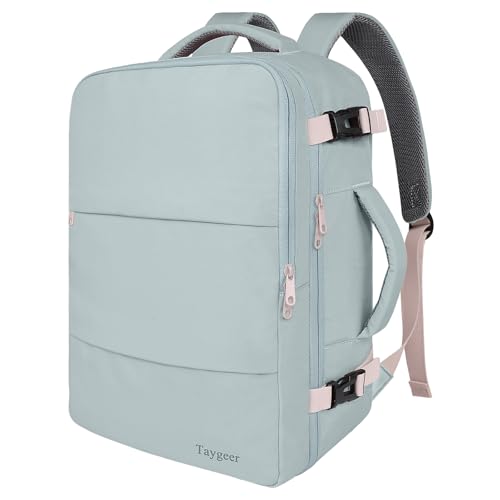

 Taygeer Personal Item Backpack ✓ Prime $33.99
This backpack is built for travelers who want one bag that can function as a personal item, daypack, and short-trip carry solution. Its 17 x 11 x 7 inch size, lightweight build, and multiple compartments make it a strong fit for people trying to stay within airline personal item limits while still packing efficiently.
It also stands out for practical travel features like a shoe pouch, wet pocket, laptop compartment, and 180-degree zipper opening that can make security checks easier.
✓ Pros
- Dimensions are designed to work as a flight-approved personal item on many airlines
- 3 main compartments plus 9 inner and side pockets improve organization
- Includes a bonus shoe bag and wet pocket for separating dirty or damp items
- Can be carried as either a backpack or handbag
- Lightweight at 1.74 lb and water resistant for travel use
✗ Cons
- May still be too large for stricter airlines if overpacked
- Not ideal if you want a very slim, minimalist underseat bag
- Best suited for travelers who prefer a backpack style over a tote or briefcase
Common Mistakes to Avoid
- Assuming all airlines use the same size limit: Personal item rules vary by carrier, so a bag that works on one airline may be too large on another.
- Measuring the empty bag only: A bag can expand once packed, so always account for real-world use.
- Ignoring under-seat shape: A bag may meet the numbers but still be awkward if it’s too stiff or bulky to fit under a seat.
- Overstuffing pockets: Side pockets, shoe compartments, and laptop sleeves can push the bag beyond acceptable dimensions.
- Forgetting airline-specific exceptions: Budget airlines are often stricter, so always check the exact policy before flying.
Frequently Asked Questions
What is the standard personal item size by airline?
There is no single standard size. Most airlines allow a small bag that fits under the seat, but the exact dimensions vary by carrier, route, and fare type.
Is a backpack considered a personal item?
Yes, a backpack can be a personal item if it fits the airline’s size requirements and can be stored under the seat in front of you.
Can I bring both a carry-on and a personal item?
On many airlines, yes. Typically, you can bring one larger carry-on plus one smaller personal item, but some basic fares or budget airlines may have different rules.
How do I know if my bag is too big?
Check the airline’s published dimensions and compare them to your bag’s measurements when packed. If the bag is close to the limit or feels bulky, it may be flagged at the gate.
What is the best bag for personal item size by airline?
The best bag is one that stays close to common airline limits, offers smart organization, and remains comfortable to carry. A flight-approved backpack like the Taygeer Personal Item Backpack is a practical option for many travelers.
Get the Full Travel Gear Buyer's Guide
Download our detailed comparison with specs, scores, and our honest verdict — delivered straight to your inbox.
Free. No spam. Unsubscribe anytime.
Was this review helpful?
Be the first to share your feedback on this review.
Sign in to vote and let us know what you think.
Discussion (0)
No comments yet. Be the first to start the discussion.
Related Reviews
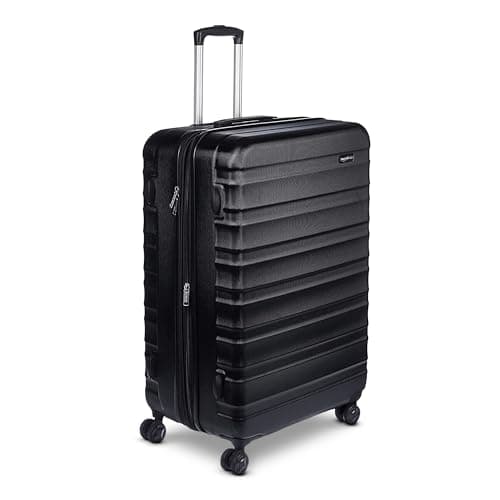
8 Best Hardside Luggage in 2026 — Durable, Easy-Rolling Picks for Smarter Travel
If you’re shopping for the best hardside luggage 2026, you probably want one thing: a suitcase that won’t crack, wobble, or waste packing space after a few trips. The picks below focus on durability, rolling performance, organization, and value so you can buy with confidence instead of guessing from
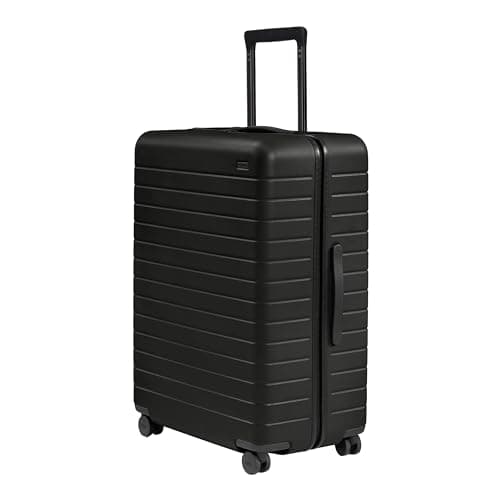
Best Alternatives to Away luggage in 2026 — Cheaper, Better, or Both?
If you’re searching for Away luggage alternatives cheaper , you probably like Away’s clean design but not the premium price tag. You may also be wondering whether the brand’s built-in lock, compression system, and “direct-to-you” model are actually worth paying extra for. The good news: there are sm
What is TSA approved luggage rules? A Complete 2026 Guide
If you’ve ever wondered what TSA approved luggage rules actually mean, you’re not alone. Many travelers buy the wrong lock, confuse “TSA approved” with “airport safe,” or pack a bag that gets flagged at security. This guide explains the rules in plain English so you can travel with less stress and a