
What is Road vs Trail Running Shoes? A Complete 2026 Guide
If you’ve ever wondered whether you need road or trail running shoes, you’re not alone. The wrong pair can make easy runs feel harsh, reduce traction, and leave you uncomfortable on the surfaces you actually train on. This guide breaks down the real differences in road vs trail running shoes so you can choose the right pair with confidence.
In simple terms, road running shoes are built for pavement, sidewalks, and treadmills, while trail running shoes are designed for dirt, rocks, roots, and uneven terrain. The best choice depends on where you run most often, how much grip you need, and whether you want more cushioning or more protection. By the end, you’ll know exactly what matters before you buy.
How It Works
Road vs trail running shoes are engineered for different environments, and that changes how they feel underfoot.
Road Running Shoes
Road shoes usually prioritize smooth cushioning, lightweight construction, and flexibility. Since pavement is flat and predictable, these shoes don’t need aggressive tread or heavy protective materials. The result is a shoe that often feels softer and faster on hard, even surfaces.
Trail Running Shoes
Trail shoes focus more on grip, stability, and protection. Their outsoles typically use deeper lugs to bite into dirt, mud, gravel, or loose rock. Many also add reinforced uppers, toe protection, and more structured midsoles to help you stay stable when the ground changes underfoot.
Why the Difference Matters
When you wear the wrong type of shoe, you may notice reduced traction, faster fatigue, or a less stable ride. A road shoe on a muddy trail can slip easily, while a trail shoe on pavement can feel stiff, heavy, and less efficient. Matching the shoe to the surface helps improve comfort, safety, and performance.
Key Benefits & Use Cases
When Road Running Shoes Make Sense
Road shoes are a strong choice if you run mostly on asphalt, concrete, treadmills, or packed paths. They’re usually the better option for daily training runs, longer runs on predictable terrain, and runners who want a lighter, more cushioned feel.
When Trail Running Shoes Make Sense
Trail shoes are ideal for mountain paths, forest trails, gravel roads, wet grass, and technical terrain. If your routes include rocks, roots, mud, or frequent elevation changes, trail shoes give you better traction and more underfoot confidence.
Who Benefits Most From Each Type
Road runners often value comfort, smooth transitions, and speed. Trail runners usually care more about grip, durability, and foot protection. If you split your time between both surfaces, you may want a versatile trail shoe or a road shoe with a bit more grip for light off-road use.
What to Look For When Buying
1. Surface Type
Start with where you run most. If it’s mostly pavement, choose road shoes. If you regularly hit dirt, gravel, or uneven terrain, trail shoes are the smarter pick.
2. Outsole Traction
Trail shoes should have lugs and rubber designed for grip. Road shoes usually have flatter outsoles for smoother contact and better efficiency on hard surfaces.
3. Cushioning Level
Look for enough cushioning to match your mileage and comfort needs. Road shoes often feel softer and more forgiving, while trail shoes balance cushioning with stability and ground feel.
4. Protection and Durability
Trail running often requires reinforced uppers, overlays, and toe protection to handle debris and abrasion. Road shoes can be lighter because they don’t need as much armor.
5. Fit and Stability
A secure fit matters in both categories, but it’s especially important on trails where uneven terrain can stress your feet. Make sure the shoe locks down well without pinching or slipping.
Top Recommended Products
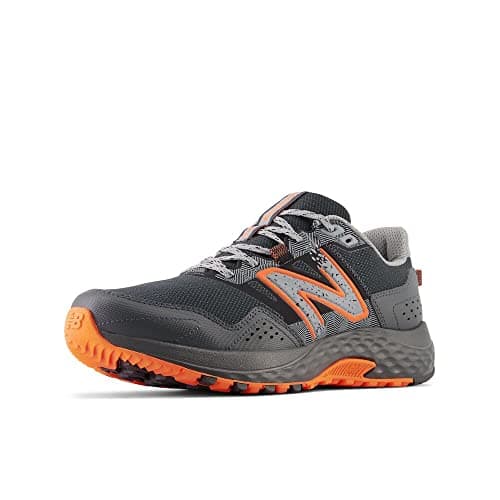
New Balance Men's 410 V8 Trail Running Shoe ✓ Prime $69.95
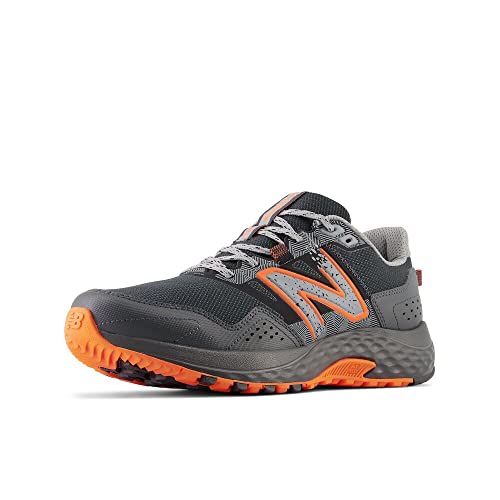


This shoe is a practical example of a trail-focused option that still works well for mixed terrain. The AT Tread outsole is designed to provide versatile traction during both on- and off-road activities, while the BIO Foam midsole adds comfort underfoot. Durable overlays and meshes help it hold up over time, and the lace-up closure gives a secure fit.
- ✓ AT Tread outsole offers versatile traction on and off road
- ✓ Soft BIO Foam midsole for comfort underfoot
- ✓ Durable overlays and meshes for lasting wear
- ✓ Secure lace-up closure for a locked-in fit
- ✓ Synthetic upper for everyday trail use
- ✗ Not as specialized for technical mountain terrain
- ✗ May feel less plush than premium road trainers
Brooks Men’s Adrenaline GTS 24 Weatherized Supportive Running Shoe - Black/Ebony/New Yellow - 11 Medium ✓ Prime $99.95
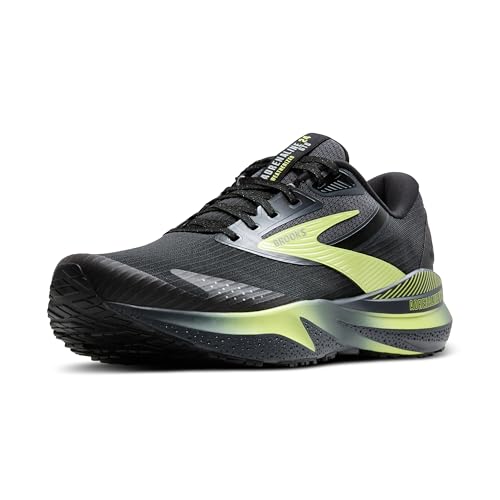
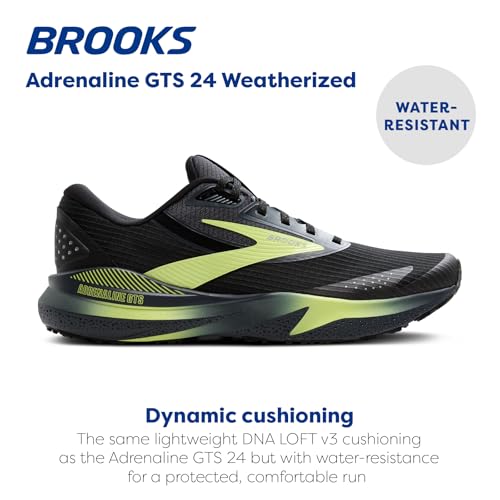
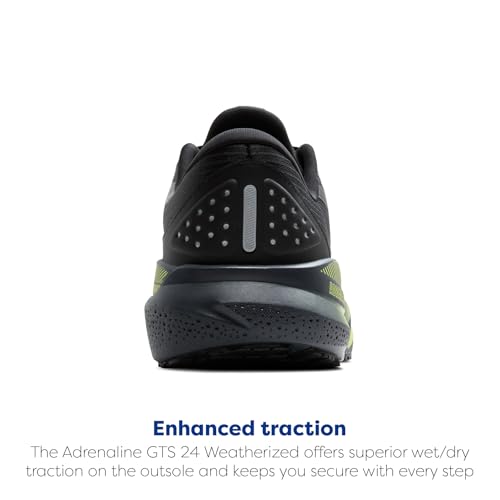
This is a strong road-running option for wet, cold, or unpredictable weather. It uses enhanced wet/dry traction, a DWR mesh upper for weather protection, and Guiderails support to help keep your stride aligned. The nitrogen-infused DNA Loft v3 midsole adds smooth cushioning for daily running comfort.
- ✓ Enhanced wet/dry traction for confidence in changing conditions
- ✓ DWR mesh upper for weather protection and temperature control
- ✓ Guiderails support system helps manage excess movement
- ✓ Reflective elements improve low-light visibility
- ✓ DNA Loft v3 foam provides soft, smooth cushioning
- ✗ More road-oriented than a true trail shoe
- ✗ Weatherized build may feel more structured than lightweight racers
Adidas Mens Terrex Tracefinder 2 Trail Running, Black/Black/Grey, 9.5 ✓ Prime 14% OFF — Was $70.00 $60.00
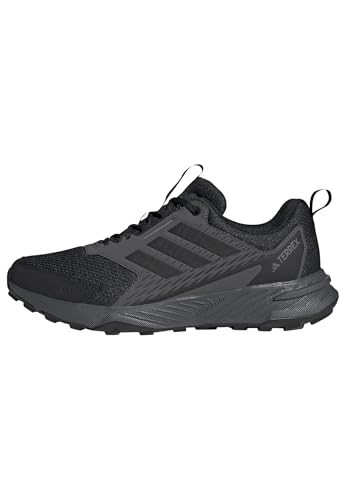


This trail shoe is built for comfort and durability on mixed terrain. The mesh and synthetic upper balances breathability with toughness, while LIGHTMOTION cushioning keeps the ride light. It also includes a 10 mm drop and uses at least 20% recycled and renewable materials.
- ✓ Versatile trail running design for comfort and durability
- ✓ Mesh and synthetic upper for breathability and light weight
- ✓ LIGHTMOTION cushioning for a super-light step-in feel
- ✓ 10 mm drop for a familiar running geometry
- ✓ Made in part with recycled and renewable materials
- ✗ Not as cushioned as some max-stack road shoes
- ✗ Trail traction may be more moderate than aggressive technical models
New Balance Men's 410 V9 Trail Running Shoe, Castlerock/Black, 12 W ✓ Prime 14% OFF — Was $69.99 $59.99
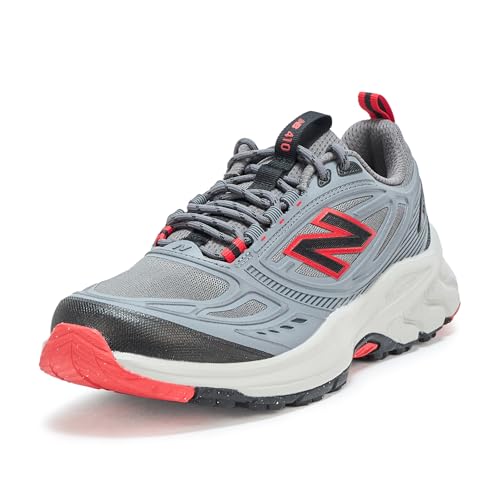
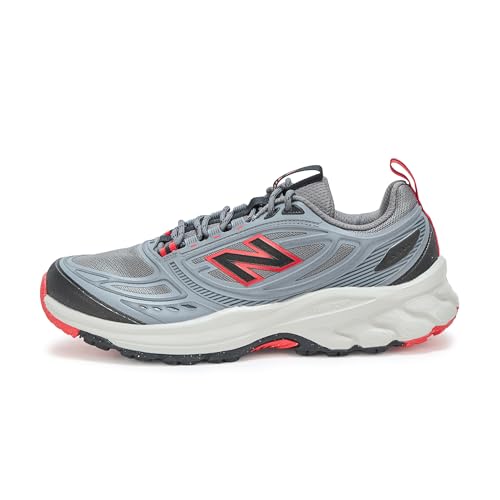

The V9 is a useful example of a trail shoe for runners who want comfort plus all-terrain traction. Fresh Foam cushioning helps absorb shock on rugged trails, while the AT Tread outsole supports both trail runs and hiking adventures. Reinforced overlays and breathable mesh also help with durability and airflow.
- ✓ Fresh Foam cushioning for comfort on rugged trails
- ✓ AT Tread outsole for on-road and off-road grip
- ✓ Reinforced overlays and breathable mesh for durability and airflow
- ✓ BIO Foam midsole helps reduce fatigue
- ✓ Secure lace-up fit for technical terrain
- ✗ Trail-first design may feel overbuilt for pure road running
- ✗ Wider fit may not suit runners who prefer a snug race feel
Common Mistakes to Avoid
Choosing Based on Looks Alone
A shoe can look rugged without actually offering the traction or protection you need. Always check the outsole, upper materials, and intended use instead of relying on appearance.
Using Road Shoes on Technical Trails
Road shoes can struggle on mud, loose gravel, and wet roots. If your route includes uneven terrain, you’ll likely want trail-specific grip and protection.
Wearing Heavy Trail Shoes on Smooth Pavement
Trail shoes can feel bulky and less efficient on long road runs. If most of your mileage is on pavement, a road shoe will usually feel smoother and faster.
Ignoring Fit and Stability
A shoe that is technically “right” for the surface can still fail if it doesn’t fit well. Make sure your heel is secure, your toes have room, and the shoe feels stable through the midfoot.
Forgetting Weather and Conditions
Wet, cold, or dark conditions can change what matters most. Reflective details, weather protection, and traction become more important when the environment gets tougher.
Frequently Asked Questions
Are road running shoes good for trails?
They can work on very light, well-groomed trails, but they’re not ideal for mud, rocks, roots, or steep terrain. Trail shoes are safer and more stable when the surface gets uneven.
Can you use trail running shoes on the road?
Yes, but they may feel stiffer, heavier, and less efficient than road shoes. For short transitions or mixed routes, many runners use trail shoes on pavement without issue.
What is the main difference between road vs trail running shoes?
The biggest difference is purpose: road shoes are built for smooth surfaces and comfort, while trail shoes are built for traction, protection, and stability on rough terrain.
Do trail running shoes need more cushioning?
Not always. Trail shoes need enough cushioning for comfort, but they also need stability and ground control. Too much softness can sometimes make uneven terrain feel less secure.
How do I know which one I need?
If most of your runs are on pavement, choose road shoes. If you regularly run on dirt, gravel, or technical trails, choose trail shoes. If you split time evenly, a versatile trail shoe can be a smart compromise.
Get the Full Running & Trail Buyer's Guide
Download our detailed comparison with specs, scores, and our honest verdict — delivered straight to your inbox.
Free. No spam. Unsubscribe anytime.
Was this review helpful?
Be the first to share your feedback on this review.
Sign in to vote and let us know what you think.
Discussion (0)
No comments yet. Be the first to start the discussion.
Related Reviews
4 Best Carbon Plate Running Shoes in 2026 — Faster Propulsion for Race Day and Long Runs
If you’re searching for the best carbon plate running shoes , you probably want one thing: more speed without losing too much comfort. The challenge is that some carbon shoes are built for elite racing, while others are better for training, stability, or budget-conscious runners. This list narrows i
Best Running Shoes for Every Budget in 2026: Ranked by Price & Performance
If you’re searching for the best running shoes under $150 , the real challenge isn’t finding options — it’s finding the pair that actually matches your mileage, foot type, and training goals without overspending. Some shoes in this price range are built for daily comfort and support, while others ar
5 Best Running Shoes for Marathon 2026 — Faster, Softer, More Efficient Long-Run Performance
If you’re hunting for the best running shoes for marathon 2026 , you probably want one thing: a shoe that can handle long miles without beating up your legs. The right pick should balance cushioning, energy return, stability, and comfort so you can stay efficient from mile 1 to the finish line. We n