
How to Choose the Best Running Shoes in 2026: Complete Buying Guide
Finding the right running shoes can make or break your running experience, affecting comfort, performance, and injury risk. Many runners fall into the trap of choosing shoes based solely on style or brand hype, leading to discomfort and potential injuries. This guide will help you understand exactly how to choose running shoes that fit your unique needs for 2026 and beyond.
Key Features to Look For
1. Proper Fit and Sizing
Your running shoes should fit snugly but not too tight, with enough room in the toe box to prevent blisters and black toenails. Shoes that are too tight can cause discomfort, while loose shoes reduce stability.
2. Arch Support
Understanding your arch type—low, neutral, or high—is crucial. The right arch support helps maintain proper foot alignment and reduces the risk of overpronation or supination.
3. Cushioning
Good cushioning absorbs impact forces and protects your joints during runs. The level of cushioning you need depends on your running style, weight, and terrain.
4. Stability and Motion Control
If you overpronate (your feet roll inward), look for shoes with stability features that help correct your gait, reducing injury risk and improving efficiency.
5. Breathability
Running shoes with breathable mesh uppers help keep your feet cool and dry, preventing discomfort and fungal infections on long runs.
6. Durability
Durable outsole materials and reinforced uppers ensure your shoes last longer, providing consistent performance over many miles.
7. Weight
Lighter shoes can enhance speed and reduce fatigue, especially for competitive runners, but may offer less cushioning or support depending on the design.
What to Avoid
- Choosing Shoes Based on Looks Alone: Style doesn’t guarantee comfort or support. Prioritize fit and function over aesthetics.
- Ignoring Your Running Style: Not accounting for your pronation type can lead to injuries and poor performance.
- Wearing Old or Worn-Out Shoes: Running shoes lose cushioning and support over time. Replace them every 300-500 miles.
- Buying Shoes Too Small or Too Large: Incorrect sizing causes blisters, nail damage, and instability.
- Skipping a Gait Analysis: Many specialty running stores offer gait analysis to recommend shoes tailored to your biomechanics.
Our Top Picks
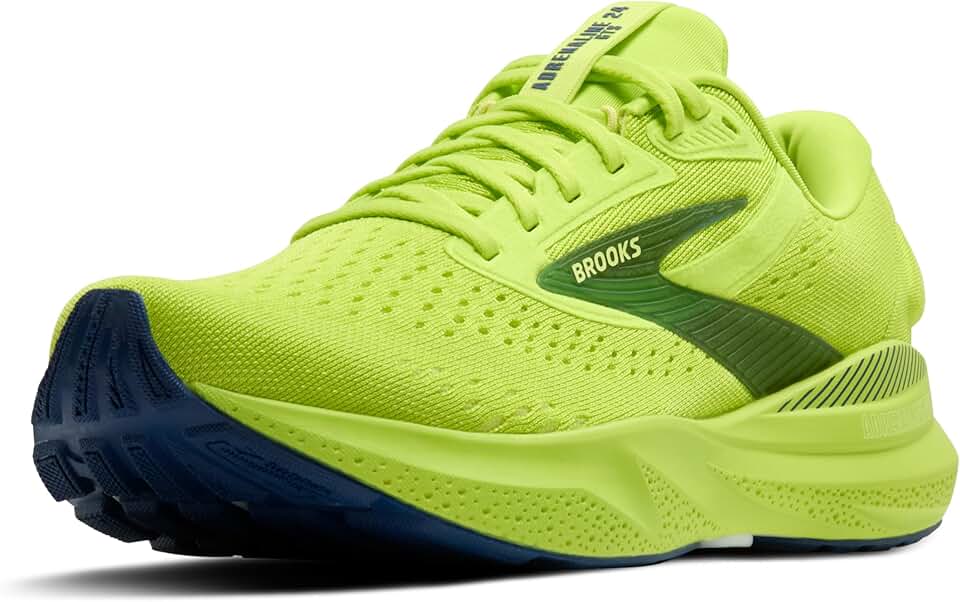
Brooks Men’s Adrenaline GTS 24 Supportive Running Shoe
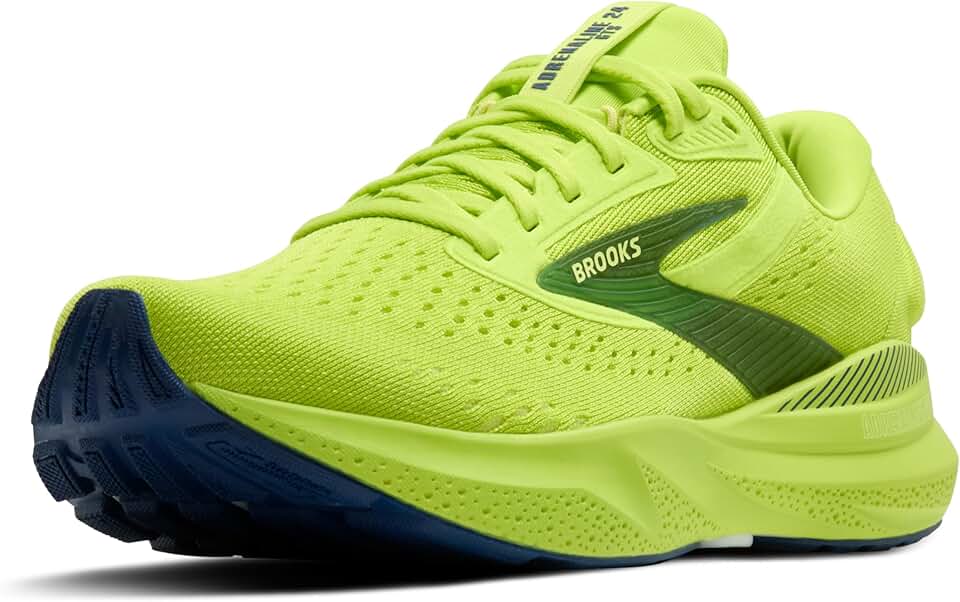
Ideal for runners needing extra support and stability, the Brooks Adrenaline GTS 24 offers balanced cushioning and a snug fit that helps control overpronation without sacrificing comfort. It’s a great choice for daily training and long runs.
✓ Supportive fit with GuideRails technology for stability✓ Responsive cushioning that adapts to your stride
✓ Breathable mesh upper ensures ventilation
✓ Durable outsole for long-lasting wear
✗ Slightly heavier than minimalist shoes
✗ Limited color options
Budget Guide: What You Get at Each Price Point
Under $100
Entry-level running shoes typically offer basic cushioning and fit but may lack advanced stability features or long-term durability. Good for walkers or casual runners.
$100–$150
This mid-range segment, including options like the Brooks Adrenaline GTS 24, delivers balanced cushioning, stability, and durability suitable for most recreational runners and daily training.
$150 and Above
Premium running shoes feature cutting-edge technologies, ultra-lightweight materials, and enhanced comfort tailored for serious runners and racers. They often come with specialized designs for specific foot types and terrains.
Frequently Asked Questions
How often should I replace my running shoes?
Generally, running shoes should be replaced every 300 to 500 miles, depending on your running style, weight, and the shoe’s durability.
What is the difference between stability and neutral running shoes?
Stability shoes offer extra support to correct overpronation, while neutral shoes are designed for runners with a natural gait who do not require additional support.
Can I use running shoes for walking or gym workouts?
Yes, running shoes provide good cushioning and support for walking and many gym activities, but specialized shoes may be better for certain workouts.
How do I know my arch type?
You can determine your arch type by wetting your foot and stepping on a piece of paper to see the imprint or by visiting a specialty running store for gait analysis.
Are more expensive running shoes always better?
Not necessarily. The best shoe depends on your foot type, running style, and comfort rather than price alone. Mid-range shoes often provide excellent value and performance.
Get the Full Running & Trail Buyer's Guide
Download our detailed comparison with specs, scores, and our honest verdict — delivered straight to your inbox.
Free. No spam. Unsubscribe anytime.
Was this review helpful?
Be the first to share your feedback on this review.
Sign in to vote and let us know what you think.
Discussion (0)
No comments yet. Be the first to start the discussion.