
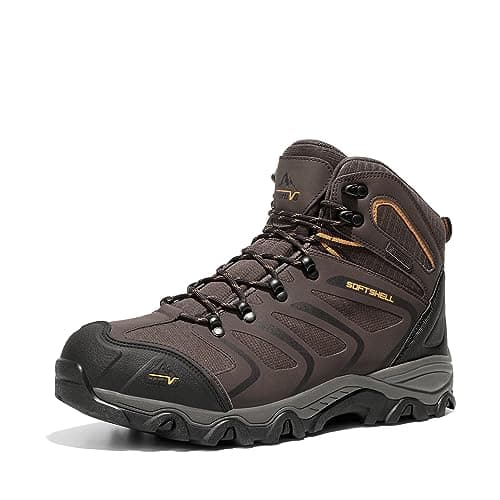
How to Choose the Best Hiking Boots in 2026: Complete Buying Guide
Choosing hiking boots can feel confusing because the wrong pair can leave you with blisters, sore arches, wet socks, or unstable footing on the trail. The biggest mistake buyers make is picking boots based on looks or price alone instead of matching the boot to their foot shape, terrain, and hiking style. If you want to learn how to choose hiking boots the smart way, this guide breaks down the features that matter, the mistakes to avoid, and the best options to consider in 2026.
Key Features to Look For
1. Waterproof Protection
Wet feet can ruin a hike fast, especially if you’re crossing muddy trails, wet grass, or shallow streams. Look for waterproof membranes or waterproof construction if you hike in damp climates or shoulder seasons. The goal is dry comfort without making the boot feel overly stiff or sweaty.
2. Fit and Toe Room
A good hiking boot should hold your heel securely while giving your toes enough room to spread naturally. Too-tight boots can cause toe pain on descents, while too much room can lead to rubbing and instability. If your feet swell on long hikes, a roomier toe box can make a big difference.
3. Traction and Outsole Grip
Trail conditions change quickly, so outsole grip matters more than most buyers realize. Deep lugs and quality rubber help you stay stable on dirt, rock, mud, and wet ground. Better traction means fewer slips and more confidence on uneven terrain.
4. Cushioning and Midsole Support
The midsole affects how the boot feels after miles of walking. Lightweight midsoles and shock-absorbing cushioning reduce fatigue and soften impact on hard trails. If you plan on long day hikes or backpacking, support becomes even more important.
5. Ankle Support and Stability
Higher-cut boots can help stabilize your ankles on rocky or uneven terrain, especially when carrying a pack. That said, more ankle coverage doesn’t always mean more comfort. Choose the level of support that matches your terrain and how much stability you personally need.
6. Weight of the Boot
Lighter boots usually feel easier on long hikes and reduce leg fatigue. Heavier boots may offer more structure and durability, but they can feel tiring over time. For most casual hikers, a lighter waterproof boot is often the sweet spot.
7. Breathability and Materials
Breathable mesh, suede, and leather combinations can help manage heat while still offering trail durability. If you hike in warm weather, breathability matters almost as much as waterproofing. The right material balance helps your feet stay comfortable for longer.
What to Avoid
Boots That Look Good but Don’t Match Your Terrain
One of the most common mistakes is buying boots for style instead of trail conditions. A boot that looks rugged may still be poor on slick rock or muddy paths. Always think about where you actually hike most often.
An Inflexible Fit
If a boot feels painfully stiff in the store, it usually won’t magically become comfortable on the trail. A little structure is good, but extreme stiffness can cause hot spots and fatigue. Your boots should feel supportive, not restrictive.
Ignoring Toe Box Shape
Many hikers focus on length but forget width and toe shape. A narrow toe box can pinch your feet, especially on downhill sections. If your toes feel compressed, keep looking.
Overpaying for Features You Won’t Use
Expensive boots aren’t automatically better for every hiker. If you mostly do short local hikes, you may not need a premium boot built for harsh alpine conditions. Match the boot to your use case instead of chasing the highest price tag.
Choosing the Wrong Size for Hiking
Hiking boots often need a different fit than everyday shoes. Feet swell during long walks, and downhill movement pushes toes forward. If possible, leave a little room for hiking socks and natural foot expansion.
Our Top Picks
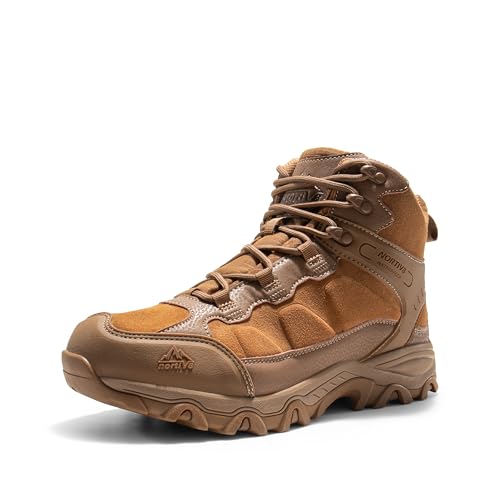
Best Budget-Friendly All-Rounder: NORTIV 8 Men's Waterproof Hiking Boots Outdoor Mid Trekking Lightweight Mountaineering Shoes Paladin,Size 10.5W,Coyote,JS19004M


$56.99 ✓ Prime
If you want a low-cost boot that still covers the basics, this is a strong starter option for casual hikes, camping, and mixed outdoor use. It offers waterproof protection, a rubber toe cap for added protection, and a rugged outsole for better grip on variable terrain.
- ✓ Waterproof membrane helps keep feet dry on muddy or wet trails
- ✓ Rubber toe cap adds front-foot protection from rocks and obstacles
- ✓ Reinforced heel improves stability and support
- ✓ Shock-absorbent midsole helps soften each step
- ✓ Multi-directional traction is useful on changing terrain
- ✗ Not the most premium-feeling option
- ✗ Best suited to casual and moderate use rather than serious backpacking
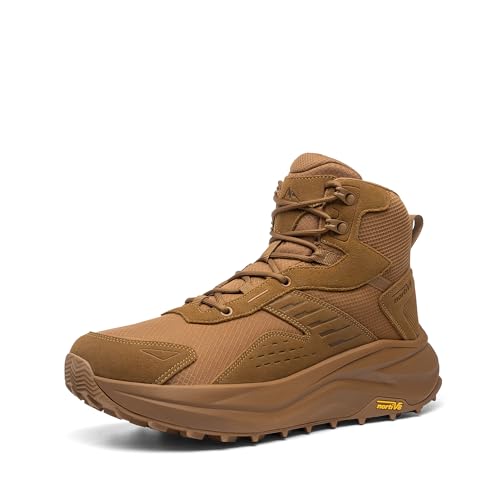
Best for Roomy Fit and Natural Toe Spread: NORTIV 8 Men's Wide Toe Box Hiking Boots Low Drop Waterproof Outdoor Trekking Camping Shoes Katahdin,Size 11,Coyote,SNHB25001M


$65.99 18% OFF — Was $79.99 ✓ Prime
This is a smart pick if your toes feel cramped in standard boots or you want a more natural foot position on longer hikes. The wide toe box and low-drop design make it especially appealing for hikers who prioritize comfort, balance, and reduced forefoot pressure.
- ✓ Wide toe box gives toes more room to spread naturally
- ✓ 5-mm heel-to-toe drop supports a more natural stance
- ✓ Waterproof membrane helps keep feet dry
- ✓ Wear-resistant upper is built for outdoor use
- ✓ Lugged rubber outsole improves grip on challenging terrain
- ✗ Low-drop design may not suit everyone
- ✗ Best fit depends on whether you prefer a roomier, more natural-feeling boot
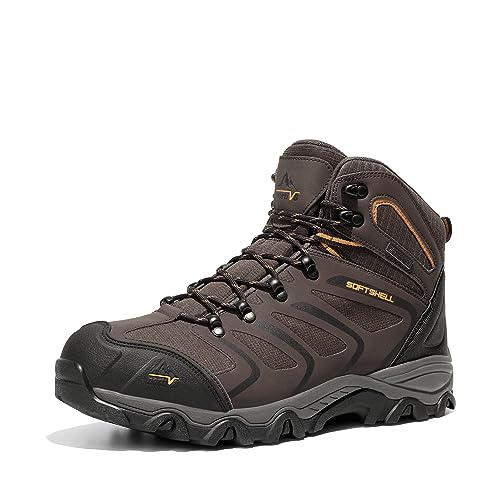
Best for Lightweight Support and Everyday Trail Use: NORTIV 8 Men's Ankle High Waterproof Hiking Boots Outdoor Lightweight Shoes Trekking Trails Armadillo,Size 10.5,Brown/Black/Tan,160448_M


$59.99 ✓ Prime
If you want an affordable boot that feels light on the feet, this option works well for day hikes, travel, and general outdoor use. The cushioned insoles and EVA midsoles are designed to reduce fatigue, while the outsole aims to stay stable on wet or muddy ground.
- ✓ Removable cushioned insoles improve comfort
- ✓ Lightweight EVA midsoles help reduce foot fatigue
- ✓ Slip-proof rubber soles improve stability
- ✓ Good for hiking, camping, trekking, and other outdoor activities
- ✓ Lightweight feel is helpful for long wear
- ✗ More of an all-purpose outdoor boot than a technical hiking boot
- ✗ May not be ideal for advanced mountaineering
Best Premium-feel Option for Serious Trail Conditions: Columbia Mens Newton Ridge Plus II Waterproof Hiking Boot, Cordovan/Squash, 11
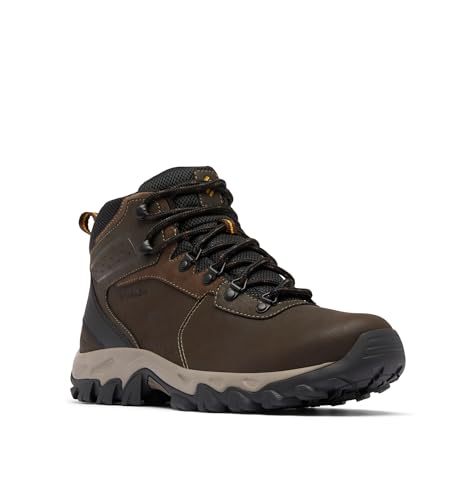


$110.00 ✓ Prime
This is a better fit if you want a more refined boot with strong traction, waterproof construction, and a secure lace-up fit. It’s a solid choice for hikers who want dependable performance across rough ground, and the traction system is especially useful when conditions get slippery or uneven.
- ✓ Lightweight midsole adds comfort and cushioning
- ✓ Waterproof full-grain leather and mesh bootie construction
- ✓ Lace-up closure helps create a secure fit
- ✓ Omni-Grip traction supports multiple terrain types
- ✓ Strong choice for rough ground and variable trail conditions
- ✗ Higher price than the budget options
- ✗ May be more boot than a casual walker needs
Budget Guide: What You Get at Each Price Point
Under $60
At this price, you’re usually looking at a practical entry-level hiking boot with the basics: waterproofing, decent traction, and enough cushioning for casual use. This range is best for beginners, occasional hikers, and shoppers who want solid value without paying for premium materials.
$60 to $80
This is the sweet spot for many hikers. Boots in this range often add better fit options, improved comfort features, and stronger outsole performance. If you hike regularly but don’t need a top-tier technical boot, this bracket gives you the best balance of price and performance.
$80 to $120
Here you’ll usually find more durable materials, better traction systems, and a more polished overall fit. These boots are often worth it if you hike often, carry a heavier pack, or want a more dependable long-term option. The Columbia model in our list sits in this range and reflects that step up in build quality.
How to Decide Your Budget
If you hike once in a while, start low and focus on comfort. If you hike monthly or more, invest a bit more for better support and durability. If your boots need to handle rough terrain, wet weather, or longer trips, prioritize fit and traction over the lowest possible price.
Frequently Asked Questions
1. How do I know what size hiking boots to buy?
Choose a size that gives your toes room to move without letting your heel slip too much. Try them on with hiking socks if possible, and remember that feet can swell on longer hikes.
2. Should hiking boots be tight or loose?
They should be snug in the heel and midfoot, but not tight in the toe area. A little extra room helps prevent blisters and toe pain on descents.
3. Are waterproof hiking boots worth it?
Yes, if you hike in wet, muddy, or unpredictable conditions. If you mostly hike in hot, dry weather, breathability may matter more than full waterproofing.
4. What is the difference between hiking boots and hiking shoes?
Hiking boots usually offer more ankle support and protection, while hiking shoes are lighter and more flexible. Boots are better for rougher terrain and heavier loads.
5. What is the best budget hiking boot?
The best budget option depends on your needs, but a good budget boot should still offer waterproofing, traction, and comfort. For value, look for models that balance lightweight support with durable outsoles.
Get the Full Camping, Hiking & Hunting Buyer's Guide
Download our detailed comparison with specs, scores, and our honest verdict — delivered straight to your inbox.
Free. No spam. Unsubscribe anytime.
Was this review helpful?
Be the first to share your feedback on this review.
Sign in to vote and let us know what you think.
Discussion (0)
No comments yet. Be the first to start the discussion.
Related Reviews
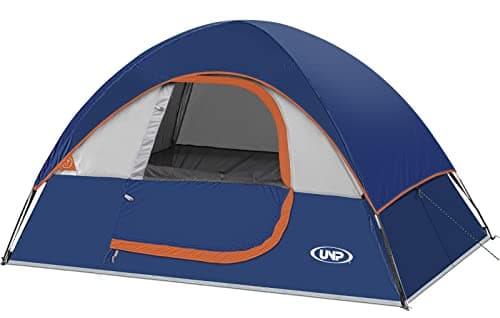
8 Best 2 Person Tents in 2026 — Lightweight, Weather-Ready Picks for Couples and Backpackers
If you’re shopping for the best 2 person tents, you probably want something that’s easy to carry, fast to pitch, and roomy enough for two adults without feeling cramped. The problem is that many “2-person” tents look good on paper but run too small, trap condensation, or struggle when the weather tu
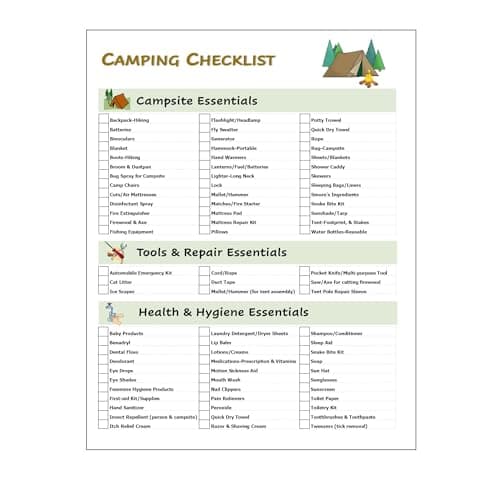
What is a Hiking Gear Essentials Checklist? A Complete 2026 Guide
A hiking gear essentials checklist is a simple planning tool that helps you pack the right items before you hit the trail. If you’ve ever forgotten a headlamp, water treatment, rain layer, or first-aid item, you already know how quickly a small packing mistake can ruin a hike. This guide explains wh
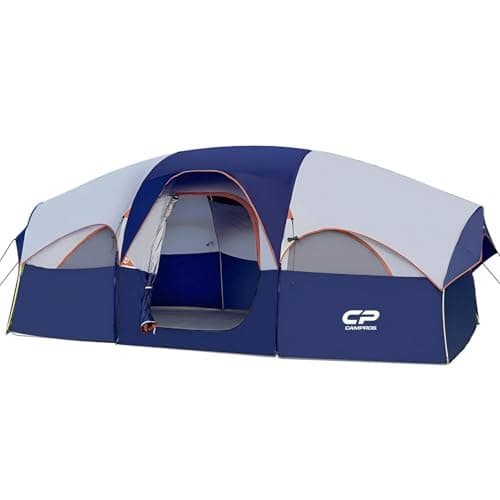
8 Best Camping Tents for Families in 2026 — More Space, Faster Setup, and Better Weather Protection
If you’re searching for the best camping tents for families 2026 , you probably want one thing: a tent that won’t turn your trip into a cramped, stressful setup battle. Family camping tents need to balance space, ventilation, privacy, and weather resistance without becoming too heavy or complicated