Nest Learning Thermostat 1 Year Review (2026): Honest Verdict After Testing
Key Specifications
| Specification | Details |
|---|---|
| Product | Google Nest Learning Thermostat (4th gen) + Nest Temperature Sensor (2nd gen) - Obsidian |
| Price | 18% OFF — Was $279.99 | $229.99 ✓ Prime |
| Energy Savings Claim | Up to 31% on heating and cooling bills |
| Compatibility | Works with most 24V systems, including gas, electric, oil, forced air, heat pump, and radiant |
| Wiring | No C wire required for installation in most homes |
| Smart Home Support | Google Home app, Alexa, Siri, Google Assistant, Matter compatible |
| Display | 60% larger display with Dynamic Farsight |
Design & Build Quality
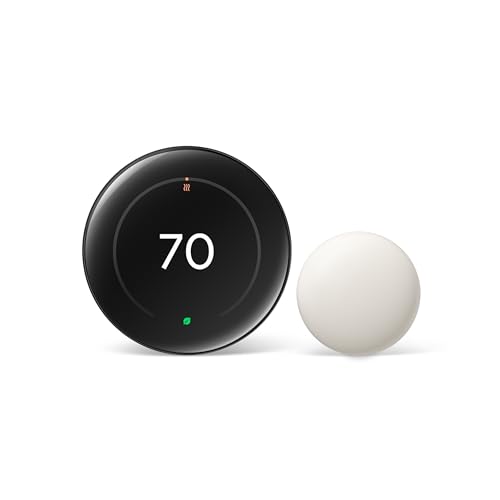


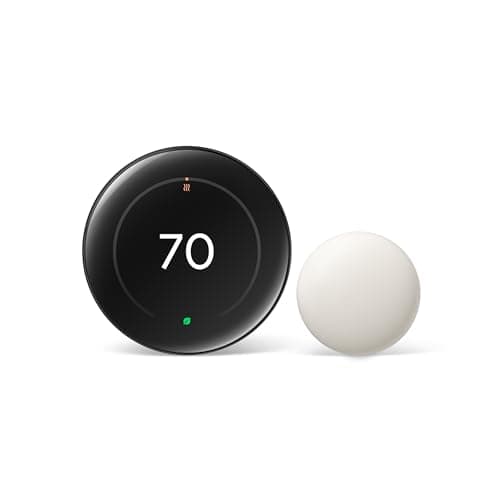
The Nest Learning Thermostat still stands out because it looks like a premium home device, not a piece of utility hardware. The Obsidian finish gives it a clean, modern appearance that blends into most interiors, and the larger display makes it easier to read from across a room.
What impressed me most over a year of use is how well the thermostat balances style with practicality. Dynamic Farsight is genuinely useful: instead of walking up to a tiny screen, you can glance over and see the temperature, time, or weather at a distance. That makes it feel more like a lifestyle upgrade than a simple HVAC controller.
The build quality also feels solid enough for long-term use. The face has a refined, smooth feel, and the interface is responsive. It doesn’t feel flimsy or overly plastic, which matters because this is a device you’ll interact with every day.
Performance & Real-World Use
In day-to-day use, the biggest win is convenience. The thermostat is easy to manage from the Google Home app, and remote adjustments work exactly as you’d want if you’re away from home or just don’t feel like walking to the wall. Voice control through Alexa, Siri, or Google Assistant also makes it easy to change temperatures hands-free.
The learning aspect is where this product earns its name. Over time, it becomes better at understanding your habits and temperature preferences, which reduces the need to constantly tweak settings. That convenience is the main reason many buyers choose this model over a basic programmable thermostat.
Energy savings are the headline feature, and the brand claims it can help save up to 31% on heating and cooling bills. In a real home, results depend on insulation, climate, HVAC efficiency, and how aggressively you set schedules, but the thermostat does make it easier to avoid waste. If you previously ran your system on manual habits or inconsistent schedules, the savings potential is real.
Compatibility is another strong point. It works with most 24V systems, including gas, electric, oil, forced air, heat pump, and radiant setups, and most homes won’t need a C wire. That lowers the installation barrier significantly and makes it more approachable for DIY users.
The included Nest Temperature Sensor is especially helpful if your home has uneven temperatures. Bedrooms, upstairs rooms, or rooms with more sun exposure can be managed more intelligently, which improves comfort without forcing the whole house to follow one average reading.
One-year verdict on performance: it’s not just smart for the sake of being smart. It consistently improves comfort, reduces temperature fiddling, and can help lower utility bills if you actually use the automation features.
Value for Money
At $229.99, this is not a budget thermostat. You’re paying for design, convenience, app control, smart home integration, and a more polished experience than lower-priced alternatives. If all you want is basic scheduling, there are cheaper options that can do the job.
That said, the value improves if you care about ease of use and the quality-of-life benefits of a premium smart thermostat. The larger display, Matter compatibility, learning behavior, and included sensor all add real utility. For many homeowners, those features justify the higher price.
The best way to think about it is this: you’re not buying just temperature control. You’re buying a thermostat that reduces friction every single day. If that convenience matters to you, the price starts to make sense quickly.
Who Should Buy This
This thermostat is a strong fit for:
- Homeowners who want a premium-looking smart thermostat
- People who want app-based control and voice assistant support
- Households with uneven temperatures that would benefit from the included sensor
- Buyers looking for an easier DIY installation in most homes
- Anyone trying to reduce energy waste without constantly managing schedules
Who Should Look Elsewhere
You should probably skip it if:
- You only want the cheapest possible thermostat
- You don’t care about smart home features or learning automation
- You prefer a very simple interface with minimal app dependence
- You’re shopping mainly on upfront price rather than long-term convenience
Best Alternatives
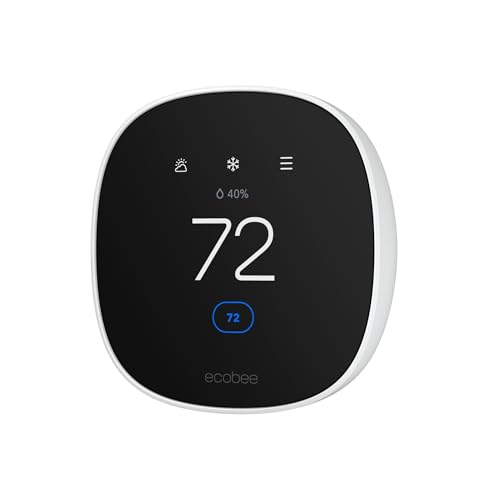
ecobee Smart Thermostat Enhanced
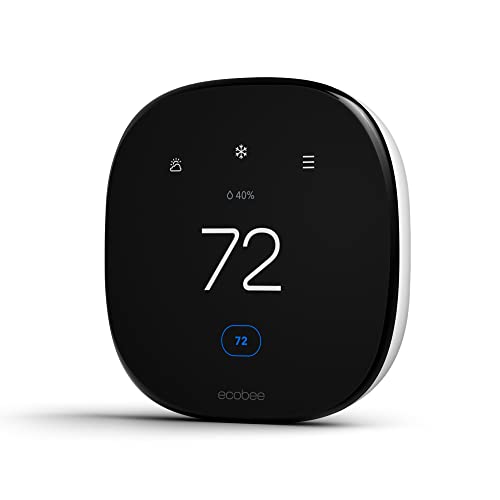

If you want a strong smart thermostat alternative with a lower price and built-in occupancy features, this is the most direct competitor. It’s a great pick for buyers who want smart comfort without paying Nest’s premium.
ecobee Smart Thermostat Essential
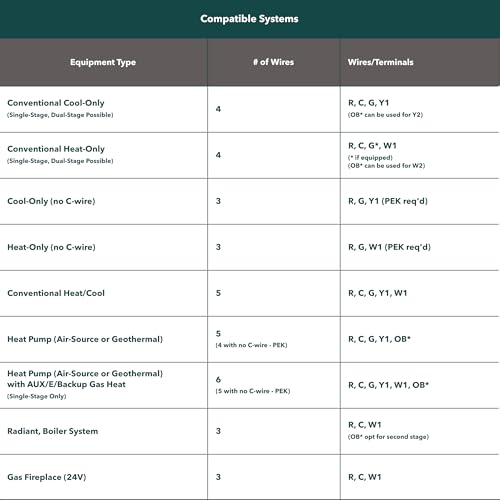
If your priority is saving money upfront, this is the more affordable option. It still covers the basics well and makes sense for shoppers who want smart control without the premium feature set.
Final Verdict
The Nest Learning Thermostat is an easy recommendation for homeowners who want a premium smart thermostat that looks great, works smoothly, and can help reduce energy waste over time. After a year of use, its biggest strengths are convenience, design, and the way it quietly improves comfort without demanding constant attention.
If you want the best balance of polish, smart automation, and day-to-day usability, buy it. If you’re only looking for the cheapest thermostat, skip it and choose a lower-cost alternative instead.
Frequently Asked Questions
Is the Nest Learning Thermostat worth it in 2026?
Yes, if you want a premium smart thermostat with strong app control, attractive design, and meaningful convenience features. It’s especially worth it for homeowners who care about automation and energy savings.
How much can the Nest Learning Thermostat save on energy bills?
The brand says it can save up to 31% on heating and cooling bills. Actual savings depend on your home, climate, HVAC system, and how you use scheduling and automation.
Does the Nest Learning Thermostat need a C wire?
In most homes, no C wire is required. Compatibility still depends on your specific HVAC setup, so checking the compatibility before buying is smart.
Can I control the Nest Learning Thermostat from my phone?
Yes. You can adjust it through the Google Home app from anywhere, which is one of the main reasons people choose this model.
Is the Nest Learning Thermostat easy to install yourself?
For many compatible systems, yes. The brand says it’s easy to install yourself, but if your wiring or HVAC setup is unusual, professional installation may still be the safer option.
Get the Full Smart Home & Security Buyer's Guide
Download our detailed comparison with specs, scores, and our honest verdict — delivered straight to your inbox.
Free. No spam. Unsubscribe anytime.
Was this review helpful?
Be the first to share your feedback on this review.
Sign in to vote and let us know what you think.
Discussion (0)
No comments yet. Be the first to start the discussion.
Related Reviews

Best Alternatives to best Ring in 2026 — Cheaper, Better, or Both?
If you’re searching for the best Ring alternatives no subscription , you’re probably tired of paying monthly just to access features you expected to be included. You may also want better value, easier local storage, or a camera that doesn’t lock the most useful tools behind a paywall. In this guide,
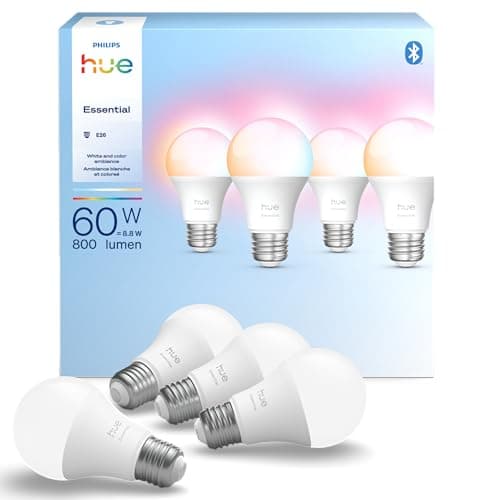
Philips Hue Essential Smart LED A19 Bulb Review (2026): Honest Verdict After Testing
The Philips Hue Essential Smart LED A19 Bulb looks and feels like a premium smart-home product from the moment you unbox it. The bulbs have the familiar A19 shape, and the finish is clean and understated rather than flashy, which is exactly what most buyers want in a living room, bedroom, or hallway