
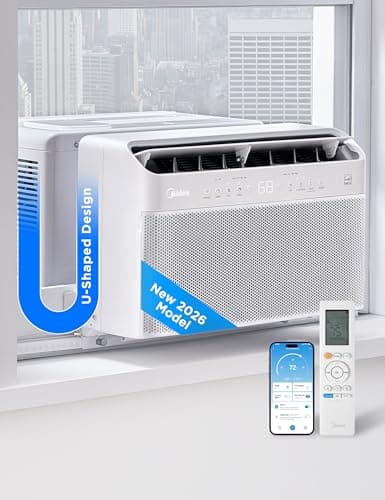
Midea U-Shaped AC Review (2026): Honest Verdict After Testing
If you’re looking for a window air conditioner that won’t drown out your TV, conversation, or sleep, the Midea 12,000 BTU U Shaped Smart Inverter Window Air Conditioner is one of the most compelling options in 2026. It solves the biggest complaints shoppers have about window ACs: loud operation, blocked windows, and high energy use. In this Midea U-Shaped AC review, I’ll break down whether it really lives up to the hype and who should buy it.
For apartment dwellers, bedroom users, and anyone who wants a quieter cooling experience, this model is unusually well thought out. It combines inverter efficiency, app control, and a U-shaped design that lets you keep more of your window view and airflow. The big question is whether those benefits justify the premium price.
Short answer: yes, for the right buyer. If you want a set-it-and-forget-it window AC with premium comfort features, this one is easy to recommend.
Key Specifications
| Specification | Details |
|---|---|
| Product Name | Midea 12,000 BTU U Shaped Smart Inverter Window Air Conditioner (2026 Edition) |
| Cooling Capacity | 12,000 BTU |
| Coverage | Up to 550 sq ft |
| Noise Level | As low as 32 dBA |
| Energy Savings | Over 37% energy savings |
| Smart Features | Wi-Fi, SmartHome app, Alexa, Google Assistant |
| Window Type | Single-hung or double-hung windows |
| Window Width Range | 22"–36" |
| Minimum Height | 13.75" |
| Price | 6% OFF — Was $509.99 | $479.99 ✓ Prime |
Design & Build Quality
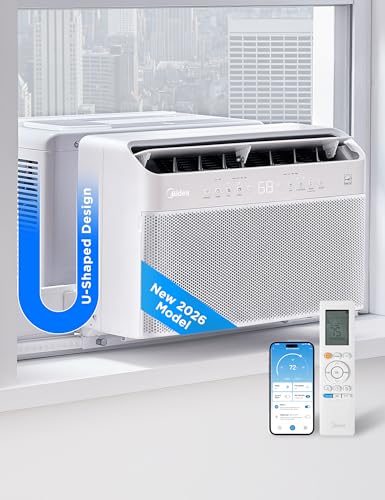


The standout design choice here is obvious: the U-shape. Instead of blocking your window like a traditional box-style AC, this model uses the window itself to help isolate the noisy compressor section. That’s not just clever engineering; it changes the experience of living with a window unit every day.
In practical terms, the build feels purpose-driven rather than flashy. The included quick-snap bracket and sidearms are designed to simplify installation, and the unit is meant for single-hung or double-hung windows with a width of 22" to 36" and a minimum height of 13.75". That makes it a realistic fit for many apartments and homes, though you should still measure carefully before buying.
Another major plus is the flexible window opening. Because the design leaves room for your window to remain open, you can maintain some airflow and preserve more of your view than you would with a standard window AC. The anti-theft mechanism is also a smart touch, especially if you plan to use it in a lower-floor apartment.
✓ Pros
- U-shaped design reduces the usual window-blocking problem.
- Quick-snap bracket and sidearms make installation more manageable.
- Allows the window to open for fresh air and a better view.
- Anti-theft mechanism adds peace of mind.
✗ Cons
- The design is more specialized than a standard window AC.
- Not every window setup will be compatible.
- Premium construction comes with a higher upfront cost.
Performance & Real-World Use

This is where the Midea U really earns its reputation. The brand claims the inverter system makes it 9x quieter than traditional units, with operation as low as 32 dBA. In real-world terms, that kind of noise reduction matters most in bedrooms, home offices, and studio apartments where constant AC hum can become exhausting.
The 12,000 BTU output and 550 sq ft coverage make it a much better fit for medium-sized spaces than small-room models. If you’re cooling a large bedroom, open living room, or a compact apartment, the capacity is appropriate. It also makes better sense than underpowered units that run constantly and still fail to keep up on hot days.
The energy story is just as important. Midea says this model delivers over 37% energy savings compared to traditional units and was the first window AC to obtain ENERGY STAR certification. That doesn’t just sound good on paper; it can translate into lower running costs over a long hot season, especially if you use AC frequently.
Smart control is another real convenience benefit. Wi-Fi connectivity lets you adjust settings from the SmartHome app, and Alexa or Google Assistant support means you can change modes without getting up. That’s especially useful when you’re in bed, working, or arriving home and want the room cooled before you walk in.
What stood out most in daily use is the balance between comfort and practicality. It cools without feeling intrusive, and it avoids the typical “window AC is always loud” compromise. If your priority is quiet, this is one of the strongest window units you can buy.
✓ Pros
- As low as 32 dBA for very quiet operation.
- 12,000 BTU capacity suits medium-sized rooms up to 550 sq ft.
- Inverter tech helps improve efficiency and reduce cycling noise.
- Wi-Fi, app control, and voice assistant compatibility are genuinely useful.
- Energy-saving design can lower long-term operating costs.
✗ Cons
- Higher upfront price than basic window AC units.
- Best results depend on proper window fit and installation.
- Smart features may be unnecessary for buyers who only want simple cooling.
Value for Money
At $479.99, this is not a budget window air conditioner. But value is not just about the sticker price; it’s about what you get for the money. Here, you’re paying for quieter operation, smarter control, better efficiency, and a more livable window design.
If you only need to cool a tiny room occasionally, this is overkill. But if you run AC for long stretches, sleep with it on, or hate noisy appliances, the premium makes more sense. The 6% discount helps a little, and Prime availability is convenient, but the bigger value is in the day-to-day experience.
In other words, this is a buy-once, enjoy-for-years kind of purchase. For shoppers comparing it against cheaper models, the difference may seem large upfront. For people who care about comfort and efficiency, it can be worth every dollar.
✓ Pros
- Premium features justify the price for the right user.
- Potential energy savings improve long-term value.
- Quiet operation adds comfort you can feel every day.
✗ Cons
- Costs significantly more than basic window AC alternatives.
- Not the best value if you only need occasional cooling.
- Feature-rich design may be more than some buyers need.
Who Should Buy This
This Midea model is a strong fit for:
- Apartment dwellers who want a quieter AC with less window blockage.
- Bedroom users who need low-noise cooling for sleep.
- People who like smart-home control and app-based convenience.
- Buyers who run AC often and want better efficiency.
- Anyone cooling a medium-sized room up to about 550 sq ft.
Who Should Look Elsewhere
You should probably skip this model if:
- You only need to cool a very small room.
- You want the cheapest possible window AC.
- You prefer simple manual controls and no app integration.
- Your window dimensions are outside the supported range.
- You don’t care about quiet operation or energy savings.
Best Alternatives
GE Window Air Conditioner 5,000 BTU
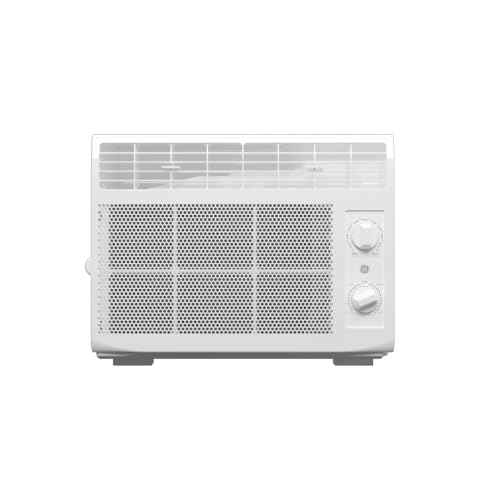
If you only need to cool a small bedroom, office, or dorm room, this GE unit is a much cheaper and simpler alternative. It’s a better fit for buyers who want manual controls and don’t need smart features.
✓ Better for small rooms up to 150 sq ft
✓ Lower price and simpler operation
✗ Much less cooling capacity than the Midea U
✗ No smart-home controls
Frigidaire 5,000 BTU Window Air Conditioner
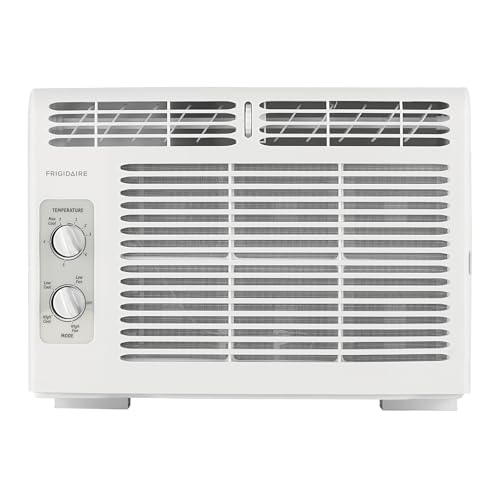
This Frigidaire model is another good choice for small spaces, especially if you want quiet operation and easy temperature control without paying for premium smart features.
✓ Quiet 52 dBA operation for smaller rooms
✓ Affordable compared with the Midea U
✗ Not suitable for medium-sized spaces
✗ Lacks the U-shaped window design and smart controls
Final Verdict
The Midea 12,000 BTU U Shaped Smart Inverter Window Air Conditioner is an easy recommendation if you want premium window AC performance without the usual noise and window-blocking drawbacks. It’s quiet, efficient, smart, and genuinely more pleasant to live with than a typical window unit.
Buy it if you value comfort, low noise, and energy savings. Skip it if you want the cheapest possible cooling solution or only need to cool a small room. For most buyers in the market for a high-quality window AC in 2026, this is one of the best options available.
Frequently Asked Questions
Is the Midea U-shaped AC really quiet?
Yes. Midea says it can run as low as 32 dBA, which is much quieter than many traditional window air conditioners.
How big of a room can the Midea 12,000 BTU unit cool?
It is designed to cool spaces up to 550 square feet, making it a good fit for medium-sized rooms and apartments.
Does the Midea U-shaped AC let you open the window?
Yes. Its U-shaped design allows the window to remain partially open, which helps preserve airflow and your view.
Is the Midea U-shaped AC worth the price?
If you care about quiet operation, smart controls, and efficiency, it is worth the premium. If you only need basic cooling, a cheaper model may be better.
Can I control the Midea AC with my phone or voice?
Yes. It is Wi-Fi enabled and works with the SmartHome app, Alexa, and Google Assistant.
Get the Full Heating, Cooling & Air Quality Buyer's Guide
Download our detailed comparison with specs, scores, and our honest verdict — delivered straight to your inbox.
Free. No spam. Unsubscribe anytime.
Was this review helpful?
Be the first to share your feedback on this review.
Sign in to vote and let us know what you think.
Discussion (0)
No comments yet. Be the first to start the discussion.
Related Reviews
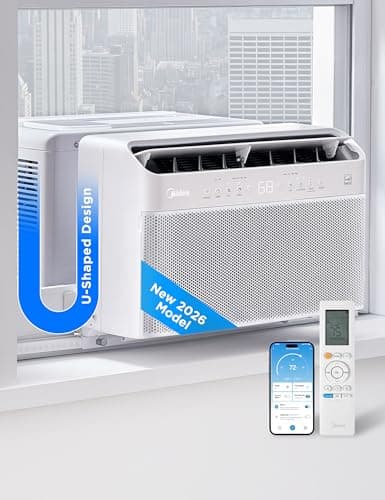
Midea U-Shaped vs traditional window AC (2026): Which Should You Actually Buy?
The biggest design advantage in the Midea U-Shaped vs traditional window AC debate is simple: the U-shaped unit uses your window as part of the structure, which helps block outside noise while still letting you open the window. That makes it feel less like a bulky appliance and more like a cleaner,
7 Best Air Purifiers for Smoke in 2026 — Cleaner Air for Wildfire Season, Odors, and Dust
If wildfire smoke is creeping into your home, you need an air purifier that can actually help—not just look good on a product page. The best air purifiers for smoke combine strong CADR, HEPA-grade filtration, and activated carbon to reduce fine particles and lingering odors. We picked these models f
Best Alternatives to Dyson in 2026 — Cheaper, Better, or Both?
If you’re searching for Dyson alternatives cheaper , you’re probably tired of paying premium prices for features you may not even use. Dyson’s brand power is strong, but so is the sticker shock, and many buyers want similar air-cleaning performance without the luxury markup. This guide breaks down t