
What is Skin Flooding Body Trend? A Complete 2026 Guide
Skin flooding body trend explained: it’s a layering method that aims to pack the skin with moisture by applying hydrating products in a specific order, usually from thinnest to thickest. For the body, the goal is to help dry, rough, or tight-feeling skin hold onto water longer and feel softer throughout the day. If you’ve been dealing with flaky arms, rough legs, or that “nothing seems to sink in” feeling, this guide breaks down how the trend works and how to do it safely.
Related Reviews
How It Works
Skin flooding is based on a simple idea: water and humectants should be applied first so the skin can absorb and retain more moisture before heavier products seal it in. Humectants are ingredients such as glycerin, hyaluronic acid, and urea that attract water to the outer layer of skin. When you layer them onto slightly damp skin and follow with a richer lotion, cream, or balm, you create a more effective moisture barrier.
For the body, this can be especially useful after showering, when skin is already damp and more receptive to hydration. The sequence usually looks like this: cleanse gently, pat skin so it’s not dripping, apply a hydrating body serum or lightweight lotion, then lock it in with a thicker cream or ointment. The “flooding” part doesn’t mean soaking the skin; it means giving the skin multiple hydration layers in a controlled way.
In practice, the trend works best when the products support each other. A watery or gel-like first layer delivers hydration, while the final layer slows water loss from the skin’s surface. That’s why people often notice less tightness, fewer rough patches, and a smoother feel when they do it consistently.
Key Benefits & Use Cases
1. Helps dry skin feel softer
One of the biggest reasons people try skin flooding on the body is to reduce dryness. If your arms, shins, elbows, or knees always feel rough, layered hydration can make them feel more comfortable and less flaky.
2. Supports post-shower moisture retention
Skin loses moisture quickly after bathing, especially if the water is hot or the cleanser is stripping. Applying hydrating layers right after the shower can help trap more water in the skin before it evaporates.
3. Useful for rough texture and “crepey” areas
Body skin that looks dull or feels uneven often benefits from repeated hydration. While it won’t erase deeper skin concerns, it can improve the look and feel of texture over time.
4. Can be adapted for different skin types
People with dry skin may use richer layers, while those with normal or combination skin may prefer lighter lotions. The method is flexible, which makes it appealing for many routines.
5. Good for seasonal dryness
Cold weather, indoor heating, and low humidity can all make body skin feel parched. Skin flooding can be a practical routine during winter or whenever your skin needs extra support.
What to Look For When Buying
If you’re building a body skin flooding routine, the products matter more than the trend name. Here are five criteria to focus on when choosing body care products.
1. Humectant ingredients
Look for ingredients that attract water, such as glycerin, hyaluronic acid, panthenol, aloe, or urea. These are the foundation of the “flooding” step because they help pull moisture into the skin.
2. Barrier-supporting ingredients
After hydration comes sealing. Ingredients like ceramides, shea butter, petrolatum, squalane, and dimethicone can help reduce moisture loss and support the skin barrier.
3. Fragrance level
If your skin is sensitive, fragrance-free or low-fragrance formulas may be a better choice. Heavily scented products can be irritating for some people, especially on dry or freshly shaved skin.
4. Texture and finish
Choose a texture you’ll actually use consistently. A lightweight lotion may be best for daytime, while a thicker cream or balm may be better at night or in very dry climates.
5. Skin compatibility and extras
Check whether the formula includes exfoliating acids, retinoids, or active ingredients that may not be ideal for very sensitive skin. Also consider whether the product is designed for body use, since body skin often needs richer textures than facial skin.
Common Mistakes to Avoid
Skin flooding can be effective, but only if it’s done in a way that supports the skin instead of overwhelming it. These are the most common mistakes people make.
Using too many products at once
More layers do not always mean better results. Overloading the skin can make the routine greasy, uncomfortable, or irritating.
Applying products to completely dry skin
The method usually works best when skin is slightly damp. If the skin is bone-dry, hydrating ingredients may not perform as well.
Skipping the sealant step
Hydrating layers alone can evaporate quickly. Without a richer final layer, you may not get the lasting softness you’re expecting.
Using harsh cleansers first
A stripping body wash can undo some of the benefits before you even start. Gentle cleansing helps preserve the skin barrier and makes hydration steps more effective.
Ignoring irritation or sensitivity
If a product stings, burns, or causes redness, stop using it. Skin flooding should feel supportive, not uncomfortable.
Frequently Asked Questions
What is skin flooding for the body?
It’s a body-care method that layers hydrating products on damp skin, then seals them in with a richer cream or balm to help reduce dryness and improve softness.
Does skin flooding actually work?
For many people, yes—especially if dry skin is the main problem. Its effectiveness depends on using the right ingredients and applying them in the correct order.
Can I do skin flooding every day?
Yes, many people use it daily, especially after showers. If your skin is sensitive, start slowly and see how your skin responds.
What products are best for skin flooding on the body?
Look for humectant-rich products first, then a thicker moisturizer or balm to lock in hydration. Fragrance-free formulas are often a safer choice for sensitive skin.
Is skin flooding good for oily skin too?
It can be, if you use lightweight layers and avoid heavy occlusive products. Oily skin may still need hydration, but usually in a lighter format.
Get the Full Beauty & Personal Care Buyer's Guide
Join our free newsletter — we'll send our latest Beauty & Personal Care picks, specs and verdicts straight to your inbox.
Free. No spam. Unsubscribe anytime.
Was this review helpful?
Be the first to share your feedback on this review.
Sign in to vote and let us know what you think.
Discussion (0)
No comments yet. Be the first to start the discussion.
Related Reviews
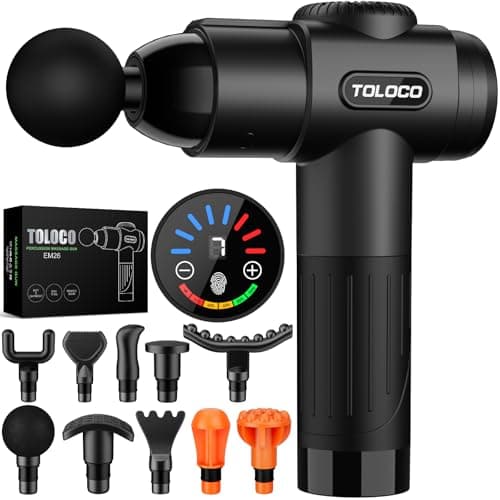
8 Best Full-Body Massage Guns in 2026 — Deep Relief for Back, Legs, and Shoulders
If you’re searching for the best full-body massage guns 2026 , you probably want one device that can handle your back, shoulders, legs, and neck without feeling underpowered or overly noisy. The picks below are built around deep-tissue specs, attachment variety, speed control, battery life, and real
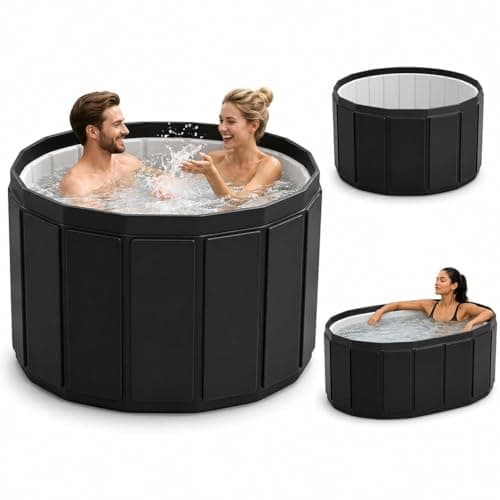
8 Best Foldable Adult Bathtubs for Small Bathrooms in 2026 — Space-Saving Comfort Without the Remodel
If you want the best foldable adult bathtubs for small bathrooms , the challenge is finding a tub that actually fits your space without feeling flimsy or hard to drain. The picks below focus on compact footprints, easy storage, adult-sized comfort, and practical features like insulation and quick dr
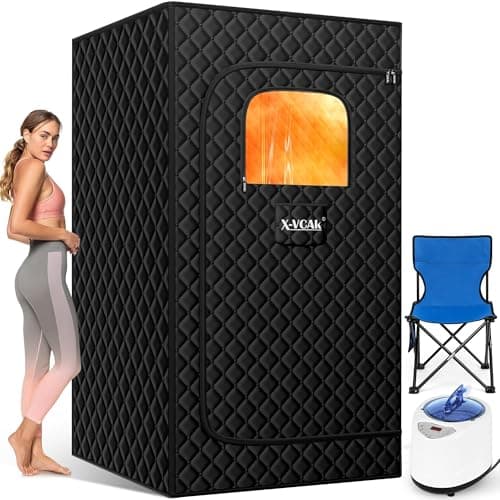
8 Best Portable Steam Saunas in 2026 — Best Picks for Fast Heat, Easy Setup, and Home Spa Relaxation
If you want the spa benefits of steam without paying for memberships or driving across town, a portable steam sauna can be a smart buy. The challenge is that many models look similar, but differ a lot in heat-up speed, space, safety features, and how easy they are to store. This guide rounds up the