

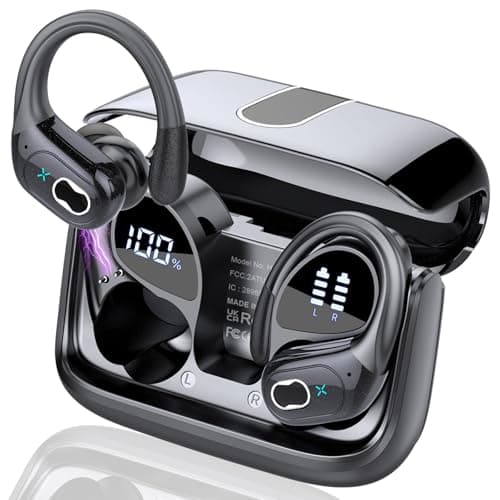
Who this is for: Best for shoppers comparing comfort, sound, and portability so they can choose the right headphone style for daily use.
Check PriceWhat is over-ear vs in-ear headphones? A Complete 2026 Guide
If you’re trying to decide between over-ear vs in-ear headphones, the real problem is usually comfort, sound quality, and portability—not just price. The wrong style can leave you with sore ears, weak bass, poor noise isolation, or a bulky pair you never want to carry. This guide breaks down how each type works, when each makes sense, what to look for before buying, and which products in our research stand out right now.
Related Reviews
In simple terms, over-ear headphones sit around your ears with large cups, while in-ear headphones sit inside your ear canal with small tips or earbuds. Over-ear models usually offer a bigger soundstage, stronger passive isolation, and longer comfort for home or office use, while in-ear models are lighter, easier to travel with, and often better for workouts. The best choice depends on where you listen, how long you wear them, and whether you value immersion or convenience more.
How It Works
Over-ear and in-ear headphones both turn electrical audio signals into sound, but they do it in different physical ways. In both cases, a driver inside the headphone vibrates to create pressure waves that your ears interpret as music, voices, or game effects. The main difference is how the sound reaches your ear and how much of the outside world is blocked along the way.
Over-ear headphones use larger ear cups that surround the ear. Because the cups create a larger chamber and often seal around the ear, they can produce fuller bass and a more spacious, immersive presentation. Many over-ear models also include active noise cancellation, which uses microphones and digital processing to reduce steady background noise like engines, fans, or office hum.
In-ear headphones place tiny drivers closer to the ear canal. That close fit can make the sound feel direct and detailed, even though the hardware is much smaller. A good seal from silicone or foam tips matters a lot here, because it affects bass response, comfort, and how much outside noise gets blocked.
There’s also a practical difference in how they interact with your body. Over-ear headphones spread pressure across the head and ears, which can feel more comfortable for long sessions if the clamp force is balanced well. In-ear headphones reduce bulk and heat, but some listeners find them fatiguing if the tips don’t fit correctly or if they create too much ear-canal pressure.
Key Benefits & Use Cases
Over-ear headphones are best for immersion and long listening sessions
If you want the most “sit down and disappear into the sound” experience, over-ear headphones are usually the stronger pick. They’re a great fit for home listening, gaming, movies, editing, and office use because they can sound larger and feel more enveloping.
In-ear headphones are best for portability and active use
In-ear headphones shine when you need something small and easy to carry. They’re ideal for commuting, workouts, travel, and quick listening sessions because they take up almost no space and are less noticeable in public.
Noise control works differently in each style
Over-ear headphones often block more noise passively because the cups cover the ear. In-ear headphones can also isolate very well, but only if they fit tightly. If you want the strongest all-around noise reduction for flights or noisy offices, over-ear models with ANC are usually easier to live with.
Different styles suit different budgets
At the lower end, in-ear headphones are often the cheapest way to get decent sound. At the higher end, over-ear headphones usually command more money because they can include larger drivers, more advanced comfort design, and premium ANC features.
What to Look For When Buying
1) Fit and comfort
Comfort is the biggest long-term factor. Over-ear headphones should not pinch too hard or create hot spots on the head, and in-ear headphones should match your ear shape without slipping or causing soreness. If possible, look for adjustable headbands, multiple ear-tip sizes, or ergonomic housings.
2) Noise isolation or ANC
Decide whether you need passive isolation, active noise cancellation, or both. Over-ear headphones can be excellent for blocking sound naturally, while in-ear headphones rely more on seal quality. If you travel or work in loud environments, ANC can be a major upgrade.
3) Sound signature
Some listeners want strong bass for modern music or gaming, while others prefer balanced mids for podcasts and vocals. Over-ear models often sound wider and fuller, while in-ear models may sound more direct and intimate. Think about what you actually listen to most.
4) Portability and durability
If you carry your headphones daily, size and build quality matter a lot. In-ear headphones are easier to pocket and pack, while over-ear headphones may need a case and more careful handling. For gym use, sweat resistance and secure fit are especially important.
5) Connection type and compatibility
Check whether you need wired, wireless, or both. Wired models can be simple and latency-friendly for gaming, while wireless models are more convenient for commuting and multitasking. Make sure the connector or Bluetooth support matches your phone, console, or computer.
Top Recommended Products
Below are the products from the research list that best illustrate the over-ear vs in-ear headphones decision. Since this is an informational guide, the picks are organized around use case and value rather than a single “best” for everyone.
Apple AirPods Max 2 Wireless Over-Ear Headphones, Active Noise Cancellation, Adaptive Audio, Personalized Spatial Audio, Live Translation, Bluetooth Headphones for iPhone – Midnight 4.7★ (review count not provided)
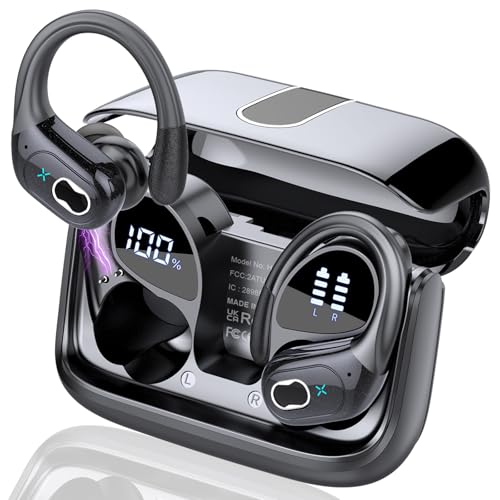


18% OFF — Was $549.00 ✓ Prime
Apple’s over-ear model is the clearest example of why some listeners choose the larger form factor. The published feature set emphasizes high-fidelity audio, stronger ANC, adaptive listening modes, and personalized spatial audio, all of which point to a premium immersion-first experience.
- ✓ Over-ear design for a more immersive, theater-like listening feel
- ✓ Strong noise cancellation for travel, office, and focus sessions
- ✓ Adaptive Audio and Transparency features for mixed environments
- ✓ Personalized Spatial Audio for a more expansive sound presentation
- ✓ Live Translation adds a unique productivity and travel use case
- ✗ Premium price is far above most in-ear options
- ✗ Bulkier than earbuds for commuting or gym bags
- ✗ Best experience is tied closely to the Apple ecosystem
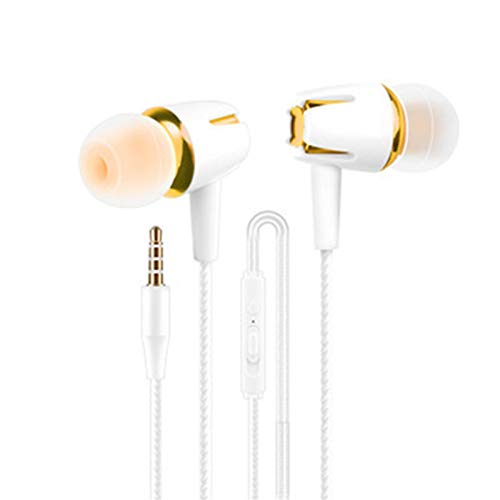
Heave Wired in Ear Headphones Earbuds, Powerful Heavy Bass Sound Wired Headset Gaming Earbuds Built in Noise Cancellation Mic for Running Workout Exercise Golden 4.7★ (review count not provided)

✓ Prime
This budget-friendly in-ear option shows why earbuds remain so popular for everyday mobility. The feature set focuses on comfort, sweat resistance, broad compatibility, and bass-heavy sound, which makes it easy to understand the appeal of the in-ear category for active users.
- ✓ Lightweight in-ear design that is easy to carry
- ✓ Anti-sweat protection for exercise and outdoor use
- ✓ Comfortable curved shape for longer wear
- ✓ Broad compatibility with many devices
- ✓ Very low price compared with most over-ear headphones
- ✗ Wired design may feel less convenient than wireless earbuds
- ✗ Sound quality expectations should stay realistic at this price
- ✗ Not ideal if you want the spacious feel of over-ear headphones
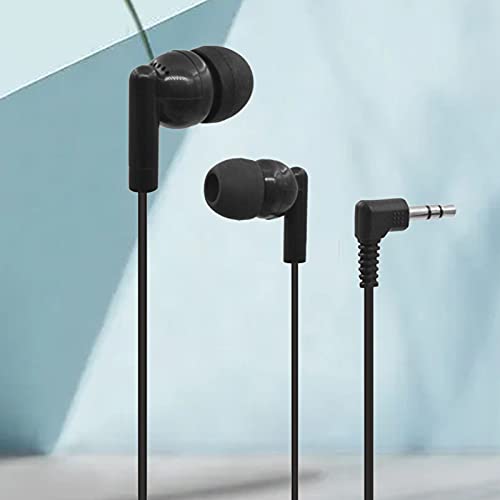
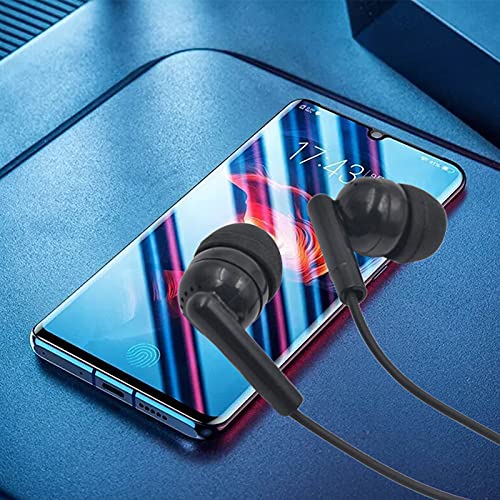
Shulemin Gaming Headset Wired Headphones Earbuds 102 Wired Earphone Clear Ergonomic PVC 3.5mm Moving Coil in-Ear Head Phones for Phone Fitness Sports Listening Music Black 4.7★ (review count not provided)
✓ Prime
This is another good example of the in-ear category’s strengths: low bulk, simple compatibility, and practical everyday use. The product description emphasizes comfortable wear, clear sound, and a 3.5mm connection, which can appeal to people who want a straightforward wired solution.
- ✓ Ergonomic in-ear fit aimed at longer wear
- ✓ 3.5mm compatibility for many phones and devices
- ✓ Lightweight and easy to pack
- ✓ Suitable for sports, home, and gaming
- ✓ Durable PVC build for everyday use
- ✗ Wired connection may limit movement
- ✗ Less immersive than over-ear headphones for movies and music
- ✗ Best for basic use rather than premium audio listening
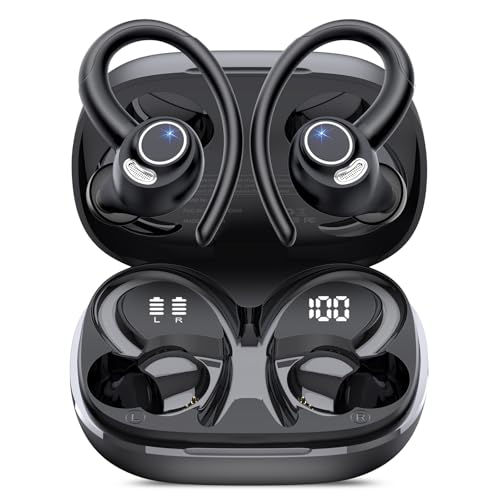
Tekmihat 3.5mm Jack Wired Gaming Earphone for PS4 Joystick Controller Headset with Microphone Sports Headphones 4.7★ (review count not provided)

✓ Prime
This wired in-ear headset is a practical reminder that some users care more about direct compatibility and simple gaming chat than about premium audio features. Because it is designed for PS4 controller use and includes an on/off control, it fits the “plug in and play” mindset.
- ✓ Simple wired setup for console use
- ✓ Built-in microphone for gaming communication
- ✓ On/off control for easy operation
- ✓ Lightweight earbud format
- ✓ Good fit for users who want a basic headset solution
- ✗ Narrower use case than more versatile headphones
- ✗ Not designed for premium music listening
- ✗ Less comfortable for some users than over-ear gaming headsets
Common Mistakes to Avoid
Choosing based on sound alone
Many buyers assume bigger always means better. While over-ear headphones often sound fuller, a well-fitting in-ear pair can outperform a poorly tuned over-ear model for clarity or portability. Think about comfort, isolation, and use case—not just raw sound quality.
Ignoring fit and seal
With in-ear headphones, a bad seal can ruin bass and make the sound thin. With over-ear headphones, poor clamp force or shallow ear pads can make them uncomfortable fast. Fit is not a small detail; it changes both sound and usability.
Buying the wrong style for your routine
If you commute daily, travel often, or work out, in-ear headphones may be the smarter choice. If you spend hours at a desk or want better movie immersion, over-ear headphones usually make more sense. Match the form factor to your real life.
Overlooking wired vs wireless tradeoffs
Wired headphones can be great for latency and simplicity, but they add cable management. Wireless headphones are more convenient, but battery life and charging become part of the ownership experience. Decide which inconvenience you can tolerate more easily.
Assuming noise cancellation is always better
ANC is useful, but it is not automatically necessary. A good seal on in-ear headphones or a well-designed over-ear cup may already block enough noise for your needs. If you only listen in quiet rooms, you may not need advanced ANC at all.
Frequently Asked Questions
Are over-ear headphones better than in-ear headphones?
Neither is universally better. Over-ear headphones are usually better for comfort, immersion, and noise isolation, while in-ear headphones are better for portability, workouts, and travel.
Which is more comfortable for long listening sessions?
Many people find over-ear headphones more comfortable for long sessions because they spread pressure around the ear instead of inside the ear canal. That said, a well-fitting in-ear pair can still be comfortable for shorter or moderate use.
Do in-ear headphones sound worse than over-ear headphones?
Not necessarily. Over-ear headphones often sound bigger and more spacious, but good in-ear headphones can still sound detailed and balanced. The tuning, fit, and seal matter a lot.
Which type is better for working out?
In-ear headphones are usually better for workouts because they are lighter, more compact, and less likely to get in the way. Sweat resistance and a secure fit are especially important for exercise.
What should I buy if I want one pair for everything?
If you want one pair for home, office, and travel, over-ear headphones are often the more versatile choice. If you prioritize portability and daily carry, in-ear headphones may be the better all-purpose option.
Pros
- + Over-ear headphones offer stronger immersion and comfort for long sessions
- + In-ear headphones are lightweight, portable, and better for travel
- + ANC and passive isolation can reduce background noise in both styles
- + Wired in-ear options are simple and often budget-friendly
- + Different styles fit different routines, from workouts to desk listening
Cons
- – Over-ear models are bulkier and less portable
- – In-ear fit can be uncomfortable if the seal is wrong
- – Wired models reduce convenience and movement
- – Premium over-ear headphones can be expensive
- – Low-cost earbuds may not match the sound quality of larger headphones
Frequently asked questions
- Are over-ear headphones better than in-ear headphones?
- Neither is universally better. Over-ear headphones are usually better for comfort, immersion, and noise isolation, while in-ear headphones are better for portability, workouts, and travel.
- Which is more comfortable for long listening sessions?
- Many people find over-ear headphones more comfortable for long sessions because they spread pressure around the ear instead of inside the ear canal. That said, a well-fitting in-ear pair can still be comfortable for shorter or moderate use.
- Do in-ear headphones sound worse than over-ear headphones?
- Not necessarily. Over-ear headphones often sound bigger and more spacious, but good in-ear headphones can still sound detailed and balanced. The tuning, fit, and seal matter a lot.
- Which type is better for working out?
- In-ear headphones are usually better for workouts because they are lighter, more compact, and less likely to get in the way. Sweat resistance and a secure fit are especially important for exercise.
- What should I buy if I want one pair for everything?
- If you want one pair for home, office, and travel, over-ear headphones are often the more versatile choice. If you prioritize portability and daily carry, in-ear headphones may be the better all-purpose option.
Get the Full Tech Buyer's Guide
Join our free newsletter — we'll send our latest Tech picks, specs and verdicts straight to your inbox.
Free. No spam. Unsubscribe anytime.
Was this review helpful?
Be the first to share your feedback on this review.
Sign in to vote and let us know what you think.
Discussion (0)
No comments yet. Be the first to start the discussion.
Related Reviews
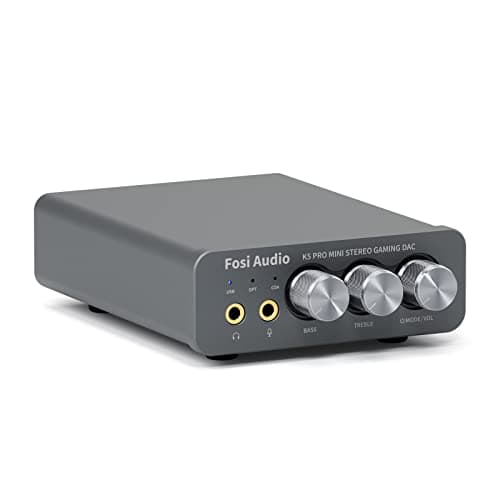
7 Best DACs for Headphones in 2026 — Cleaner Sound, Better Power, and Easier Desktop Listening
If your headphones sound flat, quiet, or harsh from a laptop, controller, or motherboard jack, a good DAC can make a huge difference. The best DACs for headphones don’t just improve clarity — they also give you better volume control, stronger amplification, and the right inputs for PC, console, or m
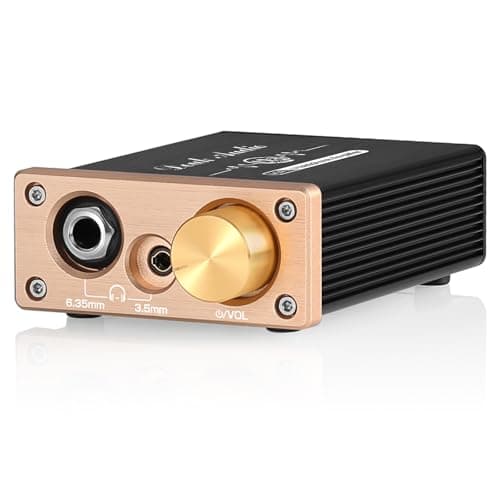
8 Best Headphone Amps in 2026 — Cleaner Sound, More Power, and Better Desktop Audio
If your headphones sound thin, quiet, or underpowered from a phone, laptop, or console, a good headphone amp can make an immediate difference. The best headphone amps 2026 picks below were chosen for their power, connectivity, portability, and real-world owner feedback across audiophile, gaming, des
What is Bluetooth 5.3 vs 5.4 explained? A Complete 2026 Guide
If you’re trying to understand Bluetooth 5.3 vs 5.4 explained , the confusing part is that both versions sound similar but can affect battery life, connection stability, and feature support in different ways. The good news is that the differences are easier to understand once you know what Bluetooth