

Who this is for: Best for beginners who want a simple, practical path to starting a productive vegetable garden.
Check PriceWhat is How to Start a Vegetable Garden? A Complete 2026 Guide
Learning how to start a vegetable garden can feel overwhelming when you’re staring at empty soil, seed packets, and a long list of “must-do” gardening advice. The good news is that a productive vegetable garden usually comes down to a few repeatable basics: good light, healthy soil, the right crops, and a simple plan you can follow. This guide explains the process in plain English and points you to the best beginner-friendly resources if you want a faster, more confident start.
Related Reviews
How It Works
A vegetable garden works by turning sunlight, water, air, and nutrients into edible growth. Plants use their leaves to capture sunlight, roots to absorb water and minerals, and soil organisms to help break down organic matter into forms vegetables can use. When those parts are balanced, plants grow faster, resist stress better, and produce more food.
For beginners, the “technology” of gardening is really a system of decisions: choosing a sunny site, improving the soil, planting crops that fit your climate, and maintaining moisture consistently. You do not need a huge yard or expensive equipment to begin. Many successful gardens start with a few containers, a small raised bed, or a simple in-ground plot that is easy to reach and maintain.
The most important idea is that vegetable gardening is cyclical. You prepare the bed, plant seeds or transplants, water and weed regularly, harvest at the right time, and then replant or rotate crops for the next season. Once you understand that rhythm, the process becomes much easier to repeat.
Key Benefits & Use Cases
Why people start vegetable gardens
- Fresh, flavorful produce picked at peak ripeness
- Lower grocery costs over time, especially for high-use crops
- Better control over soil quality and growing methods
- A practical hobby that builds confidence and outdoor time
- More flexibility for families, apartment dwellers, and small yards
Common use cases
People search for how to start a vegetable garden for many reasons. Some want a family food project, while others want to grow lettuce, tomatoes, herbs, or peppers in a small patio space. Beginners often need a simple roadmap, while more motivated gardeners may want guidance on no-dig beds, companion planting, or starting from seed.
What to Look For When Buying
If you’re buying a beginner gardening book or guide, these five criteria matter most:
1. Beginner-friendly instructions
Look for clear, step-by-step guidance that avoids jargon. A good guide should explain bed prep, planting, watering, and harvesting in a way that feels manageable for first-time gardeners.
2. Space-specific advice
Not every gardener has a big backyard. If you have a balcony, patio, or small yard, a resource that covers containers, raised beds, or compact layouts can be much more useful.
3. Seed-starting clarity
If you want to grow from seed, choose a guide that explains germination, timing, thinning, and transplanting. Seed starting is often where beginners get stuck, so clear instruction here is a major plus.
4. Practical pest and soil management
Good beginner resources should address soil health, pests, and disease prevention without making the process feel complicated. The best advice helps you prevent problems before they start.
5. Seasonal and long-term planning
Vegetable gardening is easier when you understand succession planting, crop rotation, and how to extend the season. Resources that help you think beyond one planting cycle are usually more valuable.
Top Recommended Products
Below are the best beginner-focused books from the provided list if you want a structured, research-based way to learn how to start a vegetable garden.
The Year-Round Vegetable Garden for Beginners ✓ Prime $16.95
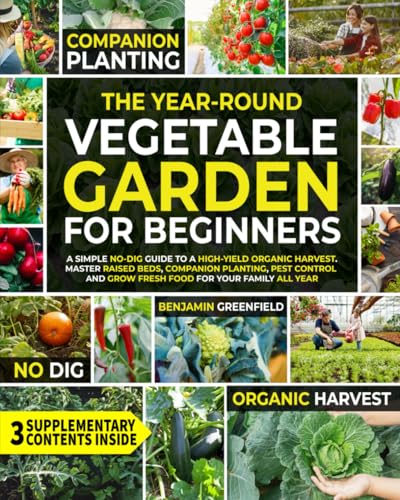

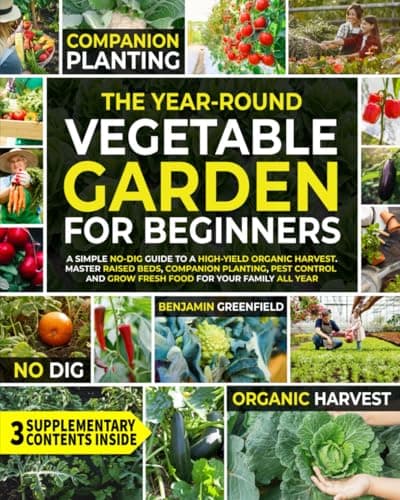
This is a strong all-around pick for beginners who want a simple framework for a productive garden across multiple seasons. Its focus on no-dig methods, raised beds, companion planting, and pest control makes it especially useful if you want a more organized approach rather than scattered tips.
- ✓ Covers no-dig gardening for easier soil management
- ✓ Includes raised beds, companion planting, and pest control
- ✓ Designed for beginner-friendly year-round planning
- ✓ Good fit for gardeners who want a high-yield organic approach
- ✗ More comprehensive than a quick-start pocket guide
- ✗ May feel broad if you only need seed-starting basics
How to Start a Vegetable Garden for Small Spaces ✓ Prime $14.79
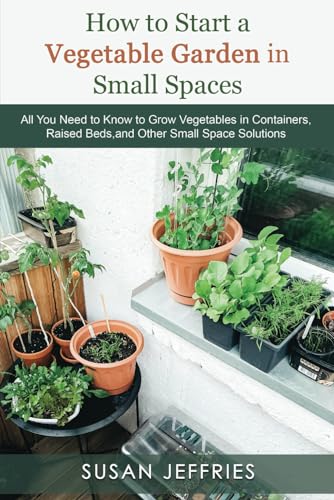

This book is the best fit for readers who do not have a traditional backyard. It focuses on containers, raised beds, and other space-saving solutions, which makes it especially relevant for apartment gardeners and small-lot homeowners.
- ✓ Tailored to containers, raised beds, and compact spaces
- ✓ Helpful for urban gardeners and patio setups
- ✓ Beginner-friendly focus on practical space solutions
- ✓ Good choice if you want to grow vegetables in limited areas
- ✗ Less ideal if you have a larger in-ground garden and want broader coverage
- ✗ Not as focused on seed-starting as a dedicated propagation guide
Starting Seeds ✓ Prime 10% OFF — Was $8.99 $8.13
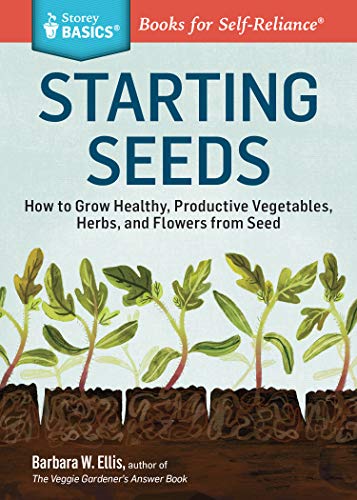
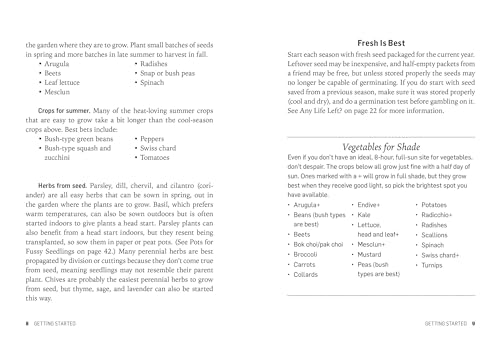

If your main challenge is getting seeds to sprout and grow into healthy seedlings, this is the most focused option in the list. It is a strong low-cost pick for gardeners who want to understand germination, seedling care, and the early stages of vegetable production.
- ✓ Dedicated to seed-starting fundamentals
- ✓ Covers vegetables, herbs, and flowers from seed
- ✓ Budget-friendly and beginner accessible
- ✓ Useful for gardeners who want to start plants indoors
- ✗ Narrower scope than broader garden-planning books
- ✗ Less useful if you only plan to buy transplants
Common Mistakes to Avoid
Starting too big
One of the most common beginner mistakes is planting more than you can water, weed, and harvest. A small, well-managed garden usually produces better results than a large neglected one.
Ignoring sunlight
Most vegetables need several hours of direct sun each day. If your chosen spot is too shady, plants may grow slowly and produce less.
Poor soil preparation
Vegetables depend on healthy soil structure and nutrients. Skipping soil improvement can lead to weak plants, poor drainage, and disappointing harvests.
Watering inconsistently
Irregular watering can stress plants and cause problems like blossom-end rot or bitter greens. A steady watering routine is usually better than occasional deep neglect.
Choosing crops that are too advanced
Some vegetables are much easier for beginners than others. Starting with a few reliable crops can build confidence before you try more demanding plants.
Frequently Asked Questions
What is the easiest way to start a vegetable garden?
The easiest way is to begin small with a sunny spot, good soil, and a few beginner-friendly crops like lettuce, beans, or herbs. Keep the setup simple so you can learn the basics without getting overwhelmed.
Do I need raised beds to start a vegetable garden?
No, raised beds are helpful but not required. You can also grow vegetables in containers or directly in the ground as long as the site has enough sun and workable soil.
Should I start vegetables from seed or buy transplants?
Beginners often have an easier time with transplants because they skip the germination stage. Seeds can be more economical and rewarding, but they take more patience and timing.
How much sun does a vegetable garden need?
Most vegetables do best with full sun, which usually means at least 6 hours of direct light per day. Leafy greens can tolerate a little less, but fruiting crops generally need more sun.
What should I plant first as a beginner?
Start with easy, fast-growing crops that match your climate and season. Lettuce, radishes, beans, and many herbs are common beginner choices because they are relatively forgiving.
Pros
- + Beginner-friendly guidance
- + Covers small spaces and raised beds
- + Seed-starting focused option available
- + Budget-friendly choices
- + Year-round planning support
Cons
- – Some guides are broader than a quick-start read
- – Small-space book is less useful for large yards
- – Seed-starting book is narrower in scope
Frequently asked questions
- What is the easiest way to start a vegetable garden?
- The easiest way is to begin small with a sunny spot, good soil, and a few beginner-friendly crops like lettuce, beans, or herbs. Keep the setup simple so you can learn the basics without getting overwhelmed.
- Do I need raised beds to start a vegetable garden?
- No, raised beds are helpful but not required. You can also grow vegetables in containers or directly in the ground as long as the site has enough sun and workable soil.
- Should I start vegetables from seed or buy transplants?
- Beginners often have an easier time with transplants because they skip the germination stage. Seeds can be more economical and rewarding, but they take more patience and timing.
- How much sun does a vegetable garden need?
- Most vegetables do best with full sun, which usually means at least 6 hours of direct light per day. Leafy greens can tolerate a little less, but fruiting crops generally need more sun.
- What should I plant first as a beginner?
- Start with easy, fast-growing crops that match your climate and season. Lettuce, radishes, beans, and many herbs are common beginner choices because they are relatively forgiving.
Get the Full Outdoor Buyer's Guide
Join our free newsletter — we'll send our latest Outdoor picks, specs and verdicts straight to your inbox.
Free. No spam. Unsubscribe anytime.
Was this review helpful?
Be the first to share your feedback on this review.
Sign in to vote and let us know what you think.
Discussion (0)
No comments yet. Be the first to start the discussion.
Related Reviews

8 Best Garden Hose Nozzles in 2026 — Tough, Leak-Resistant Picks for Easier Watering
If you’re tired of leaky hose sprayers, hand fatigue, and weak spray patterns, you’re in the right place. The best garden hose nozzles should make watering plants, washing cars, and rinsing patios easier without costing much or falling apart fast. This research-based roundup compares popular Amazon
5 Best Leaf Rakes in 2026 — Top Picks for Faster, Easier Yard Cleanup
If you’re tired of flimsy rakes that bend, dig into the lawn, or leave you sore after a short cleanup session, this guide is for you. The best leaf rakes 2026 shoppers want usually balance reach, tine strength, comfort, and easy storage. Below, we’ve narrowed the field to five research-backed picks
What is How to Winterize Garden and Lawn? A Complete 2026 Guide
If you’re trying to figure out how to winterize garden and lawn , the big challenge is knowing what to do before the first freeze hits. Skip the prep, and you can end up with dead grass, damaged sprinkler lines, and a garden that struggles to bounce back in spring. This guide explains the process in