

What is How to Set Up a Turntable? A Complete 2026 Guide
If you’re trying to figure out how to set up a turntable, the process can feel confusing at first: too many cables, too many settings, and one wrong move can lead to weak sound or even record wear. The good news is that a proper setup is straightforward once you understand the parts and the order of operations. This guide explains the basics in plain English so you can connect, calibrate, and start listening with confidence.
Related Reviews
A turntable setup is the process of assembling the player, connecting it to the right audio gear, and adjusting a few key settings so your records play accurately and safely. That usually includes placing the turntable on a stable surface, balancing the tonearm, setting tracking force and anti-skate, and choosing the correct output path for your speakers or amplifier. Done right, it helps your records sound cleaner, your stylus last longer, and your listening experience feel much more enjoyable.
How It Works
A turntable works by spinning a vinyl record at a steady speed while a stylus, also called a needle, traces the tiny grooves cut into the record’s surface. Those grooves contain physical variations that represent sound, and the stylus vibrates as it follows them. The cartridge converts those vibrations into an electrical signal, which is then sent to speakers through a phono preamp, amplifier, receiver, or powered speakers.
When you’re learning how to set up a turntable, the goal is to make sure each part of that chain is working correctly. The platter must spin at the right speed, the tonearm must be balanced so the stylus sits in the groove with the proper pressure, and the audio signal must be routed through the correct input. If any of those steps are off, you may hear distortion, hum, low volume, or uneven playback.
There are also a few setup differences depending on the type of turntable. Some models include a built-in phono preamp, which makes them easier to connect directly to powered speakers or an auxiliary input. Others require an external phono stage, which boosts the very small signal from the cartridge before it reaches your amplifier. Understanding which type you have is one of the most important parts of a smooth setup.
Key Benefits & Use Cases
Better sound quality
A properly set up turntable can reduce distortion, improve channel balance, and help records sound clearer and more detailed. Correct alignment and tracking force allow the stylus to follow the groove more accurately.
Less record and stylus wear
When the tonearm is balanced and the tracking force is set correctly, the stylus is less likely to dig too hard into the vinyl. That helps protect both your records and your needle over time.
Easy home listening
Once everything is connected correctly, a turntable becomes a simple way to enjoy music at home. It’s ideal for casual listening, album collecting, and creating a more intentional listening setup.
Great for beginners building a vinyl system
If you’re just getting into records, learning how to set up a turntable is one of the most useful first steps. It helps you understand the relationship between the player, amplifier, speakers, and preamp.
Useful for upgrading an existing audio setup
Many people add a turntable to an existing stereo or powered speaker system. A good setup lets you integrate vinyl without replacing your entire audio system.
What to Look For When Buying
If you’re buying a turntable and want setup to be as easy as possible, focus on these five criteria:
1. Built-in phono preamp
A built-in preamp makes setup much easier because you can connect the turntable directly to powered speakers or an aux input in many cases. If you already have a receiver with a phono input, this feature is optional, but it can still add flexibility.
2. Adjustable tonearm and tracking force
Look for a model that lets you balance the tonearm and set tracking force manually. This gives you better control over playback and helps prevent excessive record wear.
3. Anti-skate adjustment
Anti-skate helps keep the stylus centered in the groove so it doesn’t pull too hard to one side. It’s a small feature, but it can make a noticeable difference in tracking performance.
4. Speed options and stability
Most records play at 33 1/3 and 45 RPM, so the turntable should handle both speeds reliably. Stable speed matters because wobble or drift can affect pitch and overall sound quality.
5. Connectivity and compatibility
Before buying, check whether the turntable works with your speakers, amplifier, or receiver. The right outputs—such as RCA, USB, or switchable phono/line output—can make setup much simpler and prevent compatibility problems.
Common Mistakes to Avoid
Even a good turntable can sound disappointing if it’s set up incorrectly. These are the most common mistakes beginners make when learning how to set up a turntable:
- Placing the turntable on an unstable surface: Vibrations from footsteps, furniture, or nearby speakers can affect playback and cause skipping.
- Skipping tonearm balancing: If the arm isn’t balanced before setting tracking force, the stylus may press too lightly or too heavily on the record.
- Using the wrong input: Connecting a turntable to a line input when it needs a phono input—or vice versa—can lead to thin sound or major volume issues.
- Ignoring anti-skate: Leaving anti-skate unset can cause uneven wear and less accurate tracking.
- Forgetting to remove transport locks or packaging: Some turntables ship with parts secured for shipping, and leaving those in place can interfere with playback.
- Not checking cartridge alignment: A misaligned cartridge can increase distortion and reduce groove accuracy.
Taking a few extra minutes to verify each step can save you from frustrating sound problems later.
Frequently Asked Questions
How do I set up a turntable for the first time?
Start by placing it on a stable surface, assembling the platter and belt if needed, connecting the cables, and checking whether you need a phono preamp. Then balance the tonearm, set tracking force and anti-skate, and test playback with a record you don’t mind using first.
Do I need a receiver to use a turntable?
Not always. If your turntable has a built-in preamp and you have powered speakers, you can often connect it directly. If the turntable does not have a preamp, you’ll need a phono input on a receiver or an external phono preamp.
Why is my turntable so quiet?
Quiet playback usually means the signal is going through the wrong input or the phono preamp is missing. Check whether the turntable is set to phono or line mode, and make sure your amplifier or speakers are compatible with that output.
How much tracking force should I use?
Use the tracking force recommended by the cartridge manufacturer. Too little force can cause skipping and poor tracking, while too much can wear out records faster and affect sound quality.
What is the most important part of how to set up a turntable?
The most important part is getting the tonearm and audio connection right. If the stylus pressure, cartridge alignment, and preamp routing are correct, the turntable is much more likely to sound balanced and play records safely.
Get the Full Tech Buyer's Guide
Join our free newsletter — we'll send our latest Tech picks, specs and verdicts straight to your inbox.
Free. No spam. Unsubscribe anytime.
Was this review helpful?
Be the first to share your feedback on this review.
Sign in to vote and let us know what you think.
Discussion (0)
No comments yet. Be the first to start the discussion.
Related Reviews
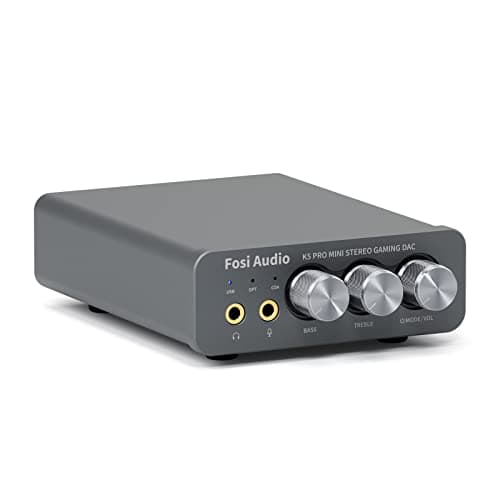
7 Best DACs for Headphones in 2026 — Cleaner Sound, Better Power, and Easier Desktop Listening
If your headphones sound flat, quiet, or harsh from a laptop, controller, or motherboard jack, a good DAC can make a huge difference. The best DACs for headphones don’t just improve clarity — they also give you better volume control, stronger amplification, and the right inputs for PC, console, or m
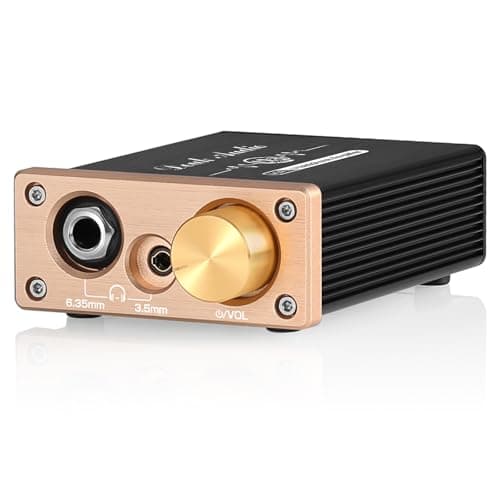
8 Best Headphone Amps in 2026 — Cleaner Sound, More Power, and Better Desktop Audio
If your headphones sound thin, quiet, or underpowered from a phone, laptop, or console, a good headphone amp can make an immediate difference. The best headphone amps 2026 picks below were chosen for their power, connectivity, portability, and real-world owner feedback across audiophile, gaming, des

What is Bluetooth 5.3 vs 5.4 explained? A Complete 2026 Guide
If you’re trying to understand Bluetooth 5.3 vs 5.4 explained , the confusing part is that both versions sound similar but can affect battery life, connection stability, and feature support in different ways. The good news is that the differences are easier to understand once you know what Bluetooth