

What is How to Lower Indoor Humidity? A Complete 2026 Guide
Learning how to lower indoor humidity is important when your home feels sticky, windows fog up, or musty odors keep coming back. High indoor moisture can also encourage mold growth, damage wood, and make your space feel warmer than it really is. This guide explains what causes humidity problems, how moisture is removed, and what to look for if you want a drier, healthier home.
Related Reviews
How It Works
Indoor humidity is the amount of water vapor in the air, and it rises when everyday activities add moisture faster than your home can vent it out. Cooking, showering, drying clothes indoors, leaks, poor ventilation, and humid weather can all push humidity levels up. The goal of lowering indoor humidity is to reduce moisture at the source, remove excess damp air, and keep fresh air moving through the home.
In simple terms, there are three main ways this happens. First, you can reduce the amount of moisture entering the air by covering pots, fixing leaks, and limiting indoor drying. Second, you can remove moisture with tools like dehumidifiers or HVAC systems that pull water from the air. Third, you can improve airflow with exhaust fans, open windows when outdoor conditions are drier, and use ventilation to prevent damp pockets from forming in bathrooms, basements, and kitchens.
Most homes do best when relative humidity stays in a moderate range, often around 30% to 50%. If it climbs too high for too long, the air can feel heavy and surfaces can stay damp, which creates ideal conditions for mold and dust mites. If it drops too low, the air can become uncomfortable and dry, so the best approach is usually control, not over-drying.
Key Benefits & Use Cases
Knowing how to lower indoor humidity can make a home more comfortable and protect it from long-term damage. It is especially useful in rooms that naturally collect moisture, such as bathrooms, laundry areas, kitchens, basements, and crawl spaces. It also matters in climates with hot, humid summers or in homes with older insulation and ventilation systems.
Key benefits
- Helps reduce mold and mildew risk by keeping surfaces drier.
- Improves comfort by making the air feel less sticky and heavy.
- Can reduce musty odors caused by trapped moisture.
- Helps protect wood furniture, flooring, and drywall from moisture-related damage.
- May improve indoor air quality by discouraging dust mites and damp-related allergens.
Common use cases
- Bathrooms after showers, especially if condensation lingers on mirrors or walls.
- Basements that feel cool, damp, or smell musty.
- Kitchens where boiling, simmering, and dishwashing add moisture.
- Laundry rooms where clothes are dried indoors.
- Bedrooms or living areas in humid climates where windows fog or bedding feels damp.
What to Look For When Buying
If you are buying a solution to help lower indoor humidity, focus on the features that match your room size, moisture level, and daily routine. The right choice depends on whether you need a simple ventilation upgrade, a portable moisture remover, or a whole-home approach. Here are five criteria that matter most.
1. Moisture removal capacity
For dehumidifiers, check how much moisture the unit can remove in a day. A larger capacity is usually better for basements, humid climates, or areas with frequent dampness. For ventilation products, look at airflow ratings and whether they can move enough air for the room size.
2. Room size coverage
Make sure the solution is designed for the space you want to treat. A small bathroom fan will not solve a damp basement problem, and an undersized dehumidifier may run constantly without helping much. Matching the product to the square footage is one of the most important steps.
3. Drainage or maintenance needs
Some products collect water in a tank, while others allow continuous drainage. If you want less upkeep, a drain hose or automatic drainage option can be helpful. Also consider how often filters need cleaning, since clogged filters can reduce performance.
4. Noise level
Noise matters if the unit will run in a bedroom, office, or living area. Quieter models are often more comfortable for daily use, especially if you plan to run them overnight. Check decibel ratings when available, and read owner feedback for real-world noise impressions.
5. Energy efficiency and controls
Because humidity control can run for long periods, energy use is worth considering. Look for models with auto shutoff, humidistats, timer settings, or smart controls that prevent unnecessary operation. Easy-to-read controls and clear humidity displays also make it simpler to maintain a healthy range.
Common Mistakes to Avoid
When people try to lower indoor humidity, the biggest mistakes usually come from treating the symptoms instead of the cause. A dehumidifier can help, but it will not fix a leak, poor ventilation, or constant moisture production from daily habits. Avoid these common errors to get better results.
- Ignoring the source of moisture. If a leak, poor sealing, or ventilation issue is still present, humidity problems will keep returning.
- Using the wrong-sized solution. A device that is too small may never keep up, while one that is too large may be unnecessary for the space.
- Overlooking ventilation. Bathrooms and kitchens often need exhaust fans or airflow, not just moisture removal.
- Drying clothes indoors without control. This can add a large amount of moisture to the air very quickly.
- Setting humidity too low. Over-drying can make the air uncomfortable and may create other indoor comfort issues.
Frequently Asked Questions
What is the fastest way to lower indoor humidity?
The fastest approach is usually to combine ventilation with a dehumidifier. Running exhaust fans, reducing moisture sources, and improving airflow can lower humidity more quickly than relying on one method alone.
What indoor humidity level is best?
Many homes are most comfortable when relative humidity stays around 30% to 50%. That range helps reduce dampness without making the air too dry.
Does air conditioning lower indoor humidity?
Yes, air conditioning can lower humidity because it removes moisture as it cools the air. It works best when the system is properly sized and run long enough to cycle moisture out of the air.
How can I lower humidity in a bathroom?
Use the exhaust fan during and after showers, keep the door open when appropriate, and wipe down wet surfaces. If the bathroom stays damp, check for poor ventilation or hidden leaks.
Why is my house humid even with windows open?
If outdoor air is humid, opening windows can bring more moisture inside instead of less. In that case, mechanical ventilation, air conditioning, or a dehumidifier may work better than fresh air alone.
Get the Full Home Buyer's Guide
Join our free newsletter — we'll send our latest Home picks, specs and verdicts straight to your inbox.
Free. No spam. Unsubscribe anytime.
Was this review helpful?
Be the first to share your feedback on this review.
Sign in to vote and let us know what you think.
Discussion (0)
No comments yet. Be the first to start the discussion.
Related Reviews
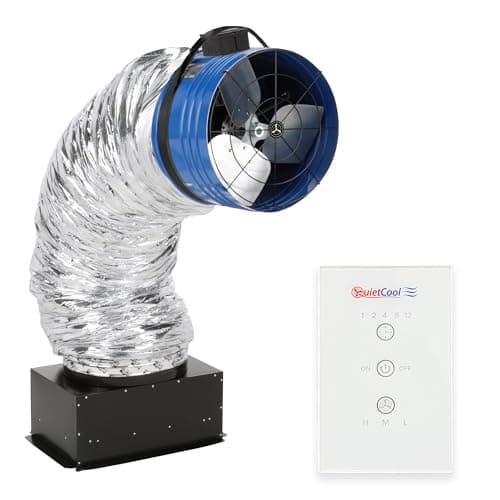
8 Best Whole House Fans in 2026 — Cooler Homes, Lower Energy Bills
If your upstairs feels stuffy at night, your AC runs nonstop, or you want a cheaper way to cool the house, the best whole house fans can make a big difference. This roundup focuses on models that combine strong airflow, practical controls, and energy-saving designs for different home sizes. We compa
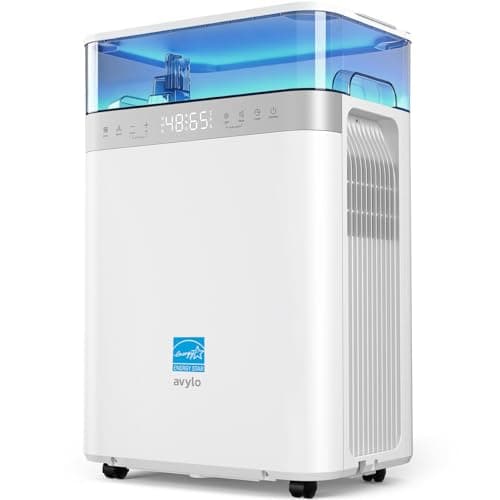
8 Best Dehumidifier with Pump in 2026 — Continuous Drainage for Basements, Bedrooms, and Large Spaces
If you’re tired of emptying a water bucket every day, the best dehumidifier with pump can solve that problem with true continuous drainage. This roundup focuses on models that combine pump-assisted water removal, strong moisture capacity, and reliable humidity control for basements, bedrooms, garage
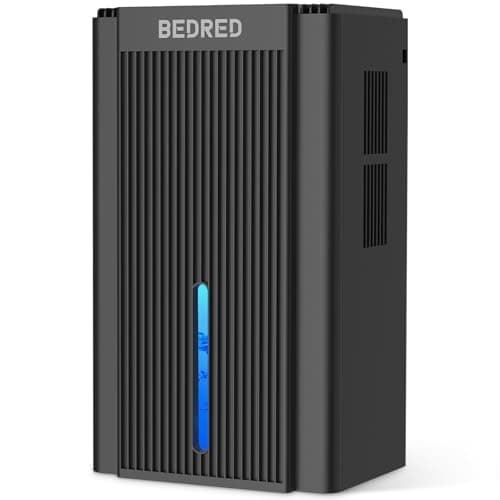
8 Best Dehumidifiers for Bathrooms in 2026 — Quiet, Compact Picks That Help Tame Steam Fast
If your bathroom stays damp after every shower, you’re probably dealing with foggy mirrors, musty odors, and the kind of lingering moisture that can encourage mildew. The best dehumidifiers for bathrooms are compact, quiet, and designed to handle enclosed spaces without becoming a nuisance. In this