

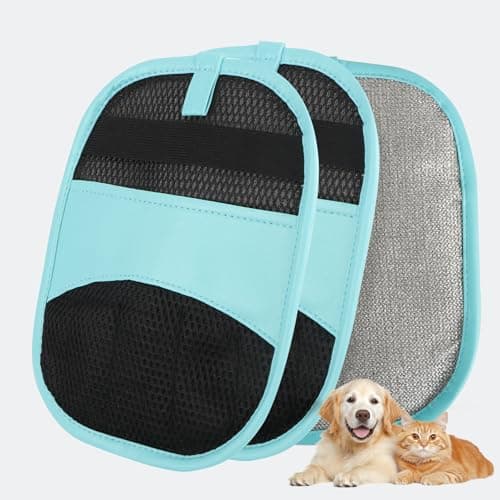
What is How to Clean Upholstered Furniture? A Complete 2026 Guide
If you’ve been wondering how to clean upholstered furniture without ruining the fabric, you’re not alone. Spills, pet hair, odors, and everyday grime can make sofas and chairs look older than they are, and the wrong cleaning method can leave water marks, faded spots, or damaged fibers. This guide explains the safest, most effective way to clean upholstery, what to use, and which tools are worth buying for faster results.
Related Reviews
How It Works
Cleaning upholstered furniture works by combining three basic actions: removing loose debris, lifting embedded dirt, and treating stains or odors without saturating the fabric. Upholstery fibers can trap dust, hair, skin oils, and food particles deep in the weave, so surface wiping alone usually isn’t enough.
The process starts with dry cleaning methods like vacuuming or hair removal tools, which pull away particles before they get ground deeper into the fabric. Then, spot cleaning uses a small amount of cleaner, water, or fabric-safe solution to break down stains while minimizing moisture. Finally, controlled drying helps prevent water rings, mildew, and lingering smells.
Different fabrics respond differently. Delicate materials like velvet or microfiber need gentler treatment, while sturdier woven fabrics can usually handle a little more agitation and moisture as long as you follow the care label.
Key Benefits & Use Cases
Knowing how to clean upholstered furniture properly helps you protect the look, feel, and lifespan of your pieces. It also makes your home more comfortable and hygienic, especially if you have pets, kids, or frequent guests.
Key Benefits
- Removes dust, pet hair, crumbs, and surface grime before they settle deeper into the fabric.
- Helps reduce odors caused by spills, body oils, and pet dander.
- Improves the appearance of sofas, chairs, ottomans, and car upholstery.
- Can extend the life of furniture by reducing wear from embedded debris.
- Makes routine maintenance easier and less expensive than professional deep cleaning.
Common Use Cases
- Weekly upkeep for family sofas and armchairs.
- Pet hair removal from couches, cushions, and car seats.
- Spot cleaning food and drink spills before they set.
- Refreshing guest-room furniture before visitors arrive.
- Maintaining rental properties, offices, and waiting areas.
What to Look For When Buying
If you’re buying tools to help with how to clean upholstered furniture, focus on products that match your fabric type, cleaning goals, and budget. Here are five important criteria to compare.
1. Fabric Safety
Choose tools and cleaners that are safe for upholstery, especially if you have velvet, microfiber, wool blends, or delicate woven materials. Non-abrasive materials are best when you want to avoid snags or texture damage.
2. Reusability
Reusable tools are often more economical than disposable options. Washable gloves, cloths, and pads can save money over time and reduce waste.
3. Ease of Use
The best upholstery-cleaning products should be simple enough for routine use. If a tool requires too many steps, you’re less likely to use it consistently.
4. Hair and Lint Removal Performance
If pets are part of the equation, look for products that lift hair efficiently without leaving sticky residue behind. Static-based tools can be especially useful for fabric surfaces.
5. Value for Money
Compare price, durability, and how often you’ll use the product. A low-cost tool that works well on sofas, car seats, and pet bedding can be a better investment than a specialized one-use item.
Top Recommended Products
GASRONS 2Pcs Pet Hair Removal Gloves 4.5★ ✓ Prime
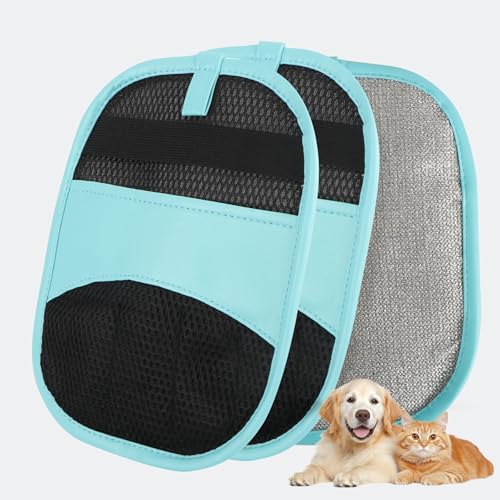


If your main challenge is pet hair on upholstery, this reusable electrostatic mitt is a simple and affordable option. It is designed to lift hair, lint, and dander from couches, cushions, car seats, and other fabric surfaces without sticky sheets or residue.
- ✓ Rub back and forth to create static, then gather hair into the glove
- ✓ Reusable and washable for lower long-term cost
- ✓ Safe for furniture, couches, carpets, clothing, and car upholstery
- ✓ No sticky rollers or disposable sheets
- ✓ 2-pack gives you a spare for longer cleaning sessions
- ✗ Works best with the correct back-and-forth motion, not a single swipe
- ✗ Not a deep-cleaning solution for stains or odors
GASRONS 2Pcs Pet Hair Removal Gloves 4.5★ ✓ Prime
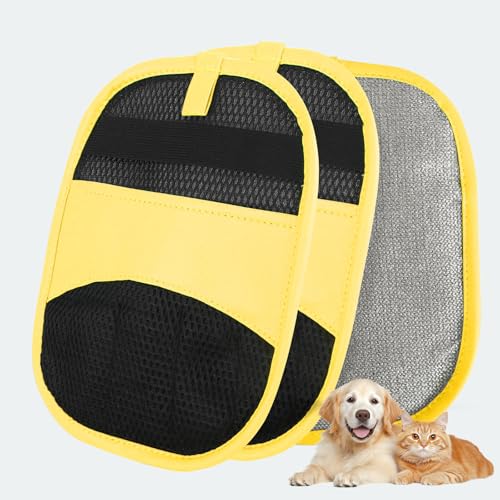


This version offers the same practical upholstery-cleaning benefits, making it useful if you want a second buying option with the same reusable design. It is especially handy for households that need frequent pet hair cleanup on soft furnishings.
- ✓ Electrostatic action helps lift embedded hair and lint
- ✓ Washable and reusable for repeated use
- ✓ Gentle enough for delicate upholstery fabrics
- ✓ Works on sofas, curtains, pet beds, and clothing
- ✓ Good value for routine cleaning tasks
- ✗ Not intended for stain removal by itself
- ✗ Requires proper technique to perform at its best
Common Mistakes to Avoid
Even if you know the basics of how to clean upholstered furniture, a few common mistakes can still cause damage or poor results.
- Using too much water: Over-wetting upholstery can lead to water rings, slow drying, and mildew.
- Skipping the care label: Fabric codes matter, and the wrong cleaner can discolor or weaken the material.
- Rubbing stains aggressively: Hard scrubbing can spread the stain and damage fibers.
- Cleaning without vacuuming first: Loose dirt can turn into muddy residue once it gets wet.
- Ignoring drying time: Furniture should dry fully before use to prevent musty smells and re-soiling.
Frequently Asked Questions
1. What is the best way to clean upholstered furniture?
The best method is to vacuum first, treat stains with a fabric-safe cleaner, and use minimal moisture. Always check the care label before applying any solution.
2. Can I use water to clean upholstered furniture?
Yes, but only in small amounts and only if the fabric care code allows it. Too much water can leave marks or cause mildew.
3. How do I remove pet hair from upholstery?
Use a vacuum or a reusable electrostatic tool like the GASRONS 2Pcs Pet Hair Removal Gloves to lift hair from the fabric surface. Back-and-forth motion helps generate static and improve pickup.
4. How often should upholstered furniture be cleaned?
Light cleaning should be done weekly, with spot cleaning as needed. Deep cleaning depends on use, pets, and traffic, but every few months is common for busy homes.
5. What should I avoid when cleaning upholstery?
Avoid soaking the fabric, using harsh chemicals, scrubbing too hard, and skipping the drying step. Those mistakes can damage the furniture or make stains worse.
Pros
- + Rub back and forth to create static, then gather hair into the glove
- + Reusable and washable for lower long-term cost
- + Safe for furniture, couches, carpets, clothing, and car upholstery
- + No sticky rollers or disposable sheets
- + 2-pack gives you a spare for longer cleaning sessions
- + Electrostatic action helps lift embedded hair and lint
- + Washable and reusable for repeated use
- + Gentle enough for delicate upholstery fabrics
Cons
- – Works best with the correct back-and-forth motion, not a single swipe
- – Not a deep-cleaning solution for stains or odors
- – Not intended for stain removal by itself
- – Requires proper technique to perform at its best
Frequently asked questions
- 1. What is the best way to clean upholstered furniture?
- The best method is to vacuum first, treat stains with a fabric-safe cleaner, and use minimal moisture. Always check the care label before applying any solution. 2. Can I use water to clean upholstered furniture?
- 2. Can I use water to clean upholstered furniture?
- Yes, but only in small amounts and only if the fabric care code allows it. Too much water can leave marks or cause mildew. 3. How do I remove pet hair from upholstery?
- 3. How do I remove pet hair from upholstery?
- Use a vacuum or a reusable electrostatic tool like the GASRONS 2Pcs Pet Hair Removal Gloves to lift hair from the fabric surface. Back-and-forth motion helps generate static and improve pickup. 4. How often should upholstered furniture be cleaned?
- 4. How often should upholstered furniture be cleaned?
- Light cleaning should be done weekly, with spot cleaning as needed. Deep cleaning depends on use, pets, and traffic, but every few months is common for busy homes. 5. What should I avoid when cleaning upholstery?
- 5. What should I avoid when cleaning upholstery?
- Avoid soaking the fabric, using harsh chemicals, scrubbing too hard, and skipping the drying step. Those mistakes can damage the furniture or make stains worse.
Get the Full Home Buyer's Guide
Join our free newsletter — we'll send our latest Home picks, specs and verdicts straight to your inbox.
Free. No spam. Unsubscribe anytime.
Was this review helpful?
Be the first to share your feedback on this review.
Sign in to vote and let us know what you think.
Discussion (0)
No comments yet. Be the first to start the discussion.
Related Reviews
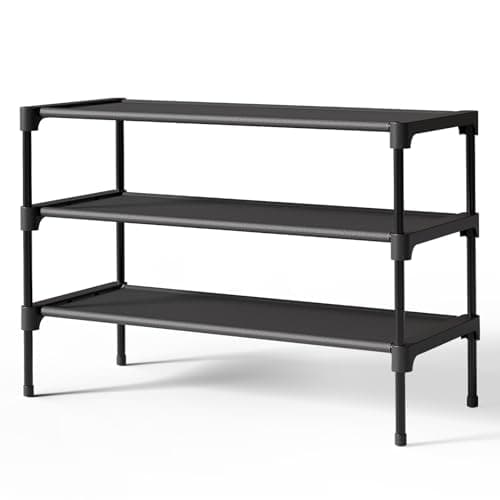
8 Best Shoe Racks in 2026 — Smart Storage Picks for Small Spaces, Big Families, and Entryway Clutter
If shoes are piling up by the door, taking over your closet, or making it hard to find the pair you actually want to wear, you’re in the right place. The best shoe racks 2026 shoppers want are the ones that match their space, shoe count, and budget without turning assembly into a weekend project. Th
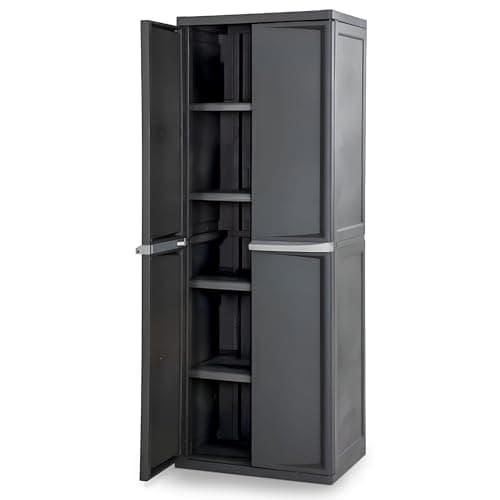
6 Best Storage Cabinets in 2026 — Smart Picks for Better Home and Garage Organization
If you’re searching for the best storage cabinets 2026 , you’re probably tired of clutter taking over your garage, pantry, laundry room, or office. The right cabinet should give you enough capacity, keep items secure, and fit your space without turning assembly into a weekend project. This research-
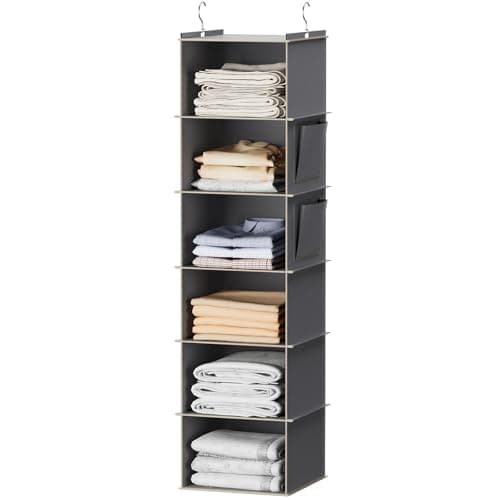
4 Best Closet Organizers in 2026 — Space-Saving Picks for Small Closets
If your closet feels crowded, messy, or impossible to keep organized, you’re not alone. The best closet organizers 2026 shoppers are looking for are the ones that make the most of limited space without turning setup into a weekend project. This research-based roundup focuses on affordable, high-valu