
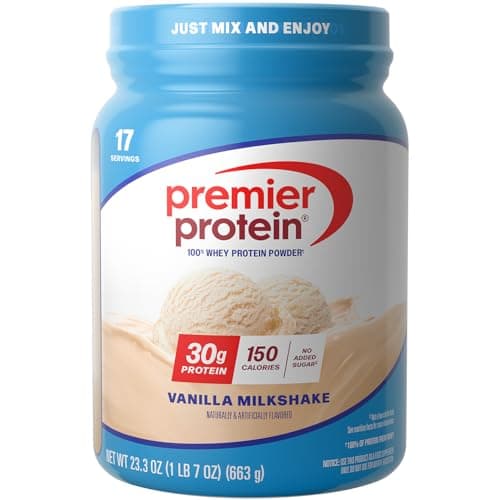
Who this is for: Best for shoppers who want to choose the right protein powder for their goals, digestion, and budget without getting misled by marketing.
How to Choose the Best Protein Powder in 2026: Complete Buying Guide
Choosing the right protein powder can feel confusing fast: whey, isolate, casein, plant-based, low-carb, high-protein, “clean” labels, and a dozen flavor claims all compete for your attention. The biggest mistake most buyers make is picking based on marketing first and protein type second, which often leads to a powder that doesn’t match their digestion, goals, or budget. This guide breaks down exactly how to choose the best protein powder in 2026 so you can compare options with confidence and avoid wasting money on the wrong tub.
Related Reviews
Key Features to Look For
1) Protein type: whey, isolate, or plant-based
This is the most important decision in any how to choose a protein powder guide. Whey protein is the most common all-purpose option, whey isolate is typically more filtered and lower in carbs/fat/lactose, and plant proteins are often the better fit for vegan diets or dairy sensitivity. If your goal is convenience and muscle support, whey is usually the simplest starting point; if you want a leaner macro profile, isolate can make more sense; if you avoid dairy, plant-based is the obvious route.
2) Protein per serving
Look for a powder that gives you enough protein to matter in one scoop. In general, 20 to 30 grams per serving is the sweet spot for most shoppers because it fits post-workout use, meal gaps, and daily protein targets without requiring multiple scoops. A lower-protein powder can still work, but you may need more servings to get the same benefit.
3) Ingredient simplicity
Shorter ingredient lists are often easier to understand and easier to fit into a routine. If you’re sensitive to sweeteners, fillers, gums, or added extras, a simpler formula may be the better choice. This matters because many people buy protein powder for a straightforward nutrition boost, not a long list of additives they don’t recognize.
4) Sugar, carbs, and calories
Your ideal macro profile depends on your goals. If you’re cutting calories or watching blood sugar, a lower-sugar, lower-carb powder may fit better. If you need something more filling or want a shake that feels like a snack, a slightly higher-calorie formula can be useful. The key is matching the powder to your diet instead of assuming “more protein” automatically means “better.”
5) Digestibility and allergen fit
Protein powder should help your routine, not upset your stomach. If you’re lactose sensitive, an isolate or plant protein may be easier to tolerate than a standard whey blend. If you avoid soy, gluten, or dairy, check labels carefully because these ingredients show up often. Digestibility is one of the most overlooked factors in buying decisions.
6) Taste and mixability
Even the best macro profile won’t help if you hate drinking it. Taste matters because most people use protein powder repeatedly, and mixability matters because clumps make the experience frustrating. If you plan to blend shakes, bake with the powder, or stir it into oats, choose a formula that owners consistently describe as easy to mix and versatile.
7) Third-party trust signals
Look for signs of quality control such as banned-substance testing, organic certification, or clearly stated manufacturing standards. This is especially important for athletes, frequent users, or anyone who wants more confidence in what they’re taking daily. Trust signals don’t guarantee perfection, but they do help separate polished marketing from more reliable products.
What to Avoid
1) “Proprietary blend” confusion
If a label hides exact amounts behind a blend, it becomes harder to compare products fairly. That’s a red flag when you’re trying to understand how much protein you’re actually getting and what else is in the scoop.
2) Too much sugar for your goal
Some powders taste great but bring along more sugar than you expect. If you’re using protein daily, those grams can add up quickly. A sweet flavor is fine; a sugar-heavy formula may not be the best fit if your goal is lean nutrition.
3) Overpaying for features you won’t use
Not every buyer needs the most advanced isolate, the trendiest plant blend, or the fanciest label. If you just want a reliable protein boost, paying extra for premium positioning may not improve your results.
4) Ignoring digestive issues
Many shoppers focus on protein grams and ignore how the powder will feel in real life. If dairy, lactose, sugar alcohols, or certain sweeteners bother you, the “best value” product can become a bad value very quickly.
5) Buying a huge tub before testing taste
Flavor preference is personal. If you’re new to protein powder, starting with a smaller size or trial tub can save you from being stuck with a flavor you don’t enjoy.
Our Top Picks
Best overall for most buyers: Optimum Nutrition Gold Standard 100% Whey Protein Powder, Vanilla Ice Cream, 0.68 Pound (Pack of 1)
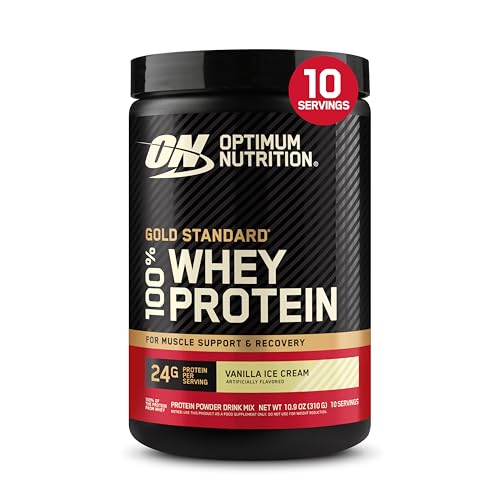

If you want a balanced, beginner-friendly whey powder, this is the easiest place to start. It combines a strong protein dose, a trial-size format, and a long-standing reputation that makes it appealing for first-time buyers and everyday users alike.
It’s especially useful if you want a dependable all-around protein for post-workout shakes, between-meal protein, or general daily intake without overthinking the formula.
- ✓ 24g of whey protein per scoop from isolate and concentrate
- ✓ 10-serving trial size is ideal for testing flavor and fit
- ✓ 5.5g naturally occurring BCAAs and 11g EAAs
- ✓ Banned-substance tested for added peace of mind
- ✓ Works as an anytime formula, not just post-workout
- ✗ Smaller pack size means less value per ounce than larger tubs
- ✗ Not the best choice if you need a dairy-free option
- ✗ Less specialized than isolate-only or plant-only formulas
✓ Prime 16% OFF — Was $19.99
Best for lean macros and low-carb diets: Isopure Zero Carb 100% Pure Whey Isolate Protein Powder, Gluten Free, with Vitamins, Unflavored, 25g Protein Per Serving, 1 Lb, 16 Servings (Packaging May Vary)
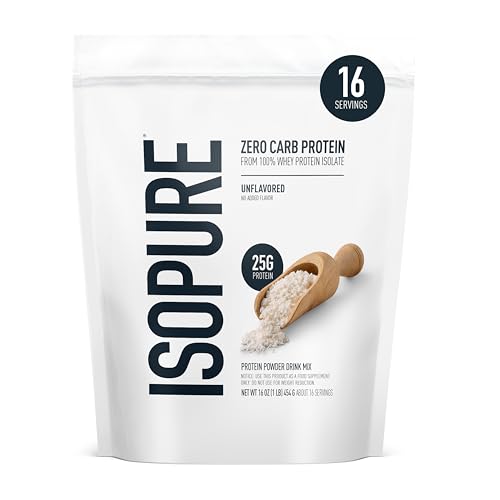

This is a strong pick if your priority is maximizing protein while keeping carbs out of the picture. The unflavored isolate format also makes it a flexible option for mixing into smoothies, recipes, or flavored drinks.
Choose this if you’re more focused on clean macro control than dessert-like taste.
- ✓ 25g of 100% whey protein isolate per serving
- ✓ Zero carb formula for tighter macro tracking
- ✓ Sugar-free and gluten free
- ✓ Unflavored, so it can blend into many recipes
- ✓ Includes vitamins and a keto-friendly positioning
- ✗ Unflavored powders may be less appealing if you want a shake that tastes like dessert
- ✗ Higher price per serving than many basic whey blends
- ✗ Smaller 16-serving bag may run out quickly for daily users
✓ Prime
Best plant-based option: Orgain Organic Vegan Protein Powder, Vanilla Bean - 21g Plant Protein, 6g Prebiotic Fiber, No Lactose Ingredients, No Added Sugar, Non-GMO, for Shakes & Smoothies, 2.03 lb (Packaging May Vary)
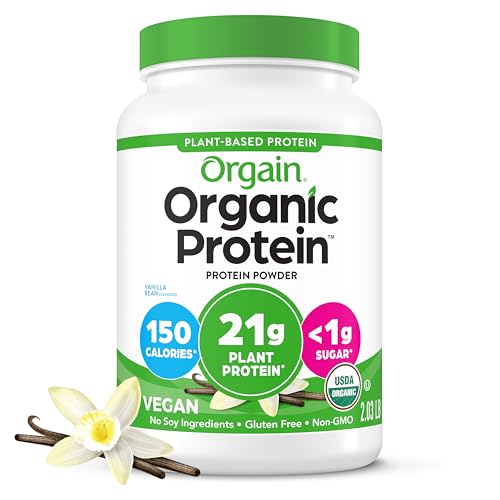

If you want a dairy-free powder with a more wellness-oriented ingredient profile, this is the best fit in the list. It uses a plant blend and adds fiber, which may appeal to people who want protein plus a little digestive support.
This is a smart choice for vegans, lactose-free shoppers, and anyone who prefers a more natural-leaning formula.
- ✓ 21g organic plant protein per serving
- ✓ 6g prebiotic fiber for added gut-support positioning
- ✓ Vegan, gluten-free, non-GMO, and made without soy ingredients
- ✓ No added sugar
- ✓ Versatile for shakes, smoothies, oats, and baking
- ✗ Plant proteins can feel less “clean” or smooth to some buyers than whey
- ✗ Lower protein per serving than the top whey options here
- ✗ Flavor and texture preferences are more subjective with plant powders
✓ Prime 11% OFF — Was $29.97
Best premium isolate for fast absorption: Dymatize ISO100 Whey Protein Powder Isolate, Gourmet Vanilla, 25g of Protein, 5.5g BCAAs, Less Than 120 Cal., Gluten Free, 1g Fat, 1g Sugar, 2g Carb (20 Servings)
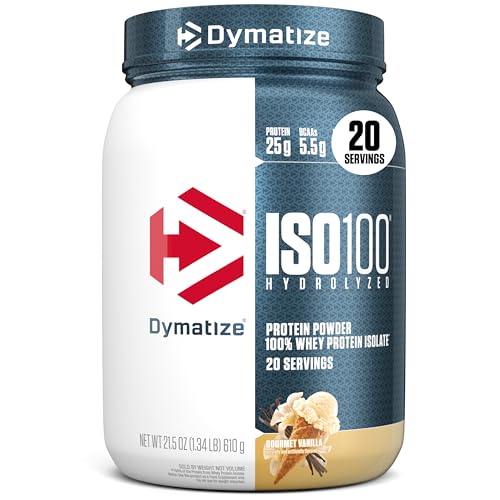

Pick this if you want a higher-end isolate that emphasizes rapid absorption and a lean macro profile. It’s a strong fit for serious lifters, frequent gym users, or buyers who want a more premium whey isolate experience.
Compared with standard whey blends, this option is more specialized and better suited to people who care about fast digestion and lower extras.
- ✓ 25g protein with 5g BCAAs
- ✓ Less than 120 calories, 1g fat, 1g sugar, 2g carbs
- ✓ Filtered to remove excess lactose, carbs, fat, and sugar
- ✓ Designed for rapid protein absorption
- ✓ Can be mixed into shakes, oats, pancakes, or waffles
- ✗ More expensive than basic whey options
- ✗ Premium positioning may be more than casual users need
- ✗ Not the best choice if you want a dairy-free powder
✓ Prime 14% OFF — Was $44.21
Budget Guide: What You Get at Each Price Point
Under $20
At this level, you’re usually looking at trial sizes or smaller containers. That often means fewer servings, but it’s a smart way to test flavor and mixability before committing to a larger tub. The best value here is usually about reducing risk, not maximizing cost per scoop.
$20 to $30
This is the sweet spot for many buyers. You can often find solid whey or plant-based options with respectable protein per serving, decent ingredient quality, and enough servings to make the purchase feel worthwhile. If you’re learning how to choose a protein powder, this price band is often the easiest place to start.
$30 to $40
In this range, you typically get more specialized formulas like whey isolate, lower-carb options, or powders with added quality signals. You’re paying more for purity, macro control, or brand trust rather than just raw protein content.
Over $40
Premium powders in this bracket usually justify the price with isolate-heavy formulas, advanced filtering, or stronger performance positioning. This can be worth it if you’re highly selective about macros, digestion, or absorption speed, but it’s not necessary for everyone.
Frequently Asked Questions
What is the best protein powder for beginners?
For most beginners, a standard whey protein is the easiest starting point because it offers a strong balance of protein, taste, and convenience. A trial-size product can also help you test whether you like the flavor before buying a full tub.
What’s the difference between whey and whey isolate?
Whey isolate is typically more filtered than regular whey, so it usually contains less lactose, fat, and carbs. Regular whey blends can be more budget-friendly, while isolate is often better for people who want a leaner macro profile or easier digestion.
Is plant protein as good as whey protein?
Plant protein can be a great choice, especially if you avoid dairy or want a vegan option. Whey is often favored for its complete amino acid profile and mixability, but a well-formulated plant blend can still be very effective for daily protein intake.
Should I choose protein powder based on my workout goal?
Yes. If you want a simple post-workout shake, whey is usually a strong fit. If you want lower carbs and faster digestion, isolate may be better. If you’re vegan or dairy-free, plant protein is the right category to focus on.
How do I know if a protein powder will taste good?
Look for owner feedback, trial sizes, and flavor descriptions that match your preferences. If you like sweeter shakes, vanilla or dessert-style flavors may work well. If you want flexibility for smoothies and recipes, unflavored powders can be easier to use.
Whether you want the best all-around whey, a lean isolate, or a plant-based option, the key is matching the powder to your digestion, macros, and routine instead of just chasing the highest protein number.
Pros
- + Explains whey vs isolate vs plant clearly
- + Highlights protein, sugar, and carb tradeoffs
- + Includes budget guidance by price range
- + Recommends products for different use cases
- + Uses research-based comparisons and owner feedback
Cons
- – Not hands-on tested
- – No casein product included in the product list
- – Flavor preferences remain subjective
Frequently asked questions
- What is the best protein powder for beginners?
- For most beginners, a standard whey protein is the easiest starting point because it offers a strong balance of protein, taste, and convenience. A trial-size product can also help you test whether you like the flavor before buying a full tub.
- What’s the difference between whey and whey isolate?
- Whey isolate is typically more filtered than regular whey, so it usually contains less lactose, fat, and carbs. Regular whey blends can be more budget-friendly, while isolate is often better for people who want a leaner macro profile or easier digestion.
- Is plant protein as good as whey protein?
- Plant protein can be a great choice, especially if you avoid dairy or want a vegan option. Whey is often favored for its complete amino acid profile and mixability, but a well-formulated plant blend can still be very effective for daily protein intake.
- Should I choose protein powder based on my workout goal?
- Yes. If you want a simple post-workout shake, whey is usually a strong fit. If you want lower carbs and faster digestion, isolate may be better. If you’re vegan or dairy-free, plant protein is the right category to focus on.
- How do I know if a protein powder will taste good?
- Look for owner feedback, trial sizes, and flavor descriptions that match your preferences. If you like sweeter shakes, vanilla or dessert-style flavors may work well. If you want flexibility for smoothies and recipes, unflavored powders can be easier to use.
Get the Full Health & Fitness Buyer's Guide
Join our free newsletter — we'll send our latest Health & Fitness picks, specs and verdicts straight to your inbox.
Free. No spam. Unsubscribe anytime.
Was this review helpful?
Be the first to share your feedback on this review.
Sign in to vote and let us know what you think.
Discussion (0)
No comments yet. Be the first to start the discussion.
Related Reviews
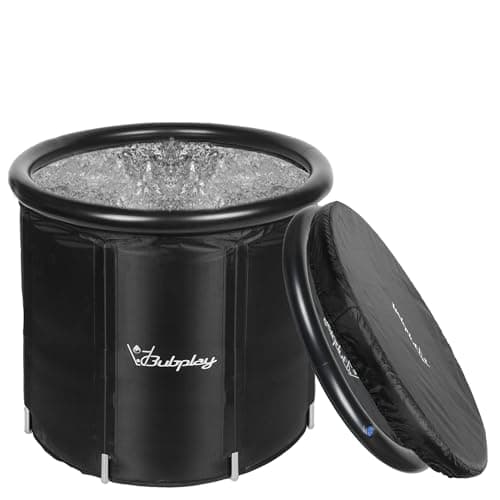
8 Best Portable Cold Plunge Tubs in 2026 — Best Recovery Value for Home, Gym, and Travel
If you want the recovery benefits of cold therapy without committing to a permanent spa setup, the best portable cold plunge tubs 2026 can give you a practical at-home solution. The challenge is finding one that’s actually portable, easy to drain, insulated well enough to hold temperature, and roomy
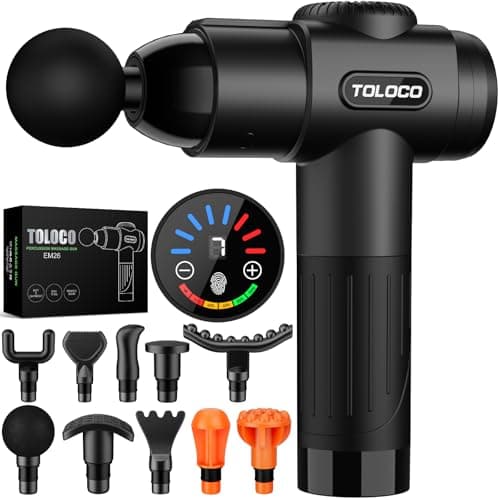
8 Best Massage Guns for Athletes in 2026 — Faster Recovery, Better Value, and Smarter Features
If your workouts are leaving you tight, sore, and slower to recover, the right massage gun can make a real difference. The best massage guns for athletes in 2026 balance percussive power, battery life, portability, and noise level without forcing you to overspend. This research-based roundup compare
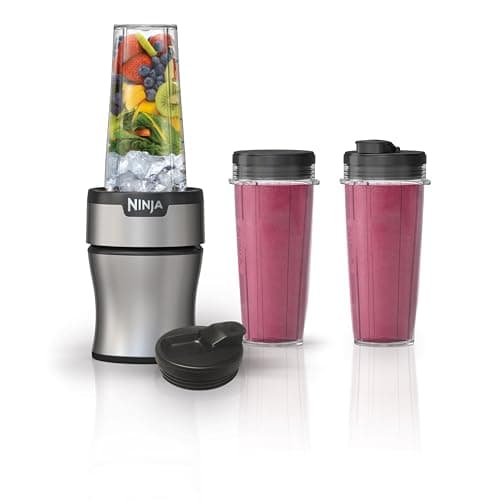
8 Best Personal Blenders for Protein Shakes in 2026 — Fast, Portable, and Easy to Clean
If you want a personal blender that can handle protein shakes without leaving powdery clumps, chunky ice, or a messy cleanup, you’re in the right place. This roundup focuses on compact blenders that are strong enough for shakes, simple enough for daily use, and portable enough for busy mornings, gym