

How to Choose the Best Dog Harness in 2026: Complete Buying Guide
If you’re trying to figure out how to choose a dog harness, the biggest challenge is usually not finding options — it’s choosing one that actually fits your dog’s body, behavior, and walking style. Pick the wrong harness and you can end up with rubbing, escape risk, more pulling, or a dog that hates wearing it altogether. This guide breaks down the features that matter most, the mistakes to avoid, and the best research-backed options to consider in 2026.
Related Reviews
The most common mistake buyers make is choosing by breed label or appearance alone instead of measuring the dog’s chest, neck, and movement needs. A harness that looks sturdy may still be uncomfortable or ineffective if it doesn’t match how your dog walks, pulls, rides in the car, or reacts to handling.
Key Features to Look For
1) Proper Fit and Adjustability
Fit is the foundation of a good harness. Look for multiple adjustment points around the neck and chest so the harness sits snugly without restricting breathing or shoulder movement. A properly adjusted harness helps prevent slipping, chafing, and escape attempts.
2) Front Clip and Back Clip Options
A front leash attachment is useful for dogs that pull, since it helps redirect forward motion and gives you more control. A back clip is better for relaxed neighborhood walks, jogging, or dogs that already walk politely. Having both options gives you flexibility as your dog’s training improves.
3) Padding and Breathable Materials
Soft padding matters if your dog walks often or pulls hard. Padded chest and belly contact points can reduce friction and make the harness more comfortable over time. Breathable mesh or lightweight fabric is especially helpful in warm weather or for dogs that wear a harness for longer periods.
4) Easy On and Off Design
Harnesses that are simple to put on are more likely to be used consistently. Fast-release buckles, overhead designs, or step-in alternatives can make daily walks much easier. This is especially important for dogs that dislike having gear pulled over their head.
5) Strong Handle for Control
A top handle gives you quick control in crowded areas, around traffic, near other dogs, or when helping your dog into a car. It can also be useful for training, balance support, or emergency restraint. A padded handle is better than a bare strap if you expect to use it often.
6) Reflective Details for Visibility
Reflective stitching or strips improve visibility during early morning or evening walks. While reflective material doesn’t replace a light, it can help drivers and pedestrians notice your dog sooner. That extra visibility is a practical safety upgrade for everyday use.
7) Durability and Hardware Quality
Look for sturdy stitching, reinforced stress points, and metal leash rings or clips. These details matter most for medium and large dogs or dogs that lunge. A durable harness tends to hold its shape better and last longer under repeated use.
What to Avoid
Harnesses That Rely on Breed Labels Alone
“Large,” “medium,” or “small” on the product title does not guarantee a fit. Dogs vary widely in chest depth, neck size, and shoulder width even within the same breed. Always measure before buying.
Too Much Bulk for the Dog’s Build
Overly thick or heavy harnesses can restrict movement, especially for smaller or leaner dogs. A bulky harness may feel secure, but if it interferes with natural stride it can make walks less comfortable and less enjoyable.
Poorly Positioned Straps
Straps that sit too close to the armpits can rub and cause irritation. Chest plates that are too narrow may concentrate pressure in one area. The best harnesses spread force across the chest and torso more evenly.
One-Size-Fits-All Claims
These are often a red flag. A harness should be adjustable enough to account for your dog’s build and growth. If a product offers very limited sizing, it may be harder to get a secure fit.
No Clear Training Purpose
If your dog pulls, a simple back-clip harness may not solve the problem. For training, look for a front clip or dual-clip design. If you choose the wrong style for your goal, you may not get the control you expected.
Weak Buckles or Lightweight Hardware
Flimsy connectors can fail under stress or repeated use. For stronger dogs, prioritize harnesses with solid buckles, reinforced stitching, and durable leash attachment points.
Our Top Picks
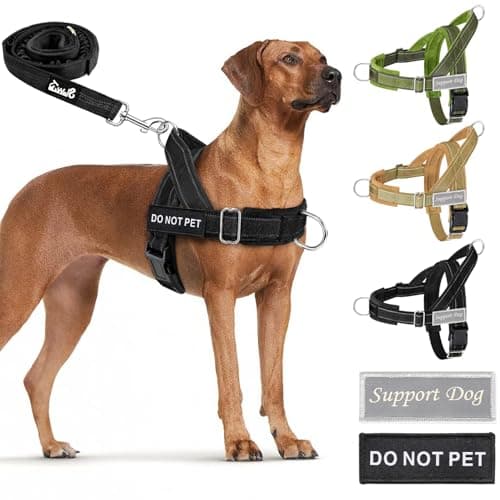
Best Overall for Pulling and Training: SlowTon No Pull Dog Harness $23.99 17% OFF — Was $28.84 ✓ Prime
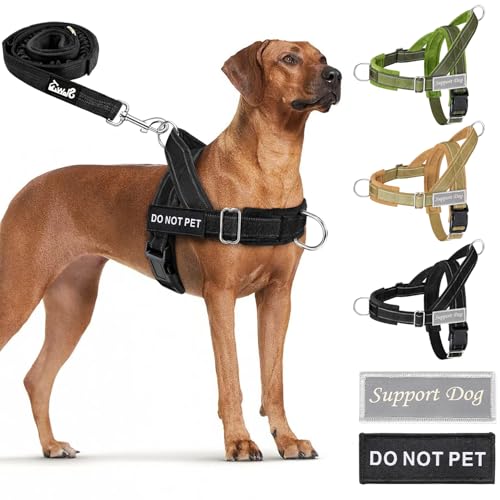
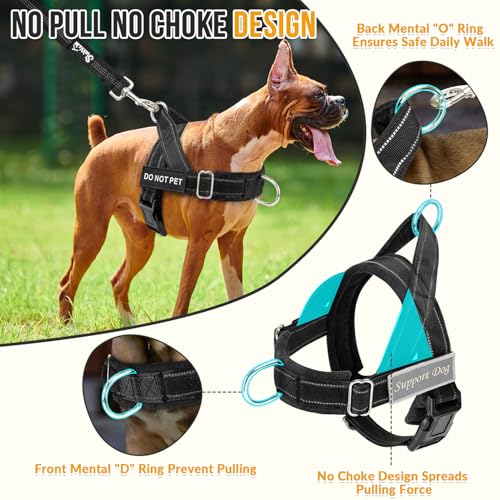

This is a strong fit if you want a harness built around no-pull control, comfort, and added visibility. The dual-clip setup gives you front-clip training control and back-clip convenience, while the padded design and reflective strips make it practical for everyday use. It is especially appealing for medium to large dogs that need more guidance on walks.
- ✓ Front D-ring helps reduce pulling and guide direction
- ✓ Soft padded fleece areas reduce friction on neck and back
- ✓ Dual handles add close control in crowded areas
- ✓ Reflective strips improve nighttime visibility
- ✓ Adjustable neck and chest fit supports different body shapes
- ✗ Best suited to medium and large dogs, not tiny breeds
- ✗ More feature-rich than a simple everyday harness if you only need basic walking
Best Budget-Friendly Choice: rabbitgoo Dog Harness $15.97 24% OFF — Was $20.98 ✓ Prime
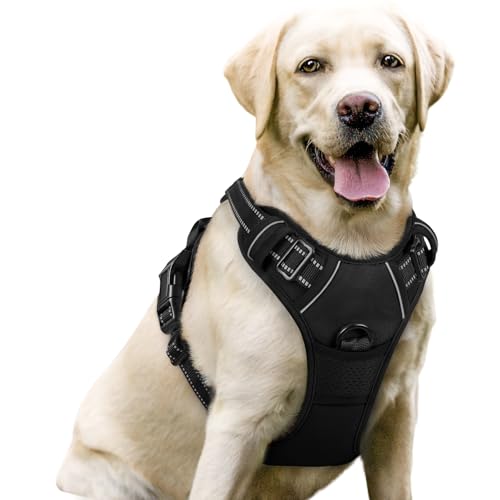


If you want a lower-cost harness with many of the same core features as pricier models, this is a smart pick. It offers dual leash clips, four adjustment straps, reflective details, and a padded build that works well for daily walks, light training, and active use. It is a practical value option for medium to large dogs.
- ✓ Dual leash rings for training and casual walks
- ✓ Four adjustment straps help create a secure fit
- ✓ Soft padding and breathable mesh improve comfort
- ✓ Reflective strips support safer evening walks
- ✓ Lightweight and easy to clean
- ✗ Overhead style may not suit dogs that dislike head entry
- ✗ Sizing requires careful measuring to avoid slipping or rubbing
Best for Easy On/Off Comfort: PHOEPET No Pull Dog Harness $21.99 ✓ Prime
](https://pub-621496c7f62b43389c3fdd92f5da4ea8.r2.dev/blog/how-to-choose-a-dog-harness-2026/product-2.jpg)
](https://m.media-amazon.com/images/I/4163G6gPRdL._SL500_.jpg)
](https://m.media-amazon.com/images/I/51WudYYp7kL._SL500_.jpg)
This harness stands out for dogs that hate having gear pulled over their head. The three-buckle design is meant to make on/off easier, and the front clip helps reduce pulling if your dog tends to surge ahead. It also adds a useful top handle for close control and car assistance.
- ✓ No head-through design may be easier for sensitive dogs
- ✓ Front hook supports no-pull training
- ✓ Reflective material improves visibility in low light
- ✓ Back handle helps with control and car entry
- ✓ Adjustable fit for better comfort and security
- ✗ Best for medium dogs; not the most compact option for very small pets
- ✗ Overhead-free design can still require a little adjustment at first
Best for Escape-Prone Dogs: Annchwool No Pull Dog Harness $19.99 ✓ Prime
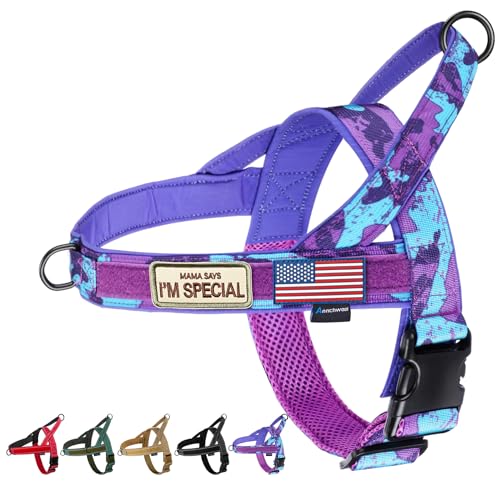


If your dog is clever about backing out of harnesses, this is worth a look because it emphasizes fit, comfort, and a secure feel. The padded interior and lightweight build are designed to stay comfortable for regular walks, while the front strap helps discourage rushing forward. The added patches are a nice bonus for owners who want a little personality.
- ✓ Soft padded inner helps reduce rubbing on the neck
- ✓ Front strap helps limit forward rushing
- ✓ Two rings add flexibility for leash and accessory attachment
- ✓ Lightweight design is easier for daily wear
- ✓ Multiple sizes help improve fit selection
- ✗ Single-buckle design may feel simpler than some dual-entry harnesses
- ✗ Sizing still depends on accurate measurement
Budget Guide: What You Get at Each Price Point
Under $20
At this price, you can still find a solid harness with basic no-pull functionality, padding, and reflectivity. The tradeoff is usually fewer comfort refinements, simpler buckles, or less premium hardware. This range is best if you need a dependable everyday harness without paying for extra features.
$20 to $25
This is the sweet spot for many buyers. You’ll often get better padding, stronger control handles, dual leash clips, and more thoughtful adjustability. If your dog pulls, lunges, or needs a more secure fit, this range often provides the best balance of comfort and control.
Above $25
Higher prices usually reflect more specialized construction, heavier-duty materials, or bundled extras like a leash set. These are most useful for stronger pullers, larger dogs, or owners who want a more robust setup for training and frequent outdoor use. In many cases, the extra cost is about durability and convenience rather than a dramatic change in basic performance.
Frequently Asked Questions
1) How do I know what size dog harness to buy?
Measure your dog’s neck and chest girth, then compare those measurements to the brand’s sizing chart. Chest fit is especially important because a harness that is too loose can slip out of place, while one that is too tight can rub or restrict movement.
2) Is a front-clip harness better than a back-clip harness?
For dogs that pull, a front-clip harness is usually better because it helps redirect forward motion. For calm walkers or casual jogging, a back-clip harness is often more comfortable and convenient. Many owners prefer a dual-clip design for flexibility.
3) Can a harness stop my dog from pulling completely?
A harness can reduce pulling and make training easier, but it usually does not eliminate pulling by itself. The best results come from combining the right harness with leash training, consistency, and reward-based behavior work.
4) What features matter most for escape-prone dogs?
Look for a snug adjustable fit, secure buckles, and a design that distributes pressure across the chest. A harness with multiple adjustment points and a stable chest panel is generally safer than a loose or overly simple design.
5) Are reflective harnesses really worth it?
Yes, especially if you walk your dog in the early morning or after dark. Reflective strips won’t replace a light, but they can improve visibility and give drivers more time to react.
Pros
- + Front-clip and dual-clip options for training
- + Adjustable fit reduces slipping and rubbing
- + Padding and breathable materials improve comfort
- + Reflective details help with nighttime visibility
- + Control handles add safety in busy areas
Cons
- – Sizing still requires careful measuring
- – Some designs may not suit head-shy dogs
- – Cheaper models can have less durable hardware
Frequently asked questions
- How do I know what size dog harness to buy?
- Measure your dog’s neck and chest girth, then compare those measurements to the brand’s sizing chart. Chest fit is especially important because a harness that is too loose can slip out of place, while one that is too tight can rub or restrict movement.
- Is a front-clip harness better than a back-clip harness?
- For dogs that pull, a front-clip harness is usually better because it helps redirect forward motion. For calm walkers or casual jogging, a back-clip harness is often more comfortable and convenient. Many owners prefer a dual-clip design for flexibility.
- Can a harness stop my dog from pulling completely?
- A harness can reduce pulling and make training easier, but it usually does not eliminate pulling by itself. The best results come from combining the right harness with leash training, consistency, and reward-based behavior work.
- What features matter most for escape-prone dogs?
- Look for a snug adjustable fit, secure buckles, and a design that distributes pressure across the chest. A harness with multiple adjustment points and a stable chest panel is generally safer than a loose or overly simple design.
- Are reflective harnesses really worth it?
- Yes, especially if you walk your dog in the early morning or after dark. Reflective strips won’t replace a light, but they can improve visibility and give drivers more time to react.
Get the Full Home Buyer's Guide
Join our free newsletter — we'll send our latest Home picks, specs and verdicts straight to your inbox.
Free. No spam. Unsubscribe anytime.
Was this review helpful?
Be the first to share your feedback on this review.
Sign in to vote and let us know what you think.
Discussion (0)
No comments yet. Be the first to start the discussion.
Related Reviews
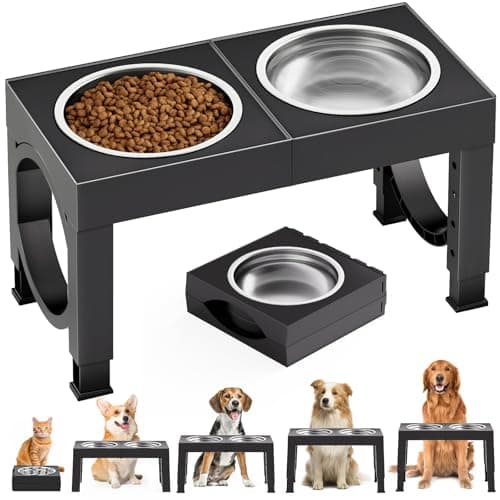
8 Best Elevated Dog Bowls in 2026 — Better Posture, Less Mess, and Easier Mealtimes
If your dog gulps food too fast, strains to reach the bowl, or leaves a mess around the feeding area, an elevated feeder can make a noticeable difference. The best elevated dog bowls combine the right height, stable construction, easy cleaning, and bowl sizes that actually fit your pet. Below, we’ve
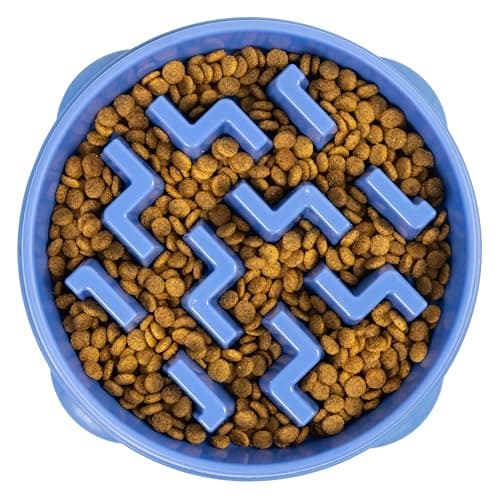
8 Best Slow Feeder Dog Bowls in 2026 — Safer Mealtimes for Fast Eaters
If your dog gulps food in seconds, you’re not just dealing with a messy bowl — you’re also trying to reduce the risk of choking, bloat, and post-meal discomfort. The best slow feeder dog bowls help stretch out mealtime, add mental stimulation, and make portions easier to manage for different breeds
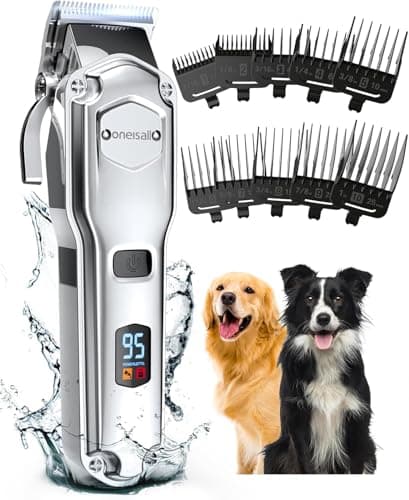
8 Best Dog Clippers in 2026 — Quiet, Powerful Picks for Easier Home Grooming
If you’re searching for the best dog clippers 2026 , you probably want one thing: a clipper that won’t snag, scare, or stall halfway through a trim. The right model depends on your dog’s coat type, your comfort level, and whether you want cordless convenience or pro-level cutting power. This researc